Chuck Furuya




Serving a chilled, aromatic beverage alongside your seafood dish enhances the overall dining experience. The crisp acidity found in lighter varieties complements the delicate flavors of various aquatic offerings, elevating both elements on the plate.
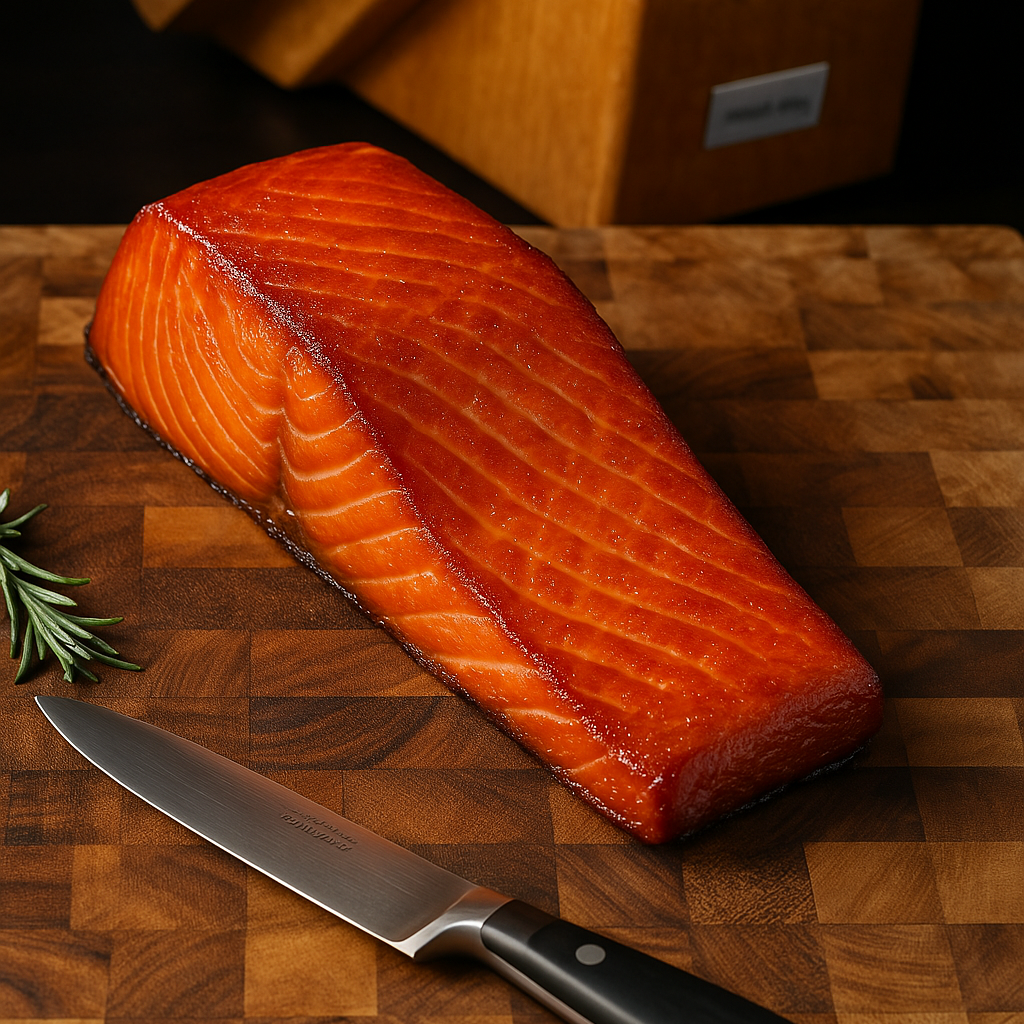
Choosing a chilled, refreshing option can enhance the taste of white-fleshed varieties like cod or sole. A hint of citrus and herbal notes in the beverage can mirror the natural flavors of the fish, creating a harmonious interaction. For richer options such as salmon, consider a slightly fuller-bodied choice that balances the oiliness of the meat.

Temperature plays a crucial role as well; serving the drink well-chilled accentuates the refreshing qualities and provides a delightful contrast to the warmth of cooked seafood. Pairing thoughtfully will not only satisfy the palate but also create a memorable meal.
Pairing Recommendations
For a delightful culinary experience, consider a chilled Sauvignon Blanc or a crisp Pinot Grigio alongside your seafood. These selections enhance the natural flavors, providing a refreshing contrast to the dish.
A dry Riesling can complement dishes with a touch of sweetness, balancing citrus or herb-infused preparations. If you’re enjoying grilled varieties, opt for a light-bodied Chardonnay to match the smoky notes.
For richer seafood options, such as creamy sauces or buttery preparations, a Viognier can provide an aromatic lift, while its stone fruit flavors harmonize beautifully.
When serving shellfish, a sparkling option like Prosecco adds a celebratory touch, cutting through the richness and cleansing the palate. Always serve these beverages well-chilled to maximize enjoyment.
Consider the preparation method; baked or steamed options pair well with lighter selections, while fried or heavily seasoned dishes may match better with wines that have more body and complexity.
Understanding Flavor Profiles of Fish
Choosing the right variety of aquatic protein involves recognizing their unique taste characteristics. I find that categorizing them helps in pairing with suitable beverages. Here are some classifications:
- Delicate Varieties: Examples include sole and flounder. Their mild flavors pair well with light, citrusy options.
- Rich Varieties: Salmon and mackerel possess more pronounced flavors. These types benefit from fuller-bodied options.
- Shellfish: Shrimp and scallops have sweet notes. I often pair them with something crisp and refreshing.
- Oily Varieties: Herring and sardines are robust. They require wines that can stand up to their intensity.
Each type of aquatic protein brings its own distinct flavor nuances. For instance:
- Sole: Its subtle sweetness complements a light, fruity choice.
- Salmon: The richness pairs beautifully with a fuller-bodied option that has some oak influence.
- Sardines: Their strong flavor demands a counterbalance, making a crisp, refreshing selection ideal.
Understanding these profiles allows for informed selections that enhance the dining experience. The right pairing can elevate the dish, highlighting subtle flavors and creating a harmonious balance on the palate.
Characteristics of White Wine Suitable for Seafood
To enhance the experience of pairing beverages and seafood, I focus on several key attributes of suitable selections.
- Acidity: A higher level of acidity balances the richness of dishes. Look for varieties like Sauvignon Blanc or Albarino, which offer crispness that complements lighter proteins.
- Aroma: Fresh and fruity aromas, such as citrus or green apple, bring a refreshing quality. These fragrant notes invigorate the palate, making them ideal companions for delicate flavors.
- Body: Opt for wines with a light to medium body. This ensures that the beverage does not overpower the dish. Pinot Grigio and Vermentino are excellent choices for maintaining harmony.
- Minerality: Wines exhibiting mineral notes can echo the ocean’s essence. Varietals from coastal regions often possess this characteristic, enhancing the connection between the drink and the meal.
- Sweetness: A touch of residual sugar can round out saltier dishes. Riesling can provide a perfect balance, especially when paired with spicy seafood preparations.
Understanding these qualities helps in selecting the perfect match for seafood, elevating the overall dining experience.
Pairing Techniques: Matching Acidity and Salinity
To achieve a harmonious combination, I focus on balancing the acidity of the beverage with the salinity present in the seafood. For instance, a crisp Sauvignon Blanc complements the brininess of oysters remarkably well. The wine’s high acidity cuts through the richness of the oysters, enhancing their natural flavors.
Acidity Levels
When assessing acidity, I consider the type of catch. Delicate species like sole or flounder benefit from a lighter, zesty drink, while richer options like salmon pair nicely with something more complex, such as a Chardonnay with a hint of oak. The acidity in these selections brightens the dish and elevates the overall experience.
Salinity Considerations
Salinity plays a critical role in this pairing strategy. For saltier options, such as anchovies or mackerel, I often choose a beverage that possesses a touch of residual sugar to balance the saltiness. A Riesling, for example, offers a sweet counterpoint that enhances both the dish and the drink, creating a delightful contrast that excites the palate.
FAQ:
Why is white wine often recommended with fish dishes?
White wine is commonly paired with fish because its acidity and lightness complement the delicate flavors of seafood. The crispness of a good white wine can enhance the taste of the fish, allowing its natural flavors to shine through without overpowering them. Additionally, the refreshing qualities of white wine can balance the richness of certain fish, particularly those that are fattier, such as salmon. Overall, this pairing is about creating a harmonious dining experience that highlights both the wine and the food.
Are there specific types of white wine that work best with different kinds of fish?
Yes, certain types of white wine pair better with specific fish varieties. For example, a light and zesty Sauvignon Blanc works wonderfully with white fish like sole or flounder. On the other hand, a fuller-bodied Chardonnay can complement richer fish like salmon or tuna. For shellfish, a crisp Pinot Grigio can enhance the flavors without overwhelming them. The key is to consider the texture and flavor profile of both the fish and the wine to create a balanced pairing.
Can you explain the science behind why white wine pairs well with fish?
The science behind the pairing of white wine and fish lies in the balance of flavors and the acidity of the wine. Fish, especially lighter varieties, tends to have a mild flavor profile that can be easily overwhelmed by bold red wines. White wines typically have higher acidity, which can enhance the freshness of the fish. This acidity also helps to cut through any fat in richer fish, making each bite taste clean and refreshing. Additionally, the aromas in white wines, such as citrus or floral notes, can complement the briny flavors of seafood.
Is there a cultural or historical reason for pairing white wine with fish?
Yes, cultural and historical factors have influenced the pairing of white wine with fish. In many coastal regions where seafood is a staple, white wine has been the traditional choice due to its availability and compatibility with local fish dishes. For instance, Mediterranean countries have a long history of enjoying white wine alongside their seafood, as the climate and local cuisine naturally lend themselves to this pairing. This practice has been passed down through generations, reinforcing the idea that white wine enhances the enjoyment of fish.
What are some common mistakes people make when pairing wine with fish?
One common mistake is choosing a wine that is too heavy or tannic, such as a bold red wine, which can overpower the delicate flavors of the fish. Another mistake is failing to consider the preparation method of the fish. For example, grilled or smoked fish might pair better with a wine that has a bit more body, while simply prepared fish may require a lighter option. Additionally, not taking into account the sauces or sides served with the fish can lead to an unbalanced pairing. It’s important to think about the entire dish when selecting a wine.
Why is it recommended to pair white wine with fish?
White wine complements fish dishes due to its acidity and lighter flavor profile. The crispness of white wine enhances the natural flavors of the fish, allowing the dish to shine without overpowering it. Fish tends to have a delicate taste, and a wine that is too heavy, like red wine, can mask those subtle flavors. The refreshing qualities of white wine also help cleanse the palate, making each bite of fish more enjoyable.
Are there specific types of white wine that go best with certain fish?
Yes, different types of white wine can pair better with certain fish varieties. For instance, a Sauvignon Blanc works well with white fish like sole or snapper due to its zesty acidity. A Chardonnay, especially if oaked, can enhance richer fish like salmon or tuna, as it has a fuller body and buttery notes. For shellfish, a dry Riesling or a light Pinot Grigio can be excellent choices, highlighting the sweetness of the seafood. The key is to match the weight and flavors of the wine with the type of fish being served.
What role does the preparation of the fish play in choosing the right white wine?
The way fish is prepared significantly influences the choice of white wine. For example, if the fish is grilled or roasted, a fuller-bodied white like a Viognier or a Chardonnay can complement the smoky flavors. On the other hand, if the fish is served raw, such as in sushi or ceviche, a crisp and acidic wine like a Sauvignon Blanc is ideal, as it can enhance the freshness of the dish. Additionally, sauces and seasonings used in the dish can also guide your wine selection, as richer sauces may require a more robust wine, while lighter dishes pair best with more delicate wines.