Chuck Furuya

If you’re looking to enhance your barbecue experience, a chilled glass of Sauvignon Blanc is an excellent choice. This varietal, known for its zesty acidity and citrus notes, perfectly complements the smoky and sweet flavors of grilled meats. Its crispness cuts through the richness, balancing the dish harmoniously.
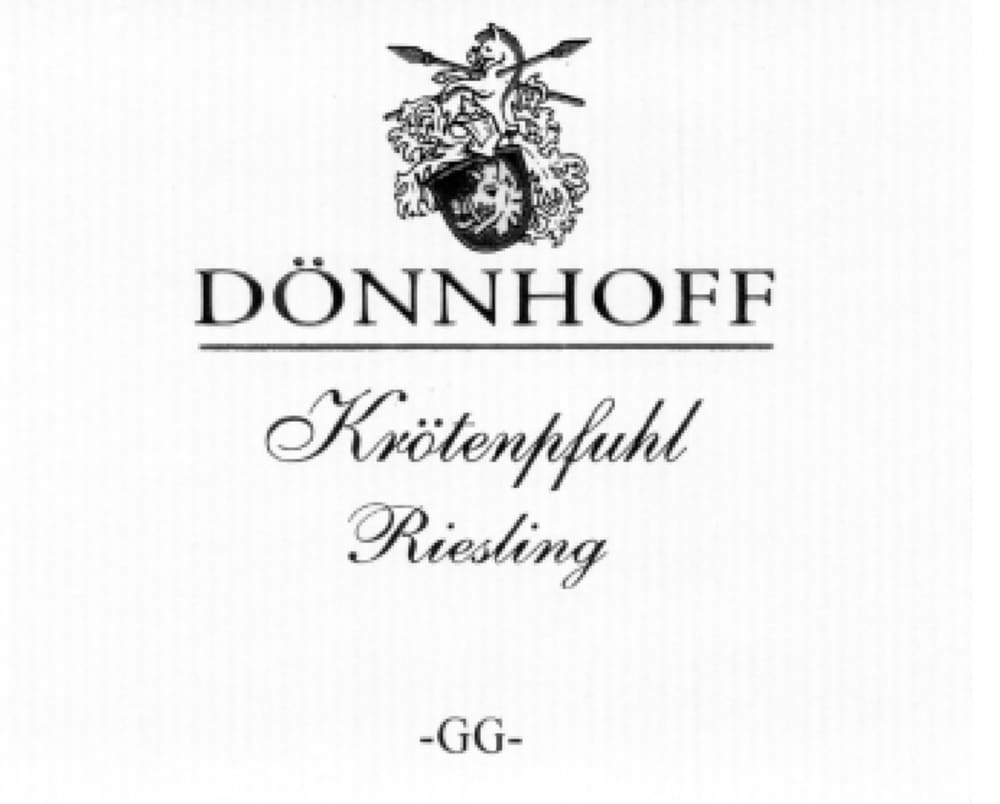
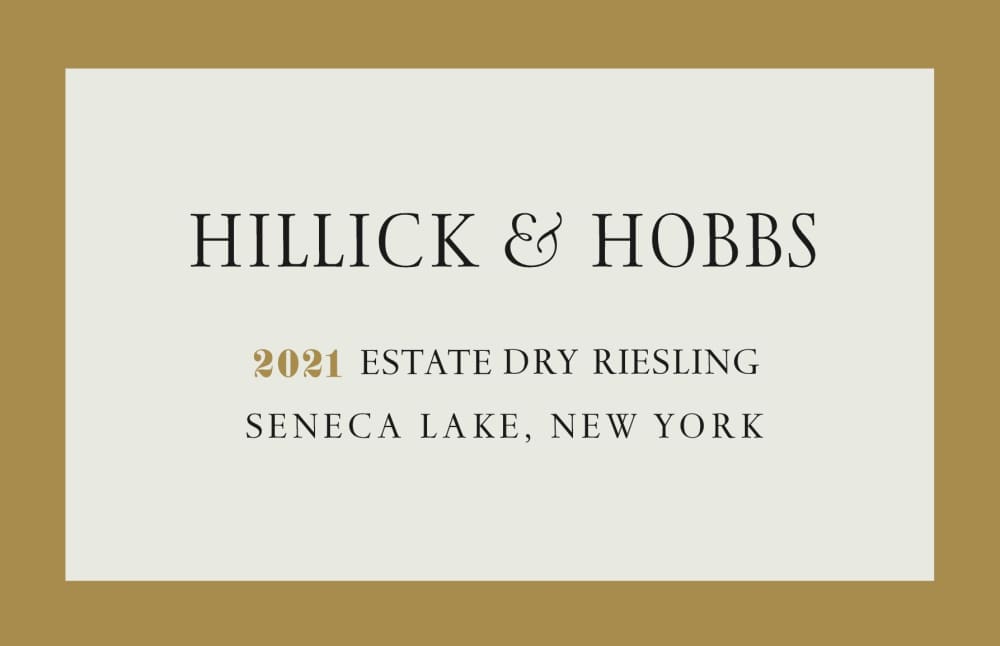
Another fantastic option is a dry Riesling. With its subtle sweetness and floral aromas, it provides a refreshing contrast to the tangy barbecue sauce. The acidity in Riesling also helps to cleanse the palate, making each bite of tender meat even more enjoyable.
For those who prefer a more robust flavor, consider a Grenache Blanc. This wine offers a fuller body and hints of stone fruits, which pairs nicely with the savory spices often used in rib marinades. The richness of this varietal enhances the overall dining experience, bringing out the best in the dish.
Lastly, a Viognier can add an aromatic touch to your meal. Its luscious texture and notes of peach and apricot bring a delightful sweetness that complements the charred edges of the ribs. This pairing is especially effective when your barbecue sauce leans towards the sweeter side.
Pairing Suggestions for Grilled Pork Cuts
Opt for a chilled Sauvignon Blanc or a zesty Pinot Grigio. Both varieties offer refreshing acidity that complements the smoky flavors of grilled pork. The bright citrus notes in these wines enhance the sweetness of the barbecue sauce while balancing the richness of the meat.
Alternative Choices
Consider a Viognier for its floral aromas and stone fruit flavors, which can add an intriguing layer to the dish. Another excellent match is a dry Riesling, providing a touch of sweetness that contrasts beautifully with spicy or tangy sauces.
Serving Tips
Serve these selections well-chilled to elevate the overall experience. A slight chill can enhance the refreshing qualities of the wine, making each sip more enjoyable alongside grilled dishes.
Choosing the Right Flavor Profile for Your Ribs
Opt for a zesty, citrus-driven option to complement the smoky, sweet notes of the dish. A Sauvignon Blanc, with its bright acidity and herbal undertones, enhances the flavors beautifully. The crispness will cut through the richness, offering a refreshing balance.
If the sauce leans towards a sweeter profile, consider a Riesling. Its sweetness harmonizes with the glaze while retaining enough acidity to prevent overwhelming the palate. Look for one labeled as off-dry for the best results.
For a more complex pairing, try a lightly oaked Chardonnay. The buttery texture and subtle vanilla notes will complement the charred exterior, while its moderate acidity provides a pleasing contrast.
When opting for fruitier varieties, a Pinot Grigio offers a light, crisp choice that pairs well with tangy sauces. Its notes of pear and green apple will enhance the overall experience without overshadowing the meat.
Finally, consider a sparkling option. A dry Prosecco or Cava adds effervescence, which cleanses the palate and elevates the entire meal, making each bite and sip a delightful experience.