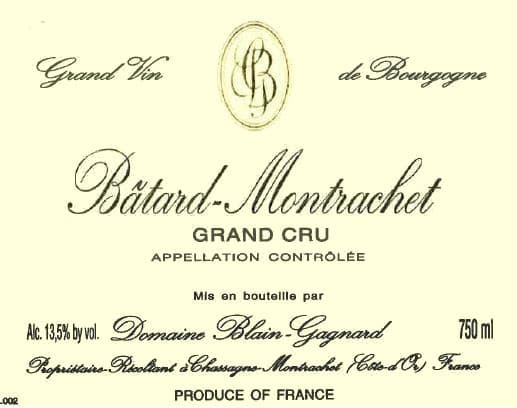
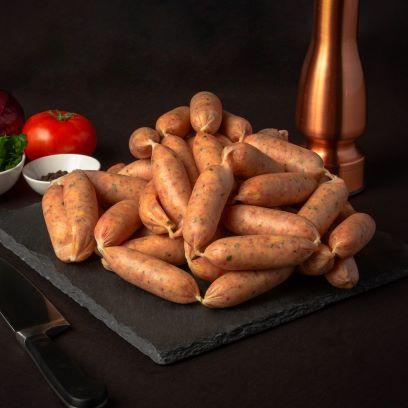
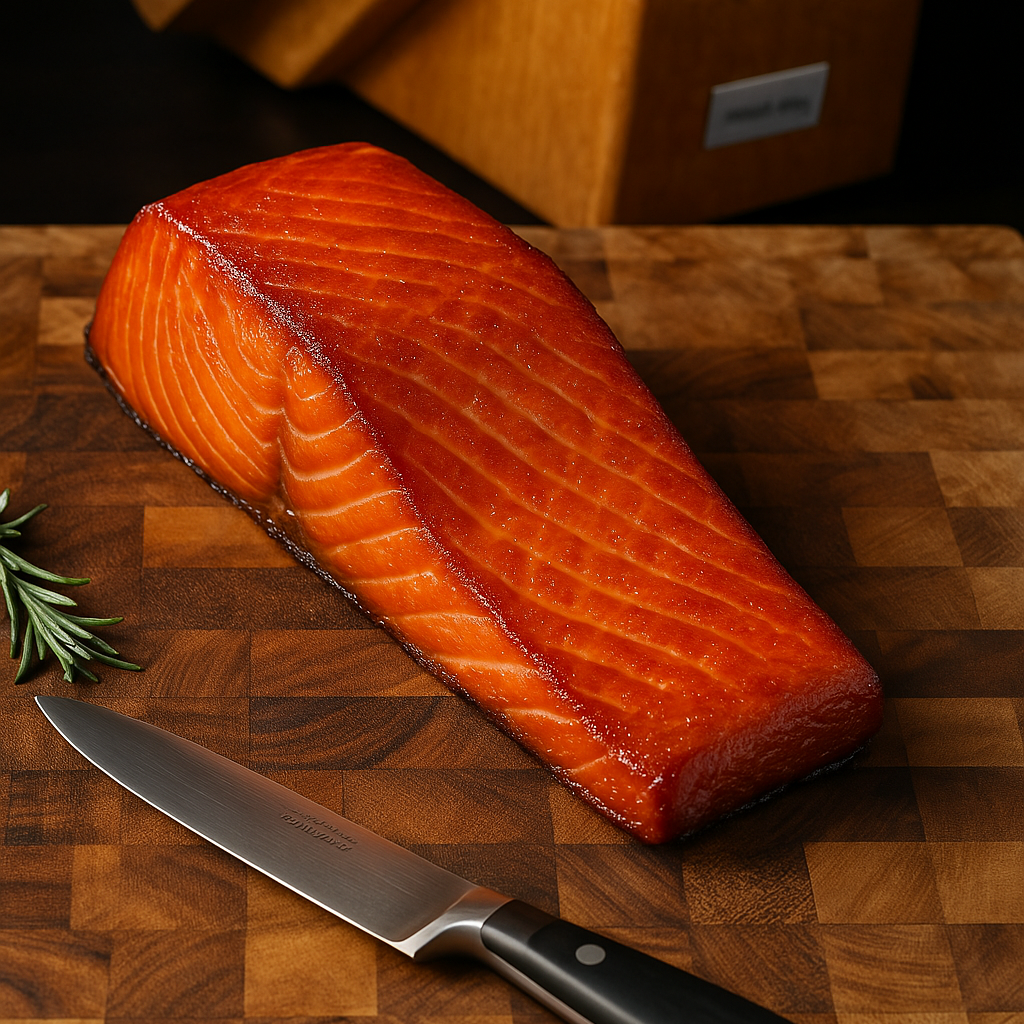
Chuck Furuya

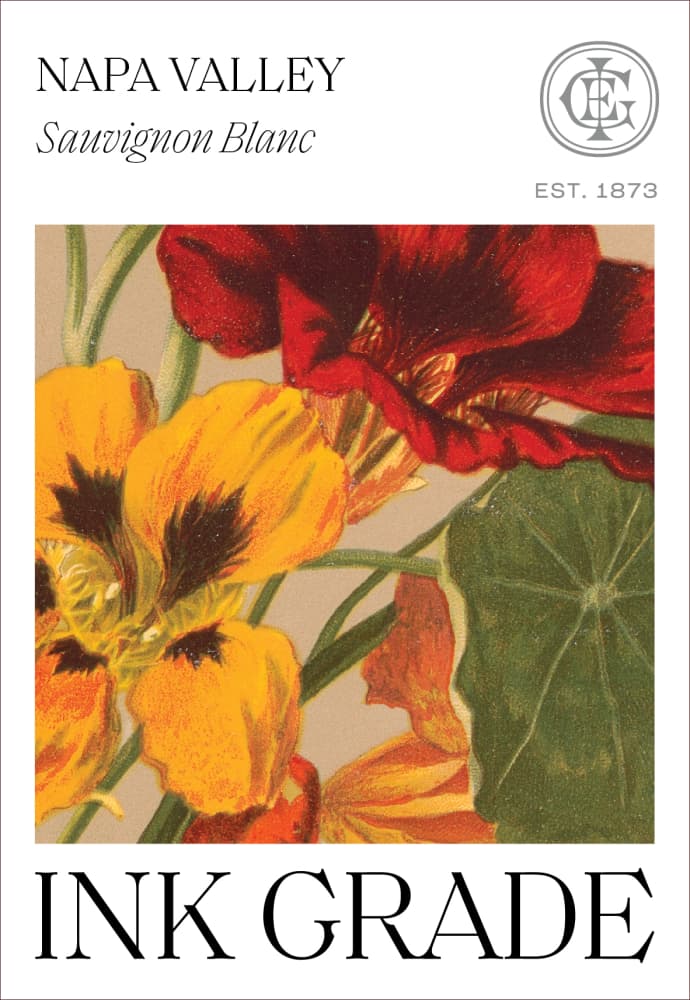
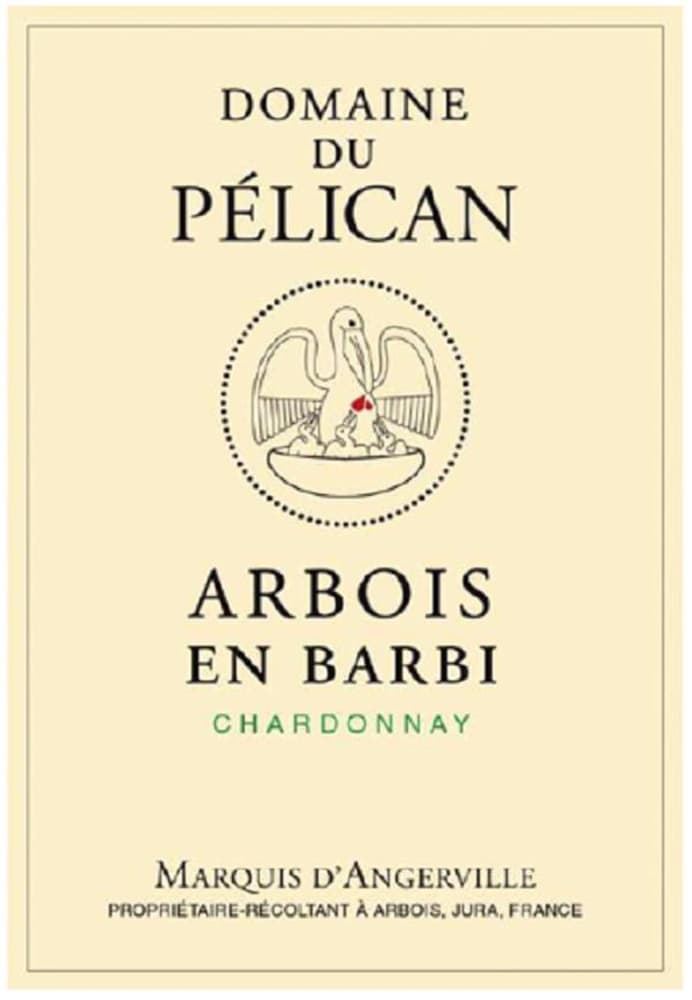
For a delightful experience, I recommend a chilled Chardonnay, particularly one that showcases a buttery texture and notes of citrus. This combination complements the rich flavors of the fish beautifully.
If you prefer something crisper, consider a Sauvignon Blanc. Its bright acidity and herbal undertones create a refreshing contrast, enhancing the natural taste of the salmon.
Another excellent choice is a Pinot Grigio, known for its lightness and fruity characteristics. This option works especially well with grilled or lightly seasoned varieties, allowing the dish’s flavors to shine through.
For those who enjoy a touch of sweetness, a Riesling can be a fantastic match, especially with teriyaki or spicy preparations. The sweetness balances the spice while enhancing the overall dining experience.
Choosing the Right Pairing for Salmon
For salmon, I recommend a Chardonnay, particularly unoaked varieties. This choice enhances the fish’s rich texture without overpowering its delicate flavors.
Sauvignon Blanc is another excellent option. Its crisp acidity and citrus notes complement the natural oils in the fish, creating a refreshing balance.
If you prefer something a bit more aromatic, a Pinot Grigio can provide a delightful contrast with its light body and hints of pear and apple.
For those who enjoy a bit of sweetness, a Riesling, especially off-dry, rounds out the meal beautifully, playing well with the salmon’s seasoning.
Lastly, consider a Grüner Veltliner, which offers a unique peppery character that pairs wonderfully with grilled or smoked preparations.
Understanding the Flavors of Salmon
Rich and buttery notes define salmon, creating a delightful experience that can enhance any meal. The unique flavor profile varies depending on the type of salmon, preparation method, and seasoning.
Here are some key flavor aspects to consider:
- Type of Salmon: Different species, such as King, Sockeye, or Coho, exhibit distinct tastes. King salmon offers a high-fat content, resulting in a silky texture, while Sockeye has a firmer flesh and a bolder flavor.
- Preparation Method: Grilling imparts a smoky essence, while baking preserves moisture and tenderness. Poaching tends to highlight the natural flavors without overpowering them.
- Seasonings: Ingredients like lemon, dill, or garlic can elevate the taste. A citrusy element complements the richness, while fresh herbs add brightness.
Pairings can be influenced by these flavors. For instance, a lightly seasoned grilled piece may harmonize beautifully with a crisp beverage, while a richer preparation might call for something more complex.
Understanding these nuances allows for a more thoughtful selection of accompaniments. Taste is subjective, so experimenting with different combinations can lead to delightful discoveries.
Choosing Between Oaked and Unoaked Chardonnay
For a delightful accompaniment to grilled or roasted fish, I recommend an unoaked Chardonnay. Its clean, crisp profile enhances the natural flavors of the dish without overwhelming them. The bright acidity and notes of green apple and citrus create a refreshing contrast that elevates the dining experience.
If you prefer something richer, an oaked Chardonnay might suit your palate. The buttery texture and hints of vanilla and toast from the oak aging can complement the fattiness of certain fish varieties. This option adds depth and complexity, particularly with creamy sauces or dishes featuring herbs.
When making a choice, consider the preparation method of the fish. For lighter, more delicate preparations, go for the unoaked version. For richer, more flavorful dishes, an oaked style will enhance the overall taste profile. Pairing becomes a matter of balancing the dish’s characteristics with the chosen option.
Sauvignon Blanc: A Fresh Option for Salmon Dishes
I recommend Sauvignon Blanc as an excellent choice for complementing salmon preparations. Its high acidity and refreshing citrus notes enhance the rich flavors of the fish, creating a delightful balance. The zesty profile brings out the natural oils in salmon, making each bite more enjoyable.
Flavor Profile
This varietal typically features aromas of lime, green apple, and passion fruit, often accompanied by herbal undertones. These characteristics make it particularly suited for dishes that incorporate herbs or citrus elements. Try pairing Sauvignon Blanc with grilled salmon topped with a lemon-dill sauce or a citrus salsa for a harmonious experience.
Serving Recommendations
Serve Sauvignon Blanc chilled, ideally between 45°F and 50°F (7°C to 10°C). This temperature enhances its crispness and aromatic profile. When selecting a bottle, consider opting for a New Zealand or California version, known for their vibrant fruit flavors and refreshing acidity.
| Aspect | Sauvignon Blanc |
|---|---|
| Acidity | High |
| Common Flavor Notes | Lime, Green Apple, Passion Fruit |
| Best Regions | New Zealand, California |
| Ideal Serving Temperature | 45°F – 50°F (7°C – 10°C) |
In summary, Sauvignon Blanc stands out as an invigorating companion for salmon dishes, elevating the dining experience through its bright flavors and crisp finish.