Chuck Furuya

For an exquisite dining experience, I recommend a well-chilled Sauvignon Blanc. Its bright acidity and herbaceous notes complement the subtle flavors of the bird, enhancing the dish without overpowering it.
If you prefer a more rounded option, consider a lightly oaked Chardonnay. The creamy texture and hints of vanilla provide a delightful contrast to the savory elements of the meat, creating a harmonious balance on the palate.
Another excellent choice is a Grüner Veltliner, which offers a crisp profile with peppery undertones. This varietal pairs beautifully with roasted pheasant, bringing out the dish’s natural sweetness and adding an intriguing layer of complexity.
For a unique twist, I suggest a dry Riesling. Its vibrant fruitiness and mineral qualities will elevate the meal, making each bite a memorable occasion.
Ideal Pairings for Pheasant Dishes
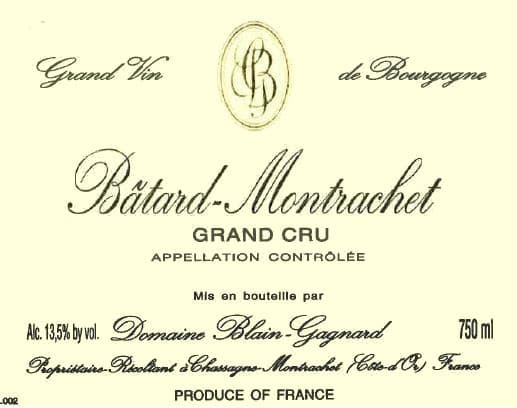
Chardonnay stands out as my top choice, particularly those exhibiting a balance of oak and acidity. A good option is a Burgundy style, offering a rich mouthfeel that complements the gamey flavor without overpowering it.
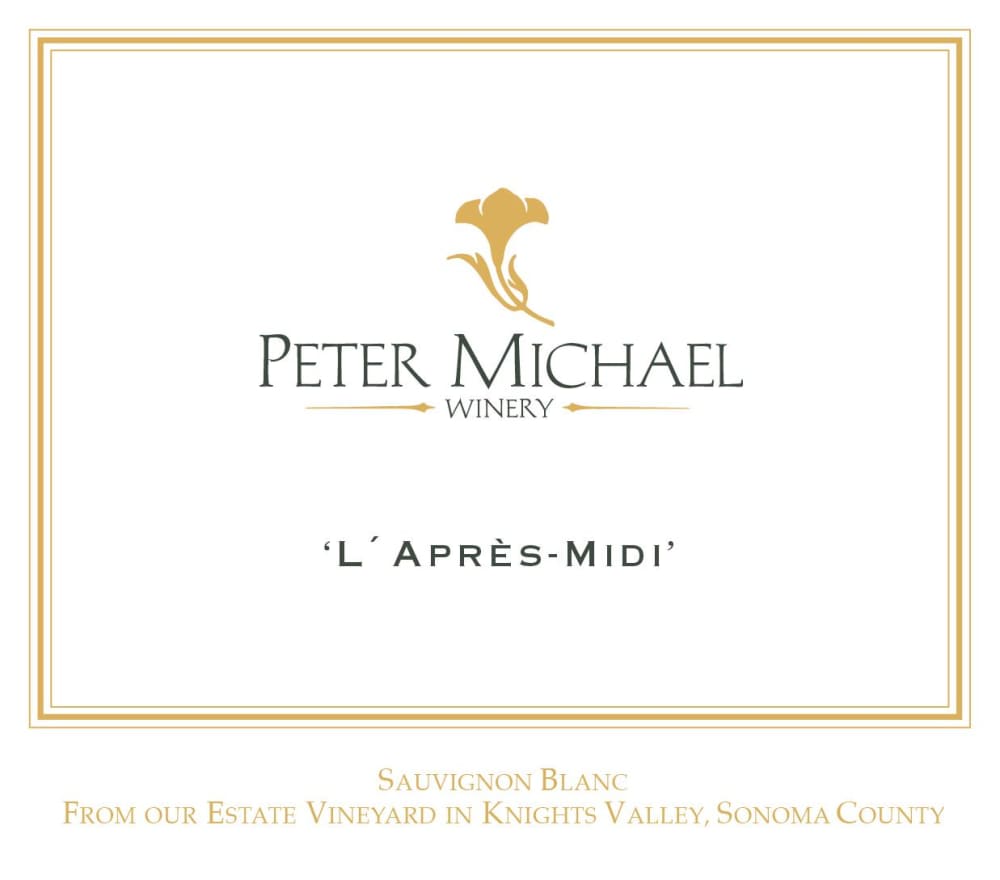
Sauvignon Blanc is another excellent match. Its crispness and citrus notes cut through the richness of the dish. Look for a bottle from the Loire Valley for a grassy, mineral profile that enhances the experience.
For something more unique, consider a Grüner Veltliner. This Austrian varietal brings peppery and herbal undertones that pair beautifully with the savory elements of the meat.
Riesling, especially off-dry versions, can be surprisingly versatile. The hint of sweetness balances the seasoning and adds a refreshing contrast, making it a delightful companion.
Try these options:
- Oaked Chardonnay from Napa Valley
- Sauvignon Blanc from Sancerre
- Grüner Veltliner from Wachau
- Off-dry Riesling from Mosel
Experimenting with these selections will elevate your dining experience and enhance the natural flavors of the dish.
Understanding Pheasant Flavors and Textures
For pairing, choosing an ideal selection requires insight into the profile of this bird. The meat is lean yet rich, offering a delicate balance of sweetness and earthiness. The texture tends to be tender, with a slight gaminess that distinguishes it from chicken. This unique blend of flavors can be complemented by a range of accompaniments.
Flavor Notes
Pheasant has subtle notes of nuts and herbs, often influenced by its diet of grains and foraged plants. The flavor can vary based on whether it’s wild or farm-raised, with wild varieties exhibiting a more pronounced earthiness. Cooking methods also play a significant role; roasting enhances the natural sweetness, while braising can infuse it with savory depth.
Texture Considerations
The texture is firm but tender, making it an excellent candidate for both light and robust preparations. When paired with sauces, consider those that enhance rather than overshadow its inherent qualities. Cream-based sauces or light fruit reductions can elevate the experience, allowing the meat’s nuances to shine through.
Understanding these aspects will guide you in selecting the perfect beverage to accompany your dish, ensuring a harmonious dining experience.
Choosing the Right Varietals
For an exquisite pairing, I recommend opting for a Chardonnay or a Viognier. These varietals provide the right balance of acidity and fruitiness, enhancing the bird’s subtle flavors. Chardonnay, particularly those with a touch of oak, complements the richness beautifully, while Viognier adds floral notes that elevate the overall experience.
Key Varietals to Consider
| Varietal | Tasting Notes | Food Pairing |
|---|---|---|
| Chardonnay | Buttery, with hints of apple and citrus | Rich poultry, creamy sauces |
| Viognier | Floral, stone fruit, with a silky texture | Spicy dishes, roasted vegetables |
| Sauvignon Blanc | Crisp, with herbal and citrus notes | Lightly seasoned fare, salads |
| Pinot Grigio | Light, with flavors of pear and melon | Delicate flavors, mild cheeses |
Additional Recommendations
Other suitable options include a lightly oaked Pinot Gris for a more nuanced taste or a dry Riesling if you prefer a bit of sweetness without overwhelming the dish. The key is to strike a balance that complements without overshadowing the dish’s inherent qualities.
Pairing Wine with Pheasant Cooking Methods
For roasting, a lightly oaked Chardonnay enhances the dish’s richness, complementing the crispy skin and tender meat. The buttery notes harmonize beautifully with the savory flavors, creating a balanced experience.
Grilling Techniques
When grilling, a Sauvignon Blanc offers a crisp acidity that cuts through the smoky nuances. Its citrus and herbaceous qualities elevate the charred aspects, making each bite refreshing.
Slow Cooking Approaches
In slow-cooked preparations, consider a Viognier. The aromatic profile and stone fruit flavors elevate the dish, harmonizing with the spices and herbs used. This choice adds depth and complexity to the overall palate.
Regional White Wines to Consider for Pheasant
For an exquisite pairing, I recommend exploring an Alsace Riesling. Its crisp acidity and subtle floral notes complement the bird’s delicate flavors beautifully.
From Italy, a Verdicchio from the Marche region offers a bright freshness with hints of almonds and citrus, enhancing the savory aspects of the dish.
A Chablis from France presents mineral undertones and a steely character that harmonizes with roasted preparations, particularly when herbs are involved.
Consider a Sauvignon Blanc from New Zealand as well. Its zesty profile and tropical fruit notes can elevate dishes featuring fruit-based sauces.
Lastly, an oaked Chardonnay from California adds richness and buttery textures that pair nicely with creamy or rich sauces accompanying the meat.
Serving Temperature for Pairing with Game Bird
The ideal serving temperature for the selected varietals is crucial to enhance the overall dining experience. For optimal flavor expression, chill your choice between 45°F to 50°F (7°C to 10°C). This range allows the nuances of acidity and fruit to shine without being masked by excessive coldness.
Chilling Techniques
To achieve the perfect serving temperature:
- Place the bottle in a bucket filled with ice and water for about 15-20 minutes.
- Alternatively, refrigerate for 1-2 hours before serving.
Temperature Adjustments
If the temperature is too low, allow the bottle to sit at room temperature for a few minutes before pouring. This will help in bringing out the aroma and complexity. Conversely, if the wine is too warm, a quick chill in the ice bucket can restore balance.
Enjoying the right temperature can significantly elevate the flavors, ensuring each sip complements the dish perfectly.