Chuck Furuya

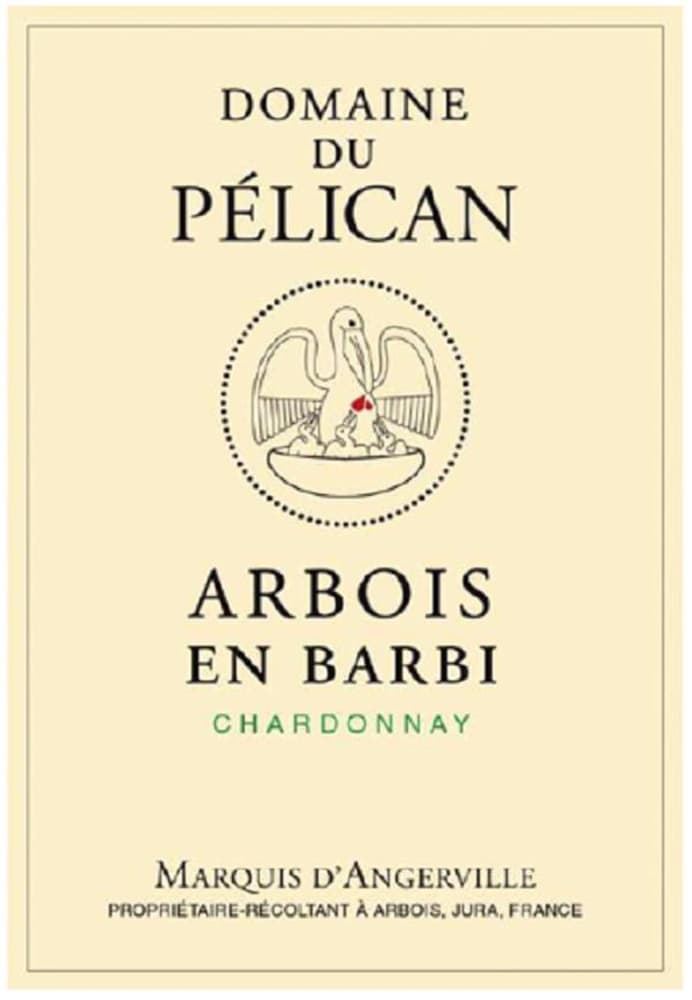

For a delightful experience, I recommend opting for a crisp Sauvignon Blanc. This choice perfectly complements the briny nature of shellfish, enhancing their natural flavors. The high acidity and zesty notes of this varietal create a refreshing contrast that elevates each bite.
If you prefer something a bit richer, a well-chilled Chardonnay, particularly unoaked, can provide a creamy texture that harmonizes beautifully with the delicate meat. The subtle fruit flavors in this option enhance the sweetness of the shellfish without overpowering it.
Another excellent selection is a dry Muscadet, especially from the Loire Valley. Its minerality and salinity mirror the oceanic essence of the shellfish, creating a seamless pairing that showcases the freshness of both elements.
For those seeking a unique twist, consider a sparkling option such as a dry Prosecco or Champagne. The effervescence cuts through the richness of the shellfish, providing a lively contrast and enhancing the overall dining experience.
Complementary Pairings for Oysters
For a delightful experience, I recommend a crisp Muscadet. Its mineral notes and bright acidity beautifully enhance the briny flavors of fresh mollusks.
Sauvignon Blanc is another excellent choice. The zesty citrus and herbal undertones provide a refreshing contrast that elevates the dish.
Consider a Chablis if you prefer something more refined. Its flinty character and balanced acidity create an exceptional harmony with the seafood.
For those who enjoy a touch of sweetness, an Alsace Pinot Gris can work wonders. The subtle sweetness and ripe fruit notes complement the salinity perfectly.
If you seek a fuller-bodied option, a well-chilled Chardonnay, preferably unoaked, can be a great match. The smooth texture and hints of green apple enhance the overall tasting experience.
Lastly, a dry sparkling option, like Champagne or a quality Cava, adds an effervescent touch that cuts through the richness, making the combination truly indulgent.
Understanding Oyster Varieties and Their Flavor Profiles
For pairing, knowing the types of mollusks is crucial. Each variety brings a unique taste experience that can enhance the accompanying beverage. Here are some notable types:
Pacific Oysters
Pacific oysters, often found on the West Coast, offer a sweet, mild flavor with a crisp finish. Their delicate brininess makes them perfect for lighter drinks, which can complement their subtle sweetness.
Eastern Oysters
These are larger and have a more robust, salty profile. Their intense flavor can stand up to bolder options, allowing for a more complex pairing that highlights the oyster’s natural richness.
Olympia Oysters
Small and sweet, Olympia oysters are native to the Pacific Northwest. Their creamy texture and mineral notes pair well with refreshing choices, enhancing their distinct sweetness.
Kumamoto Oysters
Known for their deep cups, Kumamoto varieties are celebrated for their rich, fruity taste with a hint of cucumber. Their unique flavor profile pairs beautifully with crisp, acidic selections, balancing the sweetness.
Understanding these characteristics allows for informed decisions that elevate the tasting experience, ensuring each bite is perfectly complemented by the chosen beverage.
Key Characteristics of White Wines Suitable for Oysters
High acidity is paramount. It cuts through the brininess, enhancing the overall experience. Look for those with a crisp, refreshing profile to match the salinity of the shellfish.
Minerality can elevate the pairing. Wines sourced from coastal regions often exhibit this characteristic, mirroring the oceanic flavors found in various types of mollusks.
Fruitiness should be balanced. Citrus notes like lemon or lime work well, providing a zesty contrast to the delicate texture of the seafood. Avoid overly sweet options, as they can clash with the natural taste of the delicacy.
Light body is ideal. A heavier style may overpower the subtle flavors, whereas a more delicate offering keeps the focus on the seafood.
| Characteristic | Description |
|---|---|
| Acidity | Bright and crisp, enhancing freshness and contrast. |
| Minerality | Earthy notes reflecting coastal origins, complementing saltiness. |
| Fruitiness | Citrus flavors that provide zesty balance without overwhelming sweetness. |
| Body | Light and elegant, allowing the shellfish to shine through. |
Ageability matters. Some selections improve with time, developing more complex flavors that can further enhance the pairing.
Top Recommendations for Pairing with Raw Shellfish
For an exceptional pairing, I recommend a crisp Muscadet. This French gem brings a refreshing minerality that complements the brininess of raw shellfish perfectly.
Sauvignon Blanc from New Zealand is another excellent choice. Its zesty acidity and citrus notes enhance the freshness of the seafood, making each bite more enjoyable.
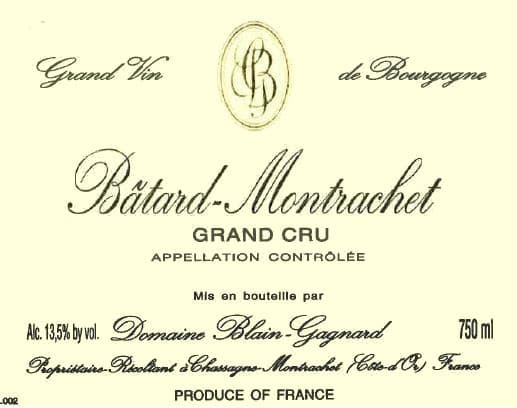
Try a Chablis for a sophisticated option. The steely character and subtle fruit flavors of this Burgundy wine harmonize seamlessly with the delicate texture of raw shellfish.
Vermentino, especially from Italy, offers a delightful herbal and citrus profile that pairs beautifully. Its lightness and vibrancy accentuate the natural flavors of the seafood.
Albariño from Spain is an outstanding selection as well. Its bright acidity and stone fruit notes create an appealing balance, elevating the tasting experience.
Lastly, consider a dry Riesling. The crispness and floral aromas provide an interesting contrast to the shellfish, enhancing the overall flavor sensation.
Pairing White Wine with Cooked Oysters: What to Choose
For cooked mollusks, I recommend opting for a Chardonnay, particularly those that are unoaked or lightly oaked. This choice complements the buttery texture and enhances the dish’s savory elements. The acidity balances the richness of the oysters, creating a harmonious experience.
Sauvignon Blanc is another excellent option. Its crispness and zesty notes cut through the creaminess of baked or fried varieties, making it a refreshing match. Look for bottles with herbal and citrus undertones to elevate the flavors.
A Viognier can also be intriguing; its floral scent and stone fruit flavors pair well with grilled or roasted mollusks. The wine’s body and texture work beautifully with the smoky notes often found in cooked preparations.
For those who prefer something different, consider a Pinot Grigio. This varietal offers a light and crisp profile that enhances the delicate flavors of cooked seafood. Its minerality can complement the brininess of the mollusks without overpowering them.
When selecting a bottle, pay attention to the cooking method. For grilled or charbroiled options, a slightly more robust choice, such as a Fumé Blanc, can stand up to the smokiness while retaining freshness.
Keep the temperature in mind; serving these selections chilled allows their characteristics to shine, enhancing the overall dining experience. Aim for a temperature around 45-50°F for optimal enjoyment.
Regional White Wines and Their Compatibility with Oysters
For an exceptional pairing experience, I recommend exploring the regional specialties that shine alongside these briny delights. Here are some remarkable selections:
- Chablis (France) – This Chardonnay from the Burgundy region offers a crisp minerality and refreshing acidity, perfectly complementing the salty essence of oysters.
- Albariño (Spain) – Hailing from Rías Baixas, this varietal boasts bright citrus notes and floral aromas, enhancing the sweetness of various oyster types.
- Sancerre (France) – A Sauvignon Blanc from the Loire Valley, its green apple and herbaceous characteristics harmonize beautifully with the oceanic flavors.
- Verdelho (Portugal) – This aromatic grape provides tropical fruit notes and a zesty finish, making it an excellent match for richer oyster varieties.
- Grüner Veltliner (Austria) – With its peppery notes and crisp acidity, this varietal can elevate the tasting experience of various oyster preparations.
Each of these regional options brings its unique profile, enhancing the nuances of the mollusks. Experimenting with different varieties from specific regions can lead to delightful discoveries.
Tasting Notes: How to Assess Pairings
Begin by evaluating the salinity and texture of the shellfish. Fresh specimens typically exhibit a briny taste and a smooth mouthfeel, which can be complemented by a crisp, acidic beverage. Look for hints of citrus or green apple in your choice that can enhance the oceanic essence of the seafood.
Assessing Flavor Profiles
Pay attention to the flavor nuances present in the mollusks. For instance, Kumamoto varieties are known for their sweet, buttery notes. A choice with a touch of fruitiness, such as a Sauvignon Blanc, will amplify this sweetness. Conversely, the clean and mineral-driven profile of a Chablis can elevate the brininess of Pacific oysters.
Texture and Acidity
Consider the texture of the dish when selecting your beverage. Creamy preparations, like baked or gratin-style, benefit from a fuller-bodied selection. A lightly oaked Chardonnay can provide a pleasing roundness that matches the richness of the dish. On the other hand, if enjoying raw options, opt for something with higher acidity to cut through the richness and cleanse the palate.
Finally, always trust your palate. Experiment with different combinations, and take notes on what resonates with your taste preferences. This personal exploration can reveal surprising pairings that enhance both the shellfish and the beverage experience.
Common Mistakes to Avoid When Pairing Wine with Oysters
Avoid choosing overly oaky varieties. The pronounced wood flavors can overshadow the delicate brininess of fresh shellfish.
Ignoring Regional Pairings
Not considering the geographical connection between specific types of mollusks and local varietals can lead to mismatches. For instance, pairing Pacific oysters with a Sauvignon Blanc from New Zealand enhances their unique taste profile.
Overlooking Acidity Levels
Neglecting the importance of acidity is a common error. Opt for selections that have crisp acidity to complement the salinity of the delicacies. High-acid options like Muscadet or Chablis are ideal choices.
- Avoid heavy, high-alcohol options that can overwhelm the dish.
- Steer clear of sweet selections, as they can clash with the savory notes.
- Don’t overlook the importance of serving temperature; chilled beverages enhance the experience.
Be cautious of pairing different preparation styles. Raw and cooked versions require different types of beverages to ensure harmony in flavors. For instance, grilled mollusks may pair better with richer options like Chardonnay, while raw ones shine with lighter, zesty selections.