Chuck Furuya
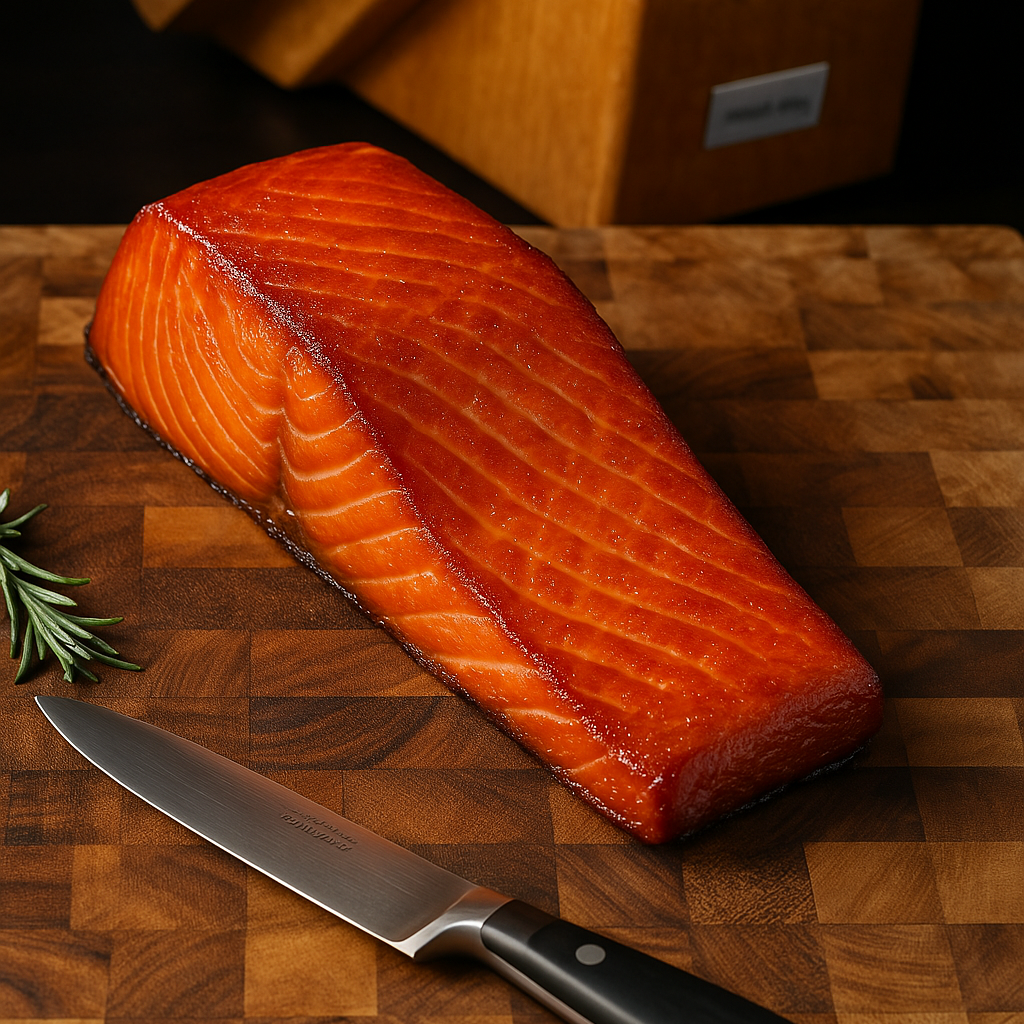
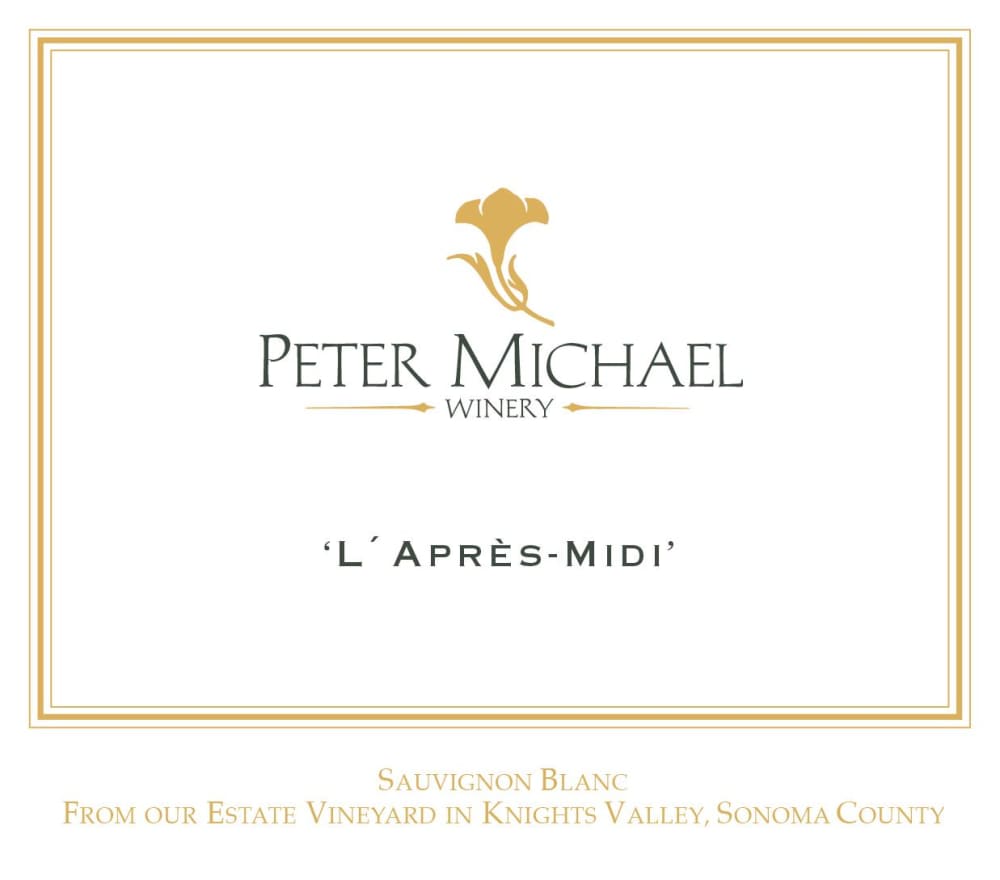
If you’re looking to complement your dish of cured fish, I highly recommend a Sauvignon Blanc. Its crisp acidity and citrus notes beautifully enhance the rich, oily texture of the fish. This variety’s herbal undertones create a delightful contrast, making every bite and sip a refreshing experience.
Another excellent choice is a Chardonnay, particularly those that are unoaked. The clean, mineral quality pairs seamlessly with the delicate flavors, allowing the fish to shine while adding a touch of creaminess that balances the dish. Opting for a cooler climate Chardonnay can bring out a refreshing brightness that elevates the entire meal.
For those who enjoy something unique, consider a dry Riesling. Its slight sweetness and vibrant acidity work harmoniously with the smokiness, creating a dynamic interplay of flavors. This pairing not only enhances the fish but also introduces an unexpected twist to your palate.
Pairing Recommendations
For an exquisite match, I recommend a chilled Sauvignon Blanc. Its zesty acidity and citrus notes complement the richness of the fish beautifully.
Additional Options
- Chardonnay: Opt for an unoaked variety for a clean finish that enhances the dish’s flavors.
- Pinot Grigio: This option offers a light body and crispness that works harmoniously with the smoky elements.
- Riesling: A dry or off-dry version adds a touch of sweetness that balances the saltiness of the fish.
- Grüner Veltliner: Its peppery notes and bright acidity create an interesting contrast.
Serving Tips
- Chill the selections to around 45-50°F (7-10°C) for optimal enjoyment.
- Consider serving alongside capers, lemon wedges, or dill to enhance the tasting experience.
Choosing the Right Acidity Level in White Wine
Opt for a wine with moderate to high acidity. This level enhances the flavors of fatty fish, providing a refreshing contrast. Wines like Sauvignon Blanc or Albariño stand out due to their bright acidity, complementing the richness of the dish effectively.
Exploring Acidic Profiles
Acidity levels in wine are categorized into low, moderate, and high. A higher acidity creates a zesty profile, cutting through the oiliness of the fish. Wines with less acidity may result in a flat pairing, lacking the necessary balance. I recommend avoiding overly sweet options, as they can clash with the savory notes of the fish.
Regional Recommendations
Consider regions known for high-acid wines. For instance, wines from the Loire Valley or coastal regions of Spain often showcase the brightness needed for a perfect match. Look for bottles labeled as “citrus” or “crisp” in tasting notes, which can indicate a suitable acidity level.