Chuck Furuya
For a delightful combination, I recommend a late harvest Riesling alongside fruit-based pastries. Its natural sweetness harmonizes beautifully with the tartness of berries, creating a balanced flavor experience.
If you’re enjoying a creamy cheesecake, a glass of Chardonnay aged in oak can elevate the dish. The buttery notes and subtle vanilla flavors complement the richness of the cheesecake, enhancing each bite.
For chocolate desserts, a well-chilled Moscato d’Asti proves to be an excellent choice. Its effervescence and sweetness cut through the richness of chocolate, providing a refreshing contrast that makes each mouthful satisfying.
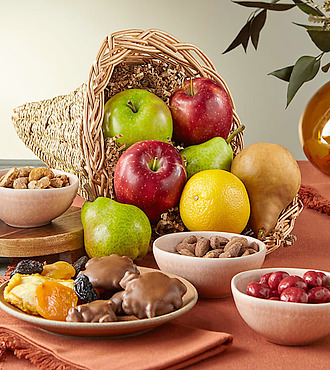
Considering citrusy or tropical desserts? A Gewürztraminer with its aromatic profile and hints of spice pairs wonderfully, accentuating the vibrant flavors and adding depth to the tasting experience.
Lastly, a sparkling demi-sec is versatile and can work wonders with a variety of sweet treats, from macarons to fruit tarts, thanks to its balanced sweetness and effervescence that cleanse the palate.
Pairing Suggestions for Sweet Treats
For a delightful experience, consider a late harvest Riesling. Its natural sweetness and acidity complement fruity tarts and creamy pastries beautifully.
Specific Matches
For apple pie, a Gewürztraminer enhances the spiced flavors, while a Moscato harmonizes excellently with panna cotta, offering a refreshing contrast. A Sauternes pairs seamlessly with rich chocolate desserts, amplifying the indulgence.
Texture Considerations
Opt for a sparkling option like Prosecco to elevate light, airy confections such as meringues. The bubbles add a lively touch, balancing sweetness with effervescence. For custard-based sweets, a Chardonnay can provide a smooth, buttery finish that enriches the overall taste profile.
Choosing the Right Sweetness Level in White Wine
For pairing with sweet treats, I often recommend selecting a wine that matches or slightly exceeds the sweetness of the dish. A classic choice is a late harvest variant, such as a Riesling or Gewürztraminer, which offers a natural sweetness that complements sugary flavors well.
Opt for wines labeled as “dessert” or “sweet,” like Sauternes or Tokaji, which provide rich, honeyed notes ideal for pairing with pastries or fruit-based desserts. These selections bring out the best in creamy cheesecakes or sorbets.
If you’re considering lighter options, sparkling varieties like Moscato d’Asti can be delightful. Their effervescence and sweetness harmonize beautifully with lighter confections, making them a refreshing choice after a meal.
For those who enjoy a hint of acidity, a semi-sweet Chenin Blanc balances sweetness with a crisp finish, enhancing fruit tarts or panna cotta. This contrast can elevate the overall flavor experience.
Ultimately, I find that experimenting with different sweetness levels can lead to delightful surprises, so don’t hesitate to try various options until you discover your perfect match.