Chuck Furuya


Choosing a pairing for seafood often leads to the classic debate of whether to opt for a deep ruby or a crisp pale choice. For lighter dishes, such as grilled or poached varieties, a refreshing pale selection enhances the delicate flavors without overwhelming the palate.
On the other hand, heartier preparations, like those featuring rich sauces or grilled preparations, can be beautifully complemented by a fuller-bodied choice. The tannins and complexity in this option can elevate the dining experience, balancing the dish’s richness.

In some instances, regional traditions may guide the selection process. For example, coastal cuisines often favor the lighter option, while certain robust recipes may harmonize better with a bolder counterpart. Understanding these nuances can enhance both the dish and the accompanying beverage, creating a memorable culinary experience.
Do You Drink Red or White Wine with Fish?
Opting for a crisp, chilled option enhances the dining experience alongside seafood. Varietals such as Sauvignon Blanc or Pinot Grigio complement lighter fare beautifully, accentuating the delicate flavors of dishes like grilled salmon or seabass.
For richer preparations, a full-bodied alternative such as Chardonnay can elevate the meal, harmonizing with buttery sauces or creamy sides. This choice balances the weight of the dish, creating a pleasing contrast.
In instances where the seafood features bold seasonings or grilling, consider a Pinot Noir; its subtle tannins can add depth without overpowering. This pairing works particularly well with dishes that include charred elements.
Exploring sparkling options also proves fruitful. A dry Prosecco or Cava can cleanse the palate effectively, making it an ideal partner for fried varieties or dishes served with citrus elements.
Ultimately, the choice hinges on the preparation method and accompanying ingredients. Tailoring selections to enhance flavors ensures a delightful culinary experience, making each meal memorable.
Understanding Wine Pairing Basics
Choosing the right beverage to complement seafood can elevate the dining experience. A few fundamental guidelines assist in making selections that enhance flavor profiles.
Key Elements for Pairing
- Acidity: Higher acidity in seafood often pairs well with crisp, refreshing options. This can balance richness and highlight natural flavors.
- Texture: The mouthfeel of the dish plays a significant role. Creamy or fatty dishes benefit from lighter, more acidic varieties, while leaner options may suit fuller-bodied counterparts.
- Preparation Method: Grilled or roasted preparations typically harmonize better with bolder flavors, while raw or lightly cooked forms favor lighter, more delicate choices.
Regional Matches
Considering the origin can guide selections. For instance, local varieties often reflect the culinary traditions of a region, enhancing the overall experience:
- Italian Cuisine: Pairing regional specialties, such as shellfish, with local varietals from coastal areas offers a natural synergy.
- Sushi and Sashimi: Crisp, clean options from specific varietals complement the subtlety of flavors present in these dishes.
- Spicy Dishes: Off-dry selections can counterbalance heat, allowing for a harmonious tasting experience.
By focusing on these principles, selecting an appropriate beverage becomes a more intuitive process, ensuring a delightful gastronomic encounter.
The Role of Acidity in Wine and Fish
High acidity in beverages complements the natural flavors found in seafood. When choosing a pair, it’s essential to consider the level of acidity present in the chosen beverage and how it interacts with the dish. For instance, a crisp, acidic option enhances the freshness of dishes like grilled shrimp or citrus-infused salmon.
Balancing Flavors
Acidity acts as a counterbalance to the richness of many seafood types. Oily varieties, such as mackerel or sardines, benefit from a more acidic companion that cuts through the fat. This interaction not only elevates the overall taste experience but also enhances the perception of freshness on the palate.
Acidity Levels to Consider
Different types of beverages exhibit varying levels of acidity. For example, sparkling options often have higher acidity, which provides an invigorating contrast to delicately flavored seafood. It’s advisable to assess the acidity level of the chosen option and match it to the dish for optimal pairing. Generally, the more robust and rich the seafood, the more pronounced the acidity should be in the beverage served alongside it.
Common Fish Types and Their Best Wine Matches
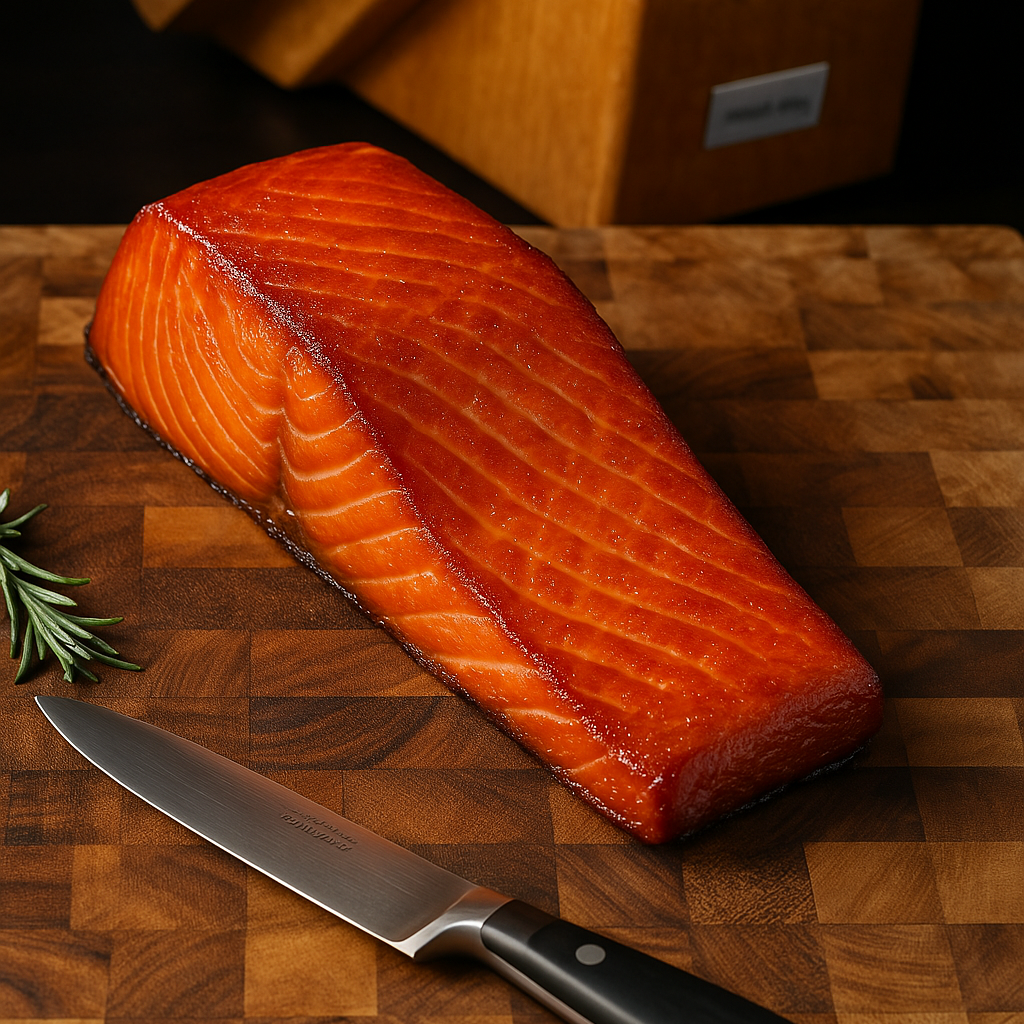
Salmon pairs exceptionally well with a dry rosé, which enhances its rich flavors. The freshness of the rosé complements the fish’s fatty texture.
For grilled tuna, a robust white, such as a full-bodied Chardonnay, provides a balanced contrast to the meatiness of the fish. This combination elevates both the dish and the beverage.
Sole and other delicate white fish benefit from a light Sauvignon Blanc. The crisp acidity of the wine accentuates the subtle flavors of the fish, creating a harmonious experience.
For shellfish like shrimp or scallops, a sparkling wine brings a refreshing quality that matches the sweetness of the seafood. The bubbles cleanse the palate beautifully.
When enjoying mackerel, a light red like Pinot Noir offers an interesting pairing, as it complements the oily nature of the fish without overpowering it.
Cod, with its mild flavor and flaky texture, works well alongside a Pinot Grigio. The wine’s acidity enhances the dish while maintaining a light profile.
| Fish Type | Recommended Pairing |
|---|---|
| Salmon | Dry Rosé |
| Tuna | Full-bodied Chardonnay |
| Sole | Light Sauvignon Blanc |
| Shrimp/Scallops | Sparking Wine |
| Mackerel | Light Red (Pinot Noir) |
| Cod | Pinot Grigio |