Chuck Furuya
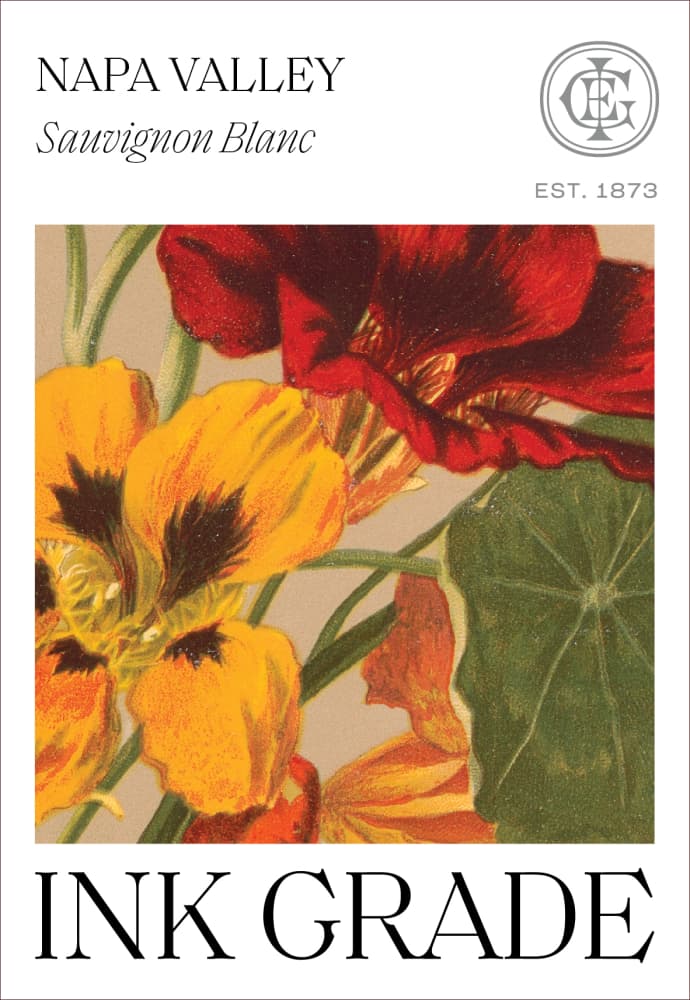
If you’re looking to enhance your clam dish, I recommend a Sauvignon Blanc. This varietal, known for its crisp acidity and vibrant citrus notes, complements the briny flavors of clams beautifully. It cuts through the richness of any accompanying fats, creating a balanced experience on the palate.
Another excellent choice is Pinot Grigio. Its light body and refreshing profile provide a clean backdrop that allows the delicate taste of the shellfish to shine. The subtle hints of green apple and pear can elevate the overall flavor profile, making each bite more enjoyable.

For those who prefer something a bit richer, Chardonnay, particularly unoaked versions, can work well. The creaminess of this grape can match the texture of a creamy clam dish, while its acidity helps to cleanse the palate. Choose a bottle with bright fruit flavors to complement the dish without overwhelming it.
Choosing the Right Pairing for Your Dish
I recommend using a dry, crisp option like a Sauvignon Blanc. Its high acidity complements the brininess of shellfish, enhancing the overall flavor. Another excellent choice is Pinot Grigio, which offers fresh fruit notes and a clean finish, perfectly balancing the richness of the dish.
Consider Regional Varieties
If you’re looking for something with a bit more character, consider a Verdicchio or a Vinho Verde. The former has a hint of nuttiness, while the latter brings a slight effervescence that can elevate your culinary experience. Both of these selections will add a unique twist to your meal.
Avoiding Sweetness
Steer clear of sweet selections like Riesling or Moscato, as they can overpower the delicate flavors of the seafood. Opt for wines that showcase minerality and freshness to maintain the dish’s integrity. Your choice will significantly enhance the dining experience.
Choosing the Right Flavor Profile for Clam Sauce
Opt for a crisp, zesty beverage with high acidity to enhance the natural brininess of shellfish. Look for options that bring out the sweetness of the clams while balancing with refreshing notes.
- Sauvignon Blanc: This choice offers bright citrus flavors and herbal undertones, elevating the dish with its sharpness.
- Pinot Grigio: A light and fruity selection, it contributes a subtle floral aroma and complements the dish without overpowering it.
- Chardonnay: A unoaked version can provide a clean finish, while a lightly oaked variant adds a touch of creaminess that pairs well with garlic and butter.
Pay attention to the preparation method. If using a tomato-based variant, a more robust option like a dry Riesling or a light-bodied red can work well. Conversely, a simpler garlic and olive oil approach benefits from a refreshing, lighter option.
- Consider the seasoning; herbs like parsley or basil can dictate the choice.
- Keep the texture in mind; a richer consistency might warrant a fuller-bodied choice.
- Match the overall flavor intensity of the dish to ensure harmony.
In summary, balance acidity and flavor intensity to create an enjoyable pairing experience. Test different selections to find the perfect fit for your personal taste preferences.
Top White Varieties that Pair Well with Clams
Choosing Sauvignon Blanc is a fantastic option. Its crisp acidity and citrus notes enhance the brininess of shellfish, creating a refreshing balance. I often opt for a New Zealand version, which offers vibrant flavors of lime and green apple.
Pinot Grigio comes in handy with its light body and floral aromas. Its clean finish complements the delicate flavors of clams exceptionally well. Italian Pinot Grigio is particularly delightful, providing a zesty and refreshing profile.
Chardonnay, especially unoaked, provides a smooth texture and bright acidity. I appreciate its apple and pear flavors that harmonize with the mild sweetness of clams. A French Chablis can bring minerality that further elevates the experience.
Vermentino is another excellent choice. Its herbaceous notes and lively acidity make it a perfect companion for seafood dishes. I find that an Italian Vermentino enhances the meal with its refreshing character.
Albariño is a standout option due to its vibrant acidity and stone fruit flavors. Its saline undertones mirror the oceanic essence of clams, making it a natural pairing. A Galician Albariño offers a delightful and thirst-quenching experience.
In summary, selecting any of these options will elevate the dining experience. Each variety brings unique characteristics that enhance the dish’s flavors, making them ideal companions for clams.
How to Match Acidity with Clam Sauce Ingredients
When selecting a pairing, focus on balancing the acidity levels of your seafood dish. Clams often have a briny quality, while the sauce can vary from tangy to creamy. High-acid varieties enhance the freshness of the shellfish and complement citrus elements.
Key Ingredients to Consider
- Clams: Natural salinity demands a crisp companion.
- Garlic: Adds pungency, calling for a bright and lively partner.
- Herbs: Fresh parsley or basil contribute herbal notes, which thrive with zesty options.
- Citrus: If lemon or lime is included, a sharper varietal will harmonize beautifully.
- Butter: A richer sauce requires a lively acidity to cut through the fat.
Recommended Pairings
- Sauvignon Blanc: Its crisp acidity and citrus notes align perfectly with briny flavors.
- Pinot Grigio: Offers a refreshing profile that complements garlic and herb elements.
- Vermentino: A slightly herbal quality that enhances the overall flavor.
- Albariño: Known for its vibrant acidity and stone fruit character, it pairs well with seafood.
By understanding the acidity of each ingredient, I can create a balanced experience that elevates the entire dish. The right selection can transform a simple meal into a delightful culinary moment.
Serving Temperature: The Key to Enjoying White Wine with Clams
For optimal enjoyment, chill your selected beverage between 45°F and 50°F (7°C to 10°C). This temperature range enhances the refreshing qualities while balancing acidity and flavors. If the drink is served too cold, the aromas and complexities can become muted; if too warm, it may taste overly alcoholic and cloying.
To achieve the perfect chill, place the bottle in the refrigerator for about two to three hours prior to serving. Alternatively, a quick method involves an ice bucket filled with equal parts ice and water, allowing for a 20-30 minute cooling period.
When serving, use appropriate stemware to enhance the aromatic experience. A glass with a narrower opening will help concentrate the scents, allowing for a more immersive tasting experience.
| Temperature (°F) | Temperature (°C) | Serving Suggestion |
|---|---|---|
| 45°F | 7°C | Light and crisp selections |
| 47°F | 8°C | Fruity and aromatic options |
| 50°F | 10°C | Full-bodied varieties |
This attention to temperature significantly enhances the overall dining experience, allowing the intricate notes and flavors to shine in harmony with the dish. Enjoy your pairing to the fullest by respecting these guidelines.
FAQ:
What type of white wine pairs best with clam sauce?
When choosing a white wine to pair with clam sauce, it’s important to consider the sauce’s ingredients and flavor profile. A dry white wine is generally recommended, as it complements the brininess of the clams without overpowering them. Popular options include Sauvignon Blanc, which offers crisp acidity and herbal notes, or Pinot Grigio, known for its light body and refreshing taste. If the clam sauce is creamy, a Chardonnay could work well due to its fuller body and buttery character.
Can I use sweet white wine for clam sauce?
While sweet white wines like Moscato or Riesling can be delightful on their own, they usually do not pair well with clam sauce. The sweetness can clash with the savory and salty flavors of the dish. However, if you’re preparing a clam sauce with a hint of sweetness or fruitiness, a slightly off-dry Riesling might be suitable, but it’s best to stick with drier varieties for most clam sauce recipes.
How does the preparation of clam sauce affect the wine choice?
The preparation of clam sauce can significantly influence your wine selection. For example, a simple garlic and olive oil clam sauce will benefit from a crisp, acidic white wine like Sauvignon Blanc. In contrast, a richer, cream-based clam sauce might pair better with a fuller-bodied wine like Chardonnay. Additionally, if the sauce includes herbs or spices, consider a wine that complements those flavors, such as a wine with herbal notes for a more herbaceous sauce.
Is there a specific region known for white wines that pair well with seafood dishes like clam sauce?
Yes, regions known for producing excellent white wines that pair well with seafood include the Loire Valley in France, which is famous for its Sauvignon Blanc, and Italy, particularly the Veneto region, known for its Pinot Grigio. Additionally, the California coast produces some fantastic Chardonnays and Sauvignon Blancs that complement clam dishes beautifully. When selecting a wine, choosing one from a coastal region can enhance the seafood experience.
What temperature should white wine be served at with clam sauce?
White wine is best served chilled, typically between 45°F and 55°F (7°C to 13°C). This temperature range helps to highlight the wine’s acidity and freshness, making it a perfect match for clam sauce. If you are unsure, keeping the wine in the refrigerator for a couple of hours before serving is a good rule of thumb. Just be careful not to serve it too cold, as overly chilled wine can mute some of its flavors.
What type of white wine pairs best with clam sauce?
When selecting a white wine to pair with clam sauce, it’s important to consider the flavors of the dish. Generally, a crisp and refreshing wine works well. Sauvignon Blanc is a popular choice due to its acidity and citrus notes, which complement the briny flavor of clams. Another excellent option is Pinot Grigio, known for its light body and clean finish, enhancing the overall taste experience. If you prefer something with a bit more richness, a Chardonnay, particularly an unoaked version, can also harmonize nicely with the sauce. Ultimately, the best pairing depends on your personal taste preferences and the specific preparation of the clam sauce.