Chuck Furuya
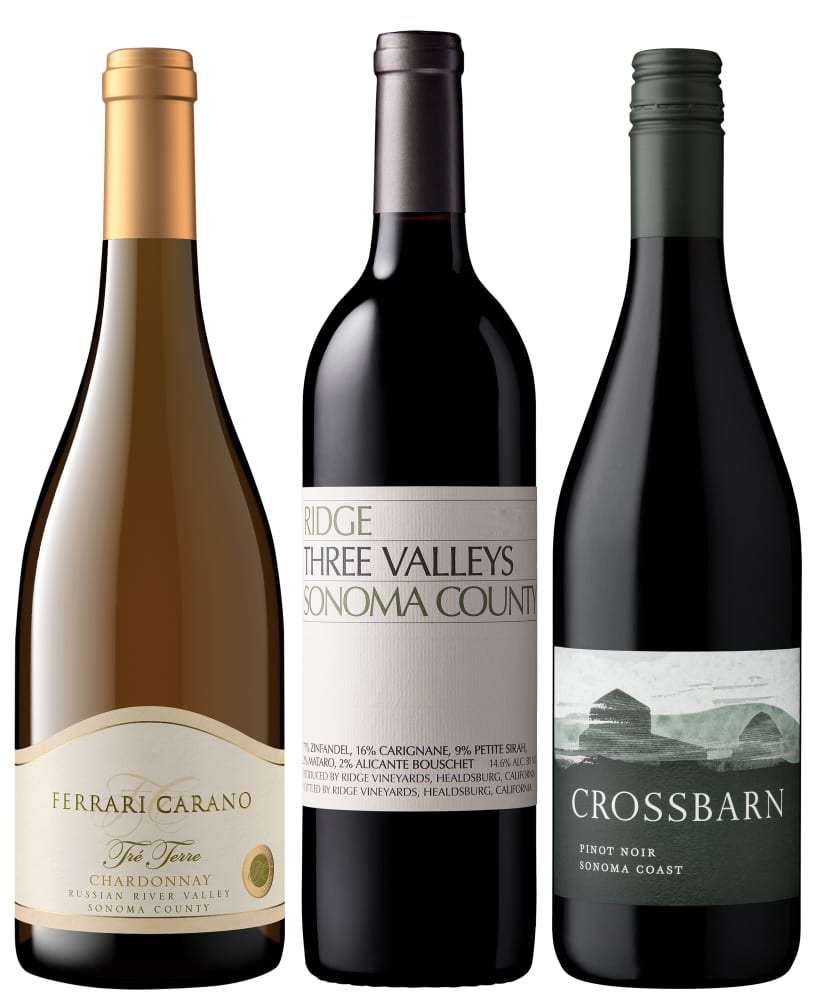
Chardonnay stands out as my go-to choice when enhancing flavors in various dishes. Its balanced acidity and rich texture elevate everything from seafood to creamy sauces. Opt for unoaked varieties to ensure a fresher profile that complements rather than overwhelms.
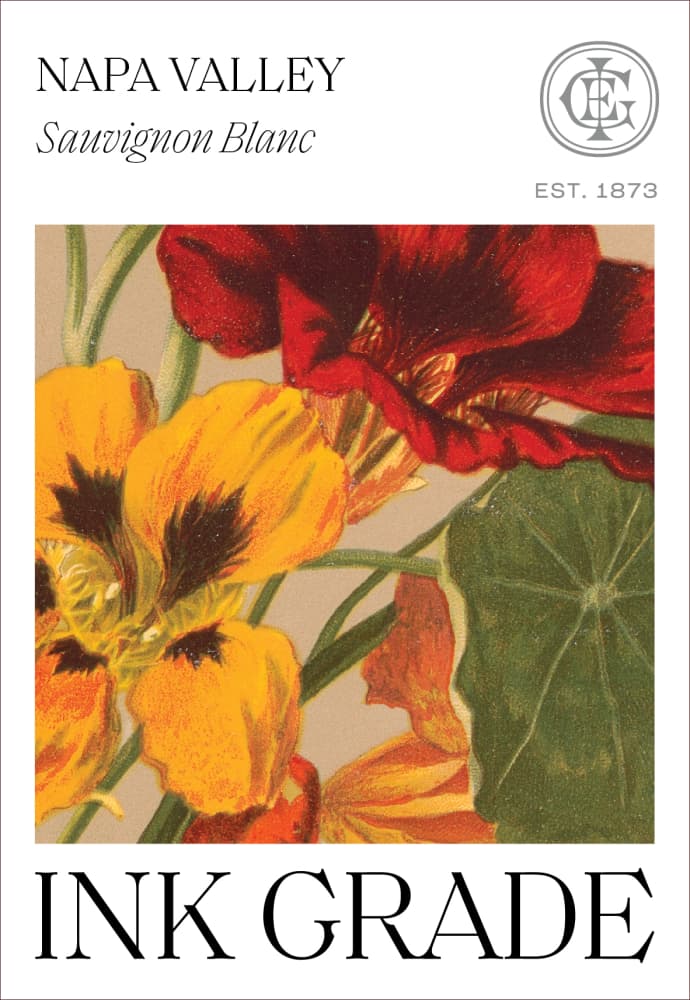
For lighter recipes, I recommend Sauvignon Blanc. Its crispness and herbal notes work wonders, especially in salads and seafood preparations. A bottle from New Zealand or California can bring a zesty brightness that enhances the overall taste experience.
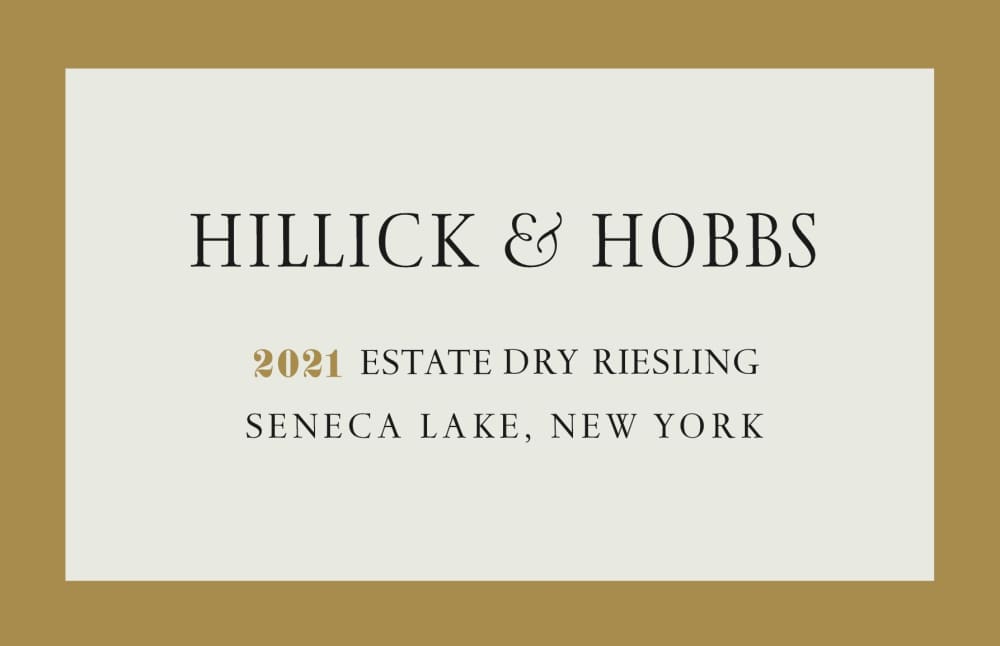
If you’re preparing a dish with a touch of sweetness, consider Riesling. Its fruity character and acidity harmonize beautifully with spicy or rich foods, making it ideal for Asian cuisines. A dry version offers versatility without overpowering the dish.
When looking for a versatile option that pairs well with a range of ingredients, Pinot Grigio is an excellent selection. Its light body and refreshing acidity make it perfect for deglazing pans or adding depth to sauces without dominating the other flavors.
Ultimately, the right choice hinges on the specific flavors you’re working with, so keep these recommendations in mind while exploring the culinary possibilities.
Choosing the Right Flavor Profile for Your Dish
Opt for a crisp Sauvignon Blanc to enhance seafood dishes. Its zesty acidity complements the freshness of fish, while its herbal notes can elevate light sauces.
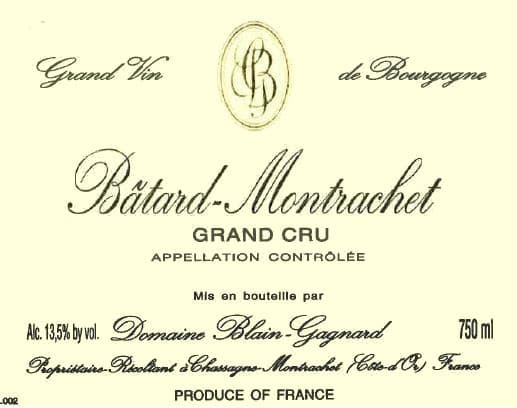
For poultry preparations, consider a buttery Chardonnay. This varietal adds richness and depth, pairing well with creamy sauces and roasted chicken.
Pairing with Vegetables and Herbs
Use a dry Riesling when working with dishes featuring vegetables. Its slight sweetness balances earthy flavors, making it ideal for roasted or sautéed greens.
Enhancing Sauces and Soups
Incorporate a Pinot Grigio into sauces and soups. Its light body and crisp profile add brightness, especially in recipes with tomatoes or citrus components.
Understanding Acid Levels in Cooking Wines
Opt for a cooking beverage with balanced acidity, typically ranging from 6% to 8% for optimal flavor enhancement. Higher acidity, found in varieties like Sauvignon Blanc, brightens dishes, while lower levels, seen in Chardonnay, provide a rounder mouthfeel.
Acidity and Flavor Interaction
Acidic liquids interact with flavors in several ways:
- Enhancement: Bright acidity can amplify sweetness, making it ideal for rich or fatty ingredients.
- Balance: Acid cuts through heaviness, providing contrast in creamy sauces or hearty meats.
- Depth: Layered acidity adds complexity, enriching the overall taste profile of the meal.
Pairing with Ingredients
Consider how acidity complements various elements:
- Proteins: For seafood, lean towards a zesty option, such as a dry Riesling.
- Vegetables: A crisp, acidic choice works well with roasted greens, highlighting their natural sweetness.
- Grains: Use a medium-acid option to enhance risottos, allowing the flavors to meld beautifully.
Understanding and selecting the right acid levels can significantly impact your culinary creations, elevating them beyond mere sustenance. Experiment with different options to find the perfect match for your dishes.
Best White Wine Varieties for Specific Recipes
Sauvignon Blanc pairs perfectly with seafood dishes, especially those featuring grilled fish or shellfish. Its crisp acidity enhances the freshness of the ocean flavors.
Chardonnay shines in creamy sauces, particularly in chicken or pasta recipes. A lightly oaked version adds depth to creamy textures, while an unoaked variant complements lighter fare.
Pinot Grigio works wonders in light, vegetable-based dishes and salads. Its subtle fruitiness balances well with vinaigrettes and fresh herbs.
Riesling is ideal for Asian cuisine, especially spicy stir-fries or sweet-and-sour sauces. Its natural sweetness can counteract heat effectively.
Verdelho adds character to dishes featuring citrus or tropical ingredients. I find it complements seafood tacos and ceviche brilliantly.
| Recipe Type | Recommended Variety | Flavor Profile |
|---|---|---|
| Seafood | Sauvignon Blanc | Crisp, refreshing |
| Creamy Sauces | Chardonnay | Rich, buttery |
| Vegetable Dishes | Pinot Grigio | Light, fruity |
| Asian Cuisine | Riesling | Sweet, balanced |
| Citrus-Based Dishes | Verdelho | Bright, zesty |
Tips for Cooking with White Wine: Dos and Don’ts
Always choose a quality bottle. If it’s not good enough to drink, it’s not suitable for your dishes. Look for options that you enjoy sipping. This makes a noticeable difference in flavor.
Use dry selections to avoid overly sweet outcomes, especially in savory creations. Dry varieties like Sauvignon Blanc or Pinot Grigio enhance without overpowering other ingredients.
Incorporate wine early in the cooking process. Adding it at the beginning allows for proper evaporation of alcohol, leaving behind rich flavors that complement your meals.
Watch the amount. A splash can elevate a dish, but too much can mask other flavors. Start with small quantities and adjust to taste.
Avoid cooking with cheap options. Low-quality choices can introduce unpleasant flavors, impacting the overall dish. Invest in something decent, even if it’s just a small bottle.
Balance acidity. If your selection has high acidity, consider pairing it with richer ingredients to create harmony. Butter or cream can help mellow that sharpness.
Don’t forget to reduce. Allow the liquid to simmer and concentrate its flavors. This technique enhances the overall taste and ensures your creation isn’t bland.
Experiment with pairings. Different styles can work wonders. For instance, a citrusy wine might elevate seafood, while a more herbal selection could complement poultry beautifully.
Steer clear of cooking wines. Often loaded with salt and preservatives, they can ruin the dish. Stick to regular drinking varieties for a more authentic result.
Always taste as you go. Adjusting seasoning and flavors throughout the cooking process ensures a well-balanced outcome that suits personal preferences.