Chuck Furuya
For those curious about the maturation process of this delightful beverage, I recommend enjoying it within the first two years of bottling. Most producers craft rosé to highlight freshness and vibrant flavors, which tend to diminish over time.
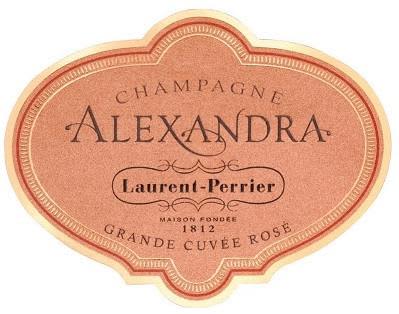
Some exceptions exist, particularly with premium varieties from specific regions, such as Provence or high-quality Sangiovese. These can develop intriguing complexities when cellared properly. I suggest monitoring the characteristics of a bottle, as factors like acidity and tannin structure play significant roles in its longevity.
To truly appreciate the nuances of aged options, consider tasting vertical selections from reputable wineries. This approach provides insight into how these products evolve. Always keep in mind that proper storage conditions, including temperature control and minimizing light exposure, are essential for any ageing process.
Does Rose Wine Improve Over Time?
I recommend consuming most pink beverages within a couple of years after bottling. The freshness and fruitiness tend to diminish significantly after this period. A few exceptions may exist, particularly for those crafted with premium grapes or specific vinification methods.
Here are some key factors to consider:
- Type of Grapes: Varietals like Grenache or Syrah can lend themselves to longer cellaring, while others may not.
- Production Techniques: Wines made through more complex processes, such as oak aging, may have a better chance of developing interesting flavors over time.
- Acidity Levels: Higher acidity can contribute to longevity, allowing the beverage to maintain its freshness longer.
- Storage Conditions: Optimal storage is crucial. A consistent, cool environment away from light is necessary for preserving quality.
In my experience, enjoying these beverages young typically showcases their vibrant characteristics. If you possess a bottle with a reputable pedigree, it may be worthwhile to experiment with aging to discover how its profile evolves. Always trust your palate and preferences in deciding when to uncork a bottle.
Understanding the Aging Process of Rose Wine
Aging can significantly influence the characteristics of this type of beverage. It is crucial to recognize that not all varieties benefit from prolonged storage. Typically, lighter styles are best enjoyed within the first couple of years, while certain blends may develop a more complex profile over time.
The primary factors affecting the maturation include acidity, sugar content, and tannin levels. High acidity levels often contribute to a longer lifespan, allowing the beverage to evolve gracefully. Conversely, lower acidity can lead to quicker deterioration, making early consumption preferable.
Temperature and light exposure are critical during the maturation process. Consistent, cooler temperatures are ideal, as fluctuations can disrupt the delicate balance of flavors. Dark storage conditions protect the liquid from light, which can cause unwanted chemical reactions.
Oxidation plays a pivotal role in developing flavors. A small amount of oxygen exposure can enhance aromas and textures, but excessive exposure might lead to spoilage. Sealing methods, such as cork versus screw caps, can affect the rate of oxidation and, consequently, the final profile of the beverage.
Ultimately, personal preference dictates the ideal time for consumption. Some may appreciate the fresh and fruity notes of youth, while others may seek the layered complexity that comes from a few years of resting. Always taste regularly if you choose to age a bottle, as this will guide your decisions for future selections.
Factors Influencing the Aging Potential of Rose Wine
Quality of the grapes plays a significant role in determining how long a bottle can mature. High-quality fruit, sourced from well-maintained vineyards, typically possesses the necessary acidity and sugar levels needed for longevity.
Acidity and Sugar Content
Acidity acts as a natural preservative. A well-balanced acidity enhances freshness and allows for gradual development over time. Sugar content, particularly in sweeter varieties, can also contribute to aging potential, as it provides a foundation for transformation.
Environmental Conditions
Storage environment significantly impacts development. Temperature stability is critical; ideally, keep bottles at around 50-55°F (10-13°C). Humidity levels should be maintained at 70% to prevent cork deterioration. Light exposure must be limited, as UV rays can negatively influence flavors and aromas.
Winemaking techniques also matter. Techniques such as skin contact duration and fermentation methods can enhance complexity and aging capability. Bottles sealed with high-quality corks are preferable, as they allow controlled oxygen ingress, which is necessary for maturation.
Finally, specific varietals exhibit different aging capabilities. Some blends, particularly those with higher tannin levels or notable structure, can evolve beautifully over time, while lighter styles may be best enjoyed fresh.
Comparing Aging Potential of Rosé to Red and White Varieties
The aging capacity of rosé is generally less than that of red varieties, yet it can surpass many whites. While red types benefit from tannins and structure, which enhance their longevity, rosé is crafted for immediate enjoyment.
Aging Characteristics
Here’s how aging differs among these three categories:
- Red Types: Rich in tannins, they develop complex flavors over time. Ideal for cellaring, many can evolve beautifully for a decade or more.
- White Types: Generally enjoyed young, though some, like full-bodied whites, can mature. Their aging potential often relies on acidity and residual sugar.
- Rosé Varieties: Typically bottled early for freshness, they are best consumed within 1-3 years. Certain premium offerings may evolve positively for longer periods.
Flavor Development
The flavor profile transformation is distinct:
- Red Varieties: Transition from fruity to earthy notes, showcasing layers of complexity.
- White Types: Often shift from crisp to creamy, developing nutty or buttery characteristics.
- Rosé Varieties: May see subtle shifts in fruit expression, becoming more nuanced, but typically retain their refreshing quality.
In summary, while rosé does not possess the same aging capacity as reds, it can still offer delightful surprises if stored properly. The key is to select quality bottles, as these are more likely to improve over time compared to standard offerings.