
 Chuck Furuya
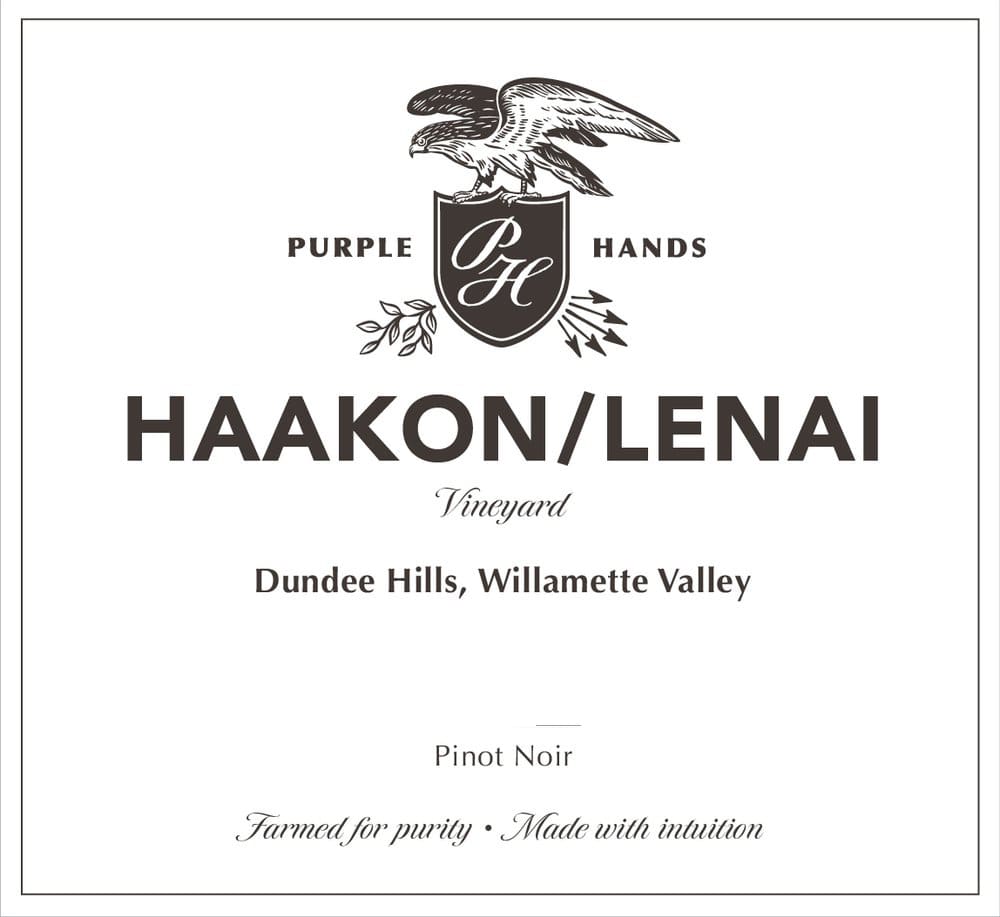

For those seeking a varietal with minimal chemical additions, I recommend trying Pinot Noir from organic vineyards. Many producers in regions like Oregon and Burgundy focus on sustainable practices, often resulting in lower levels of preservatives.
Another excellent choice is Grenache, particularly from Spain. Certain bottles labeled as “natural” or “low intervention” contain fewer additives, making them a suitable option for sensitive drinkers.
Look for brands that specifically state their low sulfite content on the label. A few boutique wineries are dedicated to crafting beverages with significantly reduced chemical levels, ensuring a purer tasting experience.
Optimal Choices for Low Sulfite Options
I recommend looking into organic varieties, as they typically contain lower levels of additives. A few standout options include wines from producers like Bonterra and Frey Vineyards. Both brands are known for their commitment to minimal intervention in the winemaking process, resulting in products with significantly reduced sulfites.
Another excellent choice is a natural wine, often produced with minimal chemical usage. Look for offerings from regions like Beaujolais, where winemakers frequently employ traditional methods that limit sulfite addition. Wines labeled as “no added sulfites” are also worth considering, as they tend to be more approachable for those sensitive to these compounds.
If seeking specific varietals, consider Pinot Noir or Grenache, which often have lower sulfite levels compared to more robust selections. Always check the wine label for sulfite content, as this varies by producer and region.
Visiting local wineries can provide you with direct options and insights from the producers themselves, enabling you to find selections that align with your preferences regarding sulfites.
Understanding Sulfites in Red Wine
To minimize exposure to sulfites, I recommend seeking out organic or biodynamic options, as these often contain fewer additives. Additionally, wines with a low residual sugar content typically require less sulfite for preservation.
Key Factors Affecting Sulfite Levels
Several elements influence the sulfite concentration in fermented beverages. Here are some aspects to consider:
- Origin: Regions with strict regulations often produce beverages with lower sulfite levels.
- Winemaking techniques: Natural fermentation methods often lead to decreased sulfite use.
- Grape variety: Some grape types are more resistant to oxidation, allowing for lower sulfite addition.
Comparison of Popular Varieties
Here’s a table that outlines typical sulfite levels in various types of wines:
| Type | Sulfite Level (ppm) |
|---|---|
| Organic | 10-70 |
| Biodynamic | 20-80 |
| Conventional | 50-350 |
Understanding these specifics enables me to make more informed choices while selecting bottles, ensuring a more enjoyable tasting experience without excessive additives.
Top Red Wines with Low Sulfite Levels
For those seeking options with minimal additives, consider Pinot Noir from organic vineyards. Varieties labeled as “natural” often contain lower levels of preservatives, enhancing the fruit’s natural profile. Look for producers like Domaine de la Côte, known for their commitment to sustainable practices.
Recommendations
Another excellent choice is Grenache, particularly from regions like Châteauneuf-du-Pape where winemakers prioritize minimal intervention. Wines from Château de Beaucastel are frequently cited for their reduced chemical use. Also, explore varietals from smaller, biodynamic producers who emphasize purity.
Notable Producers
Consider sourcing from wineries like La Clarine Farm. Their blends tend to reflect a philosophy of low intervention, resulting in a cleaner taste. Similarly, look into the offerings from Fable Farm, which showcases unique terroirs while maintaining lower chemical levels. Both producers exemplify a commitment to natural winemaking.
How to Identify Low-Sulfite Options
To pinpoint options with minimal preservatives, check labels for specific details. Look for phrases like “no added sulfites” or “low sulfites.” Many producers voluntarily disclose sulfite levels, so brands that provide this information are preferable.
Key Indicators
- Look for organic certification, as these often contain fewer additives.
- Regions known for minimal intervention practices, such as certain areas in France or Italy, tend to produce options with lower levels.
- Seek out smaller, boutique producers who prioritize natural fermentation methods.
Additional Tips
- Inquire with local retailers or wine shops; they often have knowledgeable staff.
- Join wine-tasting events focusing on organic or natural varieties to expand your palate.
- Research online forums and communities dedicated to low-preservative beverages for recommendations.
By using these strategies, I have successfully discovered several enjoyable selections that align with my preferences for minimal preservatives.


