
 Chuck Furuya
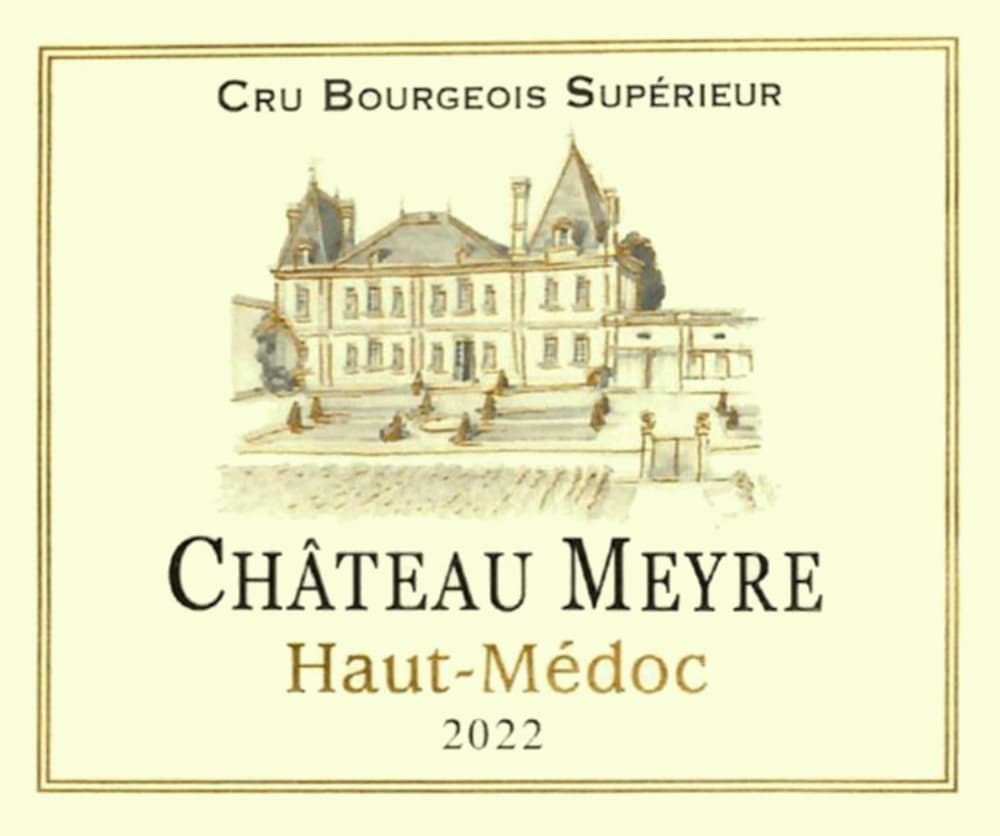
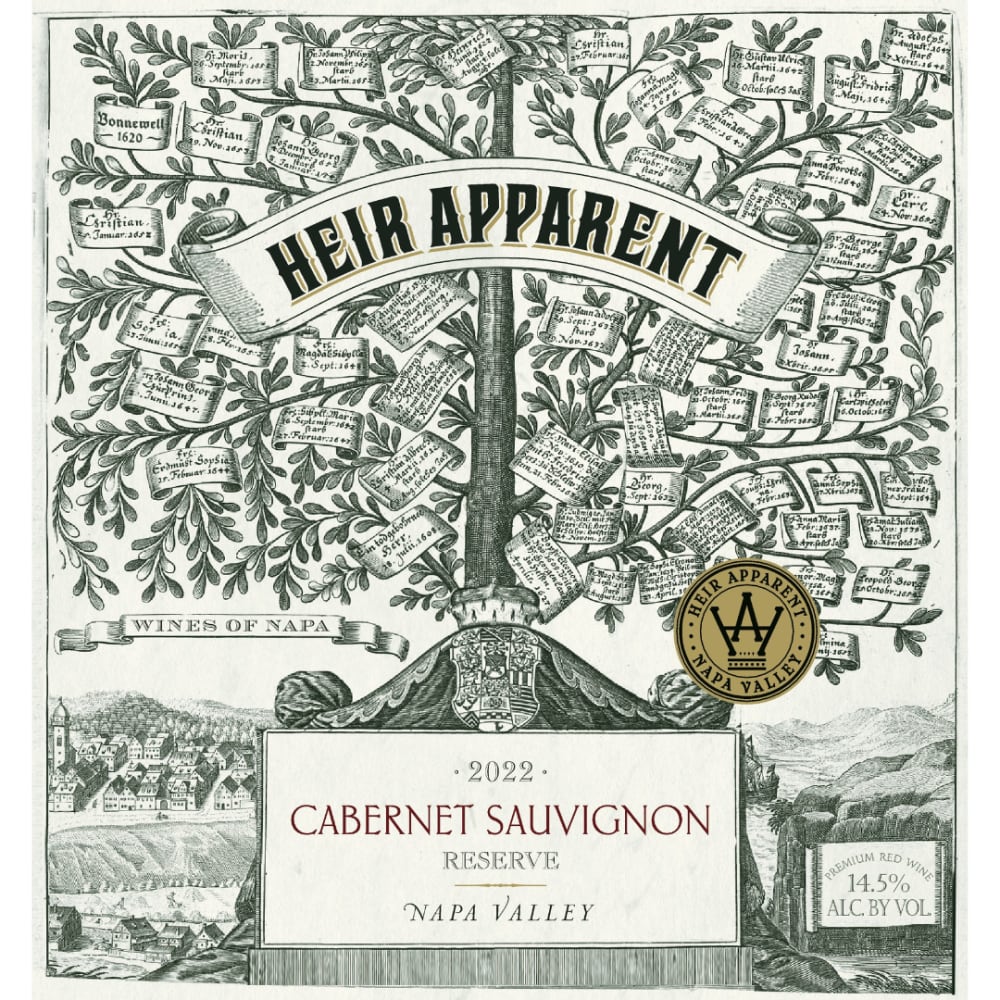

To comprehend the terminology associated with these deep-hued beverages, one must first consider the grape variety used in production. Notably, the name often reflects the type of grape from which it is crafted, such as Cabernet Sauvignon, Merlot, or Pinot Noir. Each varietal carries distinct characteristics, influencing flavor profiles and aromas, which enthusiasts should keep in mind while selecting their next bottle.
Another significant factor in nomenclature involves the region of origin. Terms like Bordeaux or Chianti indicate not just a geographical location but also a specific style and set of regulations governing the crafting process. This can guide choices based on personal preferences for taste and texture, making regional names a vital aspect of understanding these beverages.
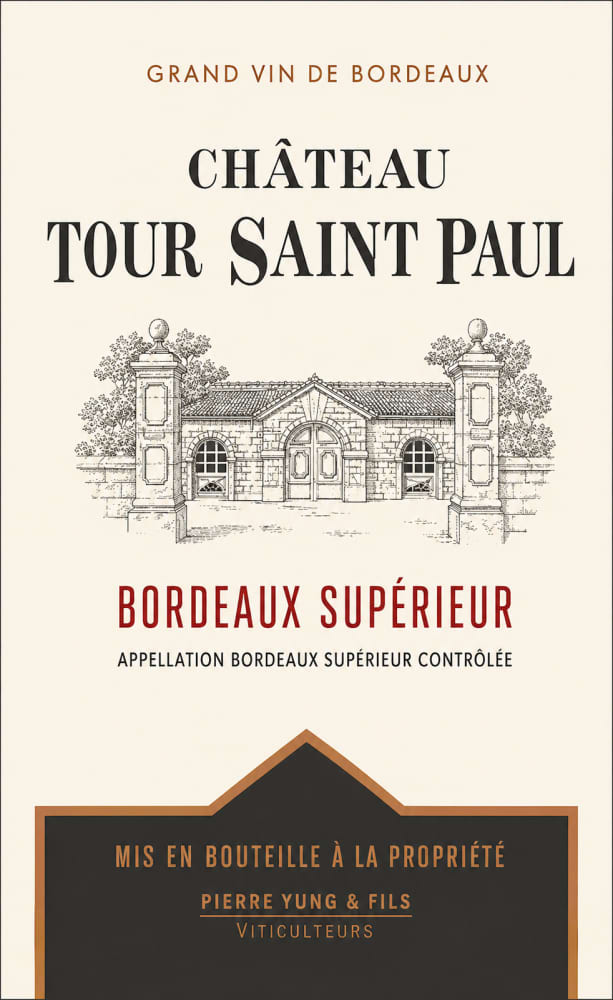
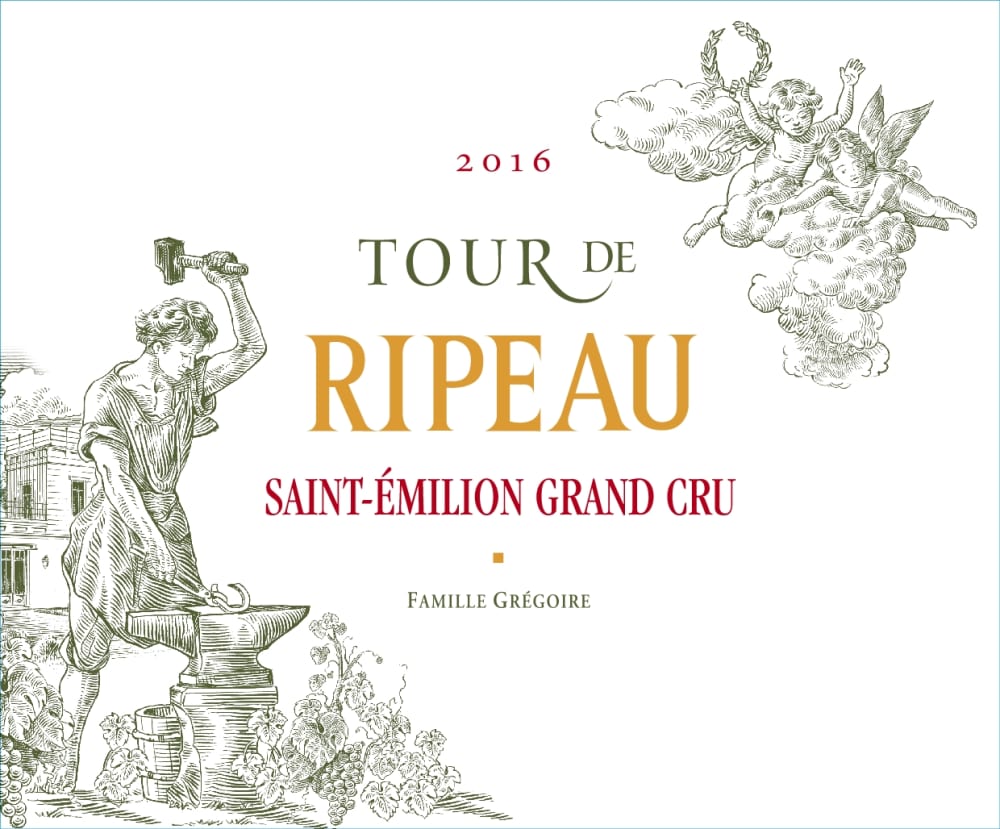
Additionally, some labels reference the winemaker or vineyard, providing insight into the craftsmanship behind each bottle. This personal touch can be invaluable, as it often reflects the philosophy and techniques employed during production. When exploring options, consider these names as a window into the quality and care that went into creating the experience within each glass.
Understanding the Role of Grape Varieties in Wine Names
Identifying grape types is fundamental for recognizing the character of a bottle. Each variety carries distinct flavors, aromas, and textures, influencing the label’s identity. Here are key points to consider:
- Single Variety Labels: Wines that feature one grape prominently, such as Cabernet Sauvignon or Merlot. These names reflect the primary grape used, offering clarity about the expected taste profile.
- Blends: Often, producers blend multiple grapes to create complexity. Names might include dominant varieties followed by additional components, such as “Cabernet Sauvignon Blend,” which indicates a prominent grape with others included.
- Regional Influences: Locations also play a role. For example, a Chianti primarily consists of Sangiovese, while a Bordeaux blend typically features Cabernet Sauvignon and Merlot. Understanding the region can hint at the grape types involved.
- Cross-Varietal Names: Some labels use terms like “field blend,” indicating a mix of grapes harvested together. This approach can lead to unique flavor profiles and nuances in the final product.
Grasping grape varieties enhances appreciation and guides selections, making it easier to find bottles that resonate with personal preferences.
The Influence of Terroir on Wine Naming Conventions
Understanding the unique characteristics of a specific region can greatly enhance wine labels. Terroir, encompassing soil, climate, and topography, plays a crucial role in defining the identity of a beverage. Regions like Bordeaux and Burgundy are synonymous with their distinct flavors, which directly influences how they are marketed and recognized. For instance, wines from Napa Valley often highlight the geographical appellation on their labels, showcasing the local terroir’s impact on taste.
In some cases, the name of a wine may reference the vineyard or specific plot where the grapes were cultivated. This practice serves not only to indicate quality but also to create a connection between the product and its origin. For example, the famous Château Margaux reflects both the estate’s heritage and the unique terroir that imparts specific flavor profiles to its offerings.
Environmental factors are also critical; variations such as elevation and proximity to bodies of water can significantly affect grape development. Regions known for cooler climates, like Oregon’s Willamette Valley, often produce lighter-bodied varieties that are distinctly marked in their naming conventions, emphasizing their terroir-driven characteristics.
Additionally, some winemakers choose to incorporate local terminology into their branding, creating a sense of place. This adds an element of storytelling to the label, allowing consumers to appreciate the origins of what they are drinking. The integration of local dialects or historical references into wine names not only enhances authenticity but also appeals to those seeking a deeper connection to their choices.
In short, the synergy between terroir and naming conventions enriches the consumer experience, inviting exploration and appreciation of the nuances that different regions offer. Choosing a bottle that highlights its geographical roots can lead to a more informed and enjoyable tasting experience.
Exploring the Impact of Winemaking Techniques on Wine Names
To appreciate the nuances in naming, I focus on specific winemaking techniques that directly influence the titles of the bottles. For instance, the method of fermentation–such as carbonic maceration–often leads to a distinctive naming convention. Wines produced this way may highlight the term “carbonic” in their title, indicating a particular style and flavor profile.
Barrel aging techniques also play a significant role. Wines matured in oak barrels might feature “barrel-aged” or the type of wood used, like “French oak,” in their labels. This not only informs consumers about the aging process but also suggests complexity and depth in flavor.
Additionally, blending techniques can affect nomenclature. A wine that combines multiple varietals may carry a name that reflects its blend, such as “GSM” for Grenache, Syrah, and Mourvèdre. This approach informs consumers about the composition, which can entice those seeking specific flavor experiences.
Furthermore, the use of traditional methods like “Méthode Champenoise” for sparkling varieties can impart prestige to the name. This term indicates the meticulous process of secondary fermentation in the bottle, elevating the wine’s perceived quality.
Ultimately, understanding these winemaking techniques enhances my appreciation for the clever naming strategies employed by producers. Each label tells a story about the craftsmanship behind the bottle, offering insights into the flavors and experiences waiting within.
Identifying Regional Regulations Affecting Wine Names
Familiarize yourself with the specific regulations governing wine nomenclature in various regions. For instance, the European Union has stringent rules that dictate the use of certain terms and classifications, such as AOC in France or DOC in Italy. These designations often require adherence to specific production methods, grape varieties, and geographical boundaries.
In the United States, the American Viticultural Area (AVA) system allows for more flexibility, yet still mandates that at least 85% of the grapes come from the designated region for the name to be used. Understanding these regulations is crucial for both producers and consumers, as they significantly influence labeling and marketing strategies.
Research individual country laws to grasp how local customs and historical practices affect naming conventions. For example, in Spain, the term “Reserva” implies specific aging requirements, impacting how wines are marketed. Be aware of these nuances as they can greatly enhance your appreciation and understanding of the bottle you are considering.
Engage with local wine authorities or associations to stay updated on any changes or new regulations that may arise. This proactive approach can provide insights into emerging trends and shifts in naming practices, ensuring you remain informed in a dynamic market.
Vintage Year Contribution to Wine Labeling
The vintage year plays a significant role in the identification and classification of a bottle. It indicates the year the grapes were harvested, which directly influences the taste and quality of the liquid inside. When I see a vintage on a label, I immediately assess the climatic conditions of that year, as they can vary widely from one season to another, affecting the overall character of the beverage.
Weather patterns, such as temperature, rainfall, and sunlight, during the growing season shape the ripeness and flavor profile of the grapes. For example, a particularly hot summer may lead to grapes with higher sugar levels, resulting in a bolder and more robust drink. In contrast, a cooler year might yield grapes with more acidity, producing a lighter and fresher taste.
Some regions pride themselves on specific vintages that are celebrated for their exceptional quality. I often look for critical reviews or ratings associated with a vintage. This information can provide insight into the expected taste and aging potential. Labels may highlight these years to attract consumers seeking premium options.
Furthermore, vintage variance can also influence the price point. Bottles from acclaimed years typically command higher prices due to demand and perceived quality. I recommend researching past vintages from a particular winery to understand how they evolve over time and which years are regarded as outstanding.
In summary, examining the vintage year is crucial for making informed choices, as it encapsulates the unique characteristics imparted by that specific harvest. The insights gained from this detail enhance my appreciation and selection of bottles for my collection or dining experience.
The Significance of Proprietary Names in Red Wine Branding
Proprietary names play a pivotal role in differentiating products in the competitive wine market. These unique labels often reflect the vision and style of the producer, allowing them to create a distinct identity for their offerings. When selecting a proprietary name, I focus on its memorability and connection to the wine’s character.
Many wineries leverage proprietary names to evoke a sense of place or heritage. For instance, a name might draw inspiration from local history, folklore, or even the winemaker’s personal journey. This storytelling aspect enhances consumer engagement, making it more likely that a buyer will remember and seek out the bottle again.
Additionally, proprietary names can signal quality and exclusivity. I often notice that wines with unique labels tend to attract attention in tasting events and retail environments. A well-crafted name can suggest craftsmanship and innovation, setting the stage for a premium experience.
Moreover, trademarking these distinctive titles helps producers protect their brand from imitation. In a market saturated with options, a strong proprietary name can establish a loyal customer base, as consumers often gravitate towards recognizable brands they trust.
In my experience, successful proprietary names often blend creativity with clarity. They should resonate with the intended audience while providing insight into the wine’s essence. This balance is what ultimately elevates a product in a crowded marketplace.
FAQ:
What are the main factors that influence the naming of red wines?
The naming of red wines is primarily influenced by the grape variety used, the region where the grapes are grown, and the specific winemaking practices employed. For instance, a wine might be named after the grape, such as Cabernet Sauvignon or Merlot. Alternatively, it might take its name from the region, such as Bordeaux or Chianti, which are both tied to specific styles and characteristics associated with those areas. Additionally, some wines are branded with unique names created by the winemaker, which can reflect the wine’s personality or the winery’s philosophy.
How does the region affect the name of a red wine?
The region plays a significant role in the naming of red wines due to the concept of terroir, which encompasses the geography, climate, and soil where the grapes are cultivated. Regions often have specific regulations regarding the types of grapes that can be grown there and how the wines can be produced. For example, a wine labeled as “Barolo” must be made from the Nebbiolo grape in the Barolo region of Italy. This geographical indication not only informs consumers about the wine’s origin but also suggests certain quality standards and flavor profiles associated with that location.
What is the difference between varietal and non-varietal naming in red wines?
Varietal naming refers to wines that are named primarily after the grape variety used to make them, such as Syrah or Pinot Noir. In contrast, non-varietal naming often involves designations based on the region or a proprietary name that does not directly indicate the grape type. For instance, some blends from Bordeaux may be labeled simply as “Bordeaux” without specifying the grape varieties involved. This distinction can inform consumers about what to expect in terms of taste and style, as varietal wines typically showcase the characteristics of a single grape type.
Are there any legal regulations regarding the naming of red wines?
Yes, there are legal regulations that govern the naming of red wines, particularly in regions that have established appellation systems. These regulations ensure that wines labeled with specific geographic names adhere to certain production standards, including grape varieties, vineyard practices, and aging requirements. For example, the United States has the American Viticultural Area (AVA) system, while Europe has the Appellation d’Origine Contrôlée (AOC) system. These regulations help maintain quality and protect the integrity of the wine’s identity, providing consumers with reliable information about what they are purchasing.
Can winemakers create their own unique names for red wines?
Yes, winemakers often create unique names for their red wines, especially if they produce a blend that doesn’t conform to traditional naming conventions. These proprietary names allow winemakers to express their creativity and differentiate their products in a competitive market. A unique name can reflect the wine’s character, the winery’s philosophy, or even a personal story behind the creation of the wine. However, these names still fall under legal guidelines to ensure they are not misleading regarding the wine’s origin or composition.
What factors influence the naming of red wines?
The naming of red wines is influenced by several factors, including the grape variety used, the region where the grapes are grown, and the winemaking techniques employed. For instance, a wine made primarily from Cabernet Sauvignon grapes is often labeled as such, highlighting the grape’s characteristics. Additionally, names can reflect the geographical origin, such as Bordeaux or Chianti, which indicate specific styles and traditions associated with those areas. Winemakers may also use creative branding strategies to give their wines unique names that appeal to consumers.
Are red wines named after their grape variety or region?
Red wines can be named after either their grape variety or the region they come from, and the choice often depends on the wine’s tradition and marketing strategy. In some cases, like Cabernet Sauvignon or Merlot, the grape variety takes precedence in the name, emphasizing the traits of the specific grape. In other instances, wines are named after the region, such as Burgundy or Rioja, which conveys a sense of the wine’s origin and style. Many regions also have specific regulations that dictate how wines can be labeled, further influencing the naming process.
What does a wine label typically indicate about the wine?
A wine label provides essential information that helps consumers understand what to expect from the wine. It usually includes the wine’s name, producer, vintage, and alcohol content. The label may also indicate the grape variety, region of origin, and any classifications or quality designations. For example, a label that states “Napa Valley Cabernet Sauvignon” informs the buyer that the wine is made from Cabernet Sauvignon grapes grown in Napa Valley, a region known for its high-quality wines. This information helps consumers make informed choices based on their preferences.


