Chuck Furuya
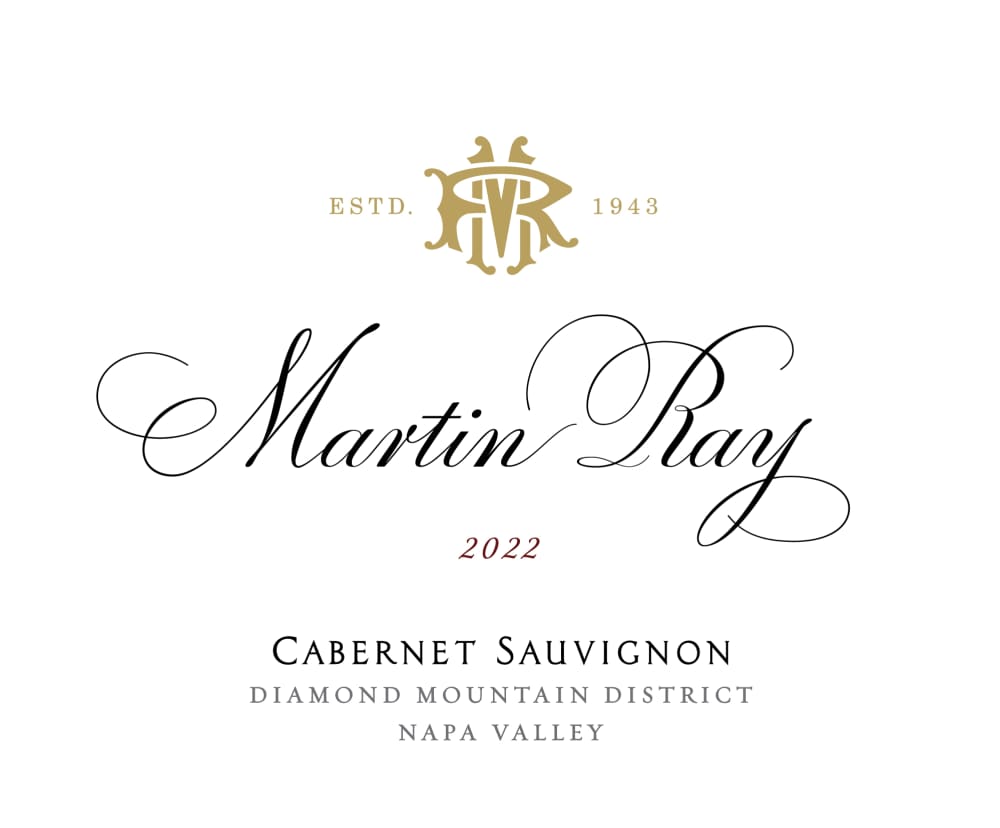
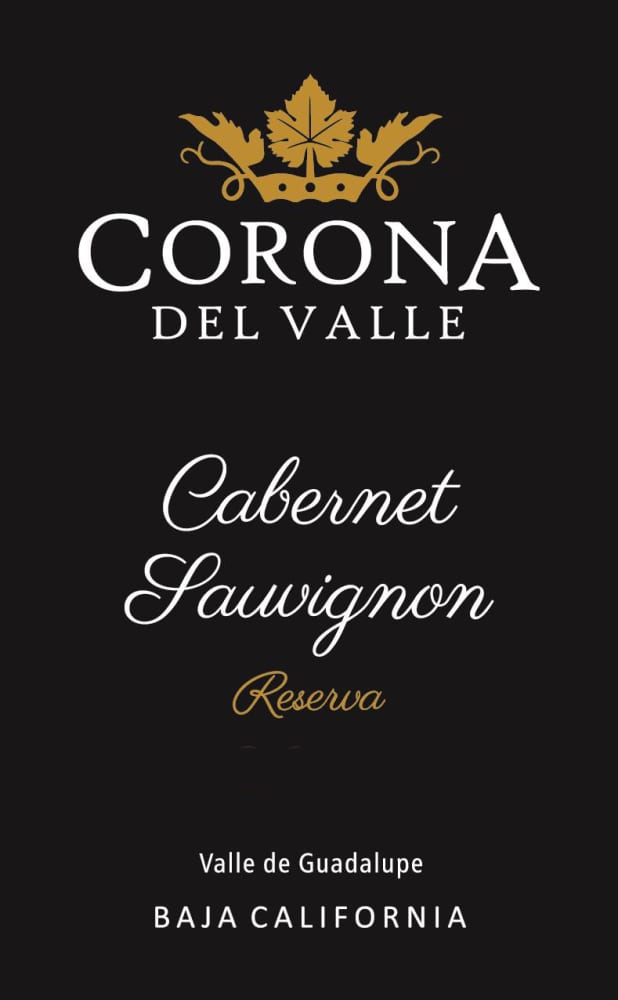
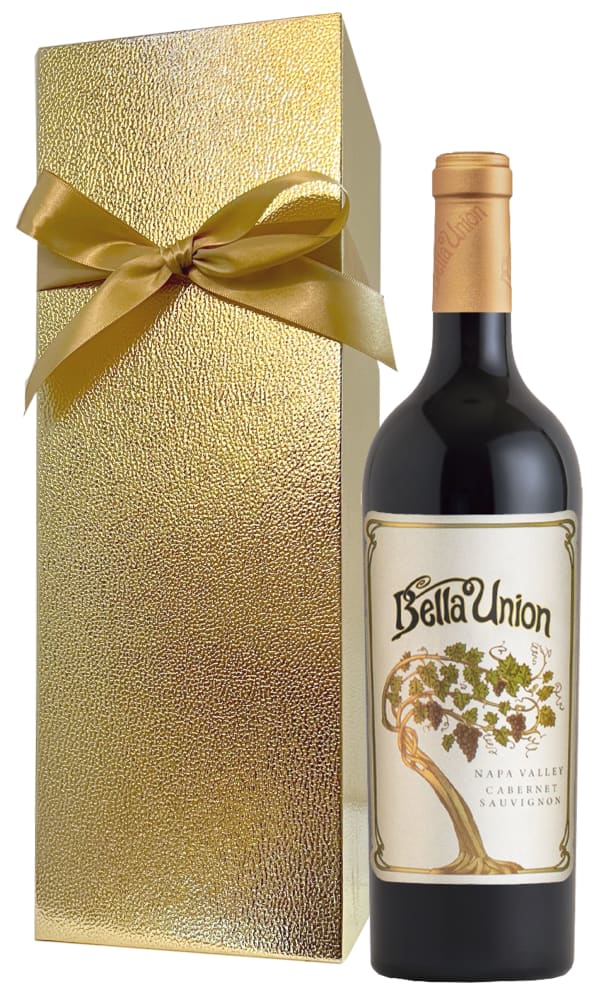

For those seeking a more astringent experience, I recommend opting for Cabernet Sauvignon over Merlot. The former typically showcases a greater tannin structure and lower residual sugar content, resulting in a bolder and drier profile.
In my tastings, I have consistently found that Cabernet exhibits pronounced notes of blackcurrant and bell pepper, which contribute to its perception as a less sweet option. Merlot, on the other hand, often presents softer fruit flavors, such as plum and cherry, leading to a smoother, more rounded profile that can feel fruitier and slightly sweeter.
When selecting a bottle, look for Cabernet blends that emphasize varietal characteristics. If you prefer to explore Merlot, seek those labeled as “Reserve” or from regions known for producing more structured wines, as these can offer a drier experience than typical offerings.
Which Red Wine is Drier: Merlot or Cabernet?
Cabernet Sauvignon typically exhibits a drier profile than its counterpart. This grape variety tends to have higher tannin levels, contributing to a more astringent taste that can sometimes overshadow the sweetness of residual sugars. In contrast, the flavor profile of Merlot often leans towards fruitier notes, which can make it feel smoother and slightly sweeter, despite similar sugar content.
For those seeking a wine with less perceived sweetness, Cabernet Sauvignon is the preferable choice. Its robust character often pairs well with rich dishes, enhancing the overall dining experience. If you prefer something with softer tannins and a more approachable taste, Merlot might be more suitable, but it may not satisfy the craving for a drier option.
In blind tastings, many enthusiasts note that the astringency of Cabernet can create an impression of dryness, making it a popular option among those who appreciate a bold flavor. I recommend experimenting with both to identify personal preferences, particularly in different food pairings.
Understanding Dryness in Wine
To assess the dryness of different varieties, I focus on sugar levels and the fermentation process. A wine is considered dry if it has low residual sugar, usually below 1 gram per liter. Both popular varietals can fall into the dry category, but the perception of dryness varies widely based on individual palate preferences.
Key Factors Influencing Perceived Dryness
- Residual Sugar: The amount of unfermented sugar left in the bottle significantly affects how we perceive sweetness. Lower residual sugar results in a drier taste.
- Tannins: High tannin levels can enhance the perception of dryness. Tannins create astringency, which can mask any residual sugar present.
- Acidity: Higher acidity balances sweetness, making a beverage taste drier. A sharp acidity can cut through sweetness, altering perception.
- Alcohol Content: Higher alcohol levels can contribute to a fuller body, which may also affect the overall sensation of dryness.
Choosing Based on Personal Preference
When selecting a bottle, I recommend considering these factors. For example, if I prefer a more astringent profile, I lean towards selections with higher tannins. If I enjoy a brighter acidity, I opt for those that showcase this characteristic. Ultimately, tasting a variety of options is the best way to determine which profile aligns with my palate.
Merlot Characteristics and Flavor Profile
Merlot typically showcases a smooth profile that is characterized by soft tannins and a medium body. The flavor notes are often described as plum, black cherry, and raspberry, creating a luscious and approachable taste experience. I find the wine can also exhibit hints of chocolate, bay leaf, and vanilla depending on the aging process and oak treatment. This complexity makes it versatile for pairing with various dishes.
Aging Potential
The aging potential of Merlot varies widely. While some are crafted for immediate enjoyment, higher-quality examples can develop richer flavors over time. I recommend seeking bottles that have been aged in oak barrels, as this can enhance the wine’s overall profile, adding depth and spice.
Food Pairings
Pairing this variety with food is straightforward due to its balanced nature. Grilled meats, hearty pastas, and even dishes featuring mushrooms complement its fruit-forward characteristics. When selecting a meal, I suggest considering the sauce and seasoning, as the wine’s fruitiness can either enhance or overpower the dish.
| Flavor Notes | Common Pairings |
|---|---|
| Plum | Grilled Lamb |
| Black Cherry | Pasta with Marinara |
| Chocolate | Duck Breast |
| Vanilla | Stuffed Peppers |
Cabernet Sauvignon Characteristics and Flavor Profile
This variety is known for its bold and robust character. The flavor profile is rich, featuring dark fruits like blackberry, black cherry, and plum. Secondary notes often include green bell pepper, cedar, tobacco, and sometimes a hint of vanilla from oak aging.
Here are the main characteristics:
- Aroma: Intense scents of dark berries, herbs, and spices.
- Tannins: Firm and structured, providing a backbone that allows for aging.
- <strong.Acidity: Moderate levels, contributing to balance and freshness.
- <strong.Body: Full-bodied, offering a rich mouthfeel.
- <strong.Alcohol Content: Typically between 13.5% and 15%, enhancing the wine’s intensity.
Food pairings that complement this variety include grilled meats, hearty stews, and aged cheeses. The tannins work exceptionally well with protein-rich dishes, softening and enhancing flavors.
In terms of aging potential, this variety can develop complex flavors over time. Notes of leather, earthiness, and dried fruit may emerge, adding depth to the experience. Aged bottles can present more nuanced aromas and flavors, making them highly sought after by enthusiasts.
Regions known for producing exceptional bottles include Bordeaux, Napa Valley, and Coonawarra. Each terroir imparts unique traits, allowing for diverse expressions of this variety.
Comparing Sugar Content in Merlot and Cabernet
Based on my experience, Cabernet Sauvignon typically contains lower residual sugar levels compared to Merlot. On average, the residual sugar in Cabernet can range from 0.1 to 0.5 grams per liter, while Merlot often measures between 0.5 to 1.0 grams per liter. This difference contributes to the perception of sweetness and overall mouthfeel.
For those seeking a less sweet option, Cabernet is the preferred choice. Its drier profile can enhance its tannic structure and bold flavors, creating a more robust tasting experience. Merlot, with its slightly higher sugar content, tends to exhibit a softer and fruitier character, appealing to those who enjoy a smoother palate.
When selecting a bottle, consider the specific producer and region, as these factors can influence sugar levels significantly. I suggest checking the label for detailed information, as some vintages may vary. If you prefer a more restrained sweetness, aim for a Cabernet from a cooler climate, as these often showcase a tighter fruit profile and lower sugar content.