Chuck Furuya
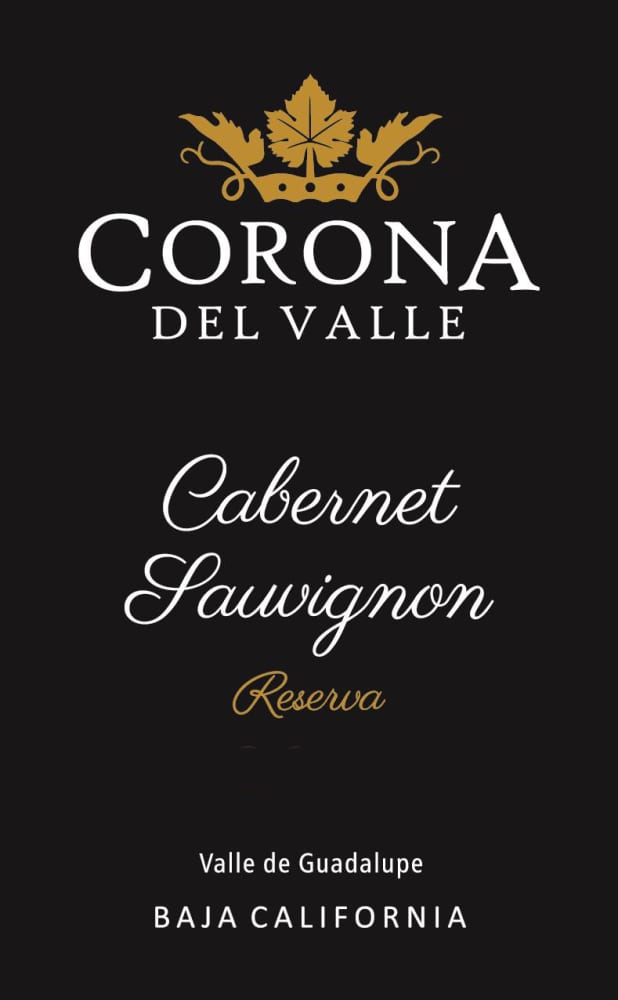
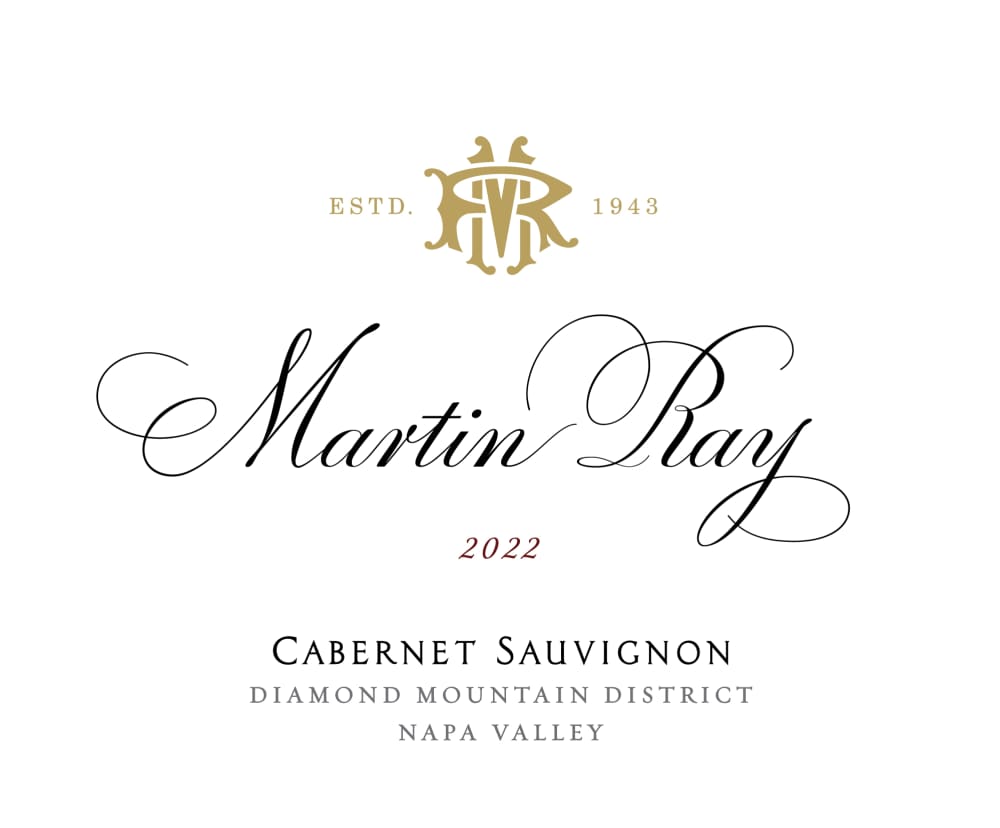
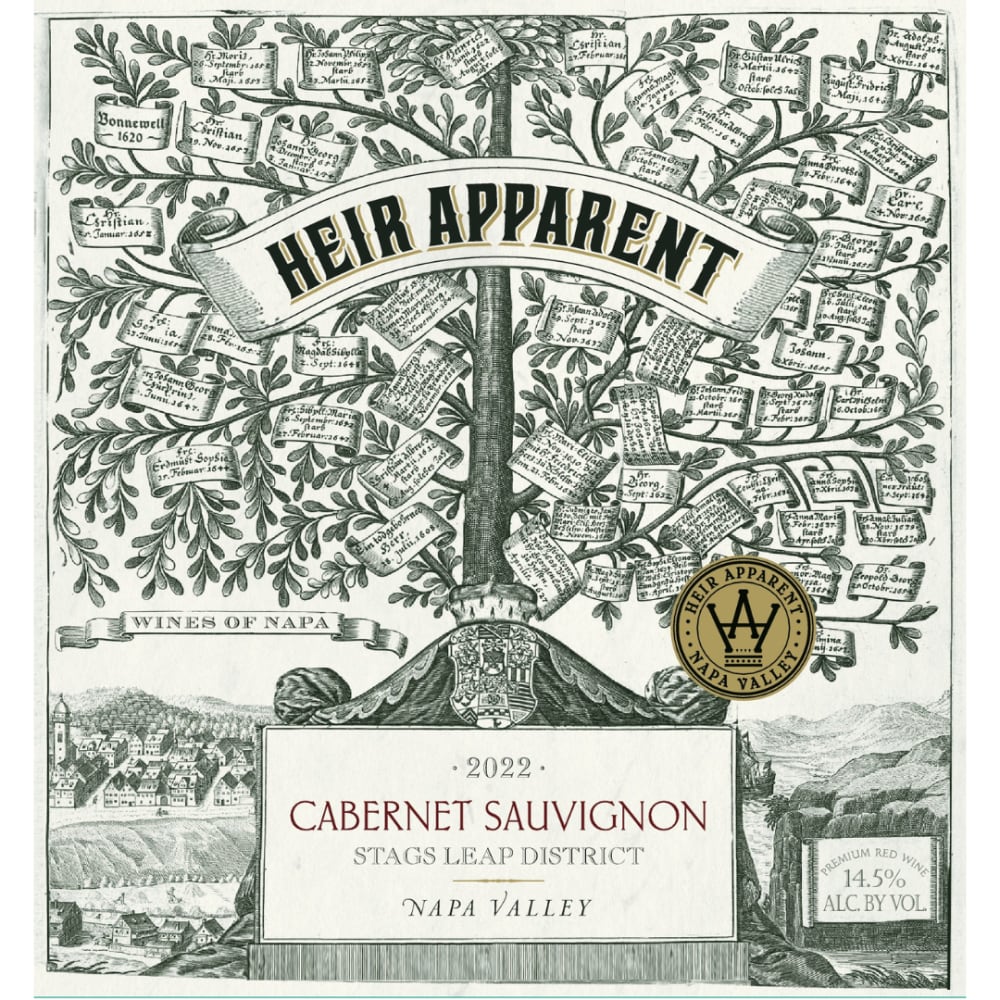
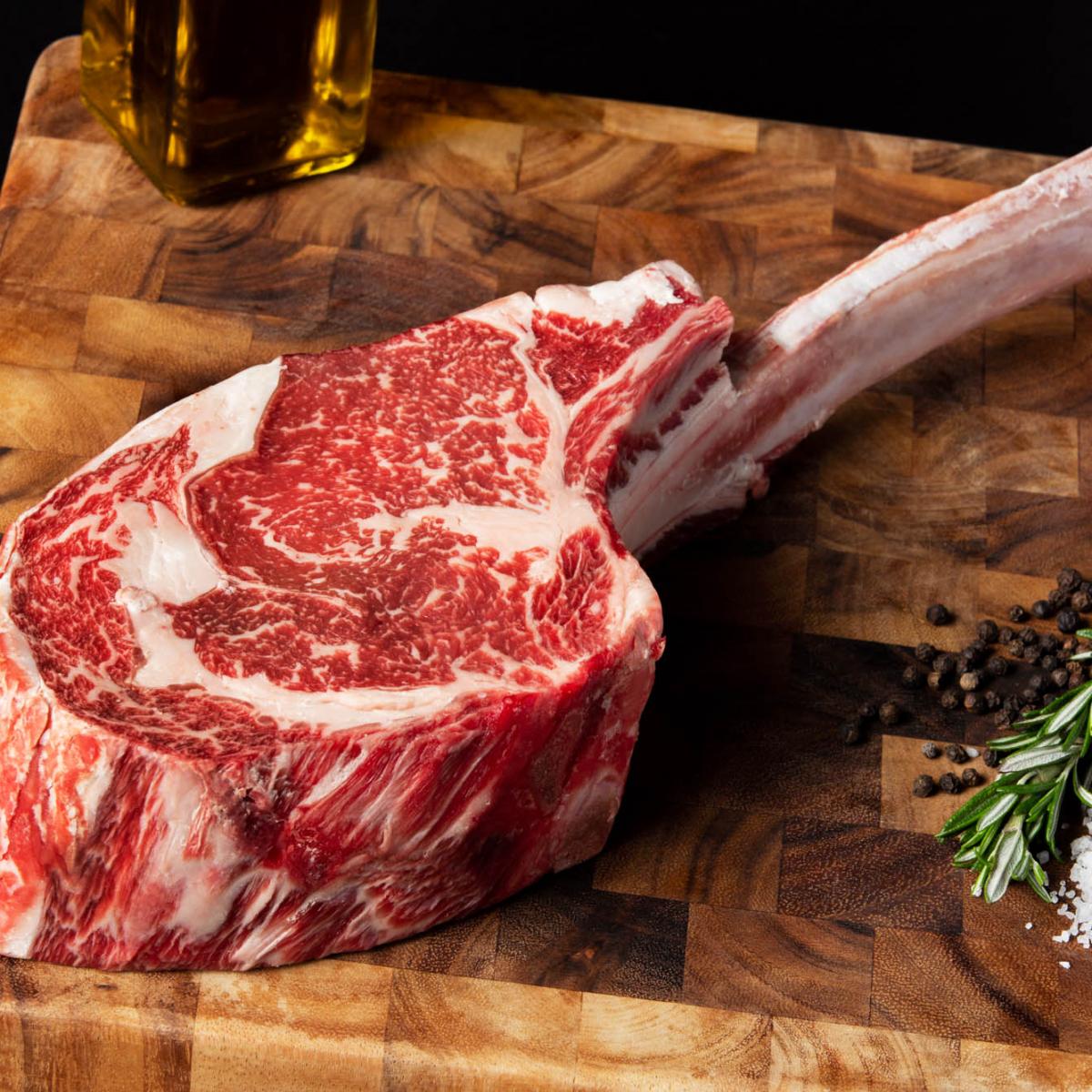
To enhance the flavors of your succulent beef roast, I recommend a full-bodied Cabernet Sauvignon. This choice brings forth rich tannins that complement the meat’s robust character, creating a balanced experience on the palate.
Alternatively, consider a Malbec, which offers dark fruit notes and a hint of spice. Its smooth texture pairs beautifully with the savory elements of the dish, elevating the overall dining experience.
If you prefer something a bit different, a Syrah can also be a fantastic match. Its bold flavors and peppery undertones harmonize with the caramelized crust of the roast, adding a delightful complexity.
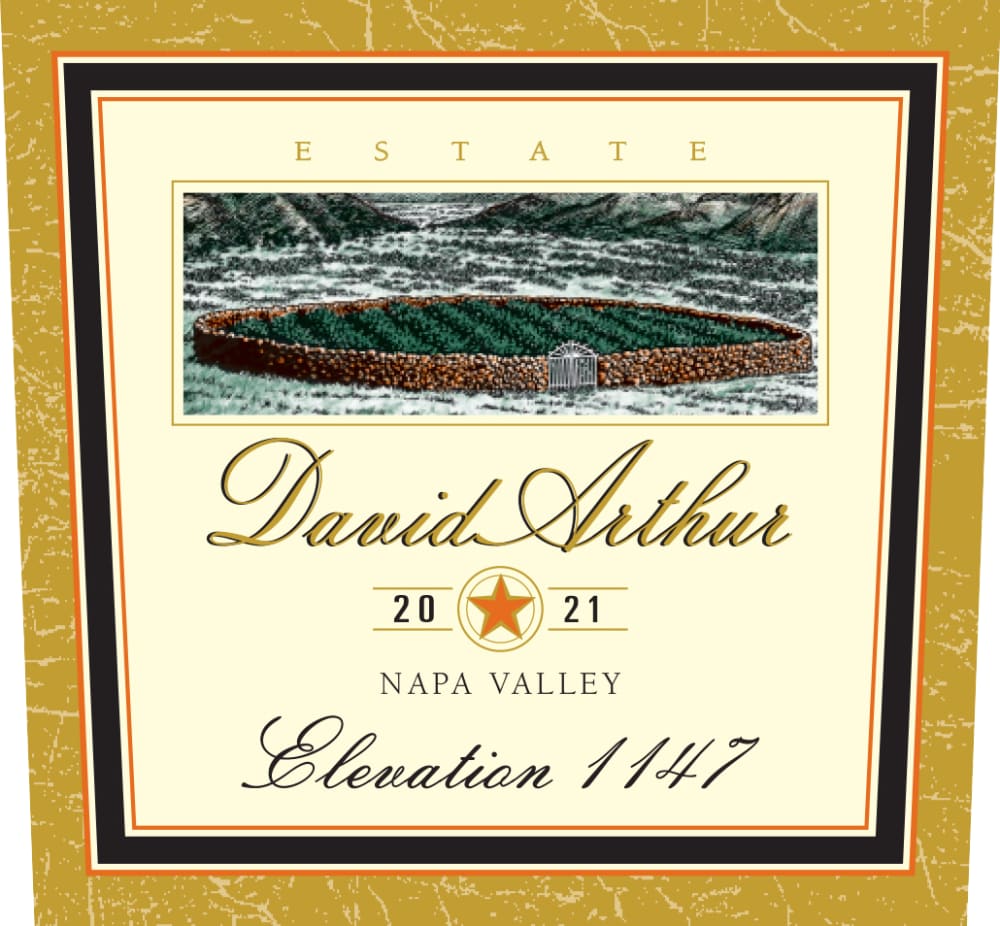
For those who enjoy a lighter option, a Pinot Noir provides an elegant contrast. Its acidity and red fruit notes can cut through the richness, refreshing the palate while still enhancing the dish’s flavors.
Choosing the Perfect Pairing
For an exquisite match, I highly recommend a full-bodied Cabernet Sauvignon. Its robust tannins and dark fruit notes complement the savory qualities of the meat beautifully.
Additional Options
- Malbec: Known for its rich flavors and smooth texture, it enhances the umami of the dish.
- Shiraz/Syrah: Offers a peppery profile that contrasts nicely with the beef’s richness.
- Bordeaux Blend: A combination of Merlot and Cabernet, this blend provides a balanced structure and complexity.
Serving Suggestions
Serve these selections at a temperature of around 60-65°F (15-18°C) to fully appreciate their flavors. Decanting for about 30 minutes can also enhance the tasting experience.
Understanding Flavor Profiles of Red Wines
For pairing with succulent roasted cuts, I often reach for full-bodied selections that complement the rich flavors. A Cabernet Sauvignon stands out due to its bold tannins and dark fruit notes, making it a perfect match for the savory elements of the dish. Another excellent choice is Syrah, known for its peppery undertones and hints of dark berries, enhancing the overall dining experience.
Key Flavor Components
When evaluating the taste characteristics of these selections, consider the following components:
| Type | Tasting Notes | Body | Tannins |
|---|---|---|---|
| Cabernet Sauvignon | Blackcurrant, Oak, Spice | Full | High |
| Syrah | Blackberry, Pepper, Smoke | Full | Medium-High |
| Malbec | Plum, Cocoa, Leather | Medium-Full | Medium |
Additional Pairing Suggestions
For a more adventurous pairing, I might opt for a Malbec. Its fruit-forward profile, combined with earthy undertones, can elevate the flavors of the roasted meat. Additionally, Zinfandel, with its jammy character and moderate acidity, provides a nice balance and can be particularly delightful alongside richer gravies or sauces.
Choosing the Right Tannin Level for Roast Beef
For pairing with succulent beef, I prefer options that showcase a medium to high level of tannins. Tannins, derived from grape skins and seeds, interact beautifully with the protein and fat in the meat, enhancing the overall experience.
Cabernet Sauvignon stands out as an excellent choice due to its robust tannic structure. The wine’s inherent richness complements the savory flavors of the meat, creating a harmonious balance. For a softer alternative, a Merlot offers a gentler tannin profile while still providing enough structure to stand up to the dish.
For those who enjoy a bit of adventure, a Syrah or Shiraz can introduce peppery and smoky notes, with tannins that are firm yet velvety, making it a delightful pairing. Conversely, Pinot Noir, with its lower tannin content, can work well if the beef is prepared with lighter sauces or seasoning, allowing the wine’s acidity to cut through the richness of the meat.
In summary, I lean towards wines with a balanced tannin level, ensuring they enhance rather than overpower the flavors of the beef. The right choice can elevate a meal, creating a memorable dining experience.
Exploring Regional Pairings: Bordeaux and Beyond
For an exquisite dining experience, a classic Bordeaux, particularly a Cabernet Sauvignon-dominated blend, proves to be a superb match for the rich flavors of prime cuts. The tannic structure and dark fruit notes complement the savory elements beautifully. Look for a bottle from Pauillac or Margaux regions, where the terroir enhances depth and complexity, creating an excellent harmony with the meal.
Venturing beyond Bordeaux, consider a robust Barolo from the Piedmont region of Italy. This Nebbiolo-based gem, rich in tannins and acidity, offers floral and earthy nuances that elevate the taste of the dish. The pairing highlights the umami qualities present in the meat, making each bite a delightful experience.
Another option is a Syrah from the Rhône Valley. The peppery and smoky undertones of a good Côte-Rôtie or Hermitage can accentuate the charred flavors of a well-prepared cut. The wine’s bold character stands up to the richness, creating a memorable culinary union.
For a unique twist, explore a Malbec from Argentina. Its plush fruitiness and softer tannins provide a different yet complementary profile, enhancing the overall flavor without overpowering the dish. The juicy characteristics of Malbec can add a refreshing contrast to the savory notes.
Lastly, don’t overlook the potential of a Chianti Classico. The Sangiovese grape, with its bright acidity and cherry notes, can provide a delightful counterbalance to the richness, making each mouthful exciting and flavorful.
How Aging Influences Pairing with Beef
For a delightful experience, I recommend considering the age of the beverage. Older vintages often exhibit more complex flavors, which can enhance the characteristics of beef dishes. For example, a well-aged Cabernet Sauvignon may develop notes of leather, tobacco, and earthiness, complementing the richness of a perfectly cooked cut.
As I taste through various selections, I notice that the tannins tend to mellow over time, creating a smoother mouthfeel. This softer structure allows the meat’s natural flavors to shine without overwhelming them. A mature Bordeaux, with its refined tannins and developed fruit profile, can be an excellent match for beef, creating a harmonious balance.
Moreover, aging can bring forth unique secondary and tertiary characteristics, such as dried fruit or herbal undertones. These complexities can enhance the dining experience, especially when paired with roast preparations that include herbs or rich sauces. A 10- to 15-year-old Châteauneuf-du-Pape often showcases these traits, making it a superb companion for herb-crusted beef.
Additionally, I find that older bottles tend to have a more integrated acidity, which is beneficial. The acidity cuts through the fat of marbled cuts, providing a refreshing contrast. This is particularly true for well-aged Syrahs, which can add depth and liveliness to the meal.
In summary, considering the age of the beverage can significantly elevate the pairing experience. Opt for older selections to enjoy their nuanced flavors, smoother tannins, and balanced acidity, all of which enhance the enjoyment of beef dishes.