Chuck Furuya
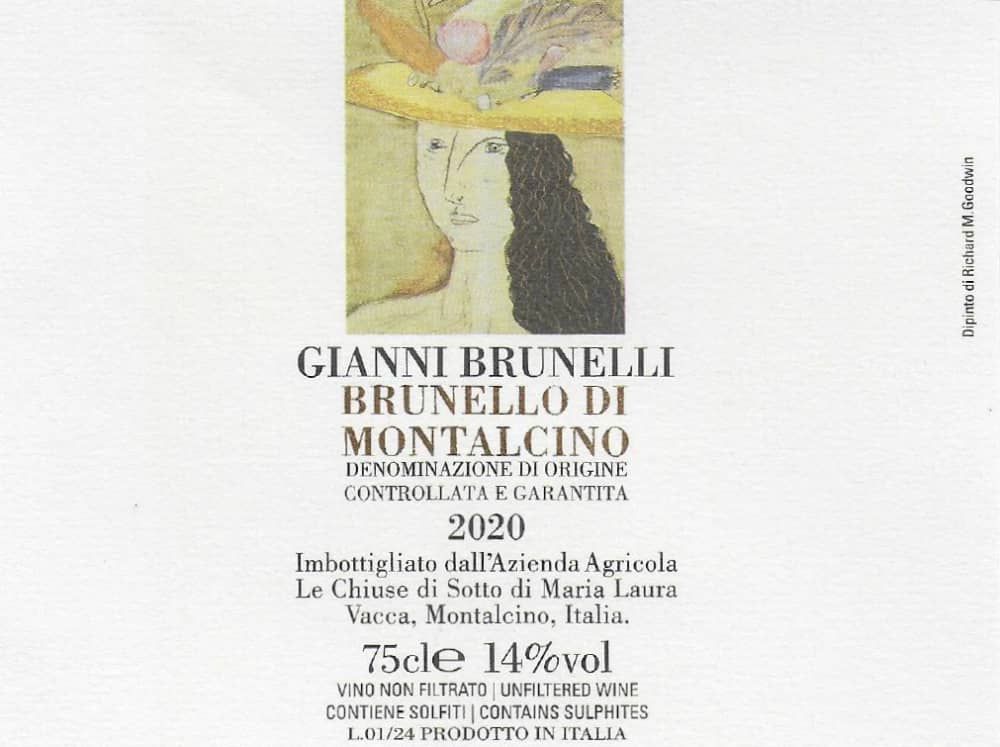
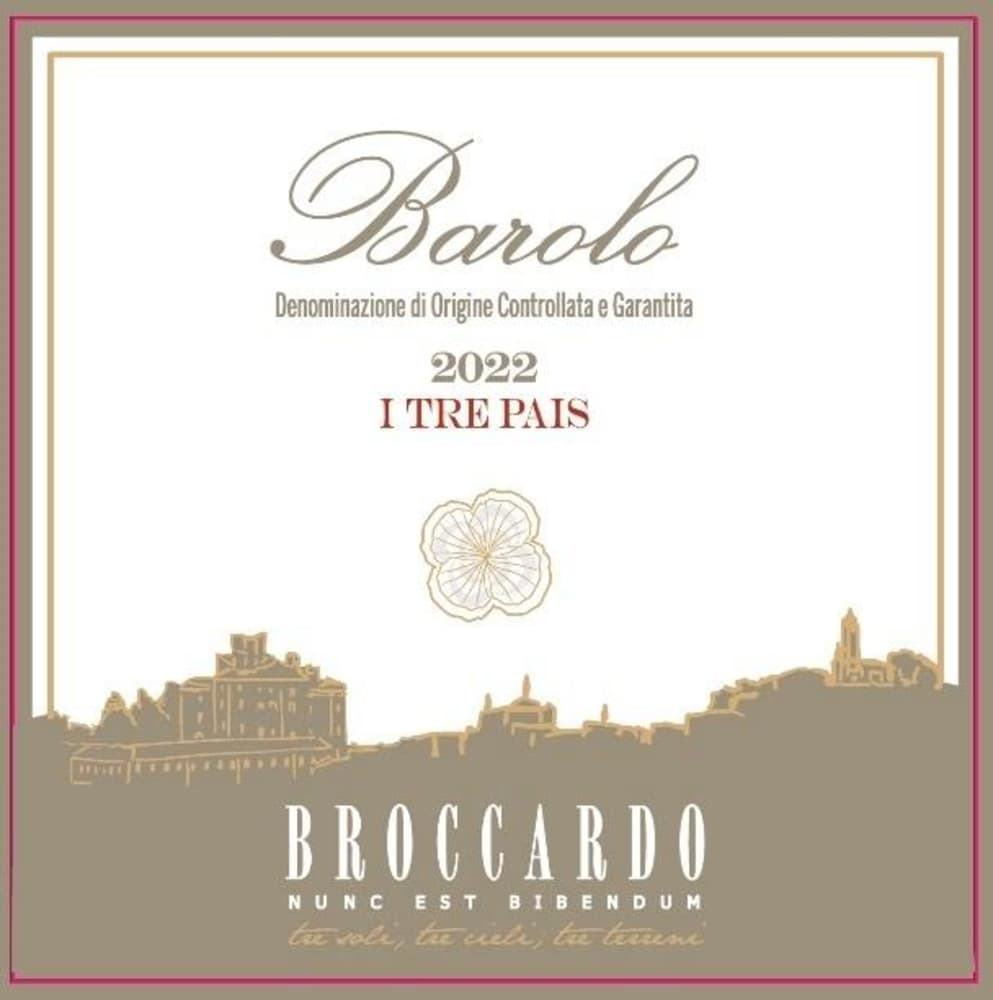
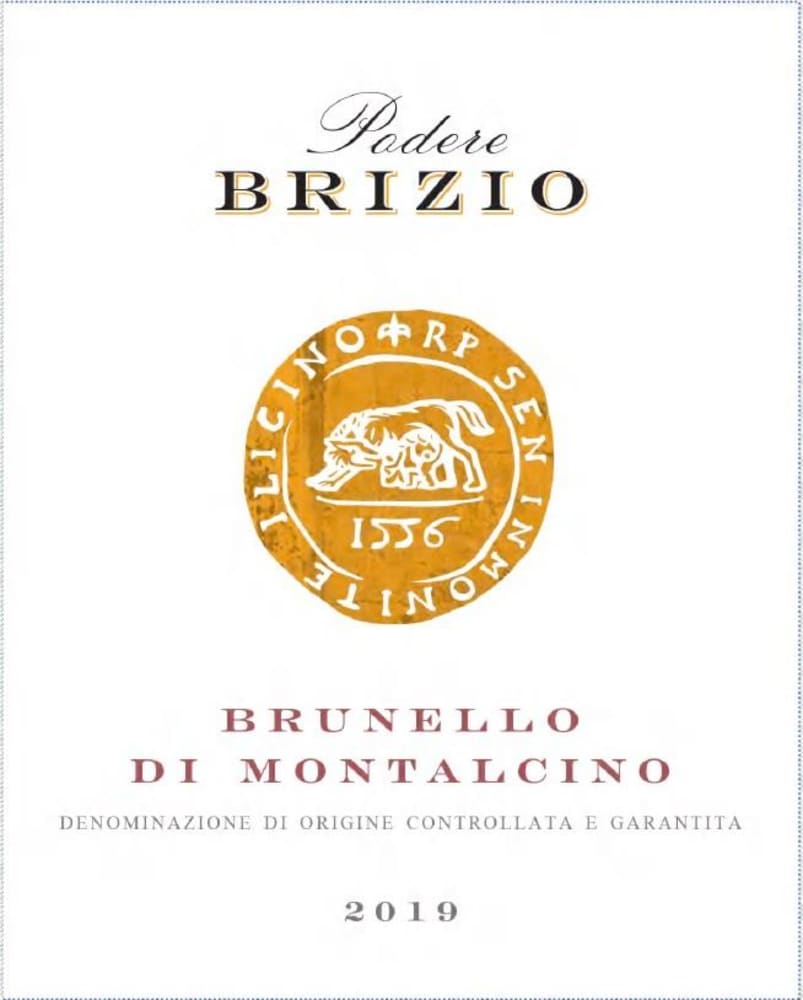
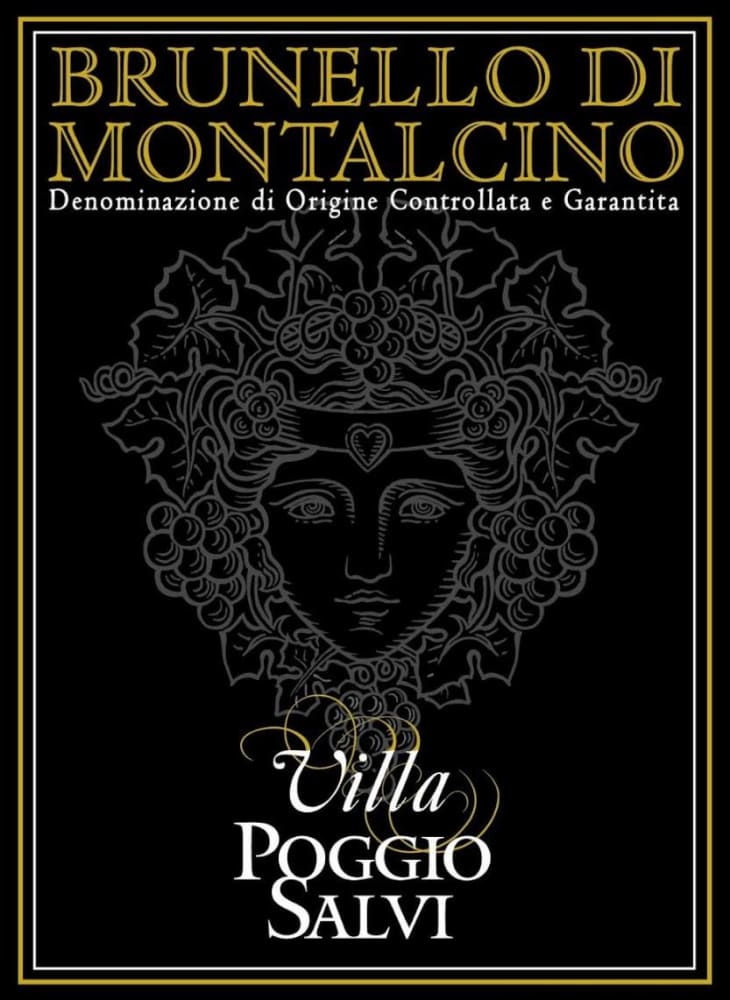
If you appreciate the characteristics of Chianti, consider trying a Sangiovese from a different region, such as Brunello di Montalcino. This wine, made from the same grape variety, offers a deeper complexity and a fuller body, with more pronounced tannins and a longer aging potential.
Another excellent option is a Montepulciano d’Abruzzo. This choice presents a rich flavor profile with dark fruit notes and a touch of earthiness, making it a great match for similar culinary pairings as Chianti, such as pasta dishes and grilled meats.
For a slightly different take, I recommend exploring a Barbera, especially Barbera d’Alba. This variety showcases bright acidity and a fruit-forward style that can complement many of the same foods, while still providing a distinct experience with its cherry and plum flavors.
Recommendations for Alternatives to Chianti
Merlot stands out as an excellent choice for those who enjoy the profile of Chianti. With its smooth tannins and fruity notes, it offers a softer, more approachable flavor while still maintaining depth.
Other Noteworthy Options
- Sangiovese: This grape variety is the backbone of Chianti and can be found in other blends, providing similar cherry and earthy characteristics.
- Nebbiolo: Known for its complex aromas and flavors, this varietal offers a robust profile with floral and red fruit notes, akin to a well-aged Chianti.
- Barbera: With high acidity and fruity flavors, Barbera delivers a fresh and lively experience that might appeal to Chianti enthusiasts.
- Tempranillo: This Spanish varietal shares some similarities with Chianti, featuring a blend of fruit and earthy undertones, making it a great alternative.
Pairing Suggestions
- Enjoy Merlot with grilled chicken or pasta dishes.
- Sangiovese pairs beautifully with tomato-based sauces.
- Nebbiolo complements rich meats and aged cheeses.
- Barbera works well with pizza and Italian cuisine.
- Tempranillo is delightful with barbecued foods and spicy dishes.
Characteristics of Chianti and Its Flavor Profile
Chianti showcases a bright ruby color, often accompanied by a slightly transparent edge. The aroma features red fruits, such as cherries and strawberries, complemented by herbal notes and hints of earthiness. This complexity is further enhanced by a subtle spiciness and undertones of leather or tobacco, typical of aged variants.
Tasting Notes
- Fruits: Dominant flavors of cherry, raspberry, and plum.
- Herbal Complexity: Basil, oregano, and dried herbs are prevalent.
- Earthiness: A mineral quality with earthy undertones adds depth.
- Spice: Notes of clove and black pepper enhance the profile.
- Oak Influence: Subtle vanilla and toast from aging in oak barrels.
Texture and Acidity
The mouthfeel is typically medium-bodied with a lively acidity that balances the fruitiness. Tannins are present but usually smooth, allowing for a pleasant finish. This structure makes it versatile for pairing with various foods, especially Italian dishes.
Top Red Wines with Similar Grapes to Chianti
For those who appreciate the Sangiovese grape, I recommend exploring Brunello di Montalcino. This Tuscan gem showcases a fuller body and richer fruit flavors, often with earthy undertones and a long finish.
Another excellent option is Vino Nobile di Montepulciano. Crafted primarily from Sangiovese, it typically presents a balance of dark fruit and subtle spice, making it a delightful alternative.
Don’t overlook Rosso di Montalcino, a younger sibling of Brunello. It offers a lighter profile with vibrant acidity and fresh cherry notes, perfect for casual sipping.
For those interested in a different Italian region, consider Barbera d’Alba. This wine features high acidity and soft tannins, with flavors of red fruits that can remind one of the Sangiovese experience.
Nebbiolo-based wines, such as Barolo or Barbaresco, also provide an intriguing choice. While more tannic and complex, they can share aromatic qualities that appeal to fans of Sangiovese.
If exploring beyond Italy, look into Tempranillo varieties from Spain, particularly those from Rioja. They offer a similar balance of fruit and acidity, often enhanced by aging in oak barrels.
For a New World twist, I recommend trying a Malbec from Argentina. While distinct, it can present ripe berry flavors with a velvety texture that some may find reminiscent of a well-crafted Sangiovese.
Comparing Chianti with Sangiovese-Based Wines
For those seeking alternatives to Chianti, I highly recommend exploring Sangiovese-based offerings from various regions. These wines often share a similar foundation, showcasing the grape’s characteristics while introducing unique regional influences.
A standout option is Brunello di Montalcino, which hails from Tuscany, like Chianti. This wine typically exhibits deeper fruit flavors, enhanced tannins, and a longer aging potential. Its complexity can be a delightful contrast to the more approachable nature of Chianti.
Another excellent choice is Vino Nobile di Montepulciano. This wine often presents ripe cherry notes, coupled with earthy undertones, making it a worthy companion to hearty dishes. The balance of acidity and tannins mirrors that of Chianti, providing an enjoyable tasting experience.
To further illustrate the differences and similarities, here’s a comparison table of key attributes:
| Wine Type | Region | Flavor Profile | Tannins | Acidity |
|---|---|---|---|---|
| Chianti | Tuscany | Cherry, plum, herbs | Medium | High |
| Brunello di Montalcino | Tuscany | Dark fruit, leather, spice | High | Medium |
| Vino Nobile di Montepulciano | Tuscany | Ripe cherry, earth, tobacco | Medium to High | Medium |
Exploring these options will reveal the versatility of Sangiovese and its expressions across Tuscany. Each bottle tells a story of its origin while providing a familiar yet distinct experience for fans of Chianti.
FAQ:
What are some red wines that have a flavor profile similar to Chianti?
Red wines that often share flavor characteristics with Chianti include Sangiovese, which is the primary grape in Chianti itself. Other options are Montepulciano d’Abruzzo, known for its fruity and earthy notes, and Barbera, which offers bright acidity and cherry flavors similar to those found in Chianti. Additionally, wines from the Tuscan region, such as Brunello di Montalcino, can also exhibit similar profiles due to the Sangiovese grape variety.
Are there any affordable wines that resemble Chianti?
Yes, there are several budget-friendly options that mirror the qualities of Chianti. Look for wines labeled as Sangiovese or Montepulciano d’Abruzzo, as they are often reasonably priced and provide a similar taste experience. Additionally, consider exploring regional Italian wines from lesser-known areas, which may offer great value while delivering the characteristic flavors associated with Chianti.
How does the taste of Chianti compare to other Italian red wines?
Chianti typically presents a unique combination of bright acidity, cherry fruit flavors, and earthy undertones. Compared to other Italian red wines, such as Barolo, which is more robust and tannic, Chianti tends to be lighter and more approachable. In contrast, wines like Nero d’Avola from Sicily often have a bolder, fruit-forward profile. Overall, Chianti stands out for its balance of acidity and fruitiness, making it versatile for food pairings.
What food pairs well with red wines similar to Chianti?
Red wines that are akin to Chianti, such as Sangiovese or Montepulciano, pair exceptionally well with a range of foods. They complement Italian dishes like pasta with tomato sauce, pizza, and grilled meats. The acidity in these wines cuts through rich flavors, making them ideal for pairing with cheeses and charcuterie as well. Additionally, they can enhance the taste of roasted vegetables and mushroom-based dishes.
Can you recommend some specific brands or labels that are similar to Chianti?
Some specific brands to consider include Ruffino Chianti, which offers a classic take on the style, and Banfi Chianti Classico, known for its quality. For wines similar to Chianti, try Fattoria La Vigna Sangiovese or Zaccagnini Montepulciano d’Abruzzo. These wines often capture the essence of Chianti with their fruit-forward and earthy profiles, making them excellent alternatives.
What are some red wines that have similar characteristics to Chianti?
Chianti, primarily made from Sangiovese grapes, is known for its bright acidity, cherry flavors, and earthy undertones. If you’re looking for red wines with similar traits, consider the following options:
1. **Montepulciano d’Abruzzo**: This Italian wine offers a rich fruit profile with soft tannins and moderate acidity, making it a great alternative to Chianti.
2. **Barbera**: Known for its high acidity and low tannins, Barbera from Italy can provide a fruit-forward experience similar to Chianti, often featuring cherry and plum notes.
3. **Dolcetto**: Another Italian red, Dolcetto is softer and fruitier than Chianti but shares a similar lightness and acidity, making it a pleasant choice.
4. **Nero d’Avola**: This Sicilian wine has dark fruit flavors and a robust character, which can appeal to fans of Chianti while offering a bit more richness.
5. **Grenache**: While not Italian, Grenache, especially from regions like Spain (Garnacha) or the Southern Rhône, can have a fruity profile with herbal notes, drawing parallels to Chianti’s complexity.
Each of these alternatives presents a unique take while retaining some of the classic characteristics that make Chianti enjoyable.