Chuck Furuya

In my experience, typical varieties of this refreshing beverage tend to have a lower concentration of ethanol compared to their red counterparts. Generally, you can expect a range between 9% and 13% for the lighter options, while reds often fall within 12% to 15%. This variance largely stems from the fermentation process and the types of grapes used.
For those seeking a lighter option, consider exploring selections like Sauvignon Blanc or Riesling, which often exhibit lower levels of ethanol. These choices not only provide a crisp taste profile but also allow for enjoyable sipping without overwhelming intensity. Additionally, numerous producers are focusing on crafting low-calorie alternatives, further appealing to those who appreciate moderation.

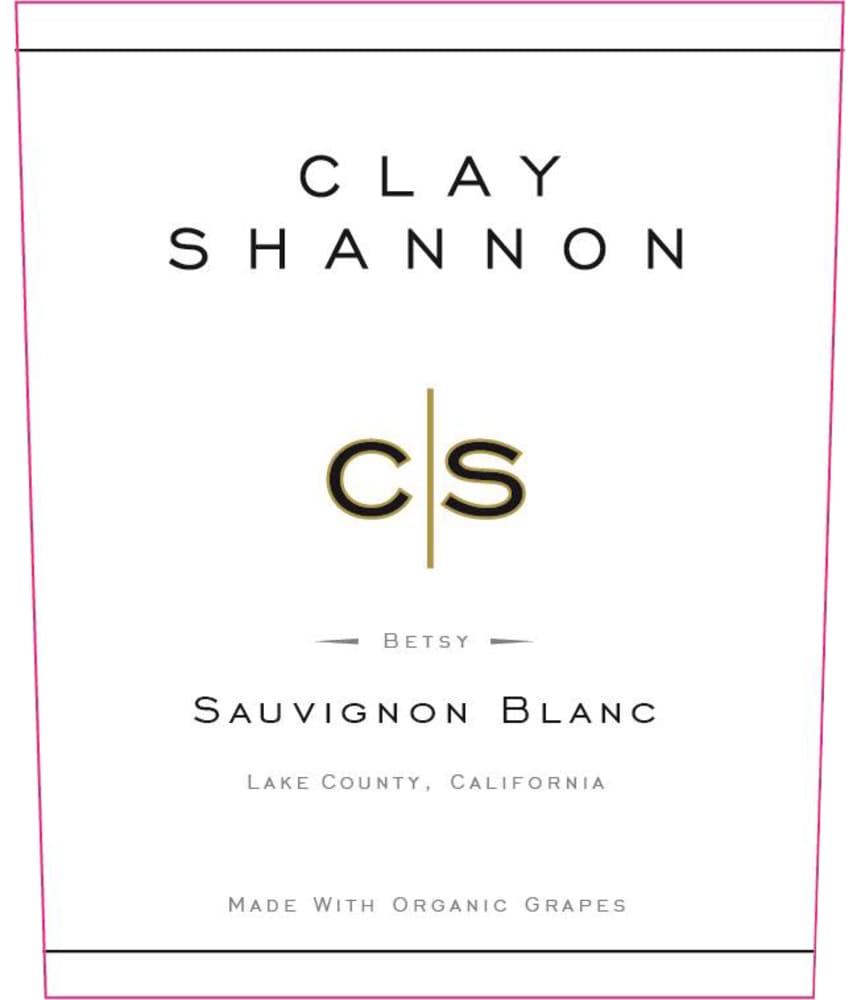
When selecting a bottle, always check the label for specific content. Some regions and brands are now transparently listing their percentages, making it easier to choose a beverage that aligns with your preferences. This attention to detail can enhance your overall experience and ensure you enjoy a delightful glass without excess.
Is There Less Alcohol in White Wine
I find that many assume lower ethanol content in lighter varietals. However, this isn’t universally true. The actual ethanol concentration varies significantly among different styles and producers.
For example, typical figures for many dry varieties hover around 12-13.5% ABV, while some fuller-bodied options can reach upwards of 14-15%. This isn’t inherently lower but reflects a range that can be similar to reds.
When selecting a bottle, I recommend checking the label for precise ABV percentages. I often prefer Sauvignon Blanc or Pinot Grigio for their refreshing qualities, typically associated with moderate ethanol levels.
Understanding production methods is also key. Fermentation techniques and grape ripeness at harvest can heavily influence the final product’s strength. Cooler climates often yield grapes with naturally lower sugar levels, resulting in lighter beverages.
Ultimately, personal preference plays a significant role. I enjoy experimenting with different varietals and their unique profiles, discovering how each complements food pairings or occasions. Always consider your taste and context when choosing a beverage.
Comparing Alcohol Content in White and Red Wines
In my experience, the average strength of a glass of red is typically higher than that of its pale counterpart. Most reds range between 12% to 15% by volume, while lighter varieties often sit around 11% to 14%. This difference stems from various factors, including grape variety, fermentation techniques, and climate conditions.
For instance, grapes like Cabernet Sauvignon and Syrah usually produce richer, more robust beverages, leading to elevated percentages. Conversely, varieties such as Sauvignon Blanc and Pinot Grigio are crafted to highlight crispness and freshness, often resulting in milder levels of potency.
It’s also essential to consider the style of the drink. Full-bodied variants often showcase higher readings compared to their lighter, more delicate counterparts. I find that regions known for warmer temperatures generally yield stronger products, as the heat enhances sugar accumulation, which translates into increased strength during fermentation.
When selecting a drink, if I prefer a lighter experience, I often opt for a chilled glass of a refreshing style, while for a richer experience, I choose a bolder variety. Understanding these nuances can significantly enrich the enjoyment of both types.
Ultimately, whether I choose a vibrant glass or a robust pour, personal preference plays a crucial role in the selection process. Knowing the general trends helps me make informed decisions when exploring different options.
Factors Influencing Alcohol Levels in White Wine
Several elements determine the concentration of ethanol in a glass of white beverage. Understanding these factors can enhance both production and tasting experiences.
- Grape Variety: Different grape types possess varying sugar levels at harvest. For example, Riesling often results in lower ethanol content compared to Chardonnay, due to its natural sugar profile.
- Climate: Regions with cooler climates typically yield grapes with lower sugar content, resulting in reduced fermentation outcomes. Areas like the Loire Valley in France commonly produce beverages with milder ethanol levels.
- Harvest Timing: Picking grapes at optimal ripeness is crucial. Early harvesting can lead to lower sugar levels, while late harvesting may increase sweetness and, consequently, ethanol production.
- Fermentation Process: Techniques such as fermentation temperature and duration can significantly impact the conversion of sugars to ethanol. Cooler fermentations often retain more fruity flavors and can result in lower ethanol levels.
- Winemaking Techniques: Methods like blending can dilute ethanol concentration. Some producers intentionally blend higher and lower ethanol content batches to achieve a desired balance.
- Residual Sugar: Beverages with higher residual sugar tend to have lower ethanol concentrations, as not all sugars are fermented into ethanol. Sweet styles, such as Moscato, illustrate this principle effectively.
By considering these factors, one can better appreciate the nuances in each glass and make informed choices when selecting or producing various styles of this popular beverage.
Types of White Wine with Lower Alcohol Concentration
For those seeking options with reduced potency, several varieties stand out. Notably, these selections often feature crisp flavors and refreshing qualities.
| Type | Average ABV (%) | Tasting Notes |
|---|---|---|
| Riesling | 8-12 | Fruity, floral, often honeyed with high acidity. |
| Pinot Grigio | 11-13 | Crisp, light-bodied, with notes of green apple and pear. |
| Vinho Verde | 9-11.5 | Light, effervescent, with bright citrus and mineral characteristics. |
| Soave | 11-12.5 | Delicate, with hints of almond, citrus, and floral aromas. |
| Grüner Veltliner | 11-13 | Spicy, peppery, with vibrant acidity and green notes. |
Exploring these choices can enhance your tasting experience while maintaining a moderate profile. Each type offers unique characteristics that cater to different palates.
How White Wine Production Affects Alcohol Content
Understanding the relationship between production methods and the resulting strength of a beverage is crucial. Various factors impact the fermentation process, resulting in different concentrations of ethanol.
Fermentation Duration
The length of fermentation significantly influences the final strength. A shorter fermentation period typically results in lower ethanol levels. Winemakers often opt for this method to preserve the natural flavors and aromas of the grapes.
Grape Variety Selection
The choice of grape variety plays a pivotal role. Some cultivars naturally yield lower sugar content, which leads to reduced ethanol after fermentation. Popular options include:
- Riesling
- Pinot Grigio
- Gewürztraminer
Harvest Timing
Harvesting grapes at optimal ripeness is essential. Grapes picked too early contain fewer sugars, resulting in a milder beverage. This technique is favored for creating fresh and crisp beverages.
Winemaking Techniques
Several methods employed during production can alter the ethanol concentration, including:
- Cold fermentation: Preserves fruit character and limits sugar conversion.
- Use of specialized yeast strains: Certain yeasts are less efficient in converting sugars, leading to lower ethanol content.
In summary, various production techniques significantly shape the strength of the final product, allowing for a diverse array of options tailored to specific palates and preferences.