Chuck Furuya
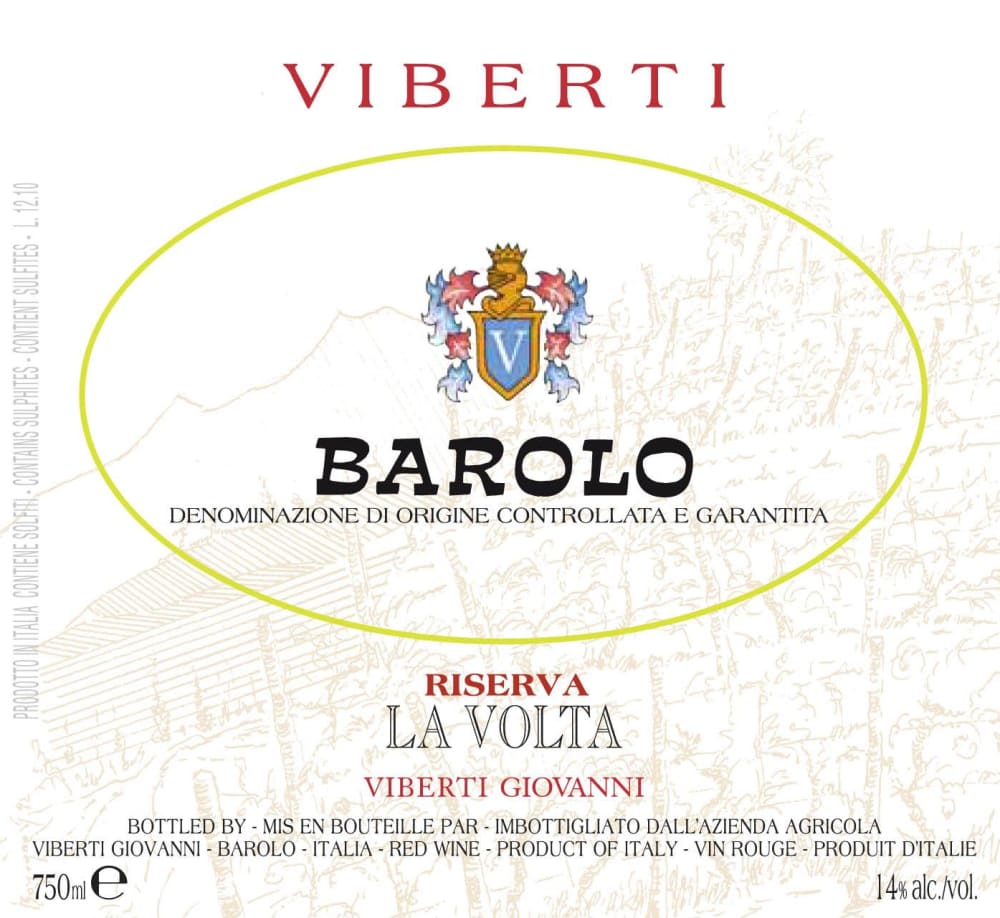
Consider trying a Barolo, a captivating variety from the Piedmont region. Known for its robust structure and rich flavors, Barolo is crafted from the Nebbiolo grape, offering notes of cherry, rose, and earthy undertones. This wine ages beautifully, developing complexity over time, making it a perfect choice for special occasions or pairing with hearty dishes.
If you prefer something more accessible yet equally impressive, a Chianti Classico might be your ideal match. Produced primarily from Sangiovese grapes, it showcases a delightful balance of acidity and tannins, with flavors of red berries, herbs, and a hint of spice. This option is versatile, complementing everything from pasta to grilled meats.
For those seeking a unique experience, I highly recommend exploring a Nero d’Avola from Sicily. This varietal offers bold fruit flavors, often showcasing plum and blackberry, paired with a velvety texture. Its intensity makes it an excellent companion for rich dishes, such as roasted lamb or barbecue.
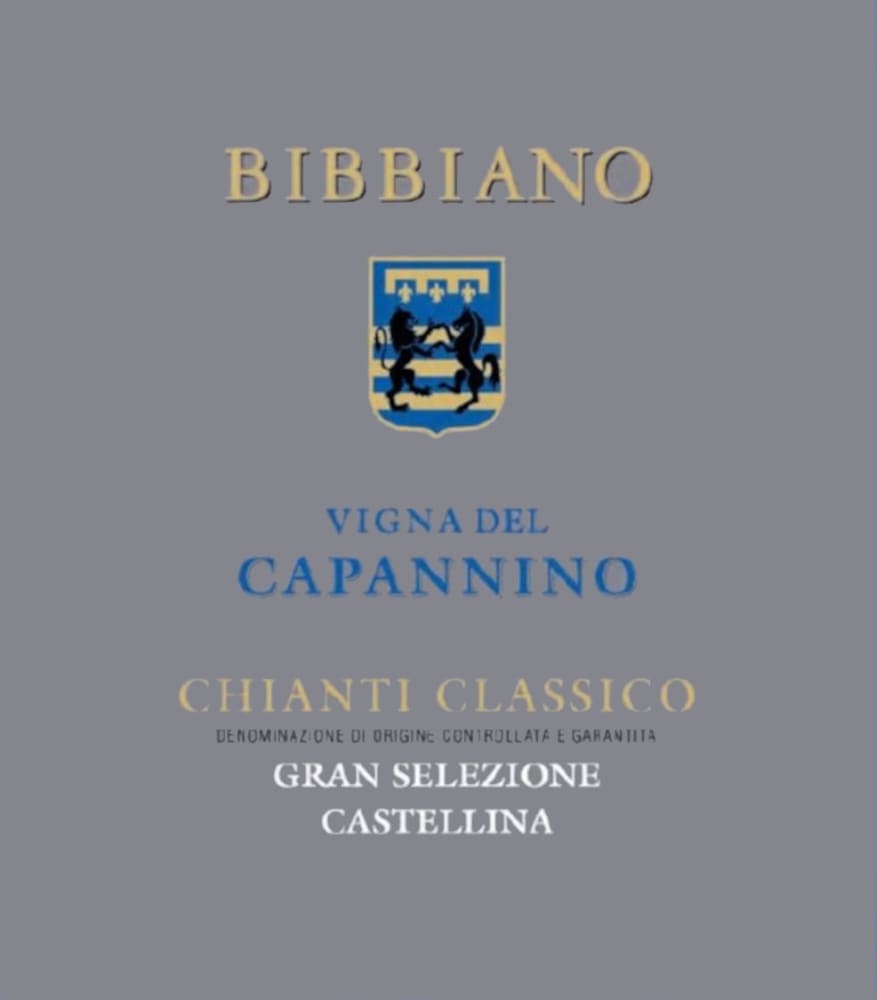
Whether you opt for Barolo, Chianti Classico, or Nero d’Avola, each of these wines represents a distinct facet of Italian viticulture, promising a satisfying tasting experience.
Exceptional Selections from Italy
Barolo stands out as a remarkable choice, hailing from the Piedmont region. Crafted primarily from the Nebbiolo grape, its complexity and aging potential make it a favorite among enthusiasts. Expect notes of cherry, rose, and earthy undertones, complemented by well-structured tannins.
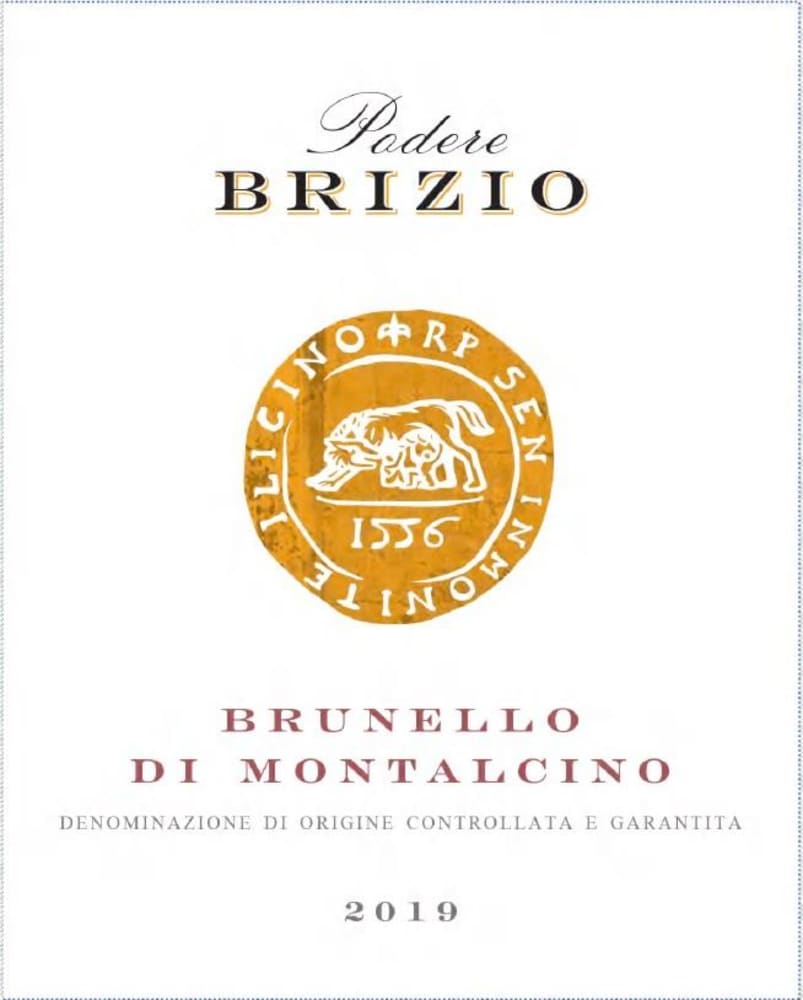
Another noteworthy option is Brunello di Montalcino, produced from Sangiovese grapes in Tuscany. This wine delivers rich flavors of dark fruit, leather, and spices, with a robust body that pairs exceptionally well with hearty dishes.
Other Notable Mentions
- Chianti Classico: A classic Tuscan blend, typically dominated by Sangiovese, known for its vibrant acidity and notes of red berries.
- Aglianico del Vulture: A lesser-known gem from Basilicata, offering deep flavors of blackberry and plum with a hint of minerality.
- Montefalco Sagrantino: Renowned for its bold tannins and dark fruit flavors, this wine is a perfect match for rich meats.
Food Pairing Tips
- Barolo pairs beautifully with truffle dishes and aged cheeses.
- Brunello complements grilled meats and rich pasta sauces.
- Chianti Classico is ideal with tomato-based dishes and pizza.
Top Regions for Italian Red Wine Production
Tuscany stands out for its Sangiovese varietals, particularly Chianti and Brunello di Montalcino, which are known for their depth and aging potential. I recommend exploring the 2015 vintage of Brunello for a remarkable experience.
Piemonte is another key area, especially famous for Barolo and Barbaresco, both made from Nebbiolo grapes. The 2016 Barolo is exceptional, showcasing rich tannins and complex aromas of tar and roses.
Veneto and Sicily
Veneto offers a diverse range, with Valpolicella and Amarone being noteworthy. The 2017 Amarone della Valpolicella is striking with its concentrated flavors and smooth finish. On the other hand, Sicily’s Nero d’Avola produces bold and fruit-forward options. Try a 2019 Nero d’Avola for its vibrant character and approachable style.
Campania and Abruzzo
Campania features Aglianico, particularly from Taurasi, which is robust and age-worthy. The 2014 Taurasi is a perfect choice, revealing dark fruits and earthy nuances. Abruzzo is known for Montepulciano d’Abruzzo, which provides excellent value; a 2018 vintage is recommended for its balance and food compatibility.
Each of these regions offers unique expressions of character and quality. Sampling wines from these areas can enhance your appreciation of the diverse offerings found in Italian viticulture.
Key Grape Varieties Used in Italian Red Wines
For exceptional flavor profiles, I recommend focusing on Sangiovese, the backbone of Tuscany’s Chianti and Brunello di Montalcino. This grape delivers bright acidity and notes of cherry, plum, and earthy nuances, making it a versatile choice for various dishes.
Another standout is Nebbiolo, primarily found in Barolo and Barbaresco. Its high tannins and acidity create a robust structure, often showcasing aromas of rose petals, tar, and dark fruits. This varietal is perfect for aging, rewarding patience with complexity over time.
Other Notable Varieties
For those seeking something different, consider Aglianico. Common in the southern regions, particularly Campania and Basilicata, it offers bold flavors of dark berries, leather, and spice. This grape thrives in volcanic soils, contributing to its unique character.
Dolcetto, with its softer tannins and fruit-forward style, provides an approachable option. It’s primarily grown in Piedmont, where it exhibits flavors of black cherry and almond, making it a delightful pairing with everyday meals.
Understanding Italian Wine Labels and Classifications
When selecting a bottle, I pay close attention to the label, as it provides crucial information about the origin and quality of the product. In Italy, wine labels are governed by strict regulations that categorize wines based on their geographical origin and production standards.
Denominazione di Origine Controllata (DOC)
This designation indicates that the beverage comes from a specific area and adheres to established quality standards. DOC wines are produced under strict regulations regarding grape varieties, yields, and winemaking practices. For instance, Chianti and Barolo fall under this classification, ensuring a certain level of quality and authenticity.
Denominazione di Origine Controllata e Garantita (DOCG)
The highest classification is DOCG, which signifies that the wine has passed a rigorous quality assessment and is produced in a designated area. Wines like Brunello di Montalcino and Barbaresco carry this prestigious label, promising excellence in both taste and production methods. Look for the seal on the neck of the bottle that guarantees its DOCG status.
Understanding these classifications enhances my selection process, allowing me to choose options that meet my expectations for flavor and quality. Always check the label for these indicators to ensure a satisfying experience.
Food Pairing Tips for Italian Red Wines
For pairing with Barolo, I recommend rich dishes such as braised beef or mushroom risotto. The tannins in this wine complement the umami flavors beautifully.
Chianti pairs excellently with tomato-based pasta dishes. The acidity in the sauce balances the wine’s profile, enhancing both the meal and the drink.
When enjoying a glass of Nero d’Avola, consider serving it with grilled meats or spicy sausages. The bold flavors of the wine match well with the smokiness of the grill.
For a lighter option like Pinot Noir, I find that roasted chicken or duck works wonderfully. The wine’s fruitiness can elevate the flavors of the poultry.
Valpolicella is a versatile choice; it goes well with pizza, especially those topped with spicy salami or fresh herbs. The wine’s acidity complements the crust and toppings effectively.
Serving Sangiovese with aged cheeses, such as Pecorino, enhances its fruity and earthy notes, creating a harmonious balance on the palate.
For an adventurous pairing, try Amarone with dark chocolate desserts. The sweetness of the chocolate is beautifully offset by the wine’s richness.
Experimenting with different combinations can lead to delightful discoveries, so don’t hesitate to explore various culinary options.
How to Properly Store Italian Red Wines
Maintain a consistent temperature between 55°F and 65°F (13°C to 18°C). Avoid fluctuations that can disrupt the aging process. Use a thermometer to monitor the environment regularly.
Humidity Levels
Keep humidity around 60% to prevent corks from drying out and allowing air into the bottle. A humidifier can help maintain this level.
Light Protection
Store bottles in a dark location. Ultraviolet light can degrade flavors and aromas. Use opaque containers or store in a dark cellar.
| Storage Tips | Recommended Action |
|---|---|
| Temperature | 55°F to 65°F (13°C to 18°C) |
| Humidity | Maintain at 60% |
| Light Exposure | Store in a dark area |
| Position | Horizontal storage for cork-sealed bottles |
Store bottles horizontally to keep the cork moist. This prevents air from entering through a dried cork. If using screw caps, upright storage is acceptable.
Avoid vibrations from appliances or traffic. These can disturb sediments and affect taste. Choose a quiet location for your collection.
Use a dedicated wine fridge if possible. This ensures ideal conditions without interference from household temperature changes.