Chuck Furuya



For an authentic experience of this renowned French region, you must select Pinot Noir. This grape is celebrated for its ability to express the unique terroir of Burgundy, resulting in complex flavors and aromas that embody the essence of this distinguished area.
When seeking a bottle that reflects the rich history and tradition of the region, prioritize Pinot Noir sourced from reputable vineyards. The best examples showcase a balance of fruit, earthiness, and subtle spice, making them ideal for a range of pairings, from poultry to rich cheeses.
In your quest for the perfect bottle, consider exploring various appellations within Burgundy, such as Côte de Nuits and Côte de Beaune. Each sub-region offers distinct characteristics that enhance the overall tasting experience, allowing you to appreciate the diversity and depth that Pinot Noir can provide.
Red Beverage from Burgundy: The Grape Choice
The ideal choice for a crimson libation hailing from this renowned region is Pinot Noir. This variety thrives in the unique terroir, showcasing the intricate nuances of the land and climate.
Pinot Noir displays a remarkable ability to express the characteristics of its environment. In Burgundy, the grape’s thin skin leads to lighter-bodied offerings with a range of flavors, from red fruits like cherry and raspberry to earthy undertones and floral hints. The cooler climate enhances acidity, providing balance and complexity.
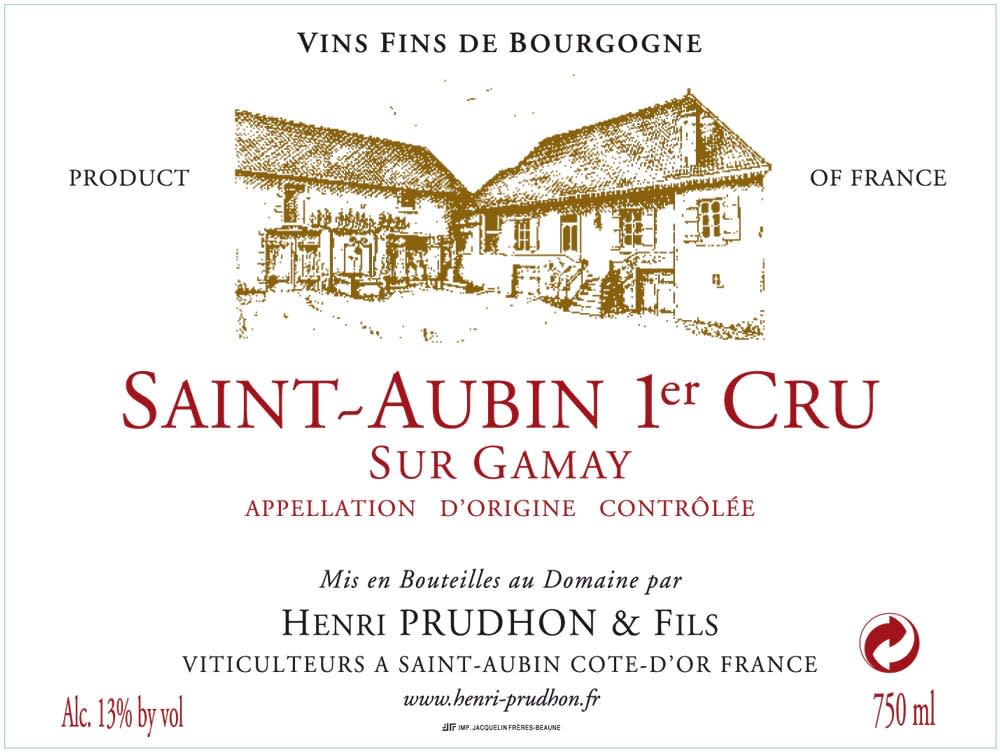
For an authentic experience, seek out producers who prioritize sustainable practices and showcase the distinct characteristics of their vineyards. Look for terms like “village” or “premier cru” on the label, indicating quality and specific geographic origins. These terms often reflect meticulous attention to detail in viticulture and vinification.
Pair these selections with dishes that complement their profile. Light meats, poultry, and dishes featuring mushrooms or earthy flavors enhance the tasting experience, allowing the subtleties of the varietal to shine.
Identifying Pinot Noir as the Primary Grape
Pinot Noir stands out as the quintessential variety for crafting exceptional beverages in this renowned region. Its characteristics contribute significantly to the profile that enthusiasts seek.
This variety thrives in the specific climate and soil composition, enabling the expression of its unique flavors. Key attributes include:
| Characteristic | Description |
|---|---|
| Aroma | Notes of cherry, raspberry, and subtle earthy undertones. |
| Tannin Structure | Soft and velvety, allowing for smooth aging. |
| Acidity | Bright acidity that enhances food pairing versatility. |
| Body | Medium-bodied, offering balance and elegance. |
Producers often highlight the terroir, showcasing how the environment influences the final product. The result is a distinct expression that captures the essence of this famed area.
For anyone exploring this variety, seek out producers who prioritize traditional methods, as these often yield the most authentic experiences. Sampling a range of selections will reveal the depth and complexity that define Pinot Noir in this locale.
Understanding the Terroir of Burgundy’s Vineyards
Focusing on the unique characteristics of the region’s soil and climate reveals how they shape the flavor profile of its most renowned varietal. The limestone-rich soils, combined with clay and marl, provide excellent drainage while retaining necessary moisture, which is crucial for optimal grape maturation. Each vineyard, with its specific microclimate, contributes distinct nuances to the profiles of the varietal, leading to a diverse range of expressions.
Temperature variations between day and night are significant in this area, allowing for the development of rich flavors and balanced acidity in the grapes. The presence of limestone influences mineral qualities, imparting a sense of place that is highly sought after. Understanding these geological factors is key to appreciating the complexity found within each bottle produced here.
Practices such as sustainable viticulture and careful management of vineyard sites further enhance the quality of the grapes. By prioritizing soil health and biodiversity, producers ensure that the vines thrive in their environment. This commitment to the land not only elevates the quality of the grapes but also aligns with the growing consumer demand for eco-conscious practices.
Each vintage can tell a story, shaped by climatic conditions throughout the growing season. Those who explore these wines will find that variations year to year can lead to remarkable differences in taste and aroma, making every bottle a unique experience. This connection between the land and the fruit harvested is what truly defines the identity of the region’s most celebrated varietal.
Exploring Different Styles of Burgundy Red Wines
Focusing on the diverse expressions of Pinot Noir, I find that variations in vinification techniques and vineyard locations greatly influence the final product. Here are some styles to consider:
- Classic Côte d’Or: Known for its elegance, these selections often have a balance of fruit and earthiness, showcasing flavors of cherry, raspberry, and subtle spices.
- Village Wines: These are more accessible and offer a glimpse into regional characteristics. Expect brighter fruit notes and softer tannins, making them enjoyable at a younger age.
- Premier Cru Selections: These are more complex and structured, typically exhibiting depth with layers of flavor. Notes of dark berries, earthy undertones, and oak influence are common.
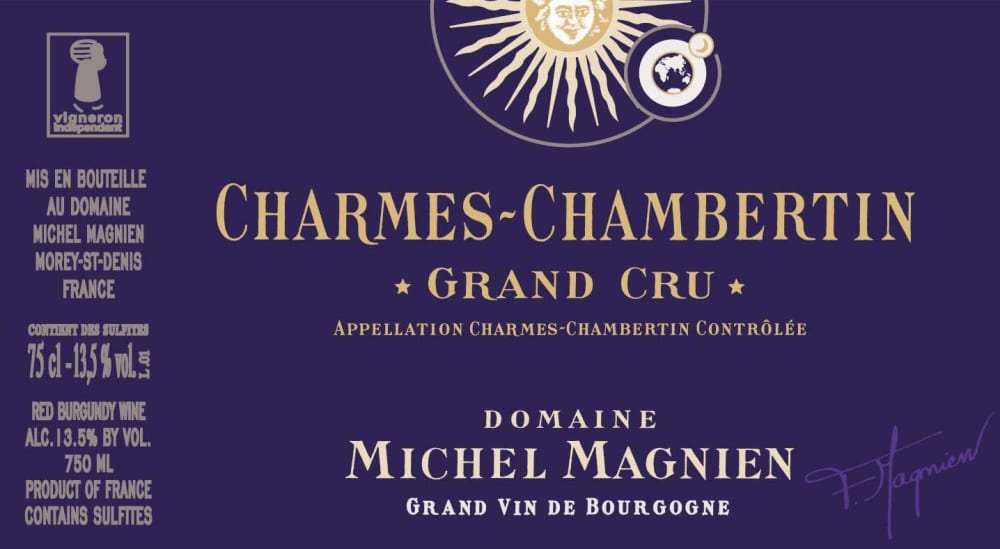
- Grand Cru Gems: The pinnacle of quality, these offerings provide rich, concentrated flavors with remarkable aging potential. They often display a harmonious blend of fruit, minerality, and oak.
- Natural Wines: With minimal intervention, these can showcase the true essence of the terroir. Expect unique flavors and aromas that vary significantly from bottle to bottle.
When pairing these selections, remember that the style can enhance the dining experience. For instance, a classic Côte d’Or pairs beautifully with roasted duck, while a Premier Cru might complement a rich mushroom risotto.
Exploring the nuances of each style allows for a deeper appreciation of this region’s offerings and highlights the artistry involved in winemaking.