Chuck Furuya


Chill the bottle to around 50-55°F (10-13°C) before serving. This temperature enhances the refreshing qualities while allowing the flavors to shine. A wine cooler or an ice bucket filled with water and ice works best for achieving this ideal chill.
Use appropriate glassware such as a tulip-shaped glass or a standard red wine glass. The shape allows the aromas to concentrate while providing enough space for the bubbles to rise. Fill the glass to about one-third to allow for the effervescence to develop fully.
When savoring the drink, take small sips to appreciate the complexity of flavors. Notice the interplay of sweetness and acidity, allowing the bubbles to cleanse the palate. Pairing this beverage with charcuterie boards, rich cheeses, or even chocolate desserts can enhance the tasting experience and create a delightful contrast.

Maintain a relaxed pace, allowing the beverage to aerate in the glass. Watch the bubbles rise, and enjoy the visual pleasure as much as the taste. Engaging with each sip can transform the moment into an unforgettable experience.
How to Enjoy Sparkling Red Wine
Serve chilled at temperatures between 50°F and 55°F (10°C to 13°C) to enhance the refreshing qualities. Use a narrower glass, like a flute or tulip, to concentrate aromas and retain effervescence.
Pair with foods that complement the unique flavor profile. Consider the following options:
- Grilled meats for a savory contrast.
- Rich cheeses, especially aged varieties.
- Chocolate desserts to enhance sweetness.
Take small sips to appreciate the complexity. Allow the bubbles to linger on the palate, noticing the texture and flavor development. Swirl gently to aerate and release additional aromas.
Experiment with different brands and varieties to find personal favorites. Each bottle offers a unique taste experience, influenced by regions, grape varieties, and production methods.
Share with friends during casual gatherings or special occasions to enjoy diverse perspectives on flavors and pairings.
Selecting the Right Sparkling Red Wine
To choose a suitable effervescent crimson beverage, I focus on the varietal. For a fruit-forward experience, I prefer Lambrusco. This grape offers a delightful balance of sweetness and acidity, making it versatile for various dishes.
If I’m in the mood for something richer, I gravitate towards Brachetto d’Acqui. Its aromatic qualities and light sweetness pair wonderfully with desserts or cheeses.
Next, I consider the region. Italian options often provide a range of flavors, while Australian selections might lean towards a bolder profile. Understanding the origin helps me anticipate taste characteristics.
Price is another factor. I typically explore mid-range bottles, which often deliver quality without breaking the bank. High-end choices can be exceptional, but I find many affordable options that satisfy my palate.
Lastly, I pay attention to the level of carbonation. A wine with a finer bubble tends to feel more elegant, while larger bubbles often deliver a fun, playful experience. This detail can significantly affect my enjoyment.
Understanding the Ideal Serving Temperature
Serving bubbly at the optimal temperature enhances its delightful characteristics. Aim for a range between 50°F and 55°F (10°C – 13°C). This temperature allows the aromas to emerge while balancing the acidity and sweetness.
Before serving, chill the bottle in an ice bucket for about 20 to 30 minutes. If you’re short on time, a quick method involves placing the bottle in the freezer for 10 to 15 minutes, but avoid leaving it too long to prevent freezing.
Using a thermocouple or an instant-read thermometer can help ensure accuracy. I find that pouring a small amount into a glass can also serve as a quick check. If the liquid feels too cold, let it sit for a moment before indulging.
After pouring, the temperature may rise slightly due to ambient warmth. Therefore, maintain the bottle in an ice bucket throughout the experience to keep it cool. Remember that serving too cold can mask flavors, while warmer temperatures may reveal excessive sweetness and diminish the refreshing aspect.
Choosing the Proper Glassware
I prefer using a glass with a wider bowl for effervescent reds. This shape allows the aromas to concentrate while giving the bubbles space to rise. A traditional red wine glass works well, but I find that a slightly shorter flute can also enhance the experience.
The rim should be thin to provide a delicate sip, allowing the flavors to unfold on the palate. Avoid using overly large glasses; they can diminish the impact of the bubbles and make the drink feel flat.
I also pay attention to the foot of the glass; a stable base ensures that it won’t tip over easily, especially during lively gatherings. For occasions where I want to showcase the color, I opt for crystal-clear glass, as it enhances the visual appeal and lets the vibrant hues shine.
Lastly, cleanliness matters. I always make sure my glassware is spotless to prevent any unwanted residues from interfering with the flavor profile. A well-chosen vessel elevates the tasting experience significantly.
Pairing Sparkling Red Wine with Food
For an exceptional meal experience, I recommend matching this effervescent beverage with dishes featuring rich flavors. The fruitiness and acidity balance well with savory foods, enhancing the overall taste.
Charcuterie boards are a fantastic choice. I enjoy combining this beverage with cured meats like prosciutto or salami, as the bubbles cut through the fat, creating a delightful contrast. Adding aged cheeses, such as Parmigiano-Reggiano or a sharp cheddar, amplifies the pairing.
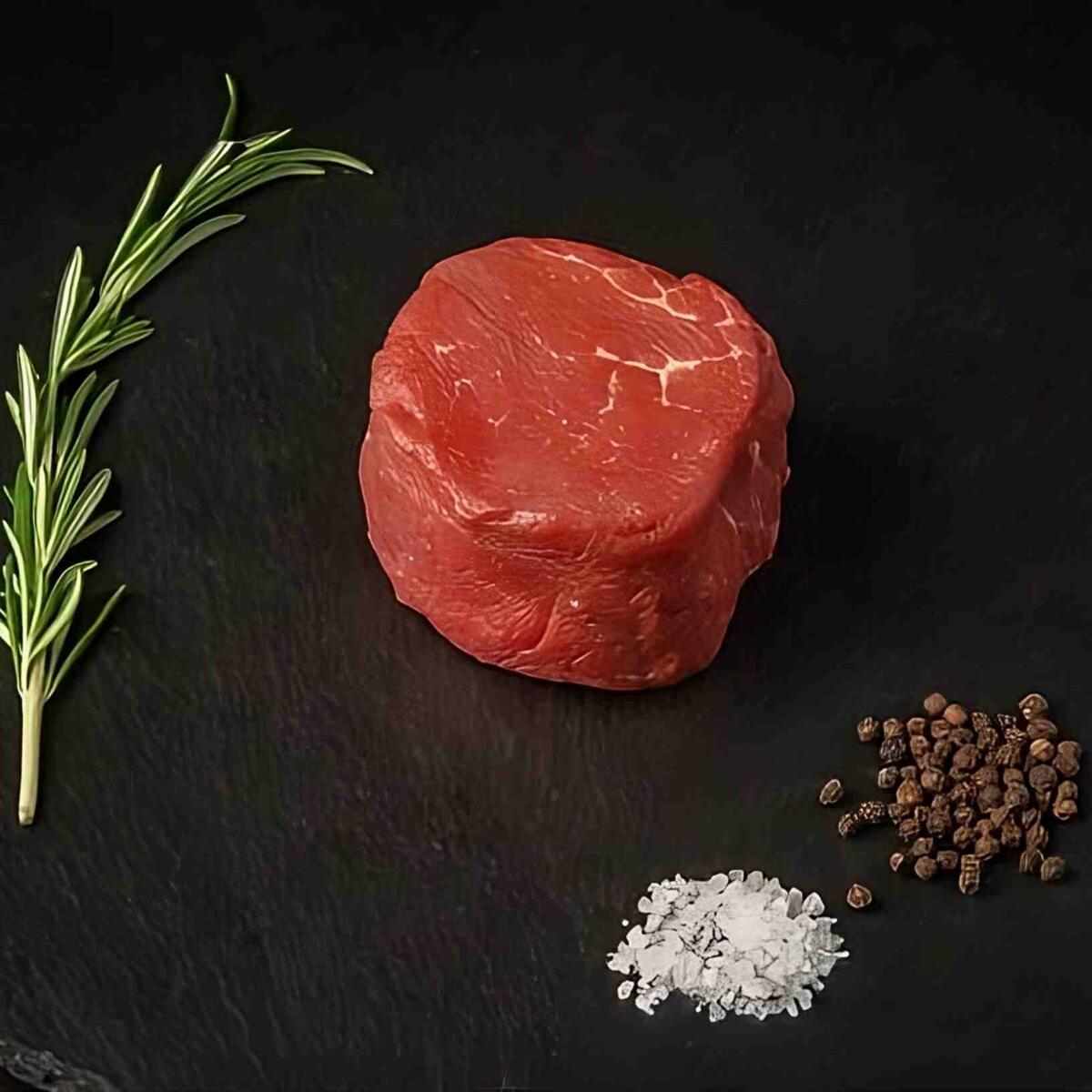
Grilled meats also complement this drink beautifully. A juicy steak or barbecued ribs work well, as the wine’s fruit notes harmonize with the smoky and charred flavors. If I opt for poultry, dishes with berry-based sauces enhance the experience.
Vegetarian options can shine too. Roasted vegetables or hearty pasta with tomato-based sauces are excellent companions. The acidity of the wine balances the richness of creamy sauces, making every bite enjoyable.
For dessert, I find that chocolate-based treats pair wonderfully. Dark chocolate or a rich chocolate cake creates a luxurious experience, as the sweetness of the dessert contrasts with the wine’s acidity.
Experimenting with different combinations is key. I always encourage trying various pairings to discover new favorites that suit personal tastes. Each meal can become a unique adventure with the right selections.
Tasting Techniques for Sparkling Red Wine
Begin the experience by examining the appearance. Observe the color and the density of bubbles, which can indicate the wine’s quality. A deep hue may suggest ripe fruit flavors, while a lighter shade could hint at freshness.
Aroma Assessment
Swirl the glass gently to release the bouquet. Take a moment to inhale the aromas, identifying notes such as berries, herbs, or spices. This step is vital for understanding the wine’s complexity.
<h3.Taste Evaluation
Take a small sip, allowing the liquid to coat your palate. Focus on the balance between sweetness and acidity. Note the finish; a long-lasting aftertaste often signifies a superior selection. Pay attention to the texture, as effervescence can enhance the overall mouthfeel.
| Characteristic | What to Look For |
|---|---|
| Color | Deep, rich hues suggest ripe fruit; lighter colors indicate freshness. |
| Aroma | Identify fruit, floral, or herbal notes; complexity is key. |
| Taste | Balance of sweetness and acidity; consider the texture. |
| Finish | Long-lasting aftertaste often indicates quality. |
By focusing on these techniques, I enhance my enjoyment and appreciation of each glass, discovering new dimensions with every sip.