
 Chuck Furuya


If you’re sensitive to additives in beverages, it’s beneficial to know that typically, higher levels of these compounds are found in the lighter varieties. In my experience, the fermentation process and the grape types used play a crucial role in determining these concentrations. Generally, the paler options often contain a greater amount due to the winemaking techniques that prioritize freshness and preservation.
For those who enjoy sipping on the bolder selections, the levels of these compounds tend to be lower. This can be attributed to the extended aging process, which allows for natural oxidation and a reduction of these chemicals. I’ve noticed that enthusiasts often prefer the richer flavors without the added concern of excessive preservatives.
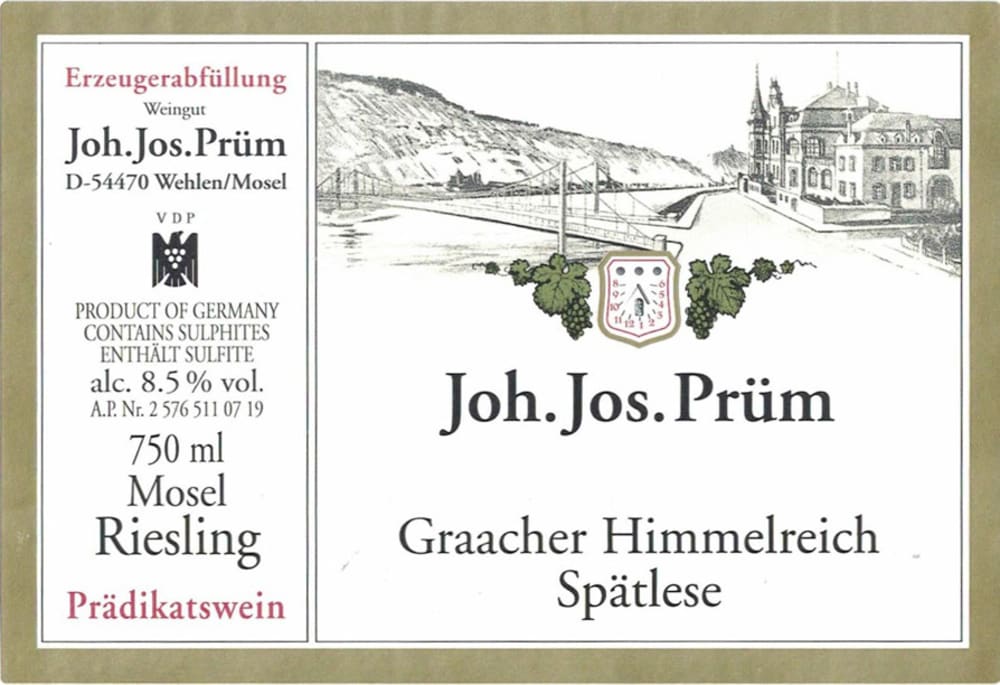
When selecting a bottle, it’s wise to check the label for specific information about these additives. Many producers are transparent about their practices, and organic or natural labels often indicate lower levels. Understanding these differences will help you make informed choices tailored to your palate and health preferences.
Comparison of Sulfite Levels in Red and White Wine
In my experience, white varieties generally contain higher concentrations of these preservatives compared to their darker counterparts. This observation stems from the fermentation processes involved, where lighter grapes often require additional protection against oxidation, leading to elevated levels of these compounds.
Analyzing specific figures, white options can showcase levels ranging from 100 to 200 mg/L, while darker selections typically hover around 50 to 150 mg/L. However, it’s crucial to note that individual production methods and regional regulations can significantly influence these numbers.
For those sensitive to these compounds, it’s advisable to examine labels carefully. Certain vintages specifically labeled as “low-sulfite” or “no added sulfites” can offer alternatives with reduced levels. Additionally, organic varieties often adhere to stricter limits, making them a worthwhile consideration for consumers seeking to minimize intake.
In terms of taste profile, the presence of these additives can affect flavor and aging potential. Therefore, when selecting a bottle, understanding the implications of these compounds will enhance your appreciation of the beverage’s characteristics.
Impact of Sulfites on Wine Flavor and Preservation
Understanding the role of these compounds is essential for appreciating the complexities of various beverages. They act as antioxidants and preservatives, playing a significant role in maintaining freshness and preventing spoilage.
Flavor Profile Alterations
While primarily known for their preservative qualities, these compounds can influence flavor nuances. Some characteristics to consider include:
- Balance: High levels can create an unbalanced taste, overshadowing the natural flavors.
- Oxidation: They help mitigate oxidation, which can lead to undesirable flavors associated with aging.
- Fruitiness: Lower concentrations may enhance the fruity notes, allowing the inherent qualities of the grapes to shine.
Preservation Benefits
The use of these agents is crucial in extending shelf life. Key points include:
- Stability: They help maintain the beverage’s color and clarity over time.
- Microbial Control: Effective in inhibiting unwanted microbial growth, preserving quality.
- Transport and Storage: Essential for ensuring that the product remains unspoiled during transit and storage.
In conclusion, while often associated with preservation, the influence of these compounds on taste cannot be overlooked. Their levels and management are vital to crafting beverages that are both enjoyable and enduring.
Health Considerations for Sulfite Sensitivity in Wine Drinkers
Individuals with sensitivity to preservatives may experience adverse reactions when consuming certain beverages. Symptoms can include headaches, hives, and respiratory issues. It is essential to identify one’s tolerance level, as reactions can vary significantly based on the person and the amount ingested.
For those prone to sensitivity, I recommend checking labels for sulfur dioxide content. Many producers list the total amount, allowing for informed choices. Additionally, opting for organic or low-sulfite varieties may provide a safer alternative. These wines typically contain fewer preservatives, reducing the likelihood of adverse effects.
Monitoring personal reactions after consumption is critical. Keeping a journal to record any symptoms experienced after drinking specific types can help pinpoint triggers. If severe reactions occur, consulting with a healthcare professional is advisable.
| Symptom | Recommended Action |
|---|---|
| Headaches | Hydrate, avoid future consumption of high-sulfite options |
| Hives | Seek antihistamines, consult a doctor if severe |
| Respiratory Issues | Use an inhaler if prescribed, seek medical advice |
Understanding individual tolerance levels is paramount. Testing small amounts of various options may help in finding suitable choices without triggering symptoms. Communication with producers about their practices can also yield valuable insights regarding the preservation methods used.
Lastly, staying informed about regulations and labeling practices can empower informed decisions. Knowledge about the production process and its implications on health can mitigate risks associated with sensitivity.


