Chuck Furuya

If you’re seeking a non-sweet option, I recommend exploring Cabernet Sauvignon and Merlot. These varieties are known for their robust flavor profiles and minimal residual sugar, making them ideal for those who prefer a more tannic experience.
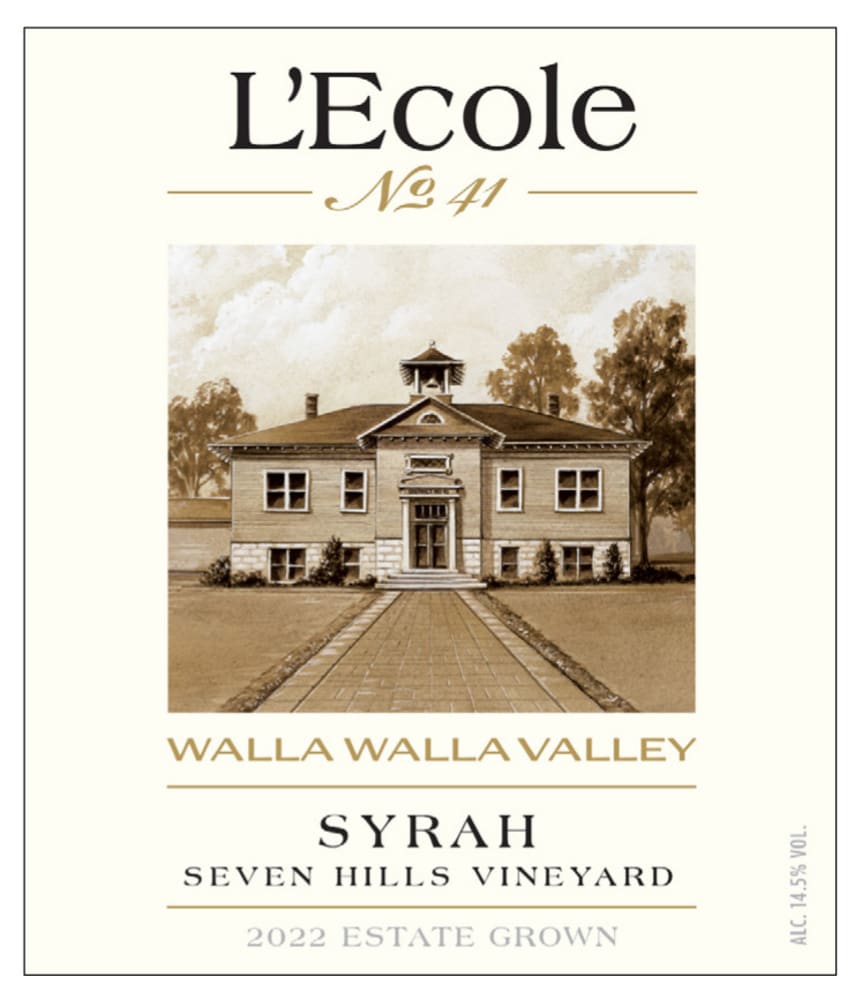
Another excellent choice is Syrah, which offers bold berry flavors combined with earthy undertones. Look for bottles labeled as “dry” to ensure you’re steering clear of any sweetness. Additionally, Pinot Noir stands out with its lighter body and complex flavor notes, providing a delightful alternative without the sugary finish.
For a unique experience, consider Tempranillo. This Spanish varietal brings a rich, savory quality that pairs beautifully with various dishes. Reading the labels carefully and focusing on regions known for producing less sweet options can further enhance your selection process.
Choosing Dry Varietals
For those seeking a non-sweet experience, I recommend opting for varietals such as Cabernet Sauvignon, Shiraz, and Merlot. These selections typically exhibit rich complexity without the presence of residual sugar. They often showcase bold tannins and vibrant acidity, providing a well-rounded palate.
Key Characteristics
When exploring these options, consider the following attributes:
| Varietal | Tasting Notes | Food Pairings |
|---|---|---|
| Cabernet Sauvignon | Notes of dark fruits, oak, and spice | Grilled meats, hearty stews |
| Shiraz | Rich berry flavors, pepper, and chocolate | Barbecue, lamb dishes |
| Merlot | Plum, cherry, and herbal undertones | Pasta, roast chicken |
Exploring Regions
Regions known for producing these varieties include Napa Valley, Barossa Valley, and Bordeaux. Wines from these areas often reflect the terroir and climate, contributing to their dryness and overall character. Always check the label or consult with a sommelier for guidance on specific bottles that align with your taste preferences.
Understanding Dry Red Wines
I recommend exploring Cabernet Sauvignon for its bold flavors and minimal residual sugar. This variety typically exhibits robust tannins and notes of black currant, making it a classic choice for those who enjoy a more structured experience. Another excellent option is Merlot, which tends to have softer tannins yet retains a rich fruit profile without sweetness.
Key Characteristics
When tasting, focus on the balance between acidity and tannins. A well-crafted Cabernet Sauvignon showcases a firm structure, while Merlot often provides a smoother mouthfeel. Both varietals can enhance a meal, pairing beautifully with grilled meats and hearty dishes.
Other Notable Varieties
Pinot Noir stands out for its complexity and elegance. It often features cherry and earthy undertones, presenting a lighter yet dry alternative. Syrah is another choice, known for its spicy notes and rich texture. These options cater to diverse palates while maintaining a dry profile.
In summary, choosing a Cabernet Sauvignon, Merlot, Pinot Noir, or Syrah will ensure an enjoyable experience without the sweetness often found in other selections.
Characteristics of Tannins in Red Wine
When selecting a beverage with robust flavor profiles, understanding tannins can enhance your experience. Tannins originate from grape skins, seeds, and stems, imparting astringency and structure. Here are key characteristics to consider:
- Astringency: This sensation causes a drying effect in the mouth, often more pronounced in younger varieties. A higher level of tannins correlates with a more intense mouthfeel.
- Bitterness: While not always present, tannins can introduce a bitter note, which adds complexity to the overall taste. This can be balanced by fruitiness in the blend.
- Ageability: Tannins play a crucial role in the aging potential of a beverage. Those with higher tannin content often evolve beautifully over time, softening and integrating with other flavors.
- Origin Influence: Regions known for warmer climates tend to produce grapes with higher tannin levels. For example, varieties from Bordeaux or Barolo often showcase this characteristic.
- Food Pairing: Tannins complement proteins, making them ideal companions for grilled meats and rich dishes. Their astringency can cut through fattiness, enhancing the dining experience.
Choosing options with balanced tannin levels can lead to a more enjoyable tasting experience. Look for those that offer structure without overwhelming the palate. This balance is essential for appreciating complex flavors.
Popular Varieties of Dry Red Wine
For those who appreciate a less sugary experience, I recommend exploring Cabernet Sauvignon. This full-bodied option boasts rich flavors of dark fruits, complemented by herbal undertones and firm tannins. It’s excellent with grilled meats or rich pasta dishes.
Merlot is another fantastic choice. Its medium body and smooth texture deliver notes of cherry and plum, making it versatile for pairing with various cuisines, from roasted vegetables to hearty stews.
Pinot Noir
Pinot Noir stands out for its lighter body and complexity. Its vibrant acidity and flavor profile, including raspberry and mushroom, make it ideal for seafood and poultry dishes. This variety often showcases earthy characteristics, enhancing its appeal.
Syrah/Shiraz
Syrah, also known as Shiraz in some regions, offers bold flavors of blackberry and black pepper. Its spiciness and structured tannins pair wonderfully with barbecue and spicy dishes. This variety is perfect for those who enjoy a robust experience.
Exploring these varieties can enhance your appreciation of dry options, allowing for enjoyable pairings and unique flavor experiences.
How to Identify a Non-Sweet Red Wine
To determine whether a wine is dry, I focus on several key indicators.
- Check the label: Look for terms such as “dry,” “brut,” or “no residual sugar.” These terms often indicate minimal sweetness.
- Taste profile: A tasting note highlighting acidity over sweetness signals a drier option. Flavors like black cherry, plum, and herbs often accompany these wines.
- Aroma: Intense, fruity scents may mislead, but if the taste leans towards tartness or bitterness, it likely lacks sweetness.
- Alcohol content: Higher alcohol levels often correlate with lower sugar content. A wine above 13.5% ABV is typically drier.
- Tannins: Astringent wines with pronounced tannins often feel less sweet due to their mouth-drying sensations. Varieties like Cabernet Sauvignon and Syrah are good examples.
By focusing on these characteristics, I can confidently identify wines that align with my preference for drier selections. Additionally, knowing the varietals helps; for instance, Bordeaux blends and Italian Chiantis are usually less sweet, enhancing my enjoyment of non-sweet choices.
Food Pairing Suggestions with Dry Red Wines
Pairing dishes with a full-bodied Merlot enhances both the meal and the beverage experience. I recommend serving it with grilled lamb chops or a hearty beef stew. The robustness of the meat complements the wine’s rich flavors.
For a Cabernet Sauvignon, roasted vegetables and a sharp cheddar cheese create a delightful contrast. The wine’s tannins soften the edges of the cheese, while the earthy notes of the vegetables elevate the overall taste.
Italian Cuisine Matches
When enjoying a Chianti, consider pairing it with classic pasta dishes featuring tomato-based sauces. The acidity in the sauce harmonizes beautifully with the wine’s profile. Additionally, a pizza with cured meats or mushrooms works exceptionally well.
Perfect Pairings for Pinot Noir
Pinot Noir shines with dishes like duck breast or salmon. The wine’s lighter body and elegant fruit notes enhance the flavors of the dish without overpowering them. A side of sautéed greens can also elevate the pairing.
FAQ:
What are some types of red wine that are not sweet?
There are several types of red wines that are typically dry and not sweet. Some popular examples include Cabernet Sauvignon, Merlot, Pinot Noir, Syrah (Shiraz), and Malbec. These wines often have varying levels of tannins and acidity, which contribute to their dry character. Cabernet Sauvignon is known for its bold flavors and structured profile, while Pinot Noir tends to be lighter and more fruit-forward. Merlot offers a smooth and approachable taste, making it a favorite for many wine drinkers.
How can I tell if a red wine is dry or sweet?
To determine whether a red wine is dry or sweet, you can look for a few indicators. First, check the wine’s label for terms like “dry” or “off-dry.” You can also consider the alcohol content; wines with higher alcohol levels (typically over 13.5%) tend to be drier. Additionally, tasting the wine can help; if it leaves a lingering sweetness on your palate, it may be sweet. Pay attention to the balance of acidity and tannins, as drier wines usually have a more pronounced tannic structure and acidity.
Are there any food pairings that go well with dry red wines?
Yes, dry red wines can be paired with a variety of foods. For example, Cabernet Sauvignon pairs excellently with red meats like steak or lamb due to its bold flavors and tannins. Merlot, being softer and fruitier, complements roasted chicken or pasta dishes with tomato sauce. Pinot Noir is versatile and works well with richer fish, like salmon, or even mushroom dishes. Syrah, with its spicy notes, can enhance grilled meats or barbecue. The key is to match the intensity of the wine with the richness of the food.
Can the sweetness of red wine change with age?
Yes, the perceived sweetness of red wine can change as it ages. As red wine matures, the tannins can soften, and the fruit flavors may evolve. In some cases, this can lead to a more balanced taste, where the sweetness is less pronounced. However, the fundamental characteristics of the wine, including its sweetness level, remain mostly consistent. Some wines may develop complexity and depth, but a dry wine will generally remain dry throughout its aging process.
What are the characteristics of a good dry red wine?
A good dry red wine typically exhibits a balance of acidity, tannins, and fruit flavors. It should have a pleasant aroma, which may include notes of dark fruits like blackberry or cherry, as well as hints of spice, oak, or earthiness. The texture should be smooth, with tannins that are well-integrated, providing structure without overwhelming the palate. A long, satisfying finish is also a hallmark of quality wine, allowing the flavors to linger after sipping. Ultimately, personal preference plays a significant role in what makes a wine enjoyable.
What are some examples of dry red wines?
Dry red wines are known for their low sugar content, which gives them a less sweet taste. Some popular examples include Cabernet Sauvignon, Merlot, Syrah (Shiraz), and Pinot Noir. Each of these varieties has its own unique flavor profile, with Cabernet Sauvignon often offering bold tannins and dark fruit flavors, while Pinot Noir tends to be lighter with red fruit notes.
How can I tell if a red wine is dry?
To determine if a red wine is dry, you can check the label for terms like “dry” or “off-dry.” Additionally, examining the alcohol content can provide clues; wines with higher alcohol levels (around 13.5% or more) are often drier. Tasting is also key—if the wine has little to no sweetness and a strong tannin presence, it is likely dry.
Are there any food pairings that work well with dry red wines?
Dry red wines pair excellently with a variety of foods. Red meats, such as steak and lamb, complement the tannins in these wines. Rich pasta dishes, especially those with tomato-based sauces, also work well. Additionally, hard cheeses like aged cheddar or gouda can enhance the flavors of the wine. Experimenting with different pairings can lead to delightful discoveries.
What role do tannins play in dry red wines?
Tannins are compounds found in grape skins, seeds, and stems that contribute to the structure and mouthfeel of red wines. In dry red wines, tannins often provide a sense of astringency and can enhance the wine’s aging potential. They also help balance the wine’s acidity and fruitiness, making it more complex. The level of tannins can vary significantly depending on the grape variety and winemaking techniques used.
Can you recommend any dry red wines for beginners?
For those new to dry red wines, starting with a Merlot or a Pinot Noir is often a good choice. Merlot is generally softer and fruitier, making it approachable, while Pinot Noir offers a delicate balance of flavors without overwhelming tannins. Other great options include a Chianti or a Cabernet Sauvignon, which provide a bit more complexity but are still enjoyable for beginners. It’s helpful to taste a few different varieties to find out what suits your palate best.