Chuck Furuya

For an outstanding experience, I recommend exploring a bottle of Barolo from Piedmont, Italy. Known for its rich tannins and complex aromas of cherry, rose, and earthy notes, this wine pairs beautifully with hearty dishes, elevating any meal to new heights.
An alternative worth considering is a Cabernet Sauvignon from Napa Valley. Its bold structure, featuring flavors of dark fruits, tobacco, and subtle hints of vanilla, creates a delightful balance that captivates the palate. This varietal shines when enjoyed alongside grilled meats or aged cheeses.
If you’re in search of something unique, try a Grenache from Châteauneuf-du-Pape in the Rhône Valley. This wine is celebrated for its juicy red berry flavors, peppery spice, and smooth finish, making it an excellent choice for gatherings or cozy evenings at home.
Top Dry Red Wine Varieties to Explore
Listan Negro captivates me with its bold flavors, showcasing rich dark fruit notes and a hint of spice. Originating from the Canary Islands, this variety pairs beautifully with grilled meats and hearty stews.
Tempranillo is another favorite of mine, particularly from Rioja. Its medium to full body, along with flavors of cherry and plum, make it versatile for various dishes, especially tapas and roasted vegetables.
Shiraz, particularly from Australia, never disappoints. The peppery undertones combined with ripe blackberry and chocolate create an inviting profile, perfect for barbecued meats and rich sauces.
Cabernet Sauvignon consistently impresses with its structure and depth. While Napa Valley offerings are renowned, I often enjoy those from Chile, which provide excellent value with their dark fruit and herbal nuances.
Malbec stands out for its velvety texture and dark berry flavors. Argentinian versions, with their floral notes and a touch of oak, are fantastic companions for red meat and savory dishes.
Grenache, especially from Spain, offers a delightful combination of red fruit and earthy undertones. Its lighter body makes it a great match for Mediterranean cuisine, like paella or roasted vegetables.
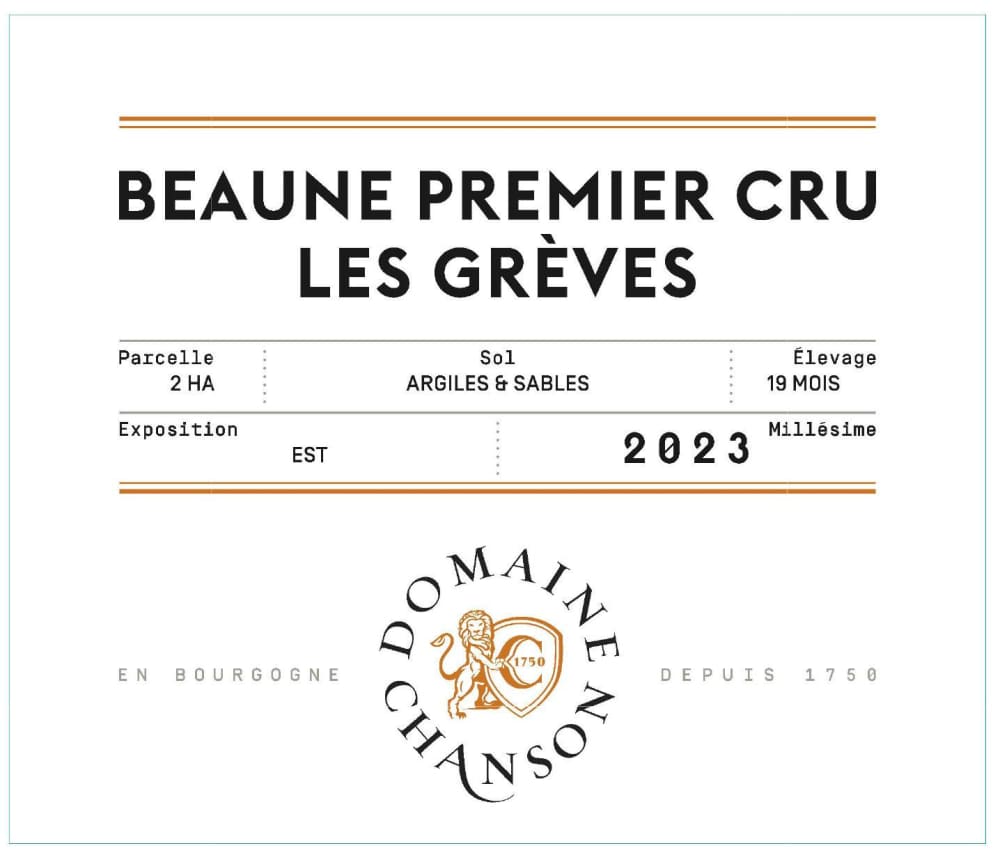
Pinot Noir should not be overlooked. Burgundy variants exhibit finesse and complexity, with notes of cherry, earth, and spice, making them ideal for pairing with duck or mushroom dishes.
Exploring these varieties provides a rich tapestry of flavors and experiences that enhance any meal or gathering. Each sip reveals something new, making every encounter with these wines memorable.
Factors Influencing the Taste of Dry Red Wine
Terroir significantly impacts flavor profiles. Soil composition, climate, and topography shape the characteristics of grapes. For instance, vines grown in limestone-rich soils often produce elegant and structured varietals.
Grape variety plays a crucial role. Each type offers unique flavor notes. For example, Cabernet Sauvignon tends to feature dark fruits, while Pinot Noir often showcases red berries and earthy undertones.
Winemaking techniques also contribute to the final product. Techniques such as oak aging add complexity and depth. The choice of barrels, whether new or used, impacts flavor as well. New oak typically imparts stronger vanilla and spice notes.
Fermentation processes can alter taste. Temperature control during fermentation helps retain delicate aromas and flavors. Malolactic fermentation softens acidity, enhancing mouthfeel.
Ageing conditions matter. Temperature stability and humidity levels during storage affect wine maturation. Generally, well-aged varieties develop more intricate flavors, evolving into smoother profiles.
Serving temperature influences perception. Slightly cooler temperatures can enhance acidity, making certain notes more pronounced. Conversely, warmer temperatures may amplify fruitiness.
Food pairings cannot be overlooked. Matching flavors enhances overall enjoyment. For instance, a robust varietal complements grilled meats well, while lighter options pair nicely with seafood or poultry.
Personal preference remains subjective. Taste varies among individuals, influenced by previous experiences and cultural backgrounds. Exploring different options broadens palate horizons.
How to Identify Quality Dry Red Wines
Look for wines with a well-defined structure, showcasing balanced acidity, tannins, and fruit flavors. A reputable label often indicates quality. Check for vintage; well-aged bottles may offer greater complexity.
Examine color; deep, rich hues suggest intensity. Swirl the glass to observe legs; thicker legs can imply higher alcohol content and potential richness.
Nose is critical; aromas should be vibrant and varied, encompassing fruits, spices, or earthy notes. If the bouquet is muted or off-putting, it may signal flaws.
Take a sip; quality selections exhibit a harmonious integration of flavors. A lingering finish often indicates craftsmanship, while a short or harsh aftertaste might suggest inferior production.
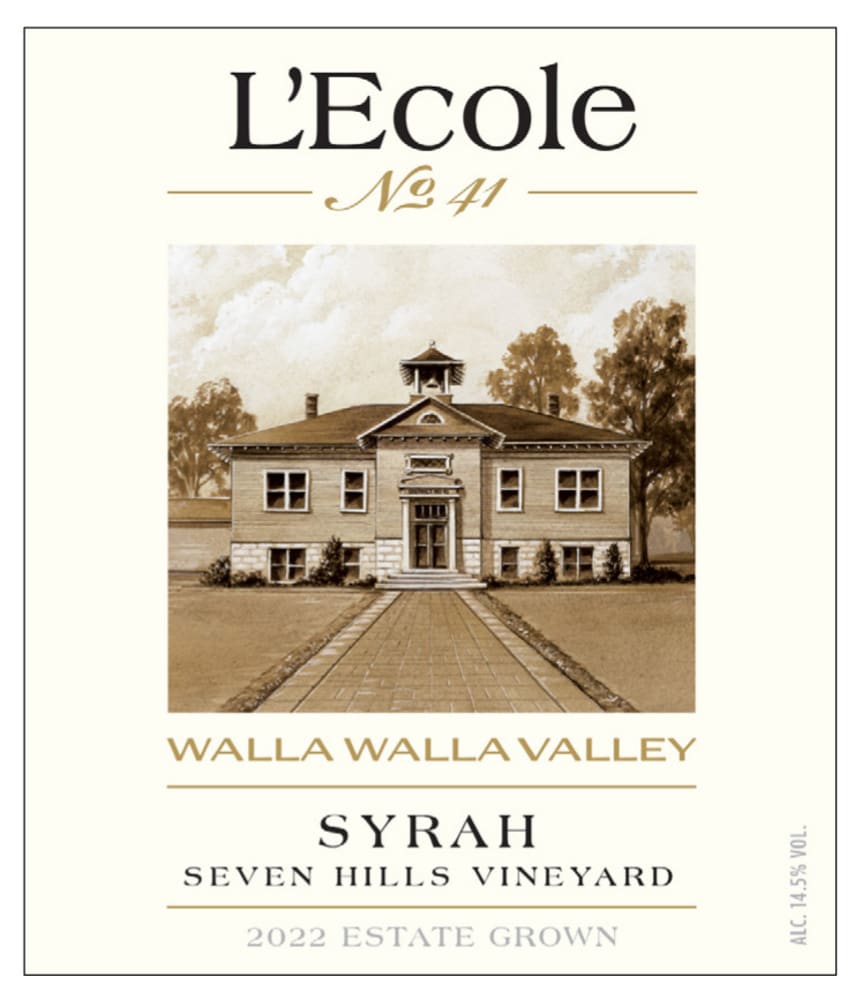
Research regions known for excellence, like Bordeaux, Barolo, or Napa Valley. Familiarize yourself with grape varieties renowned for depth and character, such as Cabernet Sauvignon or Syrah.
Engage with tasting events or local wineries. Personal experience is invaluable, allowing me to discern preferences and develop a palate for nuanced profiles.
Lastly, consider storage conditions; proper cellaring enhances longevity and flavor integrity. A well-stored bottle is more likely to deliver an exceptional experience.
Food Pairings That Enhance Flavor
Pairing certain dishes with specific varietals can elevate the overall experience. For instance, a full-bodied Cabernet Sauvignon complements grilled meats exceptionally well. The charred exterior and savory flavors of steak harmonize with the wine’s tannins, creating a balanced palate.
Cheese and Charcuterie
Soft cheeses, like Brie or Camembert, often accompany a fine Merlot, where the wine’s fruitiness softens the creaminess. Meanwhile, aged cheeses, such as Gouda or Parmigiano-Reggiano, pair beautifully with a robust Malbec. The nutty and caramel notes in the cheese enhance the depth of the wine.
Pasta Dishes
Tomato-based sauces, common in Italian cuisine, work well with Chianti. The acidity of the sauce aligns with the wine, allowing both to shine. For creamy sauces, a Pinot Noir offers a lighter touch, balancing richness without overpowering the dish.
Spicy foods, like Mexican or Indian, can find a partner in Zinfandel. Its bold fruit flavors and peppery notes complement the heat, creating a delightful contrast. Experimenting with these combinations can lead to unique and enjoyable experiences.
Regions Known for Exceptional Dry Red Wines
For remarkable experiences with robust reds, I recommend exploring the following regions, each offering unique expressions and characteristics that elevate the quality of their offerings.
Bordeaux, France
Bordeaux is synonymous with premium wines, particularly those crafted from Cabernet Sauvignon and Merlot. The Left Bank, with its gravelly soils, produces intense, tannic blends, while the Right Bank offers softer, fruitier alternatives. Visiting châteaux in this region provides an opportunity to taste some iconic labels.
Napa Valley, USA
Napa Valley stands out for its rich, full-bodied varieties, particularly Cabernet Sauvignon. The warm climate and diverse terroirs contribute to the depth of flavor and complexity found in these bottles. Wineries often provide tastings that showcase both current releases and aged selections.
| Region | Key Varieties | Flavor Profile |
|---|---|---|
| Bordeaux, France | Cabernet Sauvignon, Merlot | Rich, tannic, complex |
| Napa Valley, USA | Cabernet Sauvignon, Zinfandel | Full-bodied, fruity, bold |
| Tuscany, Italy | Sangiovese, Cabernet Sauvignon | Earthy, cherry, herbal |
| Rioja, Spain | Tempranillo, Garnacha | Spicy, fruity, smooth |
| Barossa Valley, Australia | Shiraz | Jammy, peppery, rich |
Each of these regions offers a distinctive approach to winemaking, making them worthy of exploration for anyone seeking to deepen their appreciation of quality vintages. Consider visiting local wineries to experience the terroir firsthand and engage with knowledgeable staff who can guide your tasting journey.