Chuck Furuya
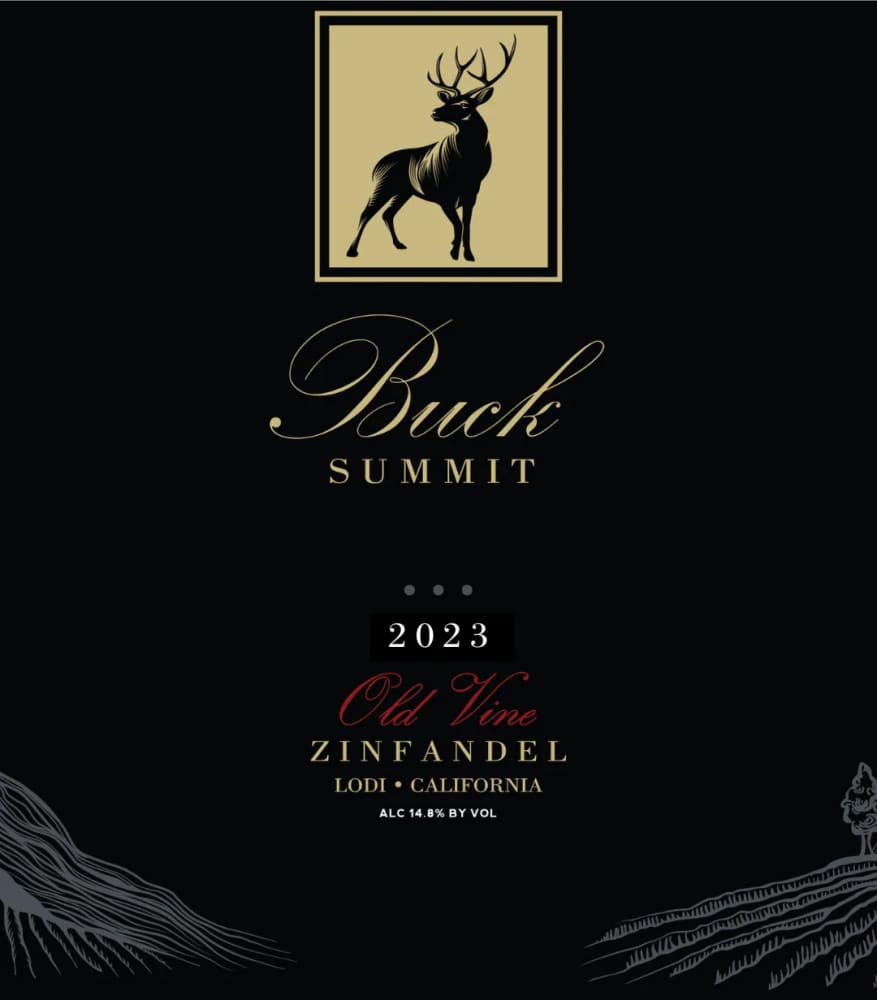
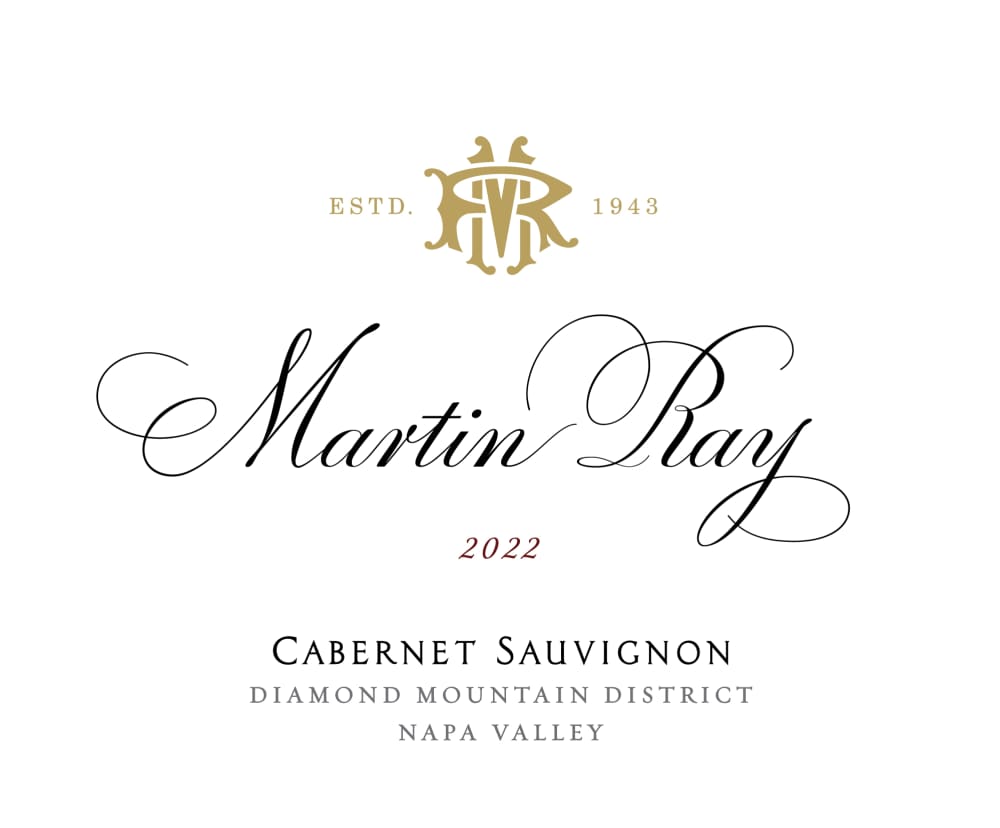
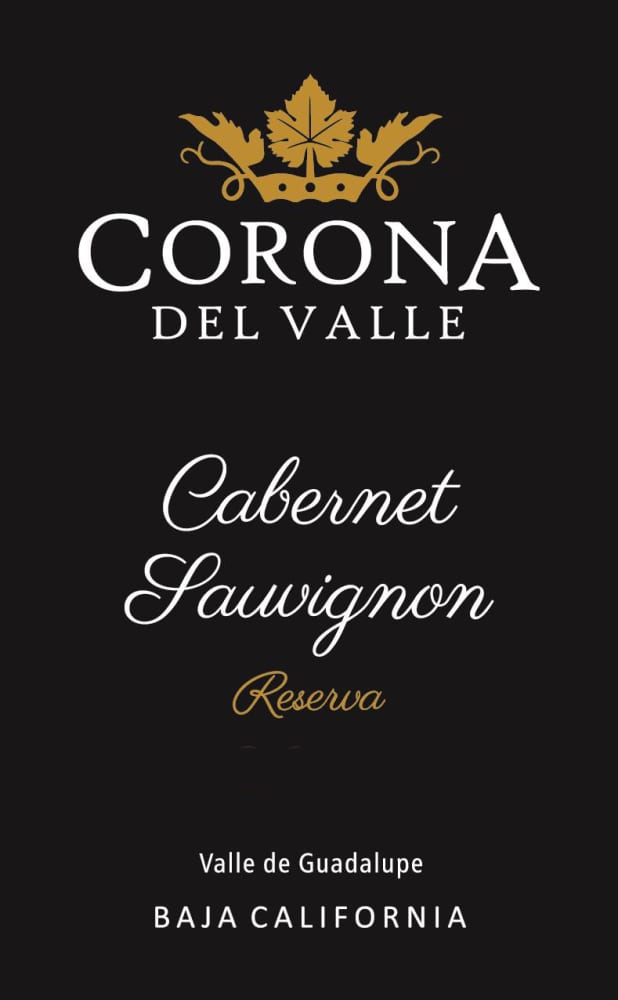
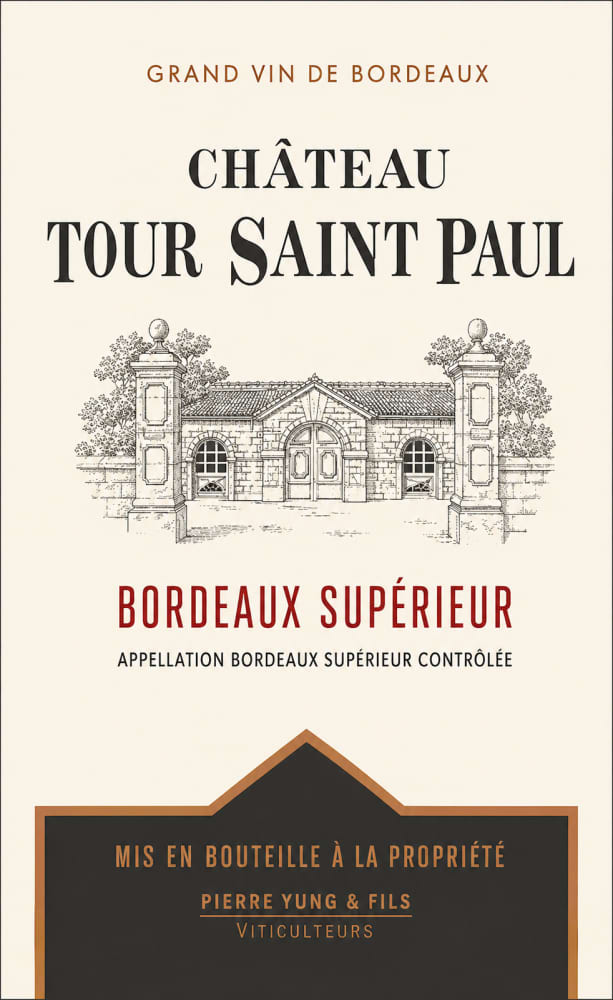
If you’re looking for a truly dry experience in your glass, I recommend exploring the offerings of Cabernet Sauvignon from regions like Napa Valley or Bordeaux. These selections often exhibit a remarkable balance of tannins and acidity, making them stand out for their crisp finish.
Another excellent choice is Pinot Noir, particularly those hailing from Burgundy. These wines are known for their vibrant fruit flavors that can be enjoyed without the heaviness of residual sugars, resulting in a refreshing sip.
Consider Tempranillo as well, especially from Spain’s Rioja region. This variety frequently delivers a delightful earthiness alongside a firm structure, leaving a clean palate after each taste.
If you want to venture into lesser-known territory, explore Grenache from the southern Rhône. These bottles often provide a beautiful expression of berry notes while maintaining a pleasantly dry character.
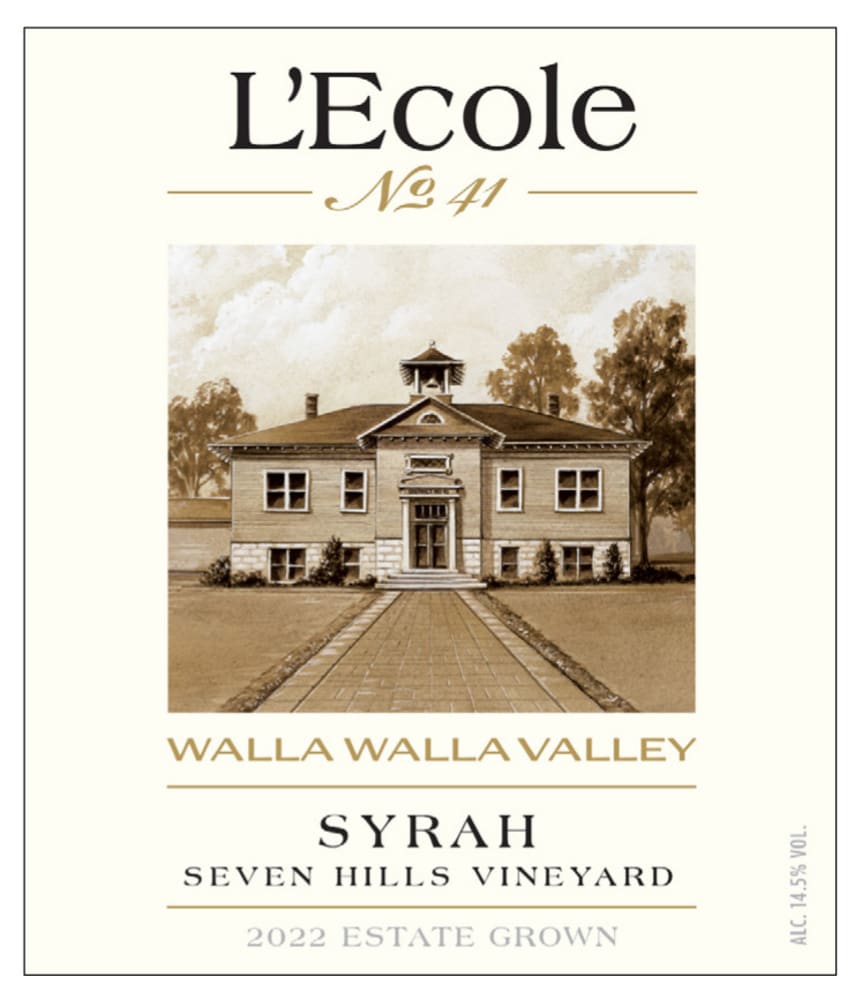
Lastly, don’t overlook Syrah from the Northern Rhône, which can offer intense flavors of dark fruit and spice without any sweetness, making it a fantastic addition to your dry wine repertoire.
Recommendations for Extremely Dry Varietals
For a truly parched experience, I highly recommend exploring Cabernet Sauvignon from regions like Napa Valley and Bordeaux. The tannins in these selections often contribute to an impression of dryness, with minimal residual sugar.
Another excellent choice is Syrah from the Northern Rhône, particularly from appellations such as Côte-Rôtie and Hermitage. These wines exhibit bold flavors and a robust structure, enhancing the sensation of dryness.
Pinot Noir from Burgundy also fits the bill, especially those from the Côte d’Or. These wines typically showcase bright acidity and light tannins, resulting in a clean and crisp finish.
Tempranillo originating from the Rioja region can be an outstanding option as well. Look for Reserva or Gran Reserva classifications, where aging contributes to a drier profile through oak influence.
Lastly, I recommend exploring Malbec from Argentina. When sourced from higher altitude regions like Mendoza, these selections often have concentrated flavors with a distinctly dry character.
Understanding Dryness in Red Wines
To identify completely non-sweet options, I recommend focusing on specific varietals known for their lack of residual sugar. Look for the following types:
- Cabernet Sauvignon: Often exhibits firm tannins and a bold structure, making it a prime candidate for dryness.
- Syrah/Shiraz: Typically rich in flavor with a peppery finish, this grape tends to avoid sweetness.
- Pinot Noir: Known for its elegance and finesse, this option generally has a low sugar content.
- Malbec: With its dark fruit flavors and tannic backbone, it usually presents a non-sweet profile.
- Tempranillo: A staple in Spanish regions, it often showcases a robust character without sweetness.
Pay attention to the alcohol content; higher levels often correlate with lower sugar levels. I suggest seeking out bottles with at least 13.5% alcohol by volume (ABV) for a better chance at dryness.
Additionally, checking for the term “dry” on the label can guide your selection. Look for producers who emphasize a non-sweet style, as they often aim for a more traditional expression of the grape.
Finally, consider tasting notes and reviews. Wines described as “crisp,” “tannic,” or “structured” are likely to be more on the dry side. Engaging with knowledgeable staff at wine shops can further refine your choices.
Key Varietals Known for Dryness
Cabernet Sauvignon stands out for its robust character and minimal residual sweetness. This varietal from regions like Napa Valley and Bordeaux exhibits bold tannins and rich flavors, making it a prime choice for those seeking a truly arid experience.
Merlot often surprises with its ability to provide depth without excess sweetness. While softer than Cabernet Sauvignon, high-quality examples emphasize structure and fruitiness, particularly from regions such as Bordeaux and California.
Syrah/Shiraz
Syrah, known as Shiraz in Australia, delivers intense flavors alongside a dry profile. Grapes from the Rhône Valley or Barossa Valley showcase dark fruit notes, pepper, and sometimes smokiness, maintaining dryness throughout.
Tempranillo
Tempranillo, a staple in Spanish winemaking, offers a savory quality, with its dry nature often enhanced by oak aging. This varietal shines in regions like Rioja, where it balances fruit and earthiness without succumbing to sweetness.
Regions Famous for Bone Dry Red Wines
One of my top recommendations for exceptionally crisp and non-sweet varietals comes from the Bordeaux region of France. Here, Cabernet Sauvignon and Merlot thrive, yielding structured and tannic selections that often exhibit notes of dark fruits, herbs, and a distinct mineral quality. The gravelly soils contribute to the dryness and complexity of these selections.
Another standout area is Tuscany, particularly Chianti. Sangiovese grapes are predominant, producing wines with a bright acidity and firm tannins. The characteristic tart cherry and earthy undertones make these offerings incredibly food-friendly, complementing a variety of dishes.
Other Noteworthy Regions
Priorat in Spain is renowned for its bold blends, primarily composed of Garnacha and Cariñena. The mountainous terrain and old vines yield concentrated flavors and low residual sugar, resulting in an intensely dry profile that is both powerful and elegant.
The Barossa Valley in Australia offers a different take with its Shiraz. The warm climate allows for fully ripened grapes, creating rich, full-bodied selections with minimal sweetness. The wines often show dark fruit and spicy characteristics, making them a great match for hearty meals.
| Region | Key Varietal | Flavor Profile |
|---|---|---|
| Bordeaux, France | Cabernet Sauvignon, Merlot | Dark fruits, herbs, mineral |
| Tuscany, Italy | Sangiovese | Tart cherry, earthy |
| Priorat, Spain | Garnacha, Cariñena | Intense, bold, earthy |
| Barossa Valley, Australia | Shiraz | Rich, spicy, dark fruit |
These regions consistently produce selections that exemplify dryness and complexity, making them ideal for those seeking a truly non-sweet experience in their glass.