Chuck Furuya



If you’re seeking a remarkable bottle, I highly recommend a Barolo from the Piedmont region of Italy. Known for its robust tannins and complex flavor profile, this exquisite choice showcases notes of cherry, rose, and earthy undertones. Aged for a minimum of three years, Barolo offers a depth that evolves beautifully in the glass.
Another standout option is a well-crafted Cabernet Sauvignon from Napa Valley. The rich, full-bodied character of this varietal often presents flavors of blackcurrant, plum, and hints of vanilla from oak aging. Look for producers like Stag’s Leap Wine Cellars or Silver Oak for an exceptional experience that highlights the terroir of the region.
If you prefer something with a bit more finesse, a Pinot Noir from Burgundy could be your ideal match. The delicate balance of acidity and fruitiness, along with its silky texture, makes it a pleasure to sip. Domaine de la Romanée-Conti is renowned for its outstanding examples, though many excellent and more accessible options exist from regions like Oregon or California.

Finally, for a unique twist, consider a Grenache from the Southern Rhône. Its bright red fruit flavors, coupled with spice and herbaceous notes, create a delightful profile that pairs well with a variety of dishes. Châteauneuf-du-Pape offers some of the finest selections, combining tradition and craftsmanship in every bottle.
Identifying Key Characteristics of Quality Red Wines
To distinguish exceptional varietals, I focus on several defining traits that elevate the tasting experience. Here are the key aspects I evaluate:
Aroma Profile
A complex bouquet is a hallmark of excellence. I look for:
- Fruity notes: Characteristics like blackberry, cherry, or plum should be prominent.
- Earthy undertones: Hints of leather, tobacco, or forest floor add depth.
- Spice elements: Aromas of pepper, clove, or vanilla indicate careful aging.
Flavor Complexity
The palate should offer a spectrum of flavors. I pay attention to:
- Balance: The sweetness of fruit, acidity, and tannins should harmonize.
- Length: A lingering finish reflects quality; flavors should persist.
- Structure: A solid backbone of tannins enhances mouthfeel and aging potential.
In my experience, these characteristics serve as reliable indicators of a superior vintage. Each sip reveals the craftsmanship and terroir behind the bottle.
Top Regions Known for Exceptional Red Wine Production
Bordeaux stands out as a premier locale for crafting exquisite blends, particularly with Cabernet Sauvignon and Merlot. The Left Bank, with its gravelly soils, nurtures robust flavors and fine tannins, while the Right Bank, especially in Saint-Émilion, showcases elegance through softer, fruit-forward profiles.
Tuscany is renowned for its Sangiovese. The Chianti Classico area produces vibrant expressions that highlight cherries and earthy undertones. The Brunello di Montalcino, a standout, offers depth and aging potential, marked by complex aromas and a full-bodied texture.
In the Rhône Valley, both Northern and Southern regions shine. The Syrah from Côte-Rôtie and Hermitage is celebrated for its intense fruit and peppery notes, while Châteauneuf-du-Pape provides a blend of Grenache and Mourvèdre, creating wines with rich fruit and herbal complexities.
California’s Napa Valley is synonymous with bold Cabernet Sauvignon. Its warm climate results in concentrated flavors, often marked by dark fruits and velvety tannins. The region’s microclimates allow for a diverse range of varietals, including Zinfandel and Pinot Noir.
Australia’s Barossa Valley is another hotspot, particularly for Shiraz. Known for its ripe, jammy characteristics, wines from this area are often full-bodied with a touch of oak influence, making them approachable and rich.
| Region | Key Varietals |
|---|---|
| Bordeaux | Cabernet Sauvignon, Merlot |
| Tuscany | Sangiovese |
| Rhône Valley | Syrah, Grenache |
| Napa Valley | Cabernet Sauvignon, Zinfandel |
| Barossa Valley | Shiraz |
Understanding Different Red Wine Varietals and Their Profiles
For a delightful experience, I recommend exploring the following varietals that each offer unique characteristics.
-
Cabernet Sauvignon: Known for its bold structure and rich tannins, this grape typically features notes of blackcurrant, cedar, and green bell pepper. Ideal pairings include grilled meats and hearty stews.
-
Merlot: Softer and fruitier than Cabernet, Merlot presents flavors of plum, cherry, and chocolate. Its velvety texture complements dishes like roast chicken and pasta with tomato sauce.
-
Pinot Noir: This varietal is lighter in body, showcasing bright red fruit flavors such as raspberry and cherry, along with earthy undertones. It pairs beautifully with salmon, duck, or mushroom risotto.
-
Syrah/Shiraz: Offering a robust profile with dark fruit, pepper, and spice notes, Syrah from the Rhône region or Shiraz from Australia works well with barbecued meats and spicy dishes.
-
Zinfandel: Known for its jammy fruit flavors combined with peppery spice, Zinfandel excels with BBQ ribs and hearty chili, making it perfect for casual gatherings.
-
Sangiovese: The backbone of Chianti, this grape is characterized by its bright acidity and flavors of cherry and tomato. It pairs well with Italian cuisine, particularly pizza and pasta.
Each varietal provides a distinct taste profile that enhances various culinary experiences. Exploring these options can lead to memorable pairings and a deeper appreciation for viniculture.
How to Read Wine Labels and Understand Ratings
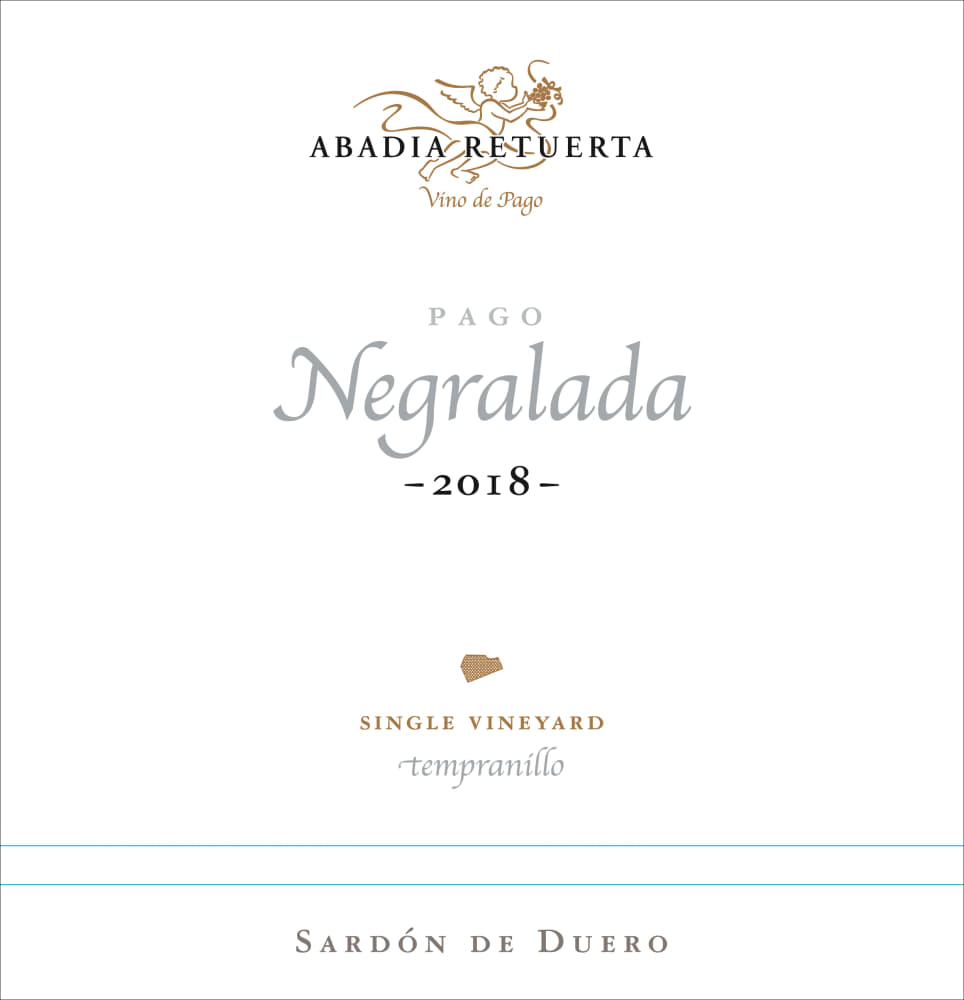
Focusing on labels is crucial for selecting a bottle that meets my preference. Here’s how I dissect them:
- Producer Name: This identifies the winery or estate. Renowned producers often signify quality.
- Varietal: Indicates the grape type. Familiarity with varietals helps me anticipate flavors and aromas.
- Region: The geographical area impacts the characteristics. Well-known regions often produce exceptional examples.
- Vintage: The year of harvest can affect taste. Older vintages may show complexity, while younger ones might be fresher.
- Alcohol Content: Usually listed as a percentage. Higher levels can indicate a richer experience, while lower may suggest a lighter profile.
- Ratings: Look for scores from reputable critics or publications. A score above 90 often signifies excellence.
Understanding these components allows me to make informed choices. I often cross-reference ratings with my personal tastes to refine my selections further.
Additionally, I note any tasting notes or descriptions on the back label. These insights provide context about flavor profiles and pairings. I find it helpful to keep a journal of my experiences with different bottles to develop my palate over time.
- Review Labels: Pay attention to details, as they can reveal the winemaker’s intentions.
- Research Ratings: Familiarize myself with the scoring system of various critics.
By applying these strategies, I enhance my understanding and enjoyment of each selection, making my exploration of wines more rewarding.
Pairing Red Wine with Food: Best Combinations
For a delightful experience, I recommend pairing a Cabernet Sauvignon with a juicy ribeye steak. The rich tannins and bold flavors complement the meat’s marbling perfectly, enhancing both the wine and the dish.
Classic Combinations
Merlot pairs beautifully with roasted chicken or duck. The wine’s soft texture and plum notes harmonize well with the savory flavors, creating a balanced meal. Another excellent match is Pinot Noir with salmon; its acidity cuts through the fish’s richness, providing a refreshing contrast.

Adventurous Pairings
For a unique twist, try Zinfandel with barbecue ribs. The wine’s fruity profile pairs seamlessly with the smoky, sweet sauce. Alternatively, a Syrah goes well with spicy dishes like Indian curry, as its bold character complements the intense spices.
Storing Red Wine: Tips for Preservation and Aging
Maintain optimal conditions by storing bottles horizontally. This keeps the cork moist, preventing it from drying out and allowing air to seep in.
Temperature Control
Keep your collection in a stable environment with temperatures between 50°F and 65°F (10°C to 18°C). Avoid fluctuations, as they can harm the liquid’s integrity. Avoid placing bottles near heat sources like radiators or direct sunlight, which can damage the flavors.
Humidity and Light
Aim for humidity levels around 60% to 70% to prevent corks from drying. Too much moisture can lead to mold growth on the labels, while too little can compromise the seal. Store bottles in a dark place or use UV-filtering glass to protect from light exposure, which can degrade quality.
Consider investing in a wine fridge if you lack a suitable environment. These appliances maintain perfect temperature and humidity, ensuring your selection ages gracefully. Lastly, avoid vibrations from appliances or heavy foot traffic that could disturb sediment in older bottles.
FAQ:
What characteristics define a really good red wine?
A really good red wine typically exhibits a balance of flavors, aromas, and textures. Key characteristics include a rich bouquet that can range from fruity and floral to earthy and spicy, depending on the grape variety and region. The taste should be well-rounded, combining acidity, tannins, and sweetness in a harmonious way. A long finish, where the flavors linger pleasantly after swallowing, is also a hallmark of quality. Additionally, the wine should have a certain complexity, with layers of flavor that unfold as you sip.
How do I choose a good red wine for dinner?
Choosing a good red wine for dinner involves considering the food you’ll be serving. A general rule is to match the wine’s body with the richness of the dish. For example, a full-bodied wine like Cabernet Sauvignon pairs well with red meats, while a lighter wine like Pinot Noir complements poultry and seafood. Additionally, consider the wine’s flavor profile; fruity wines can enhance sweet dishes, while earthy wines work well with savory foods. Don’t hesitate to ask for recommendations at your local wine shop, as they can guide you based on your menu and preferences.
Are there specific regions known for producing excellent red wines?
Yes, certain regions are renowned for their exceptional red wines. Bordeaux in France is famous for its blends, particularly those made from Merlot and Cabernet Sauvignon. The Napa Valley in California is known for its bold Cabernets and Zinfandels. Italy’s Tuscany is celebrated for Chianti and Brunello di Montalcino, while Spain’s Rioja and Ribera del Duero regions produce outstanding Tempranillo wines. Each of these regions has a unique terroir that contributes to the distinct flavors and characteristics of their wines.
What should I look for on a wine label to identify quality red wine?
When assessing a wine label for quality, look for the following details: the region of origin, as prestigious areas often produce higher-quality wines; the grape variety, since certain grapes are known for their quality; and the vintage year, which can indicate the wine’s age and potential for flavor development. Additionally, consider looking for ratings or awards, as these can provide insight into the wine’s reputation. However, personal preference is key, so don’t hesitate to try different wines to find what you enjoy the most.
How should I store a good red wine at home?
To store a good red wine properly, keep it in a cool, dark place with a consistent temperature, ideally between 55°F and 65°F (13°C to 18°C). It’s best to store the bottles horizontally to keep the cork moist and prevent it from drying out. Avoid areas with strong light, humidity, or vibrations, as these factors can negatively affect the wine. If you have a larger collection, consider investing in a wine fridge or cellar to maintain optimal conditions. For wines meant to be consumed young, short-term storage is fine, but for those intended for aging, proper conditions are crucial.
What characteristics define a really good red wine?
A really good red wine typically displays a balance of several key characteristics. These include aroma, flavor, acidity, tannin levels, and body. A pleasant aroma can feature notes of fruit, spices, and even earthy undertones. The flavor should be rich and complex, offering a range of tastes that can include dark fruits, chocolate, or herbs. Acidity is crucial for freshness and helps to balance the wine, while tannins contribute to the structure and aging potential. Lastly, the body of the wine, whether light, medium, or full, should complement its other characteristics, creating an enjoyable overall experience.
How can I choose a good red wine for a special occasion?
Choosing a good red wine for a special occasion involves considering several factors. First, think about the preferences of your guests. Do they enjoy full-bodied wines like Cabernet Sauvignon or lighter ones like Pinot Noir? Next, consider the food pairing; a wine that complements the meal enhances the overall experience. Price is another factor; while you don’t need to break the bank, a higher-quality bottle often makes a better impression. Lastly, read reviews or ask for recommendations at your local wine shop to discover wines that are well-regarded. Taking the time to select carefully can make the occasion memorable.
Are there specific regions known for producing high-quality red wines?
Yes, certain regions are renowned for their exceptional red wines due to their unique climates, soil types, and winemaking traditions. For instance, Bordeaux in France is famous for its blends, primarily featuring Cabernet Sauvignon and Merlot. The Napa Valley in California is celebrated for its robust Cabernet Sauvignon. Similarly, Tuscany in Italy produces outstanding Chianti and Super Tuscan wines, which often showcase Sangiovese grapes. Each of these regions has distinct characteristics influenced by their terroir, making them noteworthy destinations for red wine enthusiasts.