Chuck Furuya
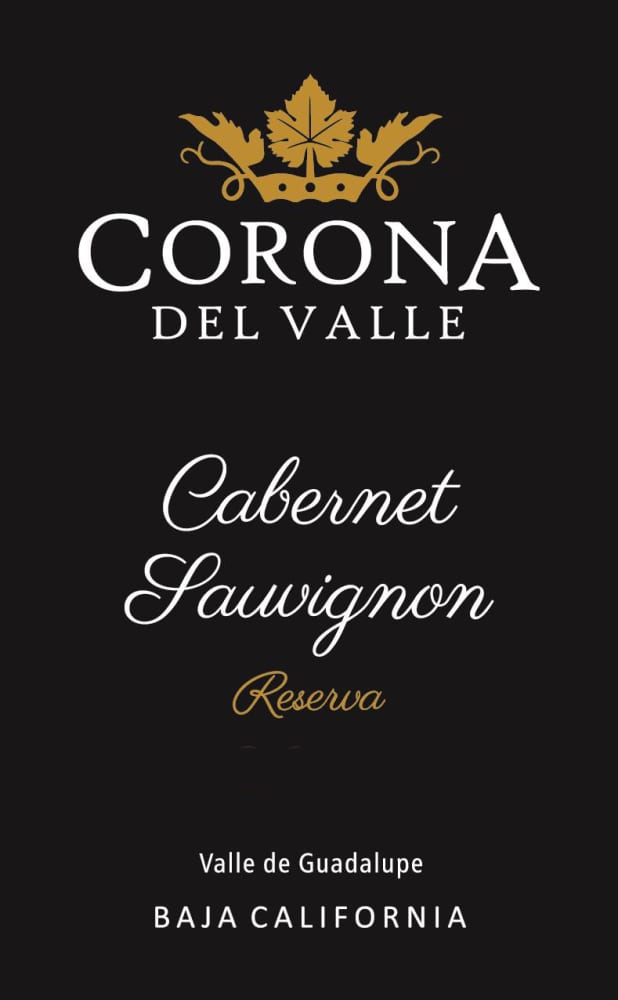



If you’re seeking a bold experience, I highly recommend exploring a Cabernet Sauvignon from regions like Napa Valley or Bordeaux. These selections often feature rich tannins, dark fruit notes, and a complex profile that leaves a lasting impression on the palate.
Another excellent choice is a Malbec, particularly from Argentina. This varietal tends to offer intense flavors of blackberry, plum, and chocolate, accompanied by a velvety mouthfeel that enhances its depth. The strong, fruity undertones combined with hints of spice make it a favorite among enthusiasts.
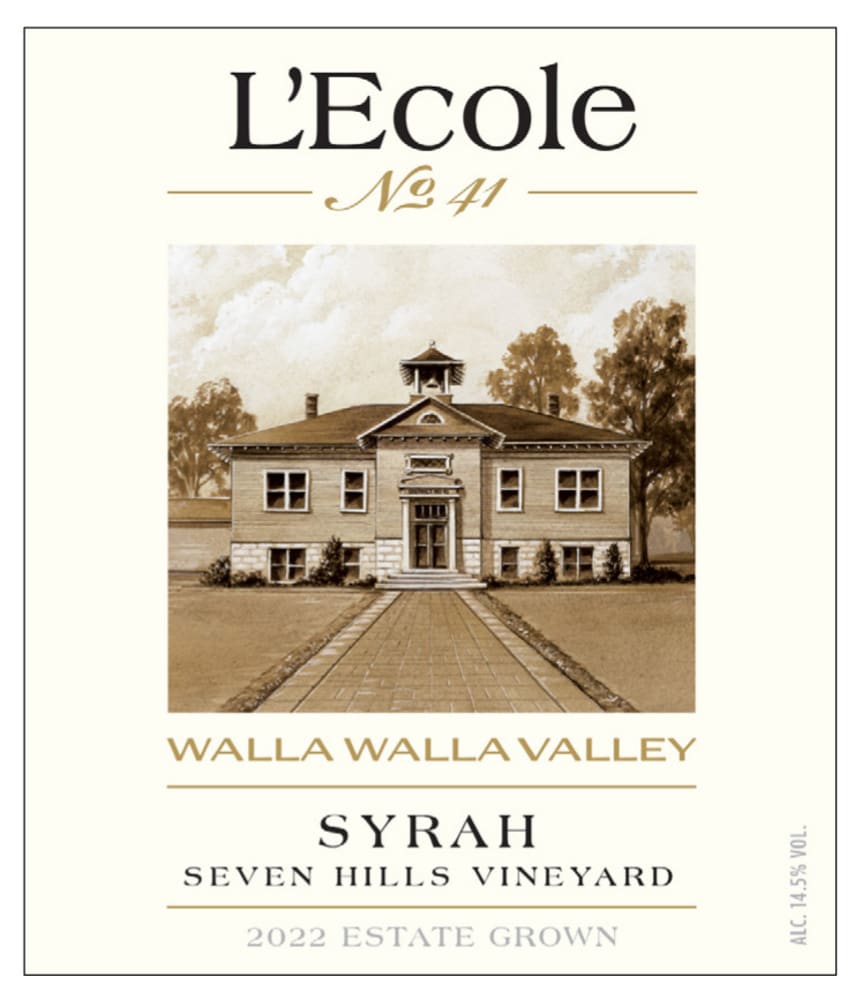
For those who appreciate a more robust profile, a Syrah from the Rhône Valley delivers a punch with its bold black fruit flavors, peppery notes, and sometimes smoky undertones. Its full-bodied nature and rich complexity ensure a memorable tasting experience.
Finally, consider a Zinfandel, especially from California. Known for its jammy characteristics and higher alcohol content, this choice packs a flavorful punch with notes of raspberry, blackberry, and a hint of vanilla. It’s a delightful option for anyone looking to indulge in a powerful tasting journey.
Which Red Wine Has the Strongest Flavor
For a bold experience, I recommend seeking out a Cabernet Sauvignon from regions like Napa Valley or Bordeaux. These varieties often display intense notes of dark fruits, oak, and a hint of spice, creating a rich palate impression.
Another excellent choice is Syrah, particularly those from the Northern Rhône. These wines are known for their robust flavors of blackberry, pepper, and sometimes smoky undertones, providing a complex and powerful tasting experience.
Malbec from Argentina also stands out for its full-bodied characteristics. Expect deep plum and blackberry flavors, complemented by a velvety texture and hints of cocoa, making it a favorite among those who enjoy a more substantial sip.
Tempranillo from Spain, especially those labeled as Reserva, can deliver an impressive depth with flavors of cherry, leather, and tobacco, showcasing the aging process in oak barrels.
Exploring blends, such as those from Châteauneuf-du-Pape, can also yield remarkable intensity, with a combination of Grenache, Mourvèdre, and Syrah offering a multitude of flavors ranging from ripe fruits to earthy notes.
To elevate your tasting experience, consider pairing these selections with hearty dishes, enhancing the overall impact of each sip.
Understanding Flavor Profiles in Red Wines
For those seeking intense taste experiences, consider Malbec from Argentina. This varietal presents a bold profile, characterized by dark fruit notes, such as blackberry and plum, accompanied by hints of chocolate and pepper. Its robust tannins create a full-bodied sensation, making it a favorite among enthusiasts who appreciate depth.
Exploring Other Robust Options
Cabernet Sauvignon, particularly from regions like Napa Valley, also delivers a significant impact. Its flavors often include black currant, cedar, and tobacco, layered with a firm structure that enhances its longevity. This option pairs well with grilled meats, amplifying the overall dining experience.
Unique Choices for Adventurous Palates
For something less conventional, try a Tannat, especially from Uruguay. This grape offers a powerful taste with strong tannins and dark berry flavors, often accompanied by earthy undertones. It’s an excellent choice for those looking to explore beyond the mainstream selections.
Top Varietals Known for Bold Flavors
Cabernet Sauvignon stands out with its rich, full-bodied profile. Dark fruits like blackberry, along with notes of cedar and tobacco, create an intense experience. For a robust choice, seek out bottles from Napa Valley, where ripe fruit expression is heightened by ideal growing conditions.
Syrah offers another powerful option. Its flavor spectrum ranges from dark berries to spicy and smoky nuances. Regions like the Rhône Valley produce exceptional varieties that are layered and complex, often enhanced by aging in oak barrels.
Zinfandel: A Bold Expression
Zinfandel delivers a unique combination of jammy fruit and peppery spices. This varietal thrives in California, where the warm climate contributes to its high alcohol content and concentrated flavors. Look for old-vine Zinfandels for a more intense tasting experience.
Malbec: Rich and Velvety
Malbec from Argentina is renowned for its deep color and plush mouthfeel. Dark plum, chocolate, and earthy undertones make it a favorite among those seeking depth. The best examples often originate from the Mendoza region, where high altitude enhances complexity.
Each of these varietals showcases a spectrum of bold tastes that cater to those who appreciate intensity in their glass. Exploring different producers and regions can lead to discovering exceptional bottles that stand out.
How Terroir Influences Wine Flavor Strength
To enhance your tasting experience, focus on the influence of terroir in your selections. Terroir encompasses soil composition, climate, altitude, and local grape-growing practices, shaping the characteristics of each varietal.
The mineral content in the soil significantly affects the sensory attributes of grapes. For instance, wines from volcanic soils often exhibit intense minerality, contributing to a bolder palate. Regions like Etna in Sicily are renowned for this distinctive quality.
Climate plays a pivotal role as well. Warmer regions typically yield more concentrated fruits, while cooler climates preserve acidity and freshness. For example, Napa Valley’s sun-drenched vineyards produce robust, fruit-forward options, whereas Bordeaux’s temperate climate leads to more nuanced profiles with earthy undertones.
Additionally, altitude influences flavor intensity. Higher elevations often result in grapes with thicker skins, imparting greater tannins and deeper colors. The Andes region in Argentina is a prime example, where Malbec thrives at high altitudes, showcasing bold and complex layers.
Lastly, local practices such as vineyard management and fermentation techniques further define the profile. Organic and biodynamic methods often enhance the purity of flavors, allowing the terroir to shine through. Regions embracing such practices, like Burgundy, are celebrated for their intricate and powerful expressions.
| Terroir Element | Impact on Flavor |
|---|---|
| Soil Composition | Minerality and texture |
| Climate | Fruit concentration and acidity |
| Altitude | Tannin levels and color depth |
| Local Practices | Purity and expression of terroir |
Understanding these elements will guide your selection towards more impactful options, providing a richer tasting journey. Pay close attention to the terroir of your chosen varieties for a deeper appreciation of their unique profiles.
Comparing Tannins and Acidity in Red Wines
When assessing the intensity of taste in various varietals, I focus on tannins and acidity as key components. Tannins contribute to the astringency and structure, while acidity adds brightness and freshness. High-tannin options such as Cabernet Sauvignon and Syrah often lead to a more robust mouthfeel, complementing rich dishes like grilled meats or hearty stews.
Tannins: The Backbone of Structure
In my experience, wines with elevated tannin levels, like Malbec and Nebbiolo, tend to have a bolder presence on the palate. These tannins can create a lingering finish that enhances the overall tasting experience. I find that decanting these selections allows the tannins to soften, revealing deeper layers of flavor.
Acidity: The Brightness Factor
Acidity plays a pivotal role in balancing the richness of certain varietals. High-acid wines, such as Pinot Noir and Gamay, provide a refreshing counterpoint to heavier foods. This balance can make them feel lighter and more approachable while still delivering complexity and depth. For me, the interplay between acidity and tannins often dictates the overall enjoyment of a particular pour.
Food Pairings that Enhance Bold Red Wines
To elevate the experience of robust reds, I recommend pairing them with hearty dishes that complement their intensity. Here are some specific pairings that work exceptionally well:
- Grilled Meats: Juicy steaks, particularly ribeye or sirloin, offer a rich flavor that harmonizes with deep tannins.
- Rich Pasta Dishes: Pasta with a meat-based sauce, such as Bolognese or a hearty ragu, enhances the complexity of the drink.
- Game: Dishes featuring venison or wild boar provide an earthy profile that matches the boldness of these beverages.
- Spicy Dishes: Spicy barbecue or chili can contrast nicely with the fruit-forward notes, creating a balanced palate.
- Strong Cheeses: Aged cheddar or blue cheese brings out the richness, allowing the wine’s characteristics to shine.
When enjoying these full-bodied options, consider the cooking methods as well. Roasting, grilling, and smoking enhance flavors, making the pairings even more dynamic. Additionally, serving the drink at the right temperature–slightly cooler than room temperature–will help in highlighting its nuances.
Experimenting with different combinations can reveal new dimensions in both the food and the beverage. Always trust your palate; personal preferences play a significant role in the enjoyment of these pairings.