Chuck Furuya




For those seeking a rich and expressive beverage, I highly recommend exploring a certain type of vinous delight characterized by its lack of residual sweetness and an abundance of complex flavors. This particular style often showcases notes of dark fruits such as blackberries, cherries, and plums, accompanied by subtle hints of spice and oak.
Choosing a bottle from regions known for their exceptional craftsmanship, like Bordeaux or Barossa Valley, can enhance your tasting experience. Look for varieties made from grapes such as Cabernet Sauvignon or Syrah, as they tend to deliver the boldness and structure you might appreciate. Pairing this vintage with grilled meats or aged cheeses will elevate your culinary adventure.

When served at the right temperature, typically slightly cooler than room temperature, the intricate aromas and flavors can truly shine. Make sure to decant it for at least half an hour before enjoyment to allow the bouquet to open up fully, revealing the nuances that make this drink so captivating.
Understanding a Dry Fruity Red Beverage
For a delightful experience, I recommend exploring options like Pinot Noir or Gamay. Both offer a balance of refreshing notes with minimal sweetness. These varieties showcase vibrant characteristics while maintaining a sophisticated edge.
Here are some key attributes to consider:
- Aroma: Expect hints of cherry, raspberry, or plum, often complemented by subtle earthy undertones.
- Palate: The taste profile generally includes bright fruit flavors, accompanied by soft tannins and a crisp finish.
- Food Pairing: Perfect companions include grilled chicken, roasted vegetables, or even a hearty mushroom risotto.
To enhance your tasting experience, serve these selections slightly chilled. This temperature accentuates their fruity essence and provides a refreshing sip. Look for bottles labeled with lower residual sugar levels to ensure you’re choosing the right option.
Exploring different regions can yield fascinating results. Wines from cooler climates often exhibit more pronounced acidity and freshness, while warmer areas may produce bolder fruit flavors. Pay attention to the vintage as well, as it can influence the wine’s profile significantly.
When selecting a bottle, consider visiting a local wine shop and asking for recommendations based on your preferences. This personal touch can lead to discovering unique treasures that suit your taste perfectly.
Characteristics of Dry Fruity Red Wines
In my experience, the hallmark of these selections lies in their balanced flavor profile. They often feature a pronounced fruitiness, showcasing notes like cherry, raspberry, or plum, while maintaining a subtle earthiness that adds depth. I find that the acidity works well to enhance the fruit without overwhelming it, creating a refreshing quality.
The tannin structure plays a crucial role, providing a smooth mouthfeel without being overly astringent. This characteristic allows for versatility in food pairings, complementing dishes such as grilled meats or pasta with tomato-based sauces. I appreciate how these options can be enjoyed both young and after some aging, as they tend to develop complexity over time.
Another aspect that stands out is the aroma. These selections often exude a bouquet of ripe fruits alongside hints of spice, which can vary depending on the grape variety and region. It’s fascinating to explore how terroir influences these aromatic profiles, contributing to a unique tasting experience.
In terms of alcohol content, I usually find these wines to have a moderate level, typically ranging from 12% to 14.5%. This balance allows for an enjoyable sipping experience, whether on a casual evening or during a more formal gathering.
When selecting these wines, I recommend paying attention to the producer’s style and the specific grape varietals used, as they can significantly influence the final product’s characteristics. Personal preferences can vary widely, so tasting different examples is the best way to discover what resonates with your palate.
Popular Varieties of Dry Fruity Red Wines
I highly recommend exploring the following varieties for a satisfying experience:
-
Merlot: Known for its smooth texture and notes of black cherry and plum, this option is versatile and pairs well with various dishes, especially roasted meats and pasta.
Trending Now Elegant Wooden Wine Rack - Style DStylish and functional for all winesEnhance your wine collection with this beautifully designed wooden wine rack. Its light luxury style complements any decor while providing practical storage. -
Cabernet Sauvignon: With a robust profile featuring blackcurrant, cedar, and spice, this choice is perfect for those who enjoy a bold flavor. It complements grilled steaks and hearty stews beautifully.
-
Pinot Noir: Celebrated for its elegance, this selection offers flavors of raspberry, cherry, and earthy undertones. It’s an excellent match for salmon or roasted chicken due to its lighter body.
-
Tempranillo: A Spanish classic, this variety showcases dried fig, cherry, and leather notes. Ideal with tapas or grilled vegetables, it brings a unique flair to any meal.
-
Sangiovese: Hailing from Italy, this grape provides flavors of red plum, cherry, and dried herbs. It pairs wonderfully with pizza and tomato-based dishes, enhancing the overall dining experience.
-
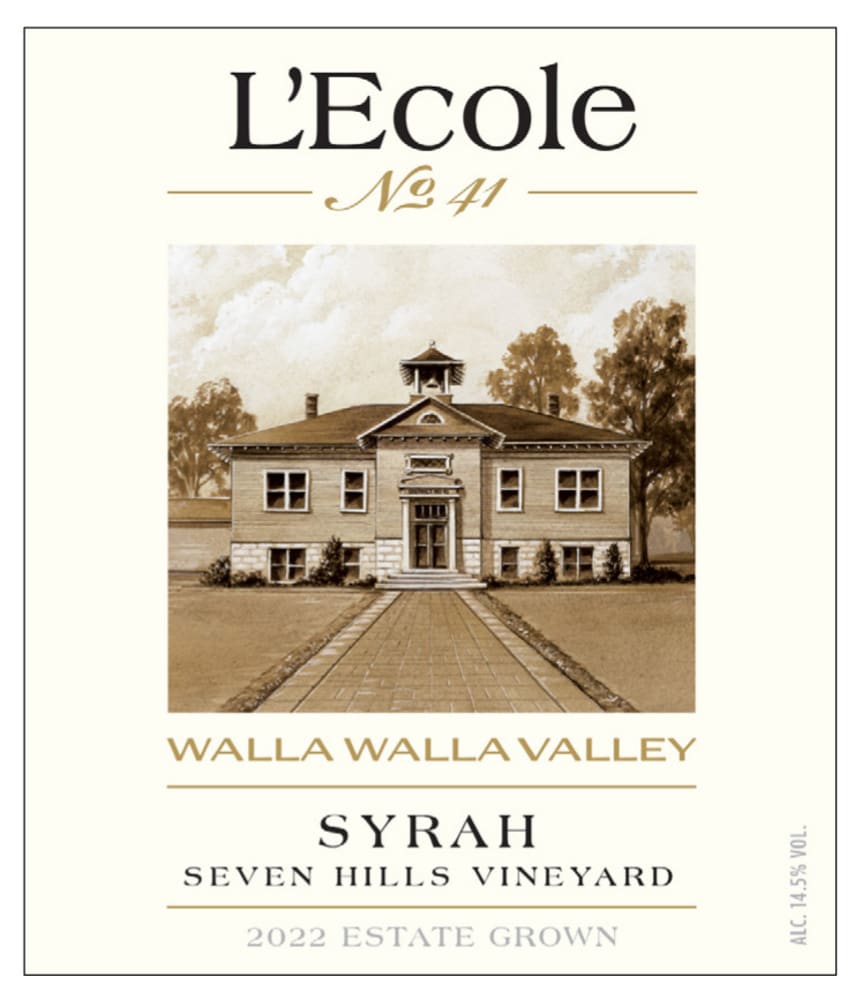
Shiraz/Syrah: Known for its intense fruit flavors like blackberry and plum, along with peppery notes. This option works well with barbecued meats and spicy cuisine.
Each variety presents distinct characteristics, making them suitable for various occasions and food pairings. Experiment with these selections to find your preferred match.
Food Pairings for Dry Fruity Red Wines
For a delightful experience, pair your favorite bottle with grilled meats such as lamb or beef. The rich flavors complement the tannins found in these beverages, creating a harmonious balance. Roasted vegetables, particularly bell peppers and eggplant, also work well, enhancing the wine’s natural sweetness.
Cheese and Charcuterie
Soft cheeses like Brie and Camembert provide a creamy contrast, while aged cheddar adds a savory note. For charcuterie, opt for prosciutto or salami, which can elevate the tasting experience, thanks to their saltiness and richness.
Pasta Dishes
Tomato-based sauces, such as marinara or arrabbiata, pair exceptionally well. The acidity in the sauce balances the wine’s fruitiness, creating a satisfying combination. Additionally, rich risottos with mushrooms or truffle oil can enhance the overall flavor profile.
How to Properly Serve Dry Fruity Red Wines
Temperature plays a significant role in showcasing the flavors of these beverages. I recommend serving them slightly below room temperature, ideally between 55°F and 65°F (13°C to 18°C). This range allows the complex notes to emerge without overwhelming the palate.

Use appropriate glassware; a medium to large bowl glass enhances aeration and allows the aromas to concentrate. The wider opening helps in releasing the bouquet, making each sip more enjoyable.
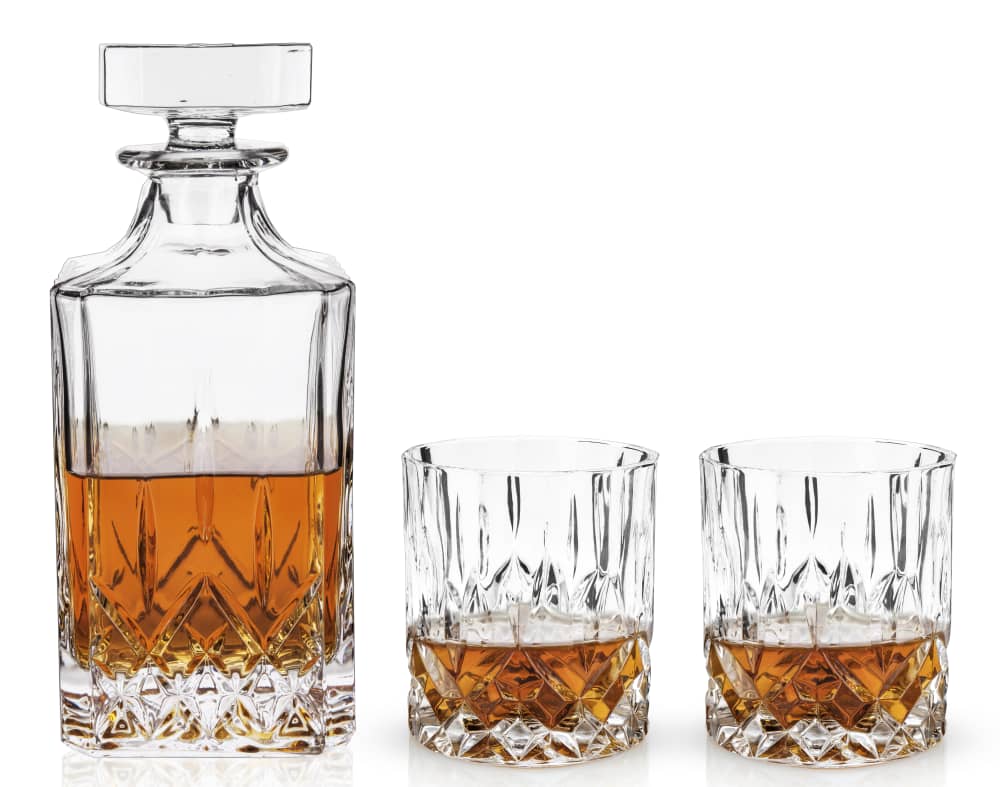
Decanting can further elevate the tasting experience. Pouring the liquid into a decanter for 30 minutes to an hour before serving can soften tannins and enhance the overall profile. It’s a simple yet effective way to maximize enjoyment.
Always check for sediment, especially with older vintages. If present, pouring gently can help avoid disturbing it, ensuring a smoother pour into the glass.
Pairing with food is crucial. I prefer to serve these beverages alongside a variety of dishes that complement their characteristics. Here’s a quick reference table for some excellent pairings:
| Dish | Recommended Pairing |
|---|---|
| Grilled Meats | Syrah or Malbec |
| Pasta with Tomato Sauce | Sangiovese |
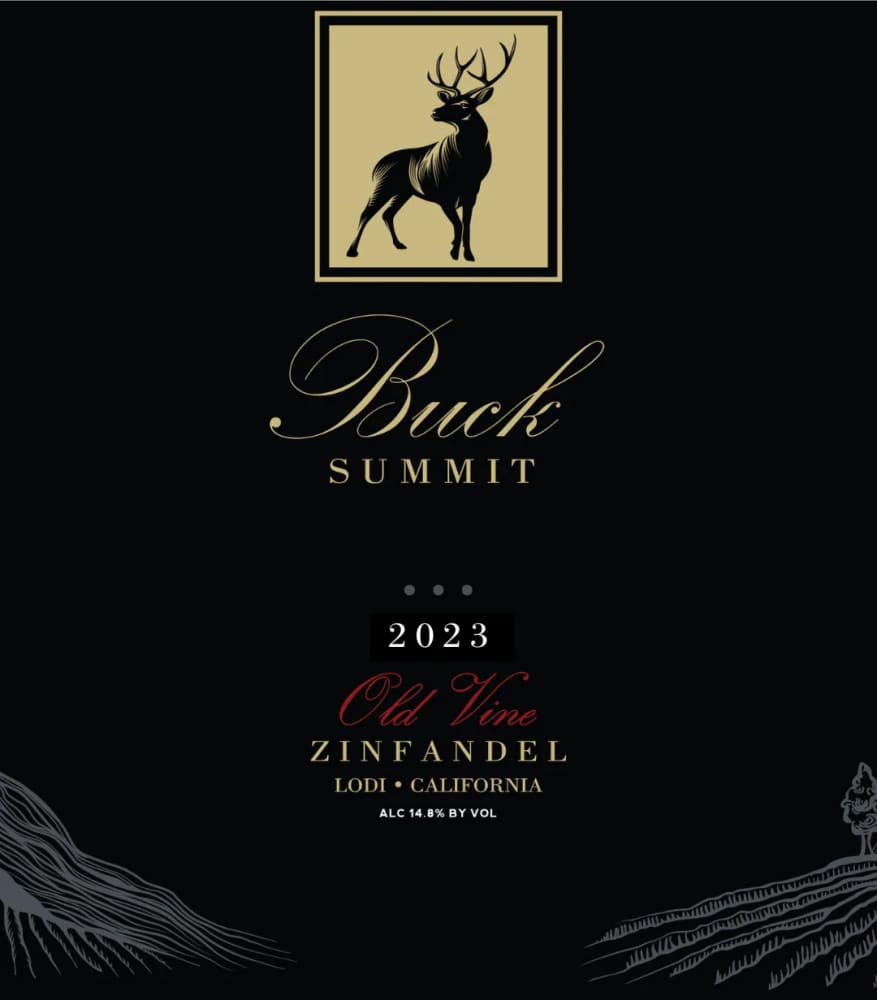
| Spicy Dishes | Zinfandel |
| Cheese Platter | Cabernet Sauvignon |
| Roasted Vegetables | Pinot Noir |
Finally, let your guests savor the experience. Encourage them to take their time, allowing the flavors to unfold with each sip. The enjoyment of these beverages is as much about the company as it is about the drink itself.
FAQ:
What are the characteristics of dry fruity red wine?
Dry fruity red wine typically features a balance of fruit flavors and minimal sweetness. Common characteristics include vibrant berry notes, such as cherry, raspberry, or plum, alongside a crisp acidity. Tannins in these wines can range from mild to moderate, providing structure without overwhelming the palate. These wines are often made from grape varieties like Merlot, Cabernet Sauvignon, or Pinot Noir, which contribute to their fruity profiles. The absence of residual sugar is what classifies them as dry, making them a versatile choice for pairing with a variety of foods.
How is dry fruity red wine made?
Making dry fruity red wine involves several key steps. First, grapes are harvested, usually at peak ripeness to ensure maximum flavor. The grapes are then crushed and fermented, with the skins left in contact with the juice to extract color, tannins, and flavor compounds. Fermentation is closely monitored, and once the desired dryness is achieved, the wine is pressed to separate the liquid from the solids. After fermentation, the wine may be aged in stainless steel or oak barrels, which can impart additional complexity. Finally, the wine is filtered and bottled, ready for consumption.
What food pairs well with dry fruity red wine?
Dry fruity red wine is quite versatile when it comes to food pairings. It complements a variety of dishes, particularly those featuring red meats like beef or lamb, as well as roasted poultry. The fruitiness of the wine can enhance the flavors of grilled vegetables, pasta dishes with tomato-based sauces, and even certain cheeses such as sharp cheddar or gouda. For a lighter pairing, consider serving it with a charcuterie board featuring cured meats and olives, which can contrast nicely with the wine’s acidity.
Can you recommend some popular dry fruity red wines?
Some well-known dry fruity red wines include Pinot Noir from regions like Burgundy or Oregon, which often showcase bright cherry and raspberry notes. Merlot, particularly from Bordeaux or California, is another favorite, offering plum and black cherry flavors with softer tannins. Cabernet Sauvignon, especially from regions such as Napa Valley, tends to be more robust with dark fruit characteristics and a fuller body. Other options include Malbec from Argentina and Grenache from Spain, both of which display fruity profiles with varying levels of complexity.
How can I tell if a red wine is dry or sweet?
To determine if a red wine is dry or sweet, you can look for a few indicators. First, check the label for terms like “dry,” which directly indicates the wine’s sweetness level. If the label doesn’t specify, you can assess the wine’s aroma and taste. Dry wines typically have a pronounced acidity and less residual sugar, producing a clean finish. In contrast, sweet wines will have a noticeable sweetness on the palate, often accompanied by a syrupy texture. Tasting the wine can provide the best insight; if it leaves a lingering sweetness after sipping, it’s likely not dry.
What characteristics define a dry fruity red wine?
A dry fruity red wine is typically characterized by its low residual sugar content, which means it is not sweet. It often features a range of fruit flavors, such as cherry, raspberry, or plum, which can be prominent on the palate. The wine also has a balanced acidity that enhances its fruitiness without overwhelming it. Tannins in dry fruity red wines are usually present but not too harsh, providing structure and complexity. Common varietals include Pinot Noir, Merlot, and Cabernet Sauvignon.
How is a dry fruity red wine made?
The production of dry fruity red wine begins with the selection of ripe grapes, which are then harvested and crushed to release their juice. Fermentation occurs when yeast is added, converting sugars in the grape juice into alcohol. For dry wines, fermentation is allowed to continue until most of the sugars have been consumed, resulting in a dry product. After fermentation, the wine may be aged in barrels or tanks, which can influence its flavor and aroma. Finally, the wine is filtered and bottled, ready for consumption.
What food pairings go well with dry fruity red wine?
Dry fruity red wines pair well with a variety of foods due to their balanced structure and fruit-forward profiles. Dishes such as grilled meats, pasta with tomato sauce, and roasted vegetables complement these wines effectively. For lighter options, consider pairing with salmon or duck, which can enhance the wine’s fruit flavors. Additionally, cheeses like Brie or aged Cheddar can also be a great match. The key is to balance the wine’s acidity and fruitiness with the richness of the food.
What are some popular varietals of dry fruity red wine?
Some of the most popular varietals of dry fruity red wine include Pinot Noir, Merlot, and Cabernet Sauvignon. Pinot Noir is known for its light body and red fruit flavors, making it a favorite for those who enjoy a more delicate wine. Merlot tends to be a bit fuller, with rich plum and cherry notes. Cabernet Sauvignon is often bold and structured, featuring dark fruit flavors and a hint of spice. Each of these varietals offers a unique expression of fruitiness while maintaining a dry profile.
Can the climate affect the taste of dry fruity red wine?
Yes, climate plays a significant role in the flavor profile of dry fruity red wines. Grapes grown in warmer climates often produce wines with richer fruit flavors, such as jammy berries, due to the increased sugar concentration in the grapes. Conversely, grapes from cooler regions may result in wines with more acidity and lighter fruit notes, such as cranberry or raspberry. This variation in climate not only affects the fruit character but also the overall structure and balance of the wine.