Chuck Furuya

If you’re seeking a silky experience in your glass, I recommend exploring Pinot Noir. This varietal consistently delivers a delicate balance of fruitiness and subtle tannins, making it an excellent choice for those who appreciate a gentle finish. With notes of cherry, raspberry, and earthy undertones, Pinot Noir offers a nuanced profile that complements a range of cuisines.
Another outstanding option is Merlot. Known for its plush texture, this grape variety features smooth flavors of plum and black cherry, often accompanied by hints of chocolate or vanilla. The lower tannin content compared to other options makes Merlot particularly inviting for those new to the world of fermented grape beverages.
For a bolder yet still refined choice, consider Grenache. This grape produces wines with a juicy, soft mouthfeel, revealing flavors of red fruit and spice. Its versatility allows it to pair well with a variety of dishes, enhancing the overall dining experience.
Lastly, I would recommend looking into Beaujolais, specifically Beaujolais Nouveau. This youthful wine is crafted from Gamay grapes and is celebrated for its fresh and fruity profile, making it incredibly approachable and enjoyable. Its light body and low tannins create a refreshing sip that’s perfect for casual gatherings.
Smooth Choices for a Refined Experience
For an exceptionally silky experience, I recommend exploring Pinot Noir and Merlot. These varietals are known for their gentle tannins and lush fruit profiles, making them ideal for those seeking a more refined sip.
Pinot Noir
This grape thrives in cooler climates, resulting in wines that often exhibit notes of cherry, raspberry, and earthy undertones. The elegance of Pinot Noir makes it a versatile option for pairing with various dishes, from grilled salmon to mushroom risotto.
Merlot
Characterized by its soft texture and fruity flavors, Merlot often presents hints of plum, blackberry, and chocolate. It is accessible and typically lower in tannins, making it a favorite among both novice and seasoned enthusiasts. Merlot pairs beautifully with roasted meats and hearty pasta dishes.
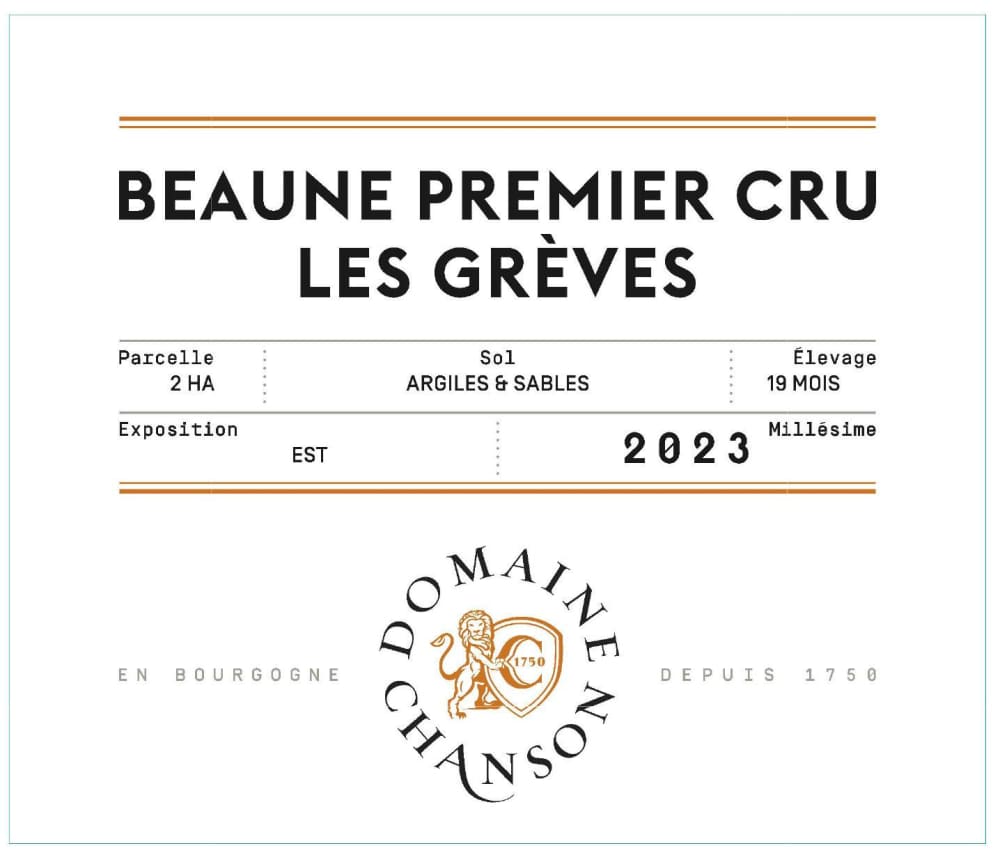
- Choose a Pinot Noir from regions like Burgundy or Oregon for the best quality.
- Look for Merlot from Bordeaux for a classic expression or from California for a fruit-forward option.
For an even smoother experience, consider wines that have been aged in oak barrels, as this process can enhance the texture and complexity. Always taste a few options to find what resonates with your palate.
Characteristics of Smooth Red Wines
For an enjoyable experience, I recommend seeking out varieties that exhibit soft tannins, such as Merlot, Pinot Noir, or Grenache. These selections tend to offer a velvety mouthfeel, making them approachable for many palates.
Flavor Profile
Fruity notes are prominent in smooth options, often showcasing flavors like cherry, raspberry, or plum. I appreciate wines that balance these fruit characteristics with subtle hints of vanilla or spice, typically derived from oak aging.
Tannins and Acidity
Low to moderate tannin levels contribute significantly to a gentle sip. Wines with higher acidity can also enhance smoothness by providing a refreshing quality without overwhelming the palate. I find that a harmonious balance between these elements creates a more pleasurable drinking experience.
In my exploration, I prefer wines that are well-structured yet easy to drink, allowing for versatility whether paired with food or enjoyed solo. Look for well-crafted examples from regions known for producing such blends, as they often achieve remarkable smoothness through careful winemaking practices.
Top Smooth Red Wine Varieties
For an exceptional experience, I recommend trying Pinot Noir. This grape offers a delicate balance of fruitiness and acidity, resulting in an elegant profile with notes of cherry, raspberry, and earthy undertones. It pairs wonderfully with a variety of dishes, making it a versatile choice.
Merlot
Merlot stands out for its plush texture and ripe fruit flavors. With hints of plum, black cherry, and chocolate, this variety is approachable and easy to enjoy, whether alone or accompanied by meals. It’s an excellent option for those new to the world of fermented grapes.
Garnacha
Garnacha, also known as Grenache, boasts a medium body with juicy red fruit flavors and a hint of spice. Its smooth finish and lower tannins make it an inviting selection, perfect for casual gatherings or relaxed evenings. This variety shines in blends but is delightful on its own as well.
Factors Influencing Wine Smoothness
Quality of grapes significantly impacts texture. Opt for varietals with thicker skins, as they often yield softer tannins. Regions with optimal climate conditions, like moderate temperatures and balanced rainfall, produce grapes that develop refined flavors, enhancing velvety sensations.
Tannins and Acidity
Lower tannin levels contribute to a more pleasant mouthfeel. Wines like Pinot Noir exemplify this, offering gentler tannins compared to others like Cabernet Sauvignon. Acidity also plays a role; balanced acidity can elevate the perception of smoothness, making a blend more enjoyable.
Aging Techniques
Barrel aging influences texture. Oak barrels impart subtle flavors and tannins, creating complexity and roundness. Wines aged longer typically exhibit softer profiles. Consider those aged in French oak for a luxurious finish.
| Factor | Influence on Smoothness |
|---|---|
| Grape Variety | Thicker skins yield softer tannins |
| Climate | Moderate conditions enhance flavor development |
| Tannin Levels | Lower levels contribute to a gentler mouthfeel |
| Acidity | Balanced acidity elevates smoothness perception |
| Aging Method | Barrel aging adds complexity and softens texture |
Ultimately, understanding these elements can guide selections toward a more pleasurable tasting experience.
Regions Known for Smooth Red Wines
California’s Napa Valley is renowned for producing elegantly balanced varietals, particularly Cabernet Sauvignon and Merlot, which often exhibit a velvety texture. The warm climate contributes to the ripeness of grapes, enhancing softness.
In France, Bordeaux stands out with its blends, where Merlot and Cabernet Franc create harmonious profiles. The Right Bank regions, like Pomerol, are especially noted for their plush, round characteristics.
Italy’s Tuscany offers Sangiovese, especially from regions like Chianti Classico, which can deliver a smooth mouthfeel with bright acidity and soft tannins, making it approachable.
Spain’s Rioja region, particularly with its Tempranillo and Garnacha, showcases wines that are often aged in oak, adding layers of complexity while maintaining a silky finish.
- Napa Valley, USA: Cabernet Sauvignon, Merlot
- Bordeaux, France: Merlot, Cabernet Franc
- Tuscany, Italy: Sangiovese
- Rioja, Spain: Tempranillo, Garnacha
Australia’s Barossa Valley produces Shiraz, known for its rich, plush qualities, often with ripe fruit flavors and smooth tannins, making it a favorite among enthusiasts.
Lastly, regions in South America, particularly Mendoza, Argentina, deliver Malbec that is both fruit-forward and soft, appealing to those who prefer a gentle finish.
- Barossa Valley, Australia: Shiraz
- Mendoza, Argentina: Malbec
How to Taste for Smoothness in Wine
To identify the velvety quality in a pour, begin with visual inspection. Look for clarity and a rich, deep color, which often indicates a well-crafted beverage. Swirl gently in the glass, allowing oxygen to enhance the aroma.
Next, take a moment to inhale the bouquet. Notes of ripe fruit, subtle oak, or soft spices can be telltale signs of a rounded experience. Pay attention to how these scents evolve as they mingle in the air.
When tasting, take a small sip and let it linger on your palate. Focus on the texture. A soft, creamy mouthfeel typically indicates well-integrated tannins, while harsh or gritty sensations suggest a rougher profile. Assess how the flavors unfold; a seamless transition from initial taste to finish is key to a pleasant encounter.
Consider the finish–length and smoothness here are critical. A lingering, pleasant aftertaste often signifies a high-quality selection. Reflect on how the flavors resonate after swallowing; a harmonious conclusion adds to the overall enjoyment.
Lastly, engage your senses fully. Compare different selections side by side to appreciate the nuances and identify what resonates with your palate. This practice sharpens discernment and enhances future tasting experiences.