Chuck Furuya



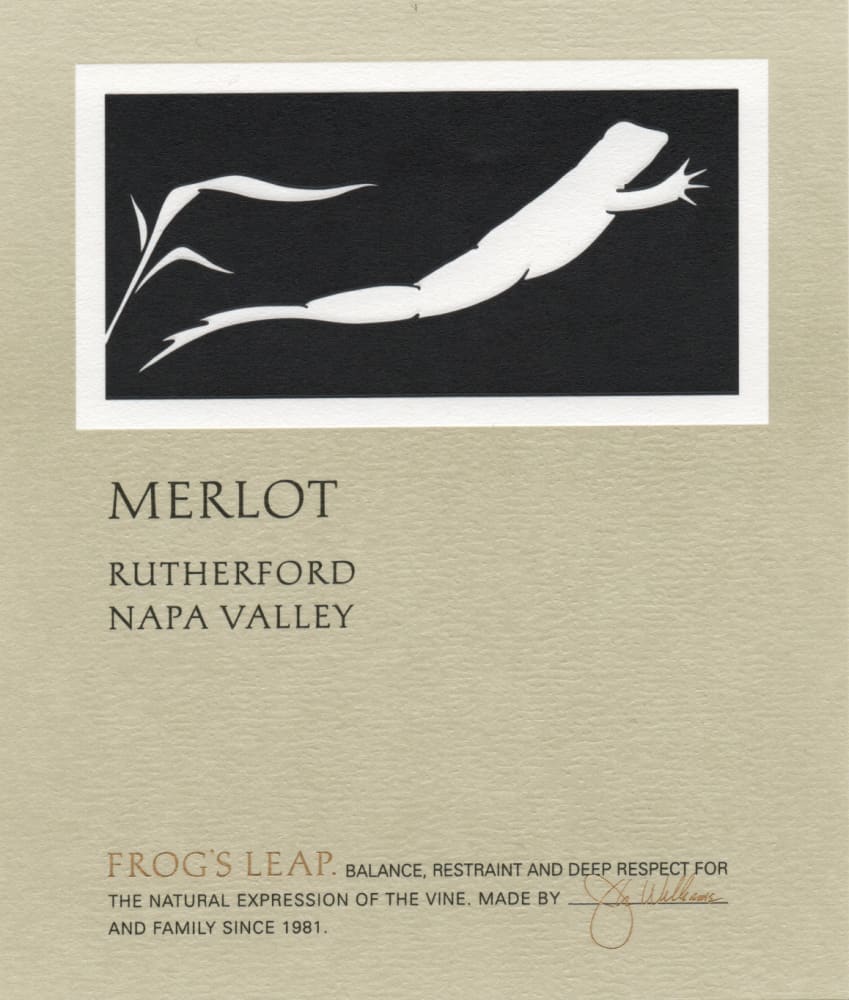
If you’re seeking a smoother experience, I recommend trying a Merlot. This particular varietal is known for its softer tannins and lower acidity levels, making it an excellent choice for those sensitive to tartness. The flavor profile often includes ripe fruit notes like plum and cherry, which can provide a lush mouthfeel without overwhelming sharpness.
Another option worth considering is a Grenache. Its naturally lower acidity paired with berry and spice flavors creates a well-rounded choice that tends to be more approachable. It’s particularly delightful when enjoyed slightly chilled, enhancing the fruit characteristics while minimizing any harshness.
For a unique twist, explore the world of Zinfandel. This grape often showcases a range of fruitiness and warmth, with a smoother finish. Zinfandel can be an excellent companion to a variety of dishes, as its lower acidity allows it to complement flavors beautifully without clashing.
Understanding Wine Acidity Levels
For a smoother experience, I recommend exploring wines like Merlot and Grenache. These varieties generally exhibit lower acidity, providing a softer mouthfeel and less tartness. Merlot, with its plum and cherry flavors, tends to be more approachable for those sensitive to sharp tastes. Grenache, on the other hand, brings a spicier profile while maintaining a gentle acidity, making it enjoyable for various palates.
Factors Influencing Acidity
Several elements contribute to acidity in fermented beverages. Climate plays a key role; warmer regions typically yield grapes with lower acidity. Soil composition can also impact acidity levels. Additionally, winemaking techniques, such as malolactic fermentation, can soften sharp notes, resulting in a smoother beverage. Exploring these factors can enhance your appreciation of different styles.
Tasting Tips
When sampling selections, consider pairing with rich foods. Creamy dishes or grilled meats often balance out sharper notes, allowing the subtler flavors to shine through. I find it helpful to note how each sip interacts with what I’m eating, as this can profoundly affect perception of acidity. Engaging with various pairings can lead to delightful discoveries.
Characteristics of Low-Acidity Red Wines
Choosing a smoother variety can lead to a delightful experience. Focus on wines made from grapes like Merlot, Zinfandel, or Grenache. These typically exhibit a softer profile and lower tartness.
Key Traits
- Fruity flavors dominate, often showcasing ripe berries, plums, or cherries.
- Soft tannins contribute to a velvety mouthfeel, enhancing drinkability.
- Lower acidity results in a rounder, less sharp taste.
- Often aged in oak, adding complexity with hints of vanilla or spice.
Recommended Regions
- California, particularly Paso Robles and Sonoma, is known for its fruit-forward styles.
- Southern Rhône in France produces Grenache-based blends that are smooth and approachable.
- Australia’s Barossa Valley offers rich, jammy Zinfandel and Shiraz options.
When selecting, consider the vintage as well; warmer years often yield riper grapes, resulting in lower acidity. Exploring these characteristics leads to enjoyable sips that pair wonderfully with various dishes.
Top Least Acidic Red Wine Varieties
Choosing a smooth, low-acidity option, I recommend exploring varieties like Merlot, which boasts soft tannins and a fruit-forward profile, making it incredibly approachable. Another excellent choice is Grenache, often found in blends, known for its ripe berry flavors and gentle finish.
Tempranillo
Tempranillo stands out with its balanced structure and moderate acidity. Originating from Spain, it delivers rich flavors of cherry and plum, complemented by earthy notes. This varietal pairs well with grilled meats and rich sauces.
Malbec
Malbec, primarily associated with Argentina, provides a lush mouthfeel with dark fruit characteristics. Its velvety texture and lower acidity make it perfect for those seeking a fuller-bodied experience without the sharpness. Enjoy it with barbecued dishes or hearty stews.
How Climate Affects Wine Acidity
Temperature plays a significant role in determining the acidity levels of grapes. Warmer climates generally lead to lower acidity due to higher sugar concentrations and accelerated ripening. In contrast, cooler regions tend to preserve acidity, resulting in a more balanced profile.
Factors influencing acidity include:
- Geographic Location: Regions closer to the equator typically produce fruits with reduced acidity. Areas with cooler climates, like Northern Europe, yield grapes with higher acidity.
- Elevation: Higher altitudes often experience cooler temperatures, which help maintain acidity in the fruit. This results in fresher, crisper profiles.
- Soil Composition: Certain soils retain moisture and nutrients, impacting the vine’s health and fruit development. For example, clay soils can retain water, allowing grapes to grow more slowly and retain acidity.
- Weather Patterns: Consistent and moderate weather can promote gradual ripening, enhancing acidity. In contrast, extreme conditions may lead to rapid ripening, which can decrease acidity.
Additionally, winemaking techniques can influence perceived acidity. Malolactic fermentation, for instance, can soften sharp acids, providing a smoother taste. Monitoring and adjusting these variables allows for a tailored approach to achieve desired flavor profiles in the final product.
Tips for Choosing Low-Acidity Red Wines
Opt for varietals known for lower tartness, such as Merlot or Grenache. These options naturally possess a softer profile, making them suitable for those sensitive to sharp flavors.
Consider Origin
Regions like California and southern France tend to produce smoother, fruit-forward selections. Look for bottles from warmer climates, as grapes ripen fully, leading to reduced sharpness.
Check Alcohol Content
A higher alcohol percentage often correlates with lower perceived acidity. Aim for wines with an alcohol level above 13.5%, which usually results in a rounder mouthfeel.
Explore producers that focus on low-intervention methods. These winemakers often emphasize the fruit’s natural characteristics, yielding a more balanced experience.
Evaluate tasting notes. Descriptions highlighting flavors like plum, blackberry, or chocolate often indicate a softer acidity. Avoid mentions of citrus or green apple, which suggest higher tartness.