Chuck Furuya

For a delightful experience, I recommend trying a bottle of Pinot Noir Rosé from the Burgundy region of France. This wine captivates with its delicate balance of acidity and fruitiness, offering notes of strawberry and raspberry, making it perfect for warm evenings or pairing with light dishes.
Another excellent choice is the Grenache Rosé, particularly those from the Provence area. These wines are known for their refreshing qualities, often featuring hints of watermelon and citrus, which elevate any outdoor gathering or picnic.
If you’re looking for something a bit different, consider a Tempranillo Rosé from Spain. This variety brings a unique character with its bright cherry flavors and a subtle earthiness, ideal for complementing grilled meats or flavorful tapas.
Lastly, don’t overlook the Sangiovese Rosé from Italy, which showcases vibrant acidity and ripe cherry notes, making it a fantastic companion for pasta dishes or summer salads.
Top Light Red Wine Varietals to Explore
Pinot Noir stands out as an exceptional choice for its elegance and versatility. Originating from Burgundy, it showcases flavors of cherry, raspberry, and earthy undertones. Ideal for pairing with poultry, it shines when served slightly chilled.
Gamay
Gamay, primarily from Beaujolais, offers a fruit-forward profile with notes of strawberry and banana. Its refreshing acidity and light body make it perfect for casual gatherings and picnics. Look for a Beaujolais Nouveau for a youthful expression.
Grenache
Grenache, often found in blends, presents a juicy, spicy character. With flavors of red fruit and subtle herbal nuances, it complements Mediterranean cuisine beautifully. Opt for Grenache from regions like the Southern Rhône or Spain’s Priorat for a delightful experience.
Exploring these varieties can enhance your appreciation for lighter styles, making them enjoyable across various occasions.
Food Pairings for Light Red Varietals
Grilled salmon complements a chilled Pinot Noir beautifully, enhancing the dish’s flavors without overwhelming the palate. For poultry, a juicy roast chicken pairs well with a Gamay, bringing out the wine’s fruity notes.
Cheese Recommendations
- Brie: Soft and creamy, it balances nicely with a fruity Grenache.
- Goat Cheese: The tartness of goat cheese harmonizes with a light-bodied Sangiovese.
- Feta: Crumbled feta adds a delightful contrast to a chilled Cabernet Franc.
Pasta and Grains
- Spaghetti Aglio e Olio: This simple pasta dish matches well with a light-bodied Nebbiolo.
- Risotto: A mushroom risotto finds a perfect companion in a light-bodied Merlot.
- Quinoa Salad: The nutty flavors of quinoa work well with a refreshing Cinsault.
Don’t overlook charcuterie boards; a mix of cured meats and olives pairs wonderfully with a light-bodied Syrah, creating a delightful tasting experience. Experiment with seasonal vegetables, as roasted or grilled options can enhance the wine’s character beautifully.
Best Regions for Light Red Wine Production
For exquisite experiences, I highly recommend exploring wines from the Loire Valley in France. This region excels in producing wines with finesse and elegance, particularly from varietals like Gamay and Pinot Noir. The cooler climate contributes to a refreshing acidity and delicate fruit flavors.
Another noteworthy area is Burgundy, known for its exceptional Pinot Noir. The terroir here imparts complexity and subtlety to the wines, making them an ideal choice for those who appreciate nuanced profiles.
Exploring Italian Options
Italy offers remarkable selections as well, particularly from regions like Piemonte and Veneto. In Piemonte, wines made from the Dolcetto grape are often light-bodied with a fruity character, perfect for casual sipping. Veneto showcases Bardolino and Valpolicella, which are known for their brightness and versatility.
Discovering New World Varieties
Turning to the New World, I find Oregon’s Willamette Valley captivating. The cool climate here fosters a unique expression of Pinot Noir, rich in berry flavors with earthy undertones. California’s Central Coast also produces delightful Grenache and Pinot Noir that balance fruitiness and acidity beautifully.
How to Properly Serve Light Red Wines
Chilling these varietals slightly enhances their refreshing qualities. Aim for a serving temperature of around 55-60°F (13-16°C). This range allows the fruity notes to shine without overwhelming tannins.
Use appropriate glassware. A narrower bowl helps concentrate aromas, while a slightly tapered rim directs the wine to the palate’s sweet spots. Choose glasses with a capacity of around 12-14 ounces to allow for proper aeration.
Decanting can enhance the tasting experience. Allowing the beverage to breathe for 15-30 minutes can soften any harsh edges and elevate its bouquet. This is particularly beneficial for younger bottles or those with bold characteristics.
Pour a modest amount–about one-third of the glass. This not only prevents spills but also allows space for the aromas to develop. Swirl gently to aerate further, releasing additional scents.
Consider the pairing environment. Serving alongside complementary dishes at the right temperature elevates the overall experience. Ensure that food is served at appropriate temperatures to harmonize with the selected pour.
Finally, maintain proper storage. Keeping bottles in a cool, dark place with stable humidity ensures that flavors remain intact until serving. Enjoying these selections at their peak will maximize the tasting experience.
Identifying Quality Light Red Wines
To pinpoint exceptional examples in the realm of lighter-hued varietals, I focus on several key attributes. First, I assess the aroma profile. A captivating bouquet often hints at quality; look for fragrances of cherry, raspberry, or floral notes. Complexity in the nose suggests a well-crafted bottle.
Next, I evaluate the palate. A balanced acidity paired with a smooth texture indicates finesse. Quality selections should exhibit a harmonious interplay between fruitiness and subtle earthy undertones. Tannins should feel refined rather than harsh, contributing to the overall elegance.
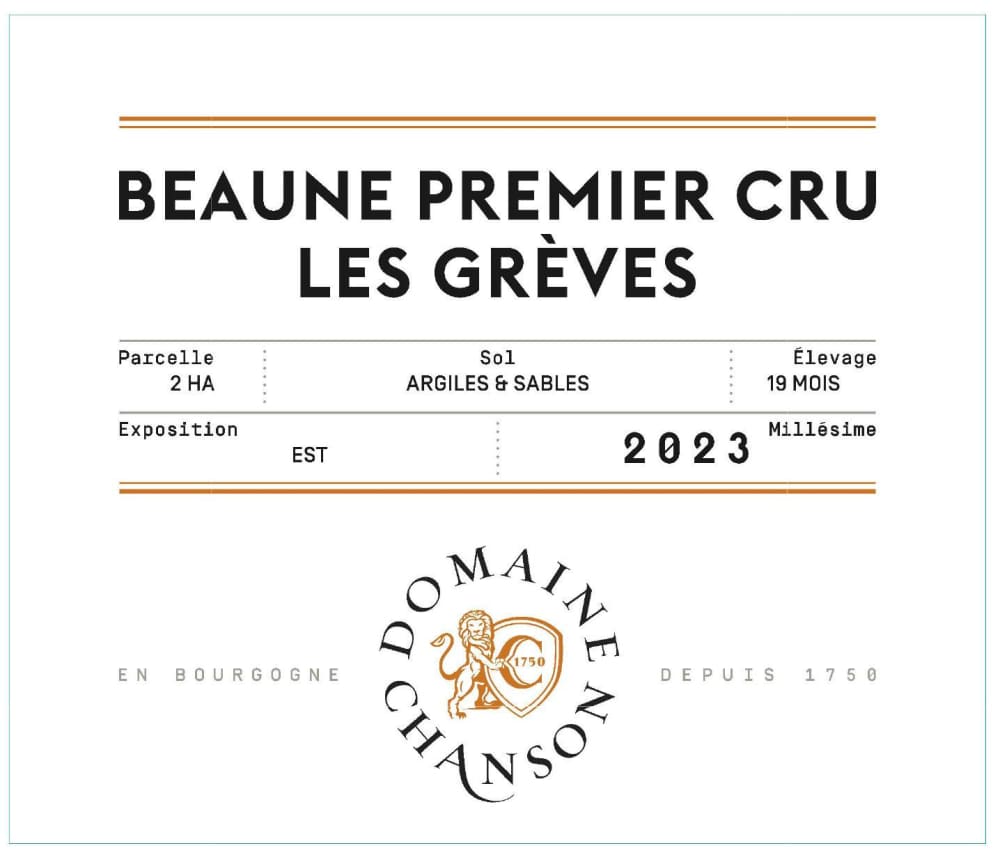
Origin plays a significant role in quality. Regions renowned for producing lighter varietals, such as Pinot Noir from Burgundy or Gamay from Beaujolais, typically yield superior bottles. I recommend checking for reputable producers or specific vineyard designations, as these often enhance the overall character.
Lastly, consider aging potential. While many lighter varietals are crafted for early enjoyment, those with a bit of structure may develop additional complexity over time. Look for bottles that specify aging recommendations on the label.
By concentrating on these aspects–aroma, taste, origin, and aging–I can confidently select high-caliber options that satisfy a range of palates.
Seasonal Recommendations for Light Red Varietals
For a refreshing choice during warmer months, I recommend a chilled Pinot Noir. This varietal’s bright acidity and fruit-forward profile make it perfect for picnics and barbecues. Pair it with grilled salmon or a fresh salad to enhance its flavor. In spring, a Gamay from Beaujolais shines with its berry notes and floral aromas, ideal for light appetizers and charcuterie boards.
Autumn Selections
As temperatures drop, a light-bodied Grenache is excellent. Its spicy notes and soft tannins complement roasted vegetables and hearty stews. For cozy evenings, a chilled Frappato from Sicily offers a unique twist, pairing beautifully with mushroom risotto.
Winter Favorites
In the colder months, I lean towards a Cinsault. This varietal’s earthy undertones and red fruit flavors work well with comfort dishes like shepherd’s pie. Additionally, a light-bodied Sangiovese can enhance rich tomato-based pasta dishes during winter gatherings.
| Season | Recommended Varietal | Food Pairing |
|---|---|---|
| Spring | Gamay | Charcuterie Board |
| Summer | Pinot Noir | Grilled Salmon |
| Autumn | Grenache | Roasted Vegetables |
| Winter | Cinsault | Shepherd’s Pie |
FAQ:
What are some popular varieties of light red wines?
There are several popular varieties of light red wines that many enthusiasts enjoy. Notable examples include Pinot Noir, which is known for its delicate flavors and aromas, often featuring notes of red berries, earthiness, and spices. Gamay, particularly from the Beaujolais region, is another light-bodied option, typically showcasing juicy fruitiness and floral characteristics. Other varieties include Grenache, which can present a medium-light body with flavors of strawberries and raspberries, and Barbera, known for its bright acidity and cherry notes. Each of these wines offers a unique profile, making them favorites among those who prefer lighter styles.
What food pairings work well with light red wines?
Light red wines are versatile and can pair wonderfully with a variety of dishes. They complement lighter fare such as grilled chicken, salmon, and salads, where their acidity can enhance the flavors. For pasta dishes, light red wines like Pinot Noir or Barbera can work well with tomato-based sauces. Additionally, they can be a great match for charcuterie boards featuring cured meats, cheeses, and olives. The key is to look for balance; the wine should complement the dish without overpowering it.
How should light red wines be served for the best experience?
To enhance the enjoyment of light red wines, it is recommended to serve them slightly chilled. A temperature range of about 55 to 60 degrees Fahrenheit is ideal. This can be achieved by placing the bottle in the refrigerator for about 30 minutes before serving. Additionally, using proper wine glasses can also enhance the tasting experience. A medium-sized glass that allows the wine to breathe will help to release the aromas and flavors. Swirling the wine gently in the glass before tasting can also improve the overall experience.
Are there any light red wines that are particularly good for beginners?
Yes, several light red wines are excellent choices for beginners. Pinot Noir is often recommended due to its approachable flavor profile and smooth texture, making it easy to enjoy for those new to red wines. Gamay, especially from Beaujolais Nouveau, is another great option, as it is fruity and low in tannins, providing a refreshing taste. These wines are generally less complex, allowing new drinkers to appreciate them without feeling overwhelmed by strong flavors or heavy tannins.
What regions are known for producing high-quality light red wines?
Several regions around the world are renowned for producing outstanding light red wines. Burgundy in France is famous for its exceptional Pinot Noir, showcasing both elegance and complexity. The Beaujolais region, also in France, is known for its Gamay wines, particularly those labeled as Beaujolais Nouveau, which are light and fruity. In the United States, the Willamette Valley in Oregon is celebrated for its high-quality Pinot Noir, while regions like California produce various styles. Additionally, regions in Italy, such as Piemonte, are known for Barbera, which offers a lighter red option with bright acidity.