
 Chuck Furuya



Use a vacuum pump to seal the bottle. This device removes air, significantly slowing oxidation and preserving the integrity of the liquid. Simply insert the stopper and pump until you feel resistance.
Alternatively, consider using a wine preservation system that employs inert gas. This solution displaces oxygen, providing an effective barrier against spoilage while maintaining the original flavors. Just spray a small amount into the bottle before sealing it with a stopper.
If neither of these options is available, try transferring the contents to a smaller container, minimizing air exposure. Choose a glass bottle with a tight-fitting cap to maintain quality. Always store in a cool, dark place to further enhance preservation.
Storing Vino in the Absence of a Stopper
Utilize a vacuum pump to extract air from the bottle. This method significantly slows oxidation, preserving the flavor profile for a longer duration. Ensure the bottle is sealed tightly after the air has been removed.
Consider transferring the liquid into a smaller container. By minimizing the empty space in the bottle, you reduce the amount of air exposure, thus maintaining the integrity of the beverage.

Refrigerate the sealed bottle or container. A cooler temperature helps to slow down the aging process, keeping the characteristics intact for an extended period.
If the bottle is open and lacks a proper closure, use plastic wrap. Cover the opening tightly and secure it with a rubber band. This creates a makeshift seal to limit air contact.
Store the bottle upright to minimize surface area exposure to oxygen. This positioning can help maintain the quality of the contents for a longer time.
Lastly, always keep the beverage away from direct sunlight and heat sources. A stable environment with consistent temperature will further aid in preserving its taste.
Understanding the Risks of Storing Wine Without a Cork
Oxidation is the primary concern. Exposure to air can significantly alter the flavor profile, leading to a flat and unappealing taste. Once the seal is broken, I find that the clock starts ticking, often within a matter of days, depending on environmental conditions.
Temperature Fluctuations
Temperature swings can exacerbate oxidation. A consistent, cool environment is critical. I recommend avoiding areas with direct sunlight or heat sources, as these can accelerate spoilage. Storing at a stable temperature between 50°F and 55°F is ideal.
Contamination Risks
Without proper sealing, the risk of contamination increases. Bacteria and mold can thrive in an open container, negatively impacting the quality of the beverage. I ensure that my storage area is clean and free from strong odors that could transfer to the liquid.
Choosing the Right Container for Opened Red Wine
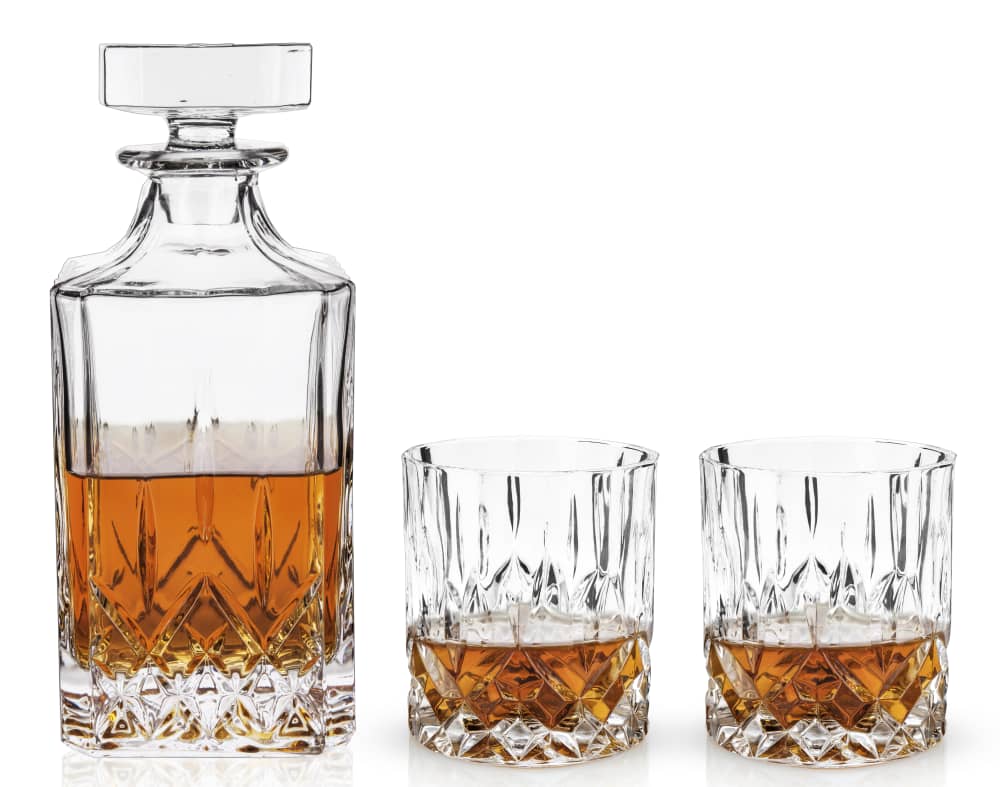
I recommend using glass or stainless steel vessels for preserving an opened bottle. These materials minimize interaction with air, maintaining the integrity of flavors.
- Glass decanters: These are ideal due to their neutral nature. Select one with a wide base to encourage aeration while minimizing exposure. Ensure it has a tight-fitting lid or stopper.
- Stainless steel containers: They are excellent for keeping beverages cool and are less permeable than glass. Look for options that come with airtight seals.
- Vacuum-sealed bottles: Some innovative designs allow for the extraction of air, significantly slowing oxidation. This is a practical choice for longer preservation.
- Wine preservation systems: Devices that utilize inert gas to replace oxygen in the bottle can be effective. They often come with specific attachments for ease of use.
Be cautious with plastic containers; they can impart unwanted flavors and are less effective at preventing oxidation. Always ensure the container is clean and dry before pouring.
Finally, regardless of the choice, label the container with the opening date to monitor freshness. Aim to consume within a week for the best experience.
Sealing Techniques for Red Wine Storage
I recommend using vacuum pumps to create an airtight seal. These devices remove excess air from the bottle, significantly slowing down oxidation. After pouring, simply place the stopper, attach the pump, and extract the air until you hear a click, indicating a secure seal. This method is convenient and widely available.
Another effective option is using silicone stoppers, which fit snugly into the neck of the bottle, preventing air ingress. They are reusable and come in various sizes, ensuring compatibility with different bottle shapes. Some even feature built-in vacuum seals for added protection.
Alternative Sealing Methods
Consider using plastic wrap as a temporary solution. Stretch it tightly over the opening of the bottle, then secure it with a rubber band. While not as effective as other methods, it can provide a short-term barrier against air. Just be cautious about how long you leave the wrap on.
For those with more advanced tools, inert gas preservation systems can be employed. These systems dispense a layer of gas, such as argon or nitrogen, into the bottle before sealing it. This technique creates an inert atmosphere that minimizes oxidation, though it requires an initial investment in equipment.
Optimal Temperature and Humidity for Wine Preservation
The ideal temperature for keeping an open bottle is between 50°F to 65°F (10°C to 18°C). Temperatures above this range can accelerate oxidation, while colder conditions can mute the flavors. I recommend a target of around 55°F (13°C) for most varieties.
Humidity levels should ideally be maintained between 50% to 70%. A higher humidity prevents corks from drying out in sealed bottles, but since I’m focusing on open containers, the main concern is to avoid excessive dryness that could affect the wine’s profile. Too much humidity can also lead to mold growth.
| Temperature (°F) | Temperature (°C) | Humidity (%) |
|---|---|---|
| 50 – 55 | 10 – 13 | 50 – 70 |
| 55 – 60 | 13 – 15.5 | 50 – 70 |
| 60 – 65 | 15.5 – 18 | 50 – 70 |
Monitoring these conditions is straightforward. A simple thermometer and hygrometer can provide continuous readings. If conditions fluctuate, consider investing in a wine fridge that offers specific climate controls.
In summary, maintaining the right temperature and humidity is fundamental for preserving the quality of an open bottle. Adjusting these factors can significantly influence the taste and longevity of the beverage.
Using Wine Preservation Systems for Corkless Storage
Investing in a wine preservation system is a smart option for extending the life of an opened bottle. These systems are designed to minimize oxidation and maintain the integrity of the liquid.
Here are the most effective methods:
- Vacuum Sealers: Remove air from the bottle to slow down the oxidation process. This method is simple and can keep your beverage fresh for days or even weeks.
- Inert Gas Systems: These systems replace the oxygen in the bottle with inert gases like argon or nitrogen. This method is highly effective for long-term preservation.
- Wine Preservation Pumps: Manual or electric pumps can achieve similar results to vacuum sealers, allowing for easy use and portability.
Each of these systems has its own advantages. Vacuum sealers are user-friendly and affordable, while inert gas systems offer superior longevity. I recommend assessing your consumption habits to select the most appropriate option.
Additionally, ensuring the bottle is upright and stored in a cool, dark environment will enhance preservation. Maintaining a consistent temperature is crucial; fluctuations can negatively impact the taste and aroma.
With the right preservation system, enjoying an opened bottle over time becomes a reality, allowing for tastings that can be spaced out without compromising quality.


