
 Chuck Furuya
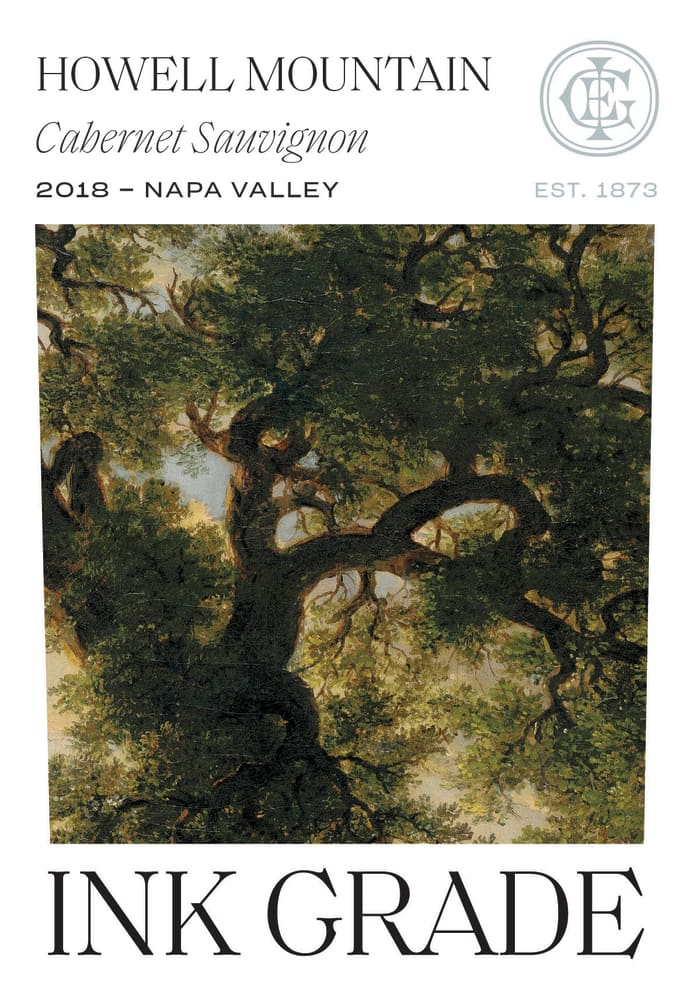


Yes, certain varieties of this beverage can improve over time in sealed containers. The process is influenced by factors such as grape type, tannin levels, acidity, and storage conditions. For optimal results, I recommend storing bottles in a dark, cool place with consistent temperatures, ideally between 50-60°F (10-15°C).
As I have observed, full-bodied selections with higher tannins tend to evolve more favorably compared to lighter options. For example, a Cabernet Sauvignon or a Bordeaux blend can develop complex flavors and aromas after several years, while a Pinot Noir may reach its peak sooner. Generally, it’s best to keep track of the specific vintage and varietal characteristics.
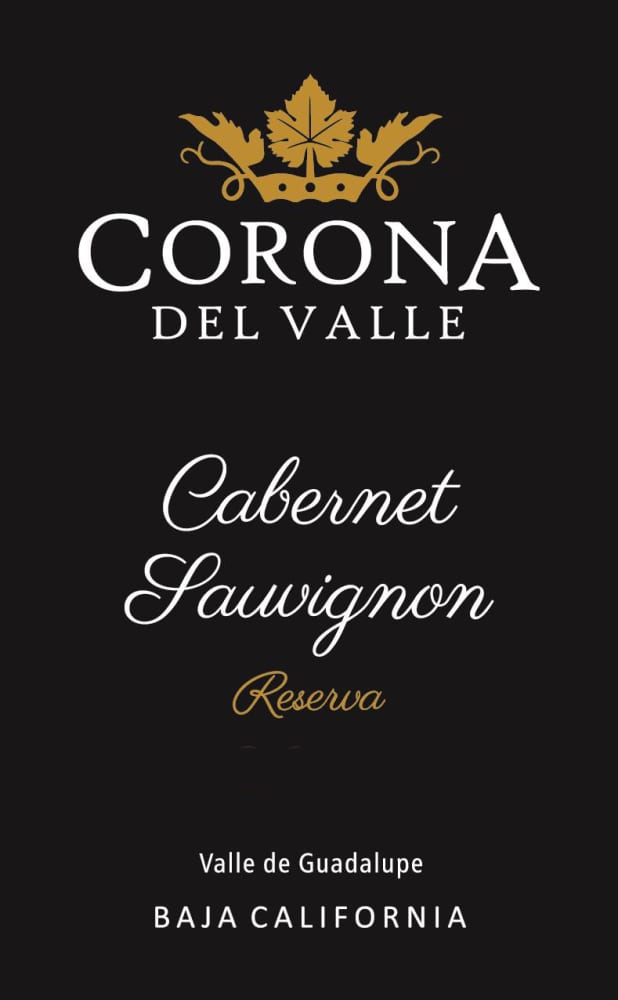
Additionally, I advise monitoring the cork condition periodically. A compromised cork can lead to oxidation, undermining the flavor profile. If you have a collection, consider sampling a bottle every few years to gauge its development. This approach not only enhances appreciation but also keeps your palate attuned to the evolving nuances of your collection.
Does Red Wine Continue to Age in the Bottle
Yes, certain varieties maintain their development while resting in their containers. This process hinges on factors such as composition, storage conditions, and bottling techniques.
Factors Influencing Maturation
- Type of Grapes: Some varietals, like Cabernet Sauvignon or Syrah, are more suited for prolonged storage due to their tannin structure and acidity.
- Storage Environment: Ideal conditions include a stable temperature (around 55°F), humidity (60-70%), and minimal light exposure.
- Closure Type: Cork closures allow a slow exchange of air, which can contribute to ongoing development, while screw caps may limit this process.
Identifying Potential
To assess whether a particular vintage may evolve further, consider the following:
- Examine the tannin level; more robust tannins often indicate longevity.
- Evaluate the acidity; higher acidity can enhance aging potential.
- Review the vintage; some years produce wines that are crafted for long-term maturation.
While many bottles are best enjoyed within a few years, select bottles can indeed improve, revealing complex flavors and aromas over time. Keeping track of each one’s characteristics will guide my choices for optimal enjoyment.
Factors Influencing the Aging Process of Red Wine
Temperature plays a pivotal role in the maturation of wine. I recommend storing bottles at a consistent temperature, ideally between 50°F to 65°F (10°C to 18°C). Fluctuations can cause the cork to expand and contract, allowing air to enter and spoil the contents.
Humidity Levels
Maintaining proper humidity levels is crucial. I find that a range of 50% to 80% is optimal. Low humidity can dry out the cork, leading to oxidation, while high humidity can promote mold growth. Using a hygrometer can help monitor these levels effectively.
Cork Quality
The type and condition of the cork significantly impact the aging process. I prefer natural corks, as they allow minimal oxygen transfer, which is beneficial for slow maturation. Synthetic closures can provide a tighter seal but may not allow for the same complexity in flavor development.
Light exposure also affects quality. I recommend storing bottles in a dark environment, as UV rays can degrade compounds and alter flavors. Choosing a dark-colored bottle can provide additional protection.
Lastly, the original composition and tannin structure of the liquid influence how well it evolves. Wines with higher acidity and tannin levels tend to develop more complexity over time. I advise selecting varieties known for their aging potential to truly appreciate the transformation.
Understanding the Ideal Storage Conditions for Aging
Maintain a consistent temperature between 50°F and 55°F (10°C to 13°C) to promote optimal maturation. Fluctuations can disrupt the process, leading to undesirable characteristics. Humidity levels should range from 60% to 70%; too low can dry out corks, while excessive humidity may encourage mold. Darkness is critical; store bottles away from direct sunlight to prevent light damage, which can alter flavors and aromas.
Position bottles horizontally to keep the cork moist, preventing air ingress that can spoil contents. A dedicated wine cellar or a high-quality wine fridge is ideal for creating these conditions. Keep the area free from vibrations; movement can disturb sediment and affect quality. Air quality matters–avoid areas with strong odors or chemicals that can seep into closures and impact taste.
Regularly check your storage environment. A thermometer and hygrometer can help monitor temperature and humidity accurately. If possible, invest in a wine rack designed for proper airflow and organization, facilitating easier access while maintaining the ideal conditions. By adhering to these guidelines, I can ensure that my collection develops beautifully over time.
How to Identify When a Red Wine Has Peaked
I assess the evolution of a fine beverage through several key indicators. One of the most telling signs is the aromatic profile. When I notice the bouquet has transitioned from youthful fruitiness to more complex notes like leather, tobacco, or earthy undertones, it often signals maturity. In particular, if the initial fruit aromas fade while secondary characteristics emerge, I know the moment is near.
Tasting is equally pivotal. I pay close attention to the mouthfeel. A well-balanced fluid will exhibit a harmony between acidity, tannin, and fruit. If the tannins become softer and more integrated, while the acidity provides a refreshing lift, I can be confident that the beverage is at its prime. A smooth finish lasting several seconds is a good sign. If the finish is short or harsh, it may indicate that it has passed its optimal point.
Visual inspection also plays a role. I look for color changes, particularly in the rim. When the hue shifts from deep purple or ruby to brick-red or garnet, this often indicates aging. Additionally, I check for clarity; a mature beverage should be clear, without any sediment that hasn’t settled properly.
Here’s a useful table summarizing signs of peak maturity:
| Indicator | What to Look For |
|---|---|
| Aroma | Transition to complex notes (leather, tobacco, earthy) |
| Taste | Softened tannins, balanced acidity, smooth finish |
| Color | Shift from deep colors to brick-red or garnet |
| Clarity | Clear appearance with minimal sediment |
By combining these observations, I can accurately determine whether a particular vintage has reached its peak. It’s a rewarding process that deepens my appreciation for each unique offering.



