Chuck Furuya


Allow your bottle to breathe before serving. I recommend uncorking it at least 30 minutes prior to consumption. This exposure to air enhances the aromas and flavors, making for a more enjoyable experience.
Consider the ideal temperature for serving. A range of 60 to 65 degrees Fahrenheit is generally preferred. Use a thermometer if necessary, or simply place the bottle in the refrigerator for about 30 minutes if it’s too warm.
Utilize a suitable glass to enhance the tasting experience. A wide-bowled glass allows for better aeration and aroma concentration. Pour about one-third full to give the liquid space to breathe.

Lastly, take a moment to observe the appearance. Swirl the liquid gently in the glass; this releases additional scents. Engage your senses by inhaling deeply before taking that first sip, allowing your palate to fully appreciate the complexities.
Preparation Steps for Enjoying a Glass
Begin with the selection of the appropriate vessel. A wide-bowled glass allows aromas to develop, enhancing the experience. Pour a modest amount, filling the glass to about one-third to allow for swirling.
Temperature Considerations
Optimal serving temperature typically ranges from 60°F to 65°F (15°C to 18°C). If the bottle is too warm, place it in the refrigerator for about 30 minutes. Conversely, if it’s too cool, let it sit at room temperature for a short while.
Aeration Techniques
Introduce air to the liquid to soften tannins and amplify flavors. Swirling the glass gently is effective, or consider using a decanter for more pronounced aeration. Allowing the beverage to breathe for 30 minutes can significantly enhance its character.
Selecting the Right Red Wine for Your Occasion
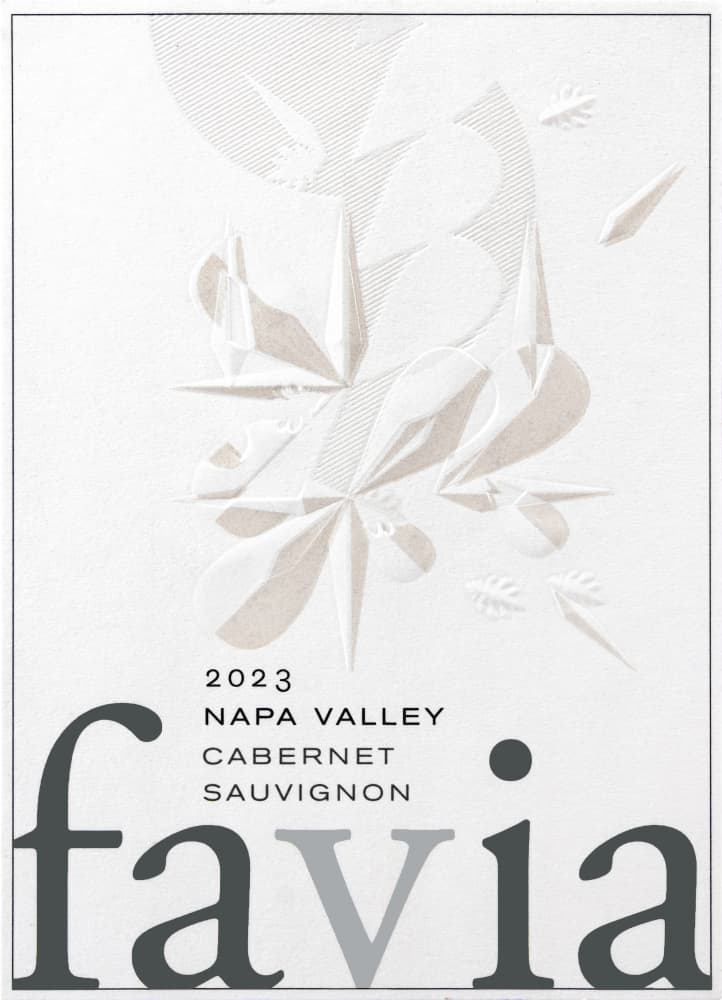
Choose a full-bodied option like Cabernet Sauvignon for formal dinners or hearty meals. Its robust flavors pair well with red meats and rich sauces.
Opt for a medium-bodied variety such as Merlot during casual gatherings. This type complements a range of dishes, from pasta to grilled chicken, making it versatile for social settings.
Light and Fruity Choices
For lighter fare, consider Pinot Noir. Its delicate profile shines with poultry or seafood, enhancing rather than overpowering the meal.
Seasonal Pairings
In colder months, a spicy Zinfandel warms the palate and matches well with winter comfort foods like stews. During warmer seasons, a chilled Beaujolais can refresh the senses while accompanying summer barbecues.
Understanding the Ideal Serving Temperature
Optimal temperature for enjoyment ranges between 60°F to 65°F (15°C to 18°C). This range allows aromas to bloom, enhancing the experience. For lighter varieties, such as Pinot Noir, aim for the lower end of this spectrum, while fuller-bodied choices like Cabernet Sauvignon benefit from slightly higher temperatures.
To achieve the desired temperature, I often place the bottle in the refrigerator for about 30 minutes before serving. If it’s too cold, I allow it to sit at room temperature for a short while. Conversely, if the beverage is too warm, a few minutes in an ice bucket can help cool it down effectively.
Avoid serving at room temperature, particularly in warmer environments, as excessive heat can mask nuanced flavors and aromas. Additionally, using a thermometer can help ensure accuracy, especially if I’m serving multiple selections at different temperatures.
Always remember that personal preference plays a role. I recommend experimenting with temperatures to find what suits my palate best. Adjustments based on the occasion or the food pairing can also enhance the overall enjoyment of the experience.
Decanting Red Wine: When and How to Do It
Decanting serves to aerate a bottle, enhancing its aromas and flavors. This process is particularly beneficial for young vintages that may be tightly wound or for older selections that have sediment. Ideally, I decant full-bodied varieties like Cabernet Sauvignon or Syrah, as they often benefit the most from exposure to air.
Timing for Decanting
Allow at least 30 minutes to an hour before serving. This timeframe lets the liquid interact with oxygen, softening tannins and releasing complex notes. For older bottles, I recommend a gentler approach–about 15 to 30 minutes may suffice, ensuring the wine retains its delicate characteristics.
Decanting Method
Choose a clean, clear vessel to transfer the liquid. I hold the bottle at the base, pouring slowly to avoid disturbing sediment. When I reach the bottom, I stop pouring to leave the dregs behind. Swirling the contents gently in the decanter can further enhance aeration.
Finally, serve from the decanter, allowing guests to appreciate the visual appeal as well as the enhanced flavors. Enjoying the wine at its best is the goal, and a thoughtful decanting process contributes significantly to that experience.
Choosing the Appropriate Glassware for Red Wine
The ideal vessel significantly influences the experience of savoring this beverage. Select a glass with a wide bowl to allow the aromas to unfold and enhance the overall tasting experience.
Types of Glassware
- Bordeaux Glass: Tall and wide, best for fuller-bodied options. It encourages aeration and highlights rich aromas.
- Burgundy Glass: Larger bowl, specifically designed for lighter, more delicate varieties. It enhances subtle scents and flavors.
- Universal Glass: Versatile choice, suitable for various styles. It combines features of both Bordeaux and Burgundy glasses.
Choosing the Right Size
Ensure the glass holds enough liquid to facilitate swirling without spilling. A capacity of 12-16 ounces is generally suitable for most selections.
Avoid glasses that are too narrow or short, as they restrict airflow and limit the release of aromas, diminishing the overall tasting experience.
Investing in quality glassware elevates the enjoyment of various selections, allowing for a more complete appreciation of aroma and flavor.
Properly Swirl and Sniff Red Wine
Begin by pouring the beverage into a glass, filling it about one-third full to allow sufficient space for swirling. Grasp the stem of the glass to avoid warming the liquid with your hand. Gently rotate the glass in a circular motion, allowing the liquid to coat the inner surface. This action releases aromatic compounds, enhancing the olfactory experience.
Swirling Technique
Maintain a steady hand while swirling. If you’re new to this, consider placing the glass on a flat surface and moving it in small circles. Observe the legs, or tears, that form on the glass after swirling. These can provide insight into the alcohol content and viscosity.
Sniffing for Aromas
After swirling, bring the glass to your nose and take a slow, deep inhale. Focus on identifying the layers of aromas present. Start with the initial notes, then move to the more subtle scents. It’s helpful to breathe in through your mouth slightly while sniffing to capture a broader range of fragrances.
| Aroma Categories | Examples |
|---|---|
| Fruits | Cherry, Blackberry, Plum |
| Spices | Pepper, Clove, Cinnamon |
| Earthy Notes | Mushroom, Soil, Leather |
| Floral Scents | Rose, Violet, Lavender |
By mastering the art of swirling and sniffing, I can appreciate the complexity and nuances of each pour. This practice allows me to fully enjoy the sensory experience, setting the stage for tasting.