Chuck Furuya

For optimal enjoyment, I recommend allowing full-bodied varieties like Cabernet Sauvignon or Syrah to breathe for about 30 to 60 minutes. Lighter options, such as Pinot Noir, typically require less time, around 15 to 30 minutes, to reveal their character.
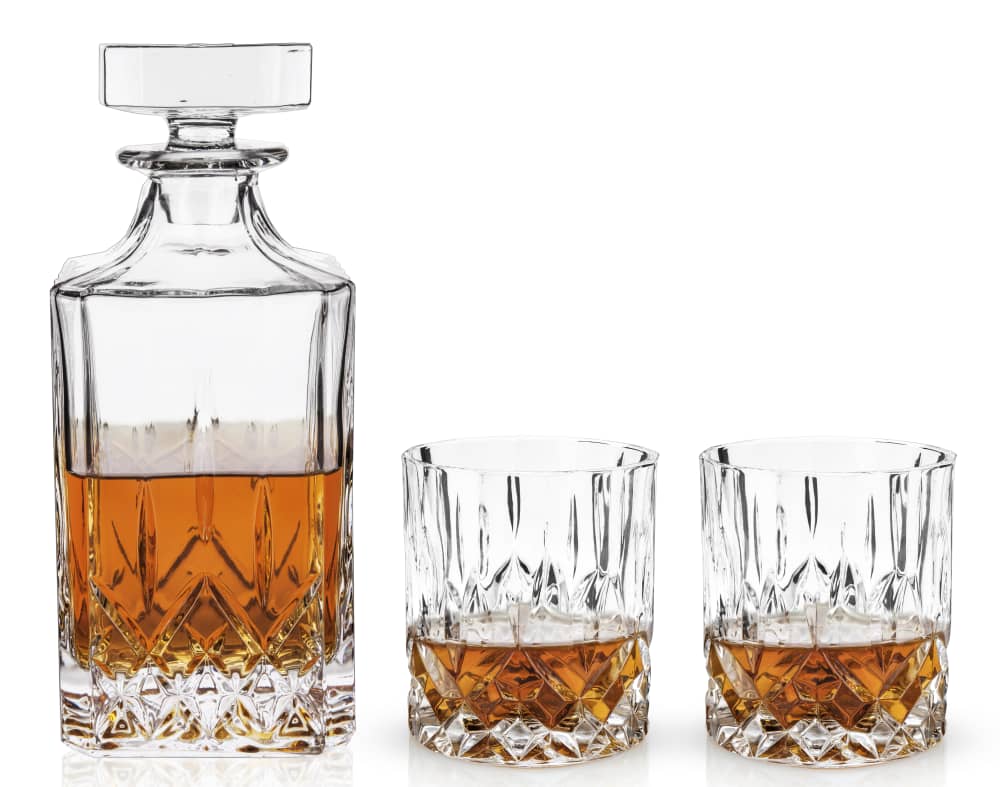
Using a decanter can enhance this process significantly. When I transfer the liquid to a decanter, the increased surface area facilitates quicker oxidation, enriching the flavors and aromas. If I’m short on time, swirling the glass can also provide some benefits.

Ultimately, personal preference plays a key role. Conducting a taste test at different intervals helps me determine the perfect duration for each specific bottle. Each pour offers a unique experience, and I find that patience often rewards me with a more complex and enjoyable sip.
Optimal Exposure Time for Red Wines
I recommend allowing most varietals to breathe for approximately 30 minutes to 2 hours before consumption. This exposure facilitates the development of aromas and flavors.
Specific varietals have distinct requirements:
- Cabernet Sauvignon: 1 to 2 hours enhances its complex profile.
- Merlot: 30 minutes to 1 hour suffices for revealing its softer notes.
- Pinot Noir: 1 hour is ideal, as it opens up its delicate characteristics.
- Syrah/Shiraz: 1 to 2 hours allows for the full expression of its bold flavors.
Consider using a decanter, which can increase the surface area exposed to oxygen, accelerating the process. If short on time, simply swirling the beverage in the glass can also enhance its bouquet.
Monitor the bouquet during the airing period. If it starts to exhibit off-putting scents, it may be overexposed. Conversely, if the aroma becomes more inviting, it’s likely ready for tasting.
Personal preferences vary, so taste at intervals to determine the optimal moment for you. Adjust the timing based on the specific characteristics you enjoy in your selection.
Understanding the Benefits of Aeration
I recommend exposing your favorite vintage for at least 30 minutes to an hour before tasting. This process enhances the bouquet and flavors, making the experience more enjoyable.
The reasons for this practice include:
- Flavor development: Oxygen interacts with compounds, allowing complex notes to emerge, which might otherwise remain hidden.
- Softening tannins: The exposure to air helps reduce the harshness of tannins, resulting in a smoother finish.
- Highlighting aromas: Allowing the liquid to breathe releases volatile compounds that contribute to the aromatic profile, elevating the sensory experience.
- Balancing acidity: Interaction with oxygen can mellow the acidity, creating a harmonious blend of flavors.
For optimal results, use a decanter or simply swirl the beverage in a glass. Experiment with various durations to discover your ideal balance of taste and aroma. Each varietal may respond differently, so personal preference plays a significant role.
Optimal Aeration Times for Different Red Wines
For maximum enjoyment, specific varietals benefit from targeted exposure to oxygen. Here’s a concise guide to ideal durations:
| Type of Wine | Recommended Aeration Time |
|---|---|
| Light-bodied Reds (e.g., Pinot Noir) | 30 minutes |
| Medium-bodied Reds (e.g., Merlot, Chianti) | 1 to 2 hours |
| Full-bodied Reds (e.g., Cabernet Sauvignon, Syrah) | 2 to 4 hours |
| Young Reds (under 5 years) | 1 to 3 hours |
| Older Reds (over 10 years) | 30 minutes to 1 hour |
These times can enhance the flavors and aromas, revealing the full profile of each bottle. Adjustments may be necessary based on personal preference and specific vintage characteristics.
Signs That Your Beverage is Ready to Drink
Observe the aroma. As it breathes, the bouquet evolves, revealing a complex range of scents. If the initial tightness dissipates and you begin to detect fruity, floral, or earthy notes, it’s a sign that it’s time to pour a glass.
Check the texture. A smoother mouthfeel indicates that tannins have softened, enhancing the overall experience. If the liquid feels velvety rather than harsh, it suggests readiness.
Examine the color. A vibrant hue, free from excessive sediment, signals that aeration has been effective. If the color appears more brilliant and less opaque, it may be perfect for enjoyment.
Taste is paramount. Taking a small sip can reveal if flavors have integrated well. If you notice a harmonious balance between acidity, sweetness, and bitterness, it’s likely in prime condition.
Lastly, note the finish. A lingering, pleasant aftertaste suggests that the flavors have reached their peak. If the finish is clean and enjoyable, it’s a great indicator of a well-aerated drink.