
 Chuck Furuya


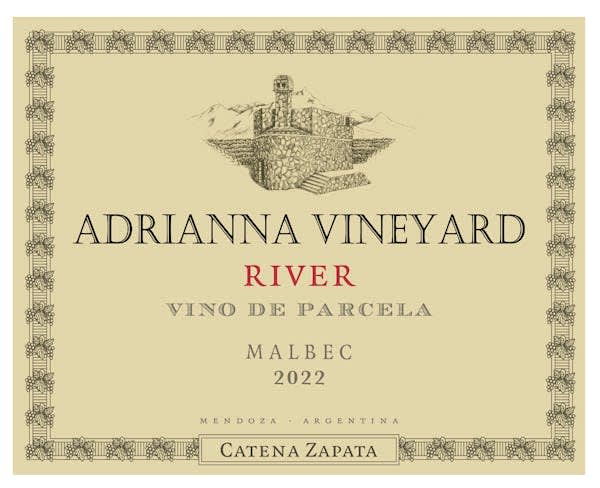
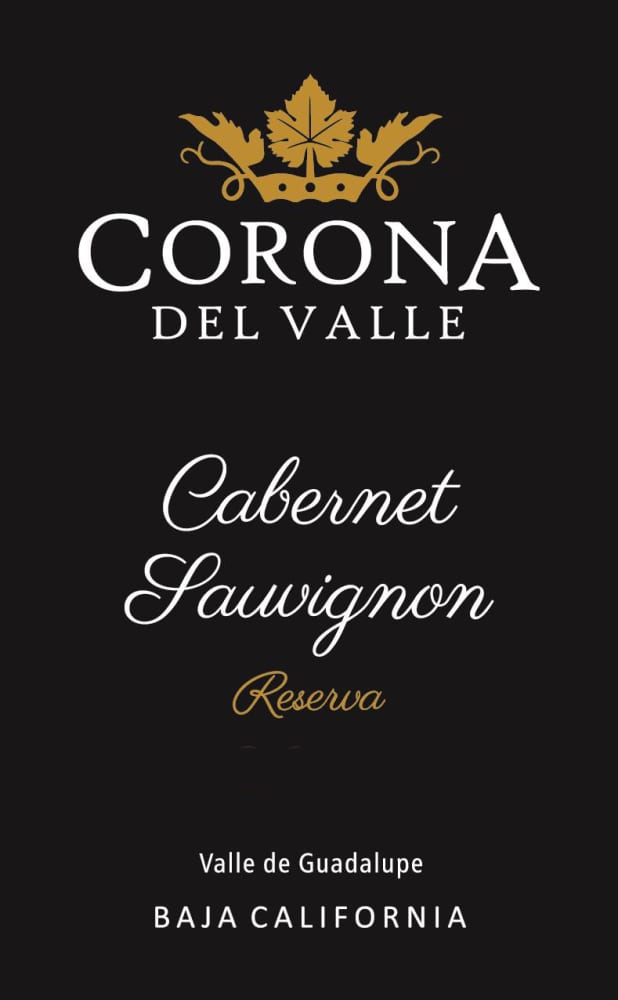
Pay attention to the label; it often reveals the story behind the bottle. A reputable vineyard will typically display the region, vintage, and grape variety prominently. Regions like Bordeaux or Napa Valley are renowned for their exceptional offerings. Look for specific varietals such as Cabernet Sauvignon or Pinot Noir, as these have distinct characteristics that can guide your selection.
Aroma is a key indicator of excellence. Gently swirl the glass to release the scents. A complex bouquet featuring dark fruits, spices, or earthy notes signifies a well-crafted beverage. If the fragrance is muted or overly simplistic, it may lack depth.
Taste is where the experience truly unfolds. A balanced profile should combine sweetness, acidity, tannins, and alcohol. A harmonious blend is a sign of quality, while any overwhelming notes can indicate flaws. Take note of the finish; a lingering aftertaste often reflects meticulous production methods.
Lastly, consider the price point. While higher cost doesn’t guarantee superiority, extremely low-priced options may compromise on quality. Investing a bit more can often lead to a much richer tasting experience.
Assessing the Color of Red Wine
Examine the hue against a white background to truly appreciate its depth and clarity. A deep, rich color often indicates a wine with robust flavor profiles, while lighter shades suggest a more delicate taste. Look for variations in shades, ranging from ruby to garnet, as these can reveal the age and varietal characteristics.
Swirl the glass gently and observe how the liquid coats the sides. A thicker, more viscous appearance may signal higher alcohol or sugar content, whereas a watery rim can hint at a lighter style. Pay attention to any sediment; a clear pour generally suggests better quality, while cloudiness might indicate issues during fermentation or aging.
Take note of the intensity. Darker wines typically come from grape varieties that are known for their boldness, such as Cabernet Sauvignon or Syrah. Conversely, a lighter hue may point to varietals like Pinot Noir, known for its elegance. This visual assessment is a key step in anticipating the overall experience before tasting.
Finally, consider the color’s evolution over time. Aged options often shift to more brick-like tones, indicating maturation and complexity. This transition can enhance the overall profile, signaling a wine that has developed nuanced flavors through its aging process.
Understanding Aromas and Their Significance
To assess the nuances of a fine vintage, I focus on detecting its aromas, which provide insights into its quality and character. Each scent reveals a part of the wine’s story, influenced by the grape variety, terroir, and aging process.
Aroma Categories
- Fruity: Look for scents of berries, cherries, plums, or blackcurrants. These aromas indicate ripe fruit and can suggest the wine’s sweetness level.
- Floral: Notes of violet, rose, or lavender can enhance complexity, often associated with specific varietals.
- Spicy: Aromas of pepper, clove, or cinnamon add depth and can signal oak aging or grape varietal characteristics.
- Earthy: Scents reminiscent of soil, leather, or tobacco can indicate the wine’s origin and maturity.
- Woody: Hints of vanilla or toast often come from barrel aging, influencing the wine’s texture and flavor profile.
Evaluating Aromas
Begin by swirling the glass to release the bouquet. Inhale deeply to capture the aromas. I take note of the intensity and complexity. A balanced composition of scents often signifies a well-crafted selection.
Consider the wine’s age. Young varieties may express more fruit, while matured ones often exhibit secondary characteristics like earthy or spicy notes. If the aromas are muted or unpleasant, it may indicate flaws.
In conclusion, focusing on aromas enhances the tasting experience, guiding me toward a deeper appreciation of each glass. Engaging with these scents leads to an informed choice, enriching the enjoyment of every sip.
Tasting Techniques for Flavor Evaluation
Begin by swishing a small amount of the beverage in your mouth, allowing it to coat your palate. This technique helps to fully experience the profile of flavors present.
Assessing Sweetness and Acidity
Pay attention to the balance between sweetness and acidity. A well-rounded drink typically exhibits a harmonious interplay between these elements. A sweeter flavor can enhance fruit notes, while a higher acidity often brings freshness and liveliness.
Identifying Tannins
Observe the mouthfeel, particularly the presence of tannins. These compounds contribute to the structure and texture. Astringency can indicate the level of tannins, which may range from smooth to robust. Consider how these characteristics evolve as the liquid lingers on your palate.
Finally, take note of the finish. A lengthy and pleasant aftertaste signals a refined experience, while a short or harsh finish may suggest lesser quality. Engage with the flavor profile, and let your senses guide your evaluation.
Identifying Tannin Levels and Their Impact
To assess tannin presence, take a sip and roll the liquid around your palate. Astringency indicates higher tannin levels, which contribute to the structure and aging potential of the beverage.
Here are key characteristics to consider:
- Texture: High tannins create a dry sensation, often perceived as a gritty or powdery feel in the mouth.
- Balance: Tannins should harmonize with acidity and fruit flavors. If they dominate, the experience may be unbalanced.
- Ageability: Elevated tannin levels often enhance the ability to age. Look for well-integrated tannins for longevity.
Different varietals showcase varying tannin profiles:
- Cabernet Sauvignon: Typically rich in tannins, providing a robust structure.
- Merlot: Generally softer tannins, leading to a smoother mouthfeel.
- Syrah/Shiraz: Can range from moderate to high, offering complexity and depth.
Consider regional influences as well. For instance, wines from warmer climates may have riper tannins, while those from cooler areas often exhibit more pronounced astringency.
After tasting, reflect on the tannin integration. Smooth, well-integrated tannins enhance enjoyment, while harsh or overly tannic experiences may detract from the overall profile.
Evaluating the Wine’s Finish and Aftertaste
Pay close attention to the length and quality of the finish. A lingering finish typically indicates a higher caliber of the beverage. After taking a sip, observe how long the flavors persist on your palate. A well-crafted example will leave a pleasant impression, often revealing additional notes as it fades.
Analyze the complexity of the aftertaste. Good examples will offer layers of flavor that evolve after swallowing. Look for hints of fruit, spice, or earthiness that may emerge as the initial taste diminishes. A simple, one-dimensional finish may suggest a lack of depth in the crafting process.

Consider the balance of flavors in the aftertaste. A harmonious blend, where no single note overwhelms the others, signifies quality. If certain flavors clash or are unpleasant, it may reflect a flaw in the creation of the beverage.
Take note of the texture experienced during the finish. A smooth, velvety sensation often enhances the overall enjoyment. Conversely, a rough or abrasive mouthfeel can detract from the experience and indicate poor viticulture or winemaking practices.
Finally, assess how the finish makes you feel. A delightful aftertaste invites you to take another sip, while a negative experience can sour your impression. Trust your instincts; if it leaves you wanting more, you’re likely dealing with a well-crafted product.
Recognizing Quality Labels and Ratings
Labels and ratings are critical indicators of a bottle’s caliber. It’s essential to pay attention to the origin and designation of wine. Look for terms like “Denominazione di Origine Controllata” (DOC) from Italy or “Appellation d’Origine Contrôlée” (AOC) from France, as these indicate adherence to strict production standards.
Understanding Rating Systems
Familiarizing myself with wine rating systems helps in gauging quality. Renowned publications like Wine Spectator and Robert Parker’s Wine Advocate provide scores that reflect expert evaluations. A score of 90 points or above typically signifies excellence.
Exploring Awards and Medals
Checking for awards from wine competitions can provide additional assurance of quality. Medals from events such as the International Wine Challenge or Decanter World Wine Awards indicate recognition from industry professionals.
| Rating System | Score Range | Quality Indication |
|---|---|---|
| Wine Spectator | 85-89 | Very Good |
| Robert Parker | 90-95 | Outstanding |
| Decanter | 95+ | Exceptional |
By keeping these aspects in mind and cross-referencing labels with ratings, I can confidently choose bottles that promise a satisfying experience.


