Chuck Furuya
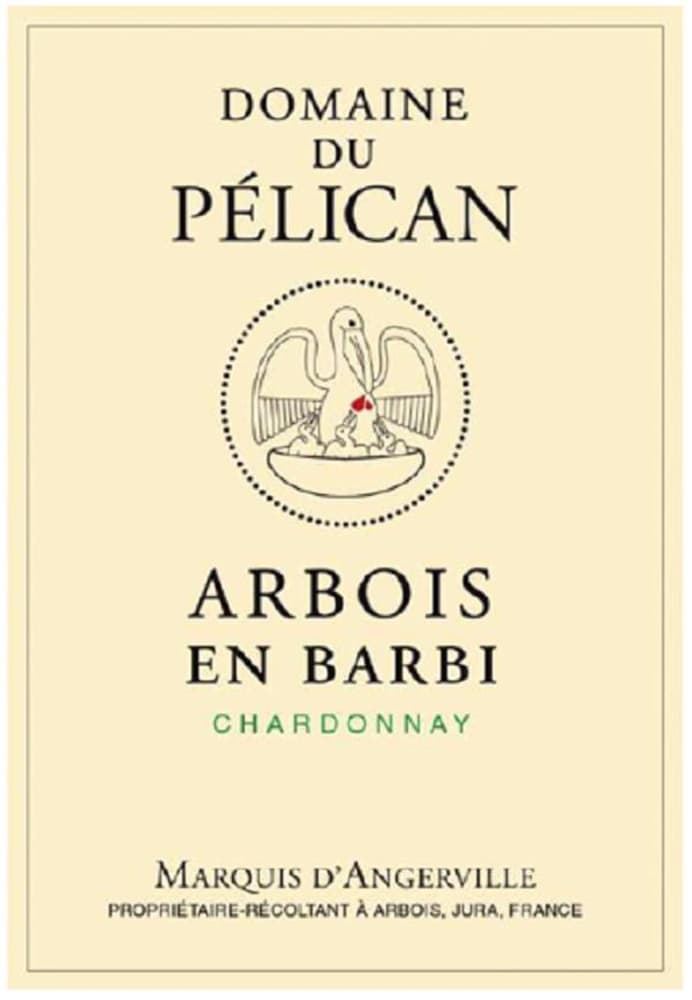
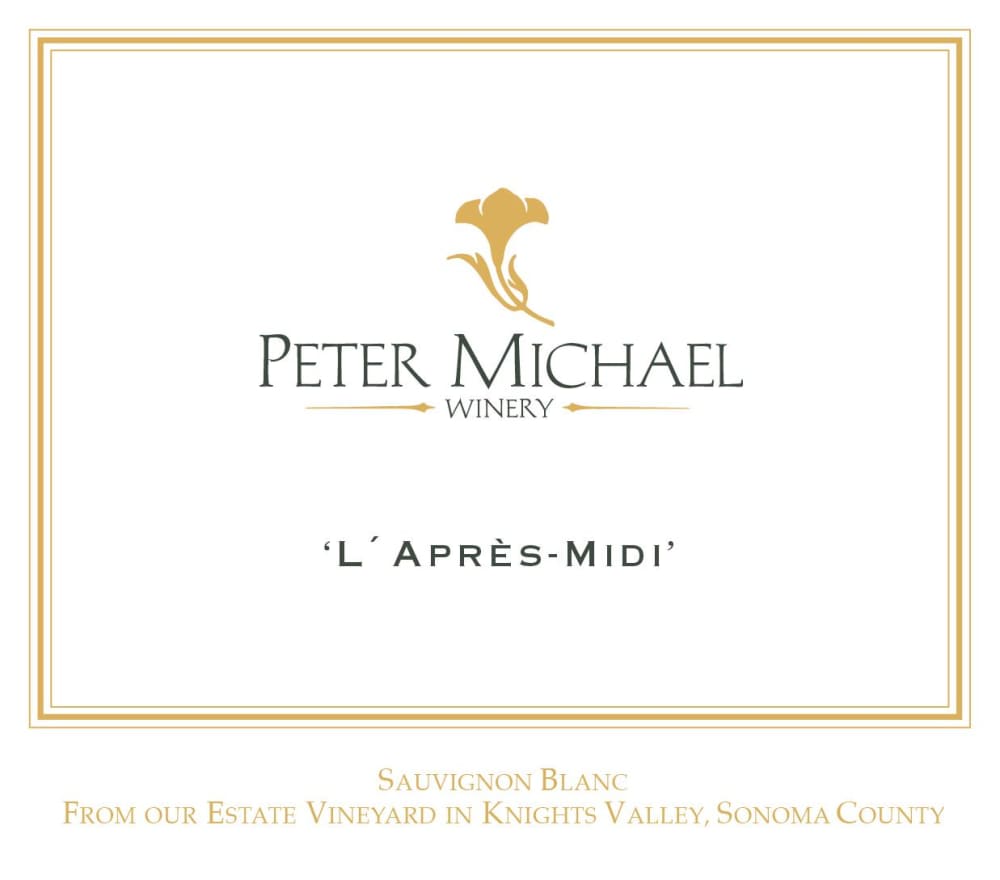

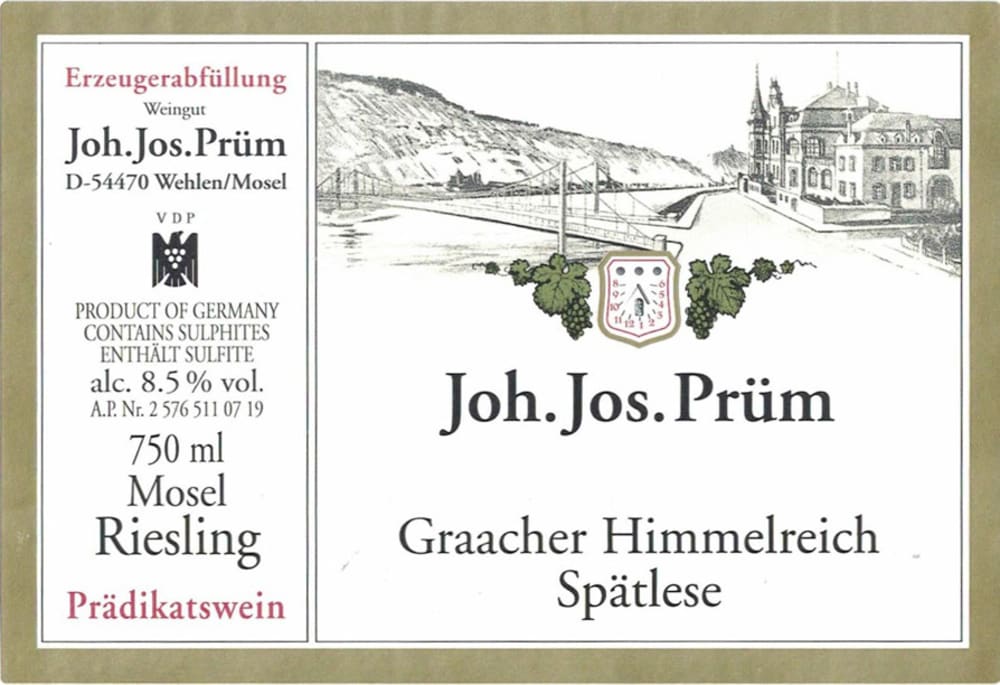
Chardonnay stands out as a premier choice for crafting exceptional white varietals. Its versatility allows winemakers to produce everything from crisp and refreshing to rich and buttery profiles. In cooler climates, it tends to retain high acidity, resulting in lively flavors of green apple and citrus. Conversely, warmer regions bring out tropical notes, such as pineapple and mango, making it a favorite among many.
Sauvignon Blanc is another noteworthy selection, prized for its aromatic qualities and zesty acidity. This grape thrives in regions like Marlborough, New Zealand, where it expresses vibrant notes of passionfruit, lime, and freshly cut grass. Its crispness makes it an ideal partner for seafood and salads, enhancing the dining experience significantly.
Riesling, with its high sugar content and floral aromas, adds a unique touch to the white wine spectrum. Originating from Germany, it can be vinified in various styles, from bone dry to lusciously sweet. The distinct peach and apricot flavors, coupled with a refreshing acidity, make it a versatile option for pairing with diverse cuisines.
Other commendable selections include Pinot Grigio, known for its light body and crisp acidity, and Gewürztraminer, which offers a bold and aromatic profile. Each variety brings its own character, catering to various palates and preferences. Choosing the right grape can elevate the quality and enjoyment of any white wine experience.
Recommended Varieties for Light Refreshments
Sauvignon Blanc stands out with its crisp acidity and herbaceous notes, making it a favorite for those who enjoy zesty flavors. Chardonnay, versatile in style, can range from buttery and oaky to clean and mineral-driven, appealing to a wide audience.
Riesling offers a spectrum from dry to sweet, often characterized by floral aromas and stone fruit flavors. This variety pairs well with spicy dishes, enhancing the overall dining experience.
Pino Grigio, known for its light body and refreshing quality, is perfect for casual gatherings. Its subtle citrus and pear notes make it an excellent choice for summer picnics.
Grüner Veltliner, with its peppery finish and vibrant acidity, complements a variety of cuisines, particularly those featuring vegetables or seafood.
Viognier, with its aromatic profile, showcases stone fruits and floral hints, ideal for those who appreciate more aromatic offerings.
Each of these selections brings unique characteristics to the table, catering to different palates and occasions. Choosing the right variety can elevate any gathering, creating memorable moments centered around shared enjoyment.
Popular White Wine Grape Varieties
Chardonnay stands out with its versatility, producing everything from crisp and clean to rich and buttery profiles. I often appreciate its ability to reflect the terroir, whether from Burgundy or California.
Sauvignon Blanc offers a refreshing acidity and vibrant citrus notes. Its herbaceous character makes it a favorite for pairing with seafood dishes. Regions like New Zealand and the Loire Valley excel in showcasing its unique attributes.
Riesling captivates with its aromatic qualities and range from dry to sweet. I find its floral and stone fruit flavors particularly appealing, especially from Germany’s Mosel region, where the cool climate enhances its elegance.
Pinot Grigio, known for its lightness and crispness, often features notes of green apple and pear. Italian versions tend to be more refreshing, while some from the Alsace region exhibit a richer style that I enjoy for its complexity.
Viognier is less common but offers a luscious mouthfeel and distinctive floral aroma. I appreciate its stone fruit flavors and silkiness, especially in blends where it adds depth and character.
Gewürztraminer is an aromatic variety that surprises with its spicy and fruity profile. Its distinctive lychee and rose petal notes make it an intriguing choice for food pairings, particularly with spicy cuisines.
Semillon, often blended with Sauvignon Blanc, shines on its own with a honeyed richness. I enjoy its aging potential, as older Semillon develops complex flavors that are a delight to experience.
Each variety brings unique qualities to the table, enhancing the enjoyment of various culinary experiences. I recommend exploring these options to discover personal preferences in flavor and aroma.
Characteristics of Chardonnay Grapes
Chardonnay offers a unique profile that sets it apart in the world of viniculture. This variety thrives in diverse climates, from cool regions like Chablis to warmer areas such as California and Australia. Its adaptability allows winemakers to create a wide range of styles, from crisp and mineral-driven to rich and buttery.
Flavor Profile
- Green apple and pear notes are common in cooler climates.
- Riper regions produce flavors of peach, tropical fruits, and citrus.
- Malolactic fermentation often adds buttery and creamy characteristics.
- Oak aging contributes vanilla, caramel, and spice nuances.
Growing Conditions
- Prefers well-drained soils with good exposure to sunlight.
- Vines benefit from moderate yields to enhance fruit concentration.
- Pruning techniques impact flavor development and ripening.
Understanding these traits allows me to appreciate the versatility and complexity Chardonnay brings to the glass. This variety remains a staple for both casual drinkers and connoisseurs alike.
Sauvignon Blanc: Flavor Profiles and Regions
Sauvignon Blanc offers a refreshing and aromatic experience that appeals to many wine enthusiasts. This variety is characterized by its crisp acidity and vibrant fruit flavors, often highlighting notes of green apple, pear, and citrus. Herbal undertones, such as bell pepper and freshly cut grass, can also contribute to its distinctive profile.
Flavor Characteristics
The flavor spectrum of Sauvignon Blanc varies significantly based on its origin. Typically, it showcases:
| Region | Flavor Notes |
|---|---|
| Loire Valley (France) | Mineral, flint, citrus, green apple |
| Marlborough (New Zealand) | Tropical fruits, passion fruit, gooseberry, herbaceous |
| California (USA) | Stone fruits, ripe citrus, oak influence |
| South Africa | Earthy, green fig, citrus, subtle floral |
Notable Regions
This variety thrives in regions with distinct climates, enhancing its unique qualities. The following areas are prominent producers:
- Loire Valley, France: Renowned for its mineral-driven expressions.
- Marlborough, New Zealand: Famous for bold, fruit-forward wines.
- Napa Valley, California: Known for richer, oak-aged versions.
- Constantia, South Africa: Produces elegant, complex styles.
Choosing a bottle of Sauvignon Blanc can lead to delightful discoveries, revealing the nuances of each terroir. Whether enjoyed on its own or paired with seafood, the diverse profiles ensure a memorable tasting experience.
Riesling: Sweetness and Acidity Explained
Riesling showcases a remarkable balance of sweetness and acidity, making it a versatile choice for various preferences. The sugar content can vary greatly, from bone-dry to intensely sweet. This characteristic allows Riesling to pair well with a wide array of dishes, enhancing the dining experience.
The acidity in Riesling is one of its defining traits. Typically, it has a high level of natural acidity, which helps to preserve the wine and contributes to its refreshing quality. This acidity also accentuates the fruit flavors, creating a harmonious profile that appeals to many palates.
When tasting, look for notes of green apple, pear, and peach, often accompanied by floral hints. The sweetness level can alter the perception of acidity; sweeter versions may seem less tart, while dry styles highlight the crispness. Regions like Mosel and Alsace produce excellent examples of this grape, each reflecting their unique terroir.
For those seeking to explore diverse expressions, consider trying both dry and sweet Rieslings. This will provide insight into how sweetness and acidity interact, revealing the complexity of this exceptional varietal.
FAQ:
What are the most common grape varieties used for white wine?
The most common grape varieties for white wine include Chardonnay, Sauvignon Blanc, and Riesling. Chardonnay is known for its versatility and can produce a wide range of flavors, from crisp and clean to rich and buttery. Sauvignon Blanc is often characterized by its bright acidity and herbal notes, making it refreshing. Riesling is celebrated for its aromatic qualities and can be made in dry to sweet styles, showcasing floral and fruity notes.
How do the characteristics of white wine grapes affect the final product?
The characteristics of white wine grapes play a significant role in the wine’s flavor, aroma, and acidity. For instance, grapes with high acidity, like Sauvignon Blanc, lead to wines that are crisp and refreshing. In contrast, grapes like Chardonnay can have a fuller body and creamier texture, especially when aged in oak. The terroir, or the environmental conditions where the grapes are grown, also influences the wine’s character, making it unique to its region.
Are there any lesser-known grape varieties that are used for white wine?
Yes, several lesser-known grape varieties are used for white wine. For example, Grüner Veltliner is popular in Austria and is known for its peppery notes and high acidity. Another example is Albariño, a Spanish grape variety that produces aromatic wines with stone fruit and floral characteristics. These lesser-known varieties can offer unique flavors and are often worth exploring for those interested in expanding their palate.
What factors influence the choice of grape for a specific type of white wine?
Several factors influence the choice of grape for a specific type of white wine. Climate is one of the most crucial factors; warmer regions are more suitable for grapes that thrive in heat, like Chardonnay, while cooler climates favor grapes like Riesling. Soil type also affects grape characteristics, as it contributes to the nutrient profile and drainage. Winemaking techniques, such as fermentation and aging methods, also play a role in determining the final style of the wine.
How can I choose the right white wine based on the grape variety?
Choosing the right white wine based on grape variety involves understanding the general flavor profiles and characteristics of each type. For a crisp and refreshing experience, opt for Sauvignon Blanc. If you prefer something richer and more complex, Chardonnay might be your best bet. For aromatic and floral notes, Riesling is an excellent choice. Additionally, consider pairing the wine with food; certain grape varieties complement specific dishes, enhancing your overall tasting experience.