
 Chuck Furuya

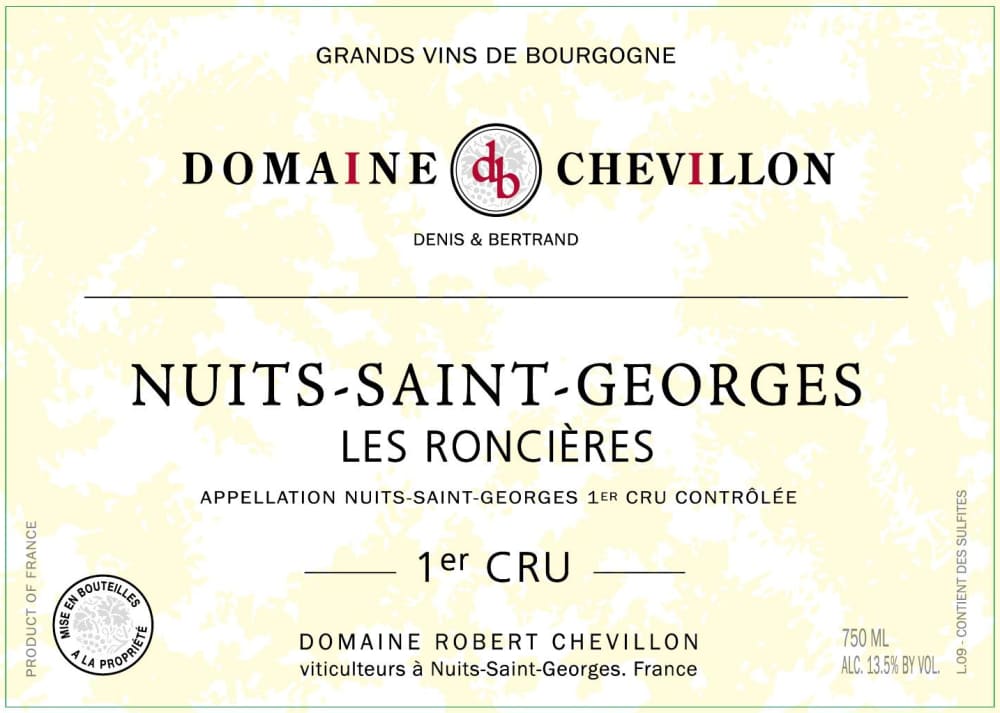


For a rich and complex flavor profile, I recommend using a robust Merlot during the cooking process. Begin by heating a generous amount of olive oil or butter in a heavy-bottomed skillet over medium heat. Once the fat is shimmering, add sliced bulbs, ensuring they are spread evenly across the surface.
Stir occasionally, allowing the natural sugars to develop over time. The process typically takes around 20-30 minutes. As they soften, introduce a splash of that full-bodied red, which will enhance the sweetness and add a depth of flavor. This addition also helps to deglaze the pan, lifting the fond from the bottom and incorporating it into the mixture.
Continue to cook, monitoring the moisture level. If the mixture appears too dry, feel free to add a bit more liquid. The goal is to achieve a deep golden hue while maintaining a tender texture. Be patient; the transformation is well worth the wait.
Caramelizing Alliums with a Touch of Wine
Choose a medium-sized skillet for this task, ensuring it has a heavy bottom to promote even cooking. Melt a generous tablespoon of butter over medium heat, allowing it to foam before adding sliced alliums. Stir gently to coat the pieces uniformly in fat.
After a few minutes, reduce the heat to low. This allows for slow cooking, enabling the natural sugars to develop. It’s crucial to stir occasionally to prevent sticking or burning. As they soften, this process can take around 20-30 minutes.
Incorporating Wine
Once the alliums turn a golden hue, introduce a splash of your chosen varietal. A half cup works well, enhancing the flavor profile. The acidity of the liquid will help deglaze the pan, lifting any flavorful bits stuck to the bottom.
Continue cooking on low heat, allowing the liquid to reduce by half. This step intensifies the flavors and adds a rich complexity. The final texture should be silky, with a balance of sweetness and acidity.
Flavor Variations
| Ingredient | Effect |
|---|---|
| Balsamic Vinegar | Adds a tangy sweetness |
| Thyme | Enhances earthiness |
| Garlic | Infuses savory notes |
| Brown Sugar | Increases caramelization |
Experimenting with these additions allows for a personalized touch, adapting to various dishes or preferences. The final result should be a rich, flavorful accompaniment perfect for enhancing meats, cheeses, or vegetable dishes.
Selecting the Right Bulbs for Sweetening
For achieving a rich and satisfying flavor, I recommend using yellow or sweet varieties. These types possess a natural sweetness that intensifies during the cooking process.
Yellow Varieties
- These are versatile and widely available.
- They develop a deep, complex flavor profile when cooked slowly.
- Great for both savory and sweet dishes.
Sweeter Options
- Vidalia or Walla Walla types are perfect for those who prefer a milder taste.
- These contain higher sugar levels, making them ideal for enhancing dishes.
- They caramelize beautifully, producing a golden color and rich aroma.
Avoid using white or purple varieties for this purpose; they tend to have a sharper taste and lack the depth needed for melting into a sweet, rich base.
Choosing the Best Red Wine for Flavor Enhancement
Opt for a full-bodied varietal like Cabernet Sauvignon or Merlot. These options deliver rich flavors that complement the natural sweetness of the cooked produce.
Avoid overly sweet selections, as they can overpower the dish. Instead, seek out wines with balanced acidity, which helps to enhance the overall profile without dominating it.
Consider regional wines that pair well with your culinary style. For instance, a Chianti can impart a lovely herbaceous note, while a Malbec may add depth and fruitiness.
When selecting a bottle, think about the aging process. Aged wines often present more complex flavors, which can elevate the dish. Look for options that have been barrel-aged for a smoother finish.
Lastly, never hesitate to use a wine that you enjoy drinking. The flavors you appreciate will reflect in your cooking, adding a personal touch to your creation.
Preparing Onions: Slicing and Prepping Techniques
For optimal results, I recommend using a sharp chef’s knife to slice the bulb. Start by cutting off the stem end and the root end. This ensures a stable base while cutting. Next, peel away the outer layer, discarding it.
Slicing Techniques
- For thin slices: Position the bulb flat on the cutting board and cut lengthwise into thin strips, adjusting the thickness based on preference.
- For diced pieces: After slicing, align the strips and make crosswise cuts to achieve uniform cubes.
- For rings: Cut the bulb crosswise into rounds for a different texture and presentation.
Prepping Tips
- Soaking sliced bulbs in cold water for 10-15 minutes reduces sharpness, making them sweeter.
- Sprinkling a bit of salt on the slices before cooking helps to draw out moisture, enhancing flavor.
- Using a mandoline can achieve consistent thickness quickly, ideal for larger quantities.
After prepping, it’s crucial to dry the slices thoroughly before cooking to prevent excess moisture from interfering with the flavor development during the cooking process.
Step-by-Step Cooking Process for Caramelizing
Begin by heating a large skillet over medium-low heat. Add a generous amount of olive oil or butter to the pan, allowing it to melt and coat the surface evenly.
Once the fat is hot, introduce the sliced bulbs, ensuring they are spread out in a single layer. This promotes even cooking and prevents steaming.
Stir the ingredients frequently, allowing them to soften and gradually release their natural sugars. Patience is key; this process can take anywhere from 30 to 45 minutes.
As the mixture begins to brown, sprinkle a pinch of salt to enhance flavor and aid in moisture extraction. This step is crucial for achieving depth in taste.
Incorporating the Liquid
When the slices reach a rich golden-brown hue, pour in the chosen fermented grape beverage. Stir continuously, allowing the liquid to deglaze the skillet and lift any caramelized bits stuck to the bottom. This adds complexity to the dish.
Continue cooking until the liquid reduces significantly, coating the sweetened segments. The final texture should be sticky yet smooth.
Finishing Touches
Once the mixture has reached the desired consistency, remove it from the heat. Taste and adjust seasoning if necessary. A hint of acidity or sweetness can elevate the overall flavor profile.
Transfer the creation to a serving dish, and consider garnishing with fresh herbs for an aromatic finish. This preparation can elevate salads, sandwiches, or serve as a delightful topping for proteins.



