
 Chuck Furuya


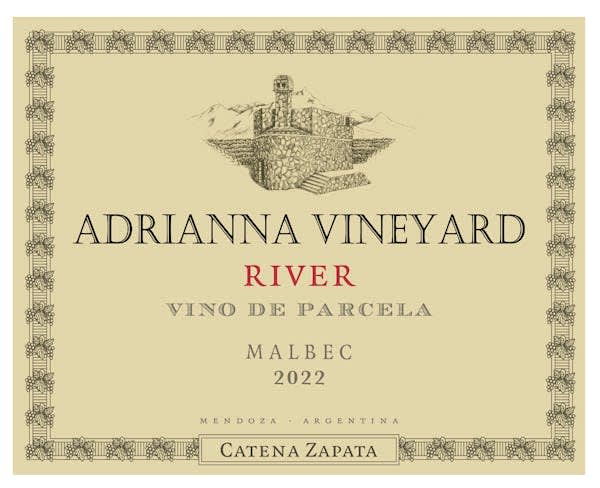

If you’re searching for a robust crimson beverage that stands out, I recommend exploring varietals such as Zinfandel or Syrah. These selections offer depth and complexity, making them ideal companions for rich dishes like grilled meats or hearty stews.
When selecting a bottle, consider regions known for producing bold flavors. California’s Napa Valley and Australia’s Barossa Valley are renowned for their full-bodied offerings that emphasize ripe fruit and a hint of spice. Look for labels that suggest aging potential, as these wines often develop more nuanced characteristics over time.

Pay attention to flavor profiles. A good choice will showcase dark berry notes, peppery undertones, and a well-balanced acidity that enhances food pairings. Don’t hesitate to experiment with different vintages; the nuances can greatly enhance your tasting experience.
What is a Hardy Red Wine
I highly recommend exploring varietals like Shiraz and Zinfandel if you seek bold and robust choices. These selections are known for their intense flavors and structured tannins, making them ideal for pairing with hearty dishes such as grilled meats or rich stews.
Characteristics
These wines typically exhibit deep colors and a full-bodied presence. Expect notes of dark fruits, spices, and sometimes even a hint of smokiness. The aging process often enhances their complexity, so a bottle aged for several years can reveal layers of flavor that younger versions might lack.
Pairing Suggestions
For a memorable dining experience, consider these combinations:
| Wine Type | Food Pairing |
|---|---|
| Shiraz | Barbecued ribs |
| Zinfandel | Spicy chili |
| Malbec | Grilled steak |
| Cabernet Sauvignon | Roasted lamb |
These pairings enhance the tasting experience, allowing the flavors to complement each other beautifully. Enjoying a glass of these robust beverages can elevate any meal or gathering.
Characteristics of Hardy Red Wines
For those exploring robust varieties, I recommend focusing on intense flavors and rich aromas. These wines typically exhibit bold fruit notes such as blackberry, plum, and cherry, often complemented by hints of spice, chocolate, or earthy undertones. The tannin structure is generally firm, providing a solid backbone that enhances aging potential.
Aging Potential
Wines with high acidity and substantial tannins tend to age well, developing complex nuances over time. I find that bottles from quality producers can mature gracefully for a decade or more, evolving into something truly remarkable. It’s worthwhile to keep track of vintage ratings as they can significantly influence the aging process.
Food Pairing
When it comes to pairing, rich, savory dishes are ideal companions. Grilled meats, hearty stews, and aged cheeses enhance the tasting experience. A well-structured glass can cut through fat and elevate the flavors of the meal. Experimenting with different pairings can reveal unexpected harmonies that delight the palate.
Popular Varieties of Hardy Red Wines
For robust options, I recommend exploring Syrah, known for its bold flavors of dark fruit and spice, making it a favorite for hearty dishes. Another excellent choice is Malbec, which offers rich plum and blackberry notes, perfect with grilled meats.
Zinfandel stands out with its jammy fruit profile and peppery finish, making it versatile for various cuisines. If you prefer something with a bit of earthiness, consider Cabernet Sauvignon; its structured tannins and dark berry flavors complement rich sauces beautifully.
Tempranillo, hailing from Spain, is notable for its leather and cherry characteristics, pairing well with both tapas and roasted meats. Grenache also deserves attention; it exhibits bright red fruit flavors, ideal for lighter fare or as a refreshing option in warmer climates.
Each of these selections offers distinct qualities that enhance the tasting experience, making them ideal companions for various meals. Choosing any of these varietals will ensure a satisfying experience with complex flavors and aromas.
Ideal Regions for Cultivating Resilient Grape Varieties
I recommend focusing on regions with a combination of climate, soil composition, and elevation that support the growth of robust grape varieties. The following areas stand out:
California’s Central Coast
This area, particularly Paso Robles, benefits from warm days and cool nights. The diverse soil types, including calcareous clay and sandy loam, provide excellent drainage and mineral content. Varieties like Zinfandel and Syrah thrive here, showcasing rich flavors and complexity.
Southern France
Regions such as the Rhône Valley are ideal for cultivating strong varietals. The Mediterranean climate, combined with rocky soils, promotes healthy vine growth. Grenache and Mourvèdre excel in this environment, delivering wines with depth and aging potential.
The unique microclimates found in these regions enhance the character of the grapes, leading to bold and expressive beverages. Each location offers distinct advantages that contribute to the overall quality of the final product.
Food Pairings that Complement Robust Red Varietals
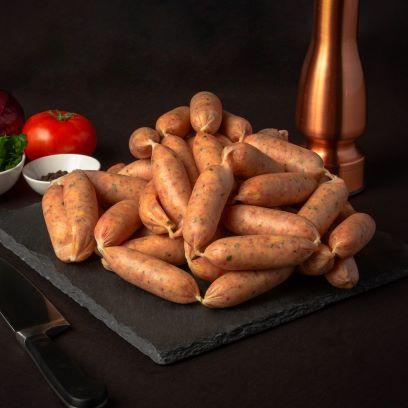
For a delightful culinary experience, consider pairing a full-bodied wine with grilled meats. A juicy steak seasoned with coarse salt and cracked pepper enhances the bold character of the beverage, creating a harmonious balance. The savory flavors of the meat amplify the wine’s complexity, making each sip more enjoyable.
Cheese Selections
Hard cheeses, such as aged cheddar or gouda, are excellent companions. Their rich textures and nutty flavors resonate beautifully with the wine’s structure. A cheese platter featuring a variety of textures can elevate the tasting experience, providing a perfect contrast to the wine’s tannins.
Hearty Dishes
Stews and braises are ideal partners. A hearty beef stew, simmered with root vegetables and aromatic herbs, complements the wine’s depth. The slow-cooked flavors meld seamlessly with the drink, enhancing its fruit notes while softening its tannic profile. Additionally, roasted lamb with rosemary and garlic presents a succulent option that pairs wonderfully, as the herbaceous elements align perfectly with the wine’s richness.
For a vegetarian choice, consider mushroom risotto. Earthy mushrooms harmonize with the wine’s profile, while the creaminess of the risotto rounds out the overall experience. This combination can bring out the wine’s underlying fruit characteristics, making for an enjoyable meal.
How to Properly Store Hardy Red Wines
Maintain a consistent temperature between 55°F and 65°F (13°C to 18°C) for optimal preservation. Avoid fluctuations, as they can negatively impact the aging process.

Humidity Control
Keep humidity levels around 60-70% to prevent corks from drying out or mold growth. A wine cellar or a dedicated wine fridge can help achieve this balance.
Light Exposure
Minimize light exposure, especially UV rays, as they can degrade the quality over time. Store bottles in dark places or use UV-filtering glass for cabinets.
- Store bottles horizontally to keep the cork moist.
- Avoid vibrations from appliances or heavy traffic areas.
- Use a dedicated wine rack for proper air circulation.
Rotate bottles periodically to ensure even aging. This practice helps maintain the integrity of the cork and the liquid inside.
For long-term storage, consider using a wine fridge with dual-zone capabilities to accommodate both reds and whites. Regularly check the environment to ensure conditions remain stable.
Understanding the Aging Process of Hardy Red Wines
The aging of robust varietals is a critical phase that enhances their complexity and depth. I recommend focusing on specific factors that influence this maturation.
- Barrel Type: The choice between oak and stainless steel barrels significantly impacts flavor. Oak barrels impart tannins and subtle vanilla notes, while stainless steel preserves the fruit’s purity.
- Duration: Aging can range from a few months to several years. Shorter aging periods highlight fresh characteristics, while extended aging develops tertiary flavors such as leather and earth.
- Temperature Control: Consistent, cool temperatures are vital. Ideal conditions typically range from 55°F to 65°F. Fluctuations can lead to spoilage or undesirable characteristics.
- Oxygen Exposure: A controlled amount of oxygen is beneficial. It helps in softening tannins and enhancing flavor complexity, but too much can lead to oxidation.
Monitoring these elements can lead to a superior tasting experience. I find that understanding the nuances of aging allows for a deeper appreciation of the final product.
FAQ:
What characteristics define a hardy red wine?
Hardy red wines are typically known for their robustness and ability to withstand various environmental conditions. They often feature a high tannin content, which contributes to their structure and longevity. Additionally, these wines are usually full-bodied, with rich flavors and aromas that can include dark fruits, spices, and earthy notes. The grapes used for hardy red wines are often grown in regions with challenging climates, which helps them develop resilience and depth.
Can you provide examples of hardy red wine varieties?
Some popular varieties of hardy red wines include Cabernet Sauvignon, Syrah, and Malbec. Cabernet Sauvignon is known for its bold flavor profile and aging potential, while Syrah often has a peppery note and complexity. Malbec is celebrated for its dark fruit flavors and smooth texture. Each of these varieties can thrive in less-than-ideal conditions, making them excellent choices for those seeking hardy red wines.
How should I store hardy red wines for optimal aging?
To store hardy red wines properly, keep them in a cool, dark place with a consistent temperature, ideally between 55°F and 65°F (13°C to 18°C). Ensure that the humidity level is around 60-70% to prevent cork damage. Wines should be stored horizontally to keep the cork moist and sealed. Avoid exposing the bottles to vibrations and direct sunlight, as these factors can negatively affect the wine’s quality over time.
What food pairings work well with hardy red wines?
Hardy red wines pair excellently with a variety of hearty dishes. Grilled meats, such as steak or lamb, complement the bold flavors and tannins of these wines. Rich pasta dishes, like those with tomato-based sauces or creamy sauces, also work well. Additionally, aged cheeses and charcuterie boards can enhance the tasting experience, allowing the wine’s complexities to shine alongside the food.
Are there specific regions known for producing hardy red wines?
Yes, certain wine regions are renowned for their production of hardy red wines. For instance, Bordeaux in France is famous for its robust Cabernet Sauvignon and Merlot blends. The Rhône Valley is known for its Syrah, particularly from the northern regions. In South America, Argentina’s Mendoza region is celebrated for Malbec, which thrives in its high-altitude vineyards. Each of these regions offers unique terroirs that contribute to the resilience and flavor profiles of their wines.



