Chuck Furuya
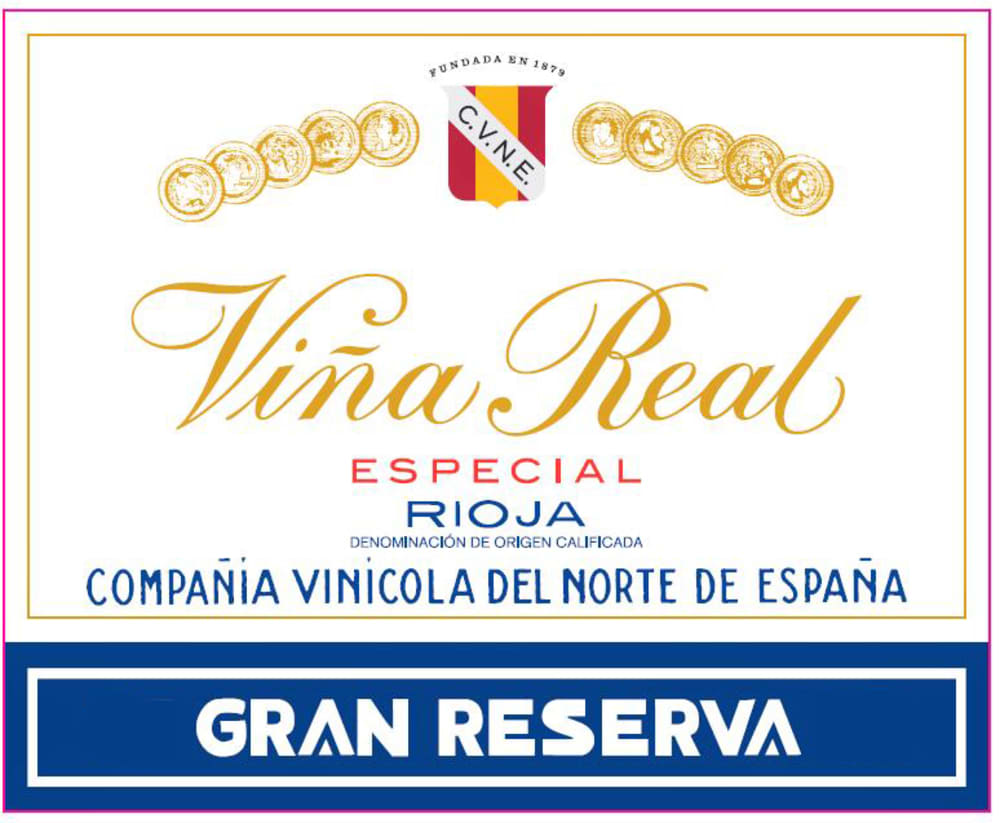
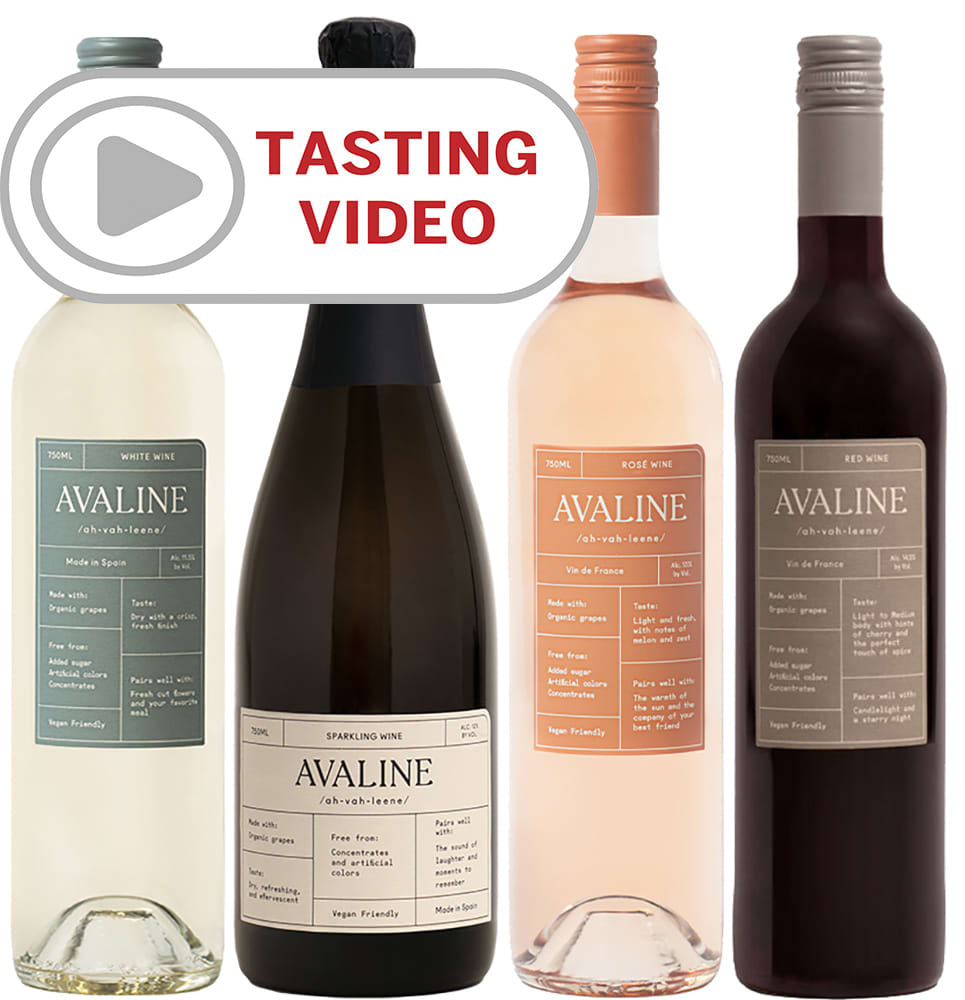

I recommend exploring a combination of varietals that harmoniously come together to create a complex and enjoyable experience. A harmonious mix often features popular grapes such as Merlot, Cabernet Sauvignon, and Syrah, which contribute distinct characteristics to the final product.
Look for options that showcase a balance of fruitiness and tannins, leading to a smooth finish. Regions like California, Washington, and South Africa have gained recognition for their exceptional offerings in this category, each bringing unique terroirs that influence flavor profiles.
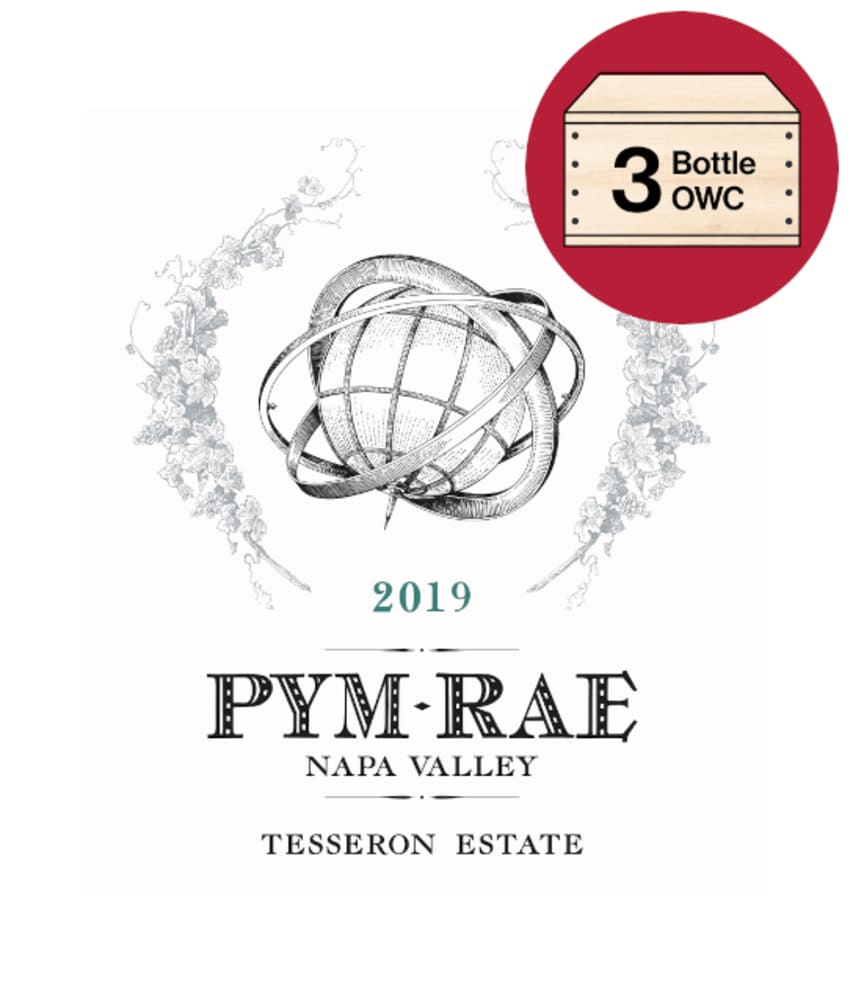
When selecting, pay attention to the percentage of each grape variety listed on the label. A well-crafted combination typically includes at least two or more types, allowing for an intriguing exploration of aromas and tastes. Enjoy the process of tasting different selections to find your personal favorite.
Defining Red Blend Wine: Key Characteristics
To identify a quality mix of varietals, I focus on a few key traits. First, the balance between different grapes is crucial. A successful combination should highlight the strengths of each component, creating a harmonious profile. For instance, the fruitiness of Zinfandel might be complemented by the structure of Cabernet Sauvignon.
Flavor Profile
The taste spectrum typically includes dark fruits such as blackberry and plum, with possible undertones of spice or earthiness. Tannins often vary depending on the grapes used, offering a smooth mouthfeel while ensuring a satisfying finish. I look for complexity, where each sip reveals new layers of flavor.
Aging Potential
Many mixtures can age well, developing deeper nuances over time. I pay attention to acidity levels, which contribute to longevity and enhance the overall experience. A well-crafted selection will evolve gracefully, allowing for enjoyment at various stages.
In summary, an exceptional creation results from the thoughtful interplay of various grapes, presenting a multi-dimensional tasting experience that captivates the palate.
Common Grape Varieties Used in Blends
When crafting a harmonious mix, several grape types stand out due to their distinctive characteristics and compatibility with others. I often find that including these varieties elevates the overall profile of the final product.
Cabernet Sauvignon
This robust variety adds structure and depth with its firm tannins and dark fruit flavors. Its notes of blackcurrant and cedar can anchor a blend, providing a solid foundation.
Merlot
Merlot offers softness and roundness, often bringing a plush texture to the combination. Its lower acidity and fruit-forward profile, with hints of plum and chocolate, complement bolder grapes beautifully.
Syrah/Shiraz
With its peppery spice and dark fruit notes, Syrah introduces complexity and a touch of earthiness. It works well with both fruity and tannic grapes, enhancing the blend’s aromatic profile.
Malbec
This variety is known for its rich, dark fruit flavors and velvety mouthfeel. It often adds a layer of fruitiness and can soften the tannic qualities of other grapes.
Tempranillo
Commonly found in Spanish blends, Tempranillo brings a balance of acidity and tannins along with flavors of cherry, leather, and spice, enriching the overall character.
Each of these varieties can serve as a cornerstone, allowing for creative combinations that highlight their strengths while achieving a balanced and enjoyable experience. Experimenting with different ratios can yield exciting and unique results.
The Role of Terroir in Red Blend Wines
Understanding the influence of terroir on these unique concoctions is essential for appreciating their complexity. Terroir encompasses the interplay of climate, soil, and topography that shapes the characteristics of the grapes used. Each region contributes distinct qualities to the final product, making it a focal point in crafting exceptional beverages.
Here are key elements of terroir that affect flavor profiles:
- Climate: The temperature ranges and precipitation patterns impact grape ripening, influencing sugar levels and acidity. Cooler areas may produce more structured, nuanced flavors, while warmer regions often yield riper, fruit-forward notes.
- Soil Composition: Different soil types contribute varying minerals and drainage properties, affecting root development and grape health. Clay, limestone, and gravel can impart unique characteristics, such as minerality or earthiness.
- Topography: Elevation and slope determine sunlight exposure and drainage, influencing vine health. Higher altitudes can lead to cooler temperatures, preserving acidity and enhancing aromatic profiles.
Regions like Bordeaux and Napa Valley exemplify how terroir shapes the flavor and aroma of the final product. In Bordeaux, the blend of Cabernet Sauvignon, Merlot, and other varieties reflects the unique conditions of the region, resulting in complex and age-worthy creations. Conversely, Napa’s diverse climates allow for a wide range of expressions, from bold and fruit-driven to more restrained and elegant styles.
When exploring a bottle, consider how these terroir elements contribute to your tasting experience. The nuances derived from the environment can make each sip a reflection of its origin, offering insights into the artistry behind every blend.
How to Taste and Evaluate Red Blend Wines
I begin by examining the color. A deep, rich hue often indicates intensity and concentration. Pour a small amount into a glass and tilt it slightly. Observe the rim; a lighter edge may suggest age, while a darker core hints at youthful vibrancy.
The next step is to swirl the glass gently. This releases aromas, allowing me to appreciate the bouquet. I take a deep inhale, identifying primary scents such as fruit, floral, and earthy notes. I focus on the layers of complexity, distinguishing between the various components like spice or oak influence.
When tasting, I take a small sip, letting the liquid coat my palate. I assess the balance of flavors–sweetness, acidity, tannin, and alcohol. A harmonious combination indicates quality. I pay attention to the texture; smoothness can enhance the experience, while astringency may reveal youthful vigor.
I note the finish after swallowing. A long, lingering aftertaste often signifies excellence, while a short finish might suggest a simpler profile. I reflect on how the flavors evolve over time in my mouth, as this can reveal depth and character.
I also consider the wine’s structure. A well-made variant will have a clear backbone of acidity, supporting the fruitiness without overwhelming it. The tannins should feel integrated, adding to the mouthfeel without dominating. If it feels disjointed, I make a mental note of that.
Finally, I reflect on my overall impression. Does this selection resonate with my palate? Would I choose this again? By taking careful notes during my tasting, I build a better understanding of preferences and styles in this diverse category.
Food Pairing Suggestions for Red Blend Wines
For a delightful dining experience, I recommend pairing these versatile creations with grilled meats, particularly lamb or beef. The smoky flavors enhance the fruitiness found in the blend, creating a harmonious balance.
Rich pasta dishes, especially those with tomato-based sauces or creamy Alfredo, complement the complexity of the varietals, allowing the acidity to cut through the richness of the sauce.
Hearty stews, such as beef bourguignon or a classic chili, match the robust character, making each bite and sip more enjoyable. The tannins in the mix soften with the proteins, enhancing flavor profiles.
For a cheese platter, opt for aged cheddar or gouda. The nutty characteristics of these cheeses pair beautifully with the darker fruit notes, providing a satisfying contrast.
Grilled vegetables seasoned with herbs can also work well, as their charred essence complements the wine’s natural earthiness, elevating the overall taste experience.
Finally, a dark chocolate dessert makes for a wonderful finish. The bitterness of the chocolate can bring out the wine’s sweeter fruit notes, creating a delightful end to the meal.
Popular Regions Known for Red Blend Production
California’s Napa Valley stands out for its exceptional offerings. The region’s warm climate and diverse soils contribute to rich, full-bodied creations, often featuring varieties like Cabernet Sauvignon and Merlot. It’s a favorite destination for both producers and enthusiasts.
In France, the Rhône Valley excels with its traditional mixtures. Here, Grenache, Syrah, and Mourvèdre are frequently combined, resulting in complex and aromatic profiles. The Châteauneuf-du-Pape appellation is particularly renowned for its craftsmanship.
Australia’s blends, especially from regions like Barossa Valley, showcase bold flavors. Shiraz often takes center stage, complemented by Grenache or Mourvèdre, creating wines with intense fruit character and spice.
South Africa offers unique takes, particularly in areas like Stellenbosch. The warm climate allows for rich fruit expression, often with a blend of Cabernet Sauvignon and Merlot, providing a distinct profile that highlights the region’s terroir.
Italy’s Tuscany region is known for its Sangiovese-based combinations, especially in the Super Tuscan category. These blends often incorporate international grapes, producing elegant and structured selections that reflect the local culture.
In Washington State, the Columbia Valley has gained recognition for its innovative blends, with Cabernet Sauvignon and Merlot leading the charge. The cooler climate here results in balanced acidity and ripe fruit, making for versatile options.
Understanding the Labeling of Red Blend Wines
Look for specific terms on the label that provide insights into the composition and style of the drink. Terms like “field blend” indicate that the grapes were co-fermented, while “proprietary red” signifies a unique blend crafted by the producer, often without revealing the grape varieties used.
The absence of a specific grape variety on the label may suggest a focus on a harmonious profile rather than a single varietal expression. Familiarize yourself with the regional guidelines since some areas have rules governing the percentage of certain grapes required to be labeled as such.
Check for alcohol content, as it can give clues about the wine’s body and intensity. Generally, a higher alcohol percentage indicates a richer experience, while lower levels may lead to a lighter profile.
Consider the vintage date, which reflects the year the grapes were harvested. It can hint at the characteristics of that particular year, influenced by climate conditions and harvest timing.
When tasting, pay attention to tasting notes and descriptions on the back label, which can guide your expectations regarding flavor profiles, aromas, and potential food pairings.
Lastly, explore the producer’s reputation and history. Established wineries often have a signature style that can influence the characteristics of their offerings. Researching the background can enhance your appreciation and understanding of the bottle in hand.
Tips for Storing and Serving Red Blend Wines
Maintain a consistent temperature between 55°F and 65°F (13°C to 18°C) for optimal preservation. Avoid fluctuations that can spoil flavor and aroma.
Store bottles horizontally to keep the cork moist. This prevents it from drying out and allowing air to spoil the liquid.
Choose a dark, cool location away from direct sunlight. UV rays can degrade the quality of the drink over time.
Utilize a wine fridge if possible. It provides the ideal environment and can be set to specific temperatures.
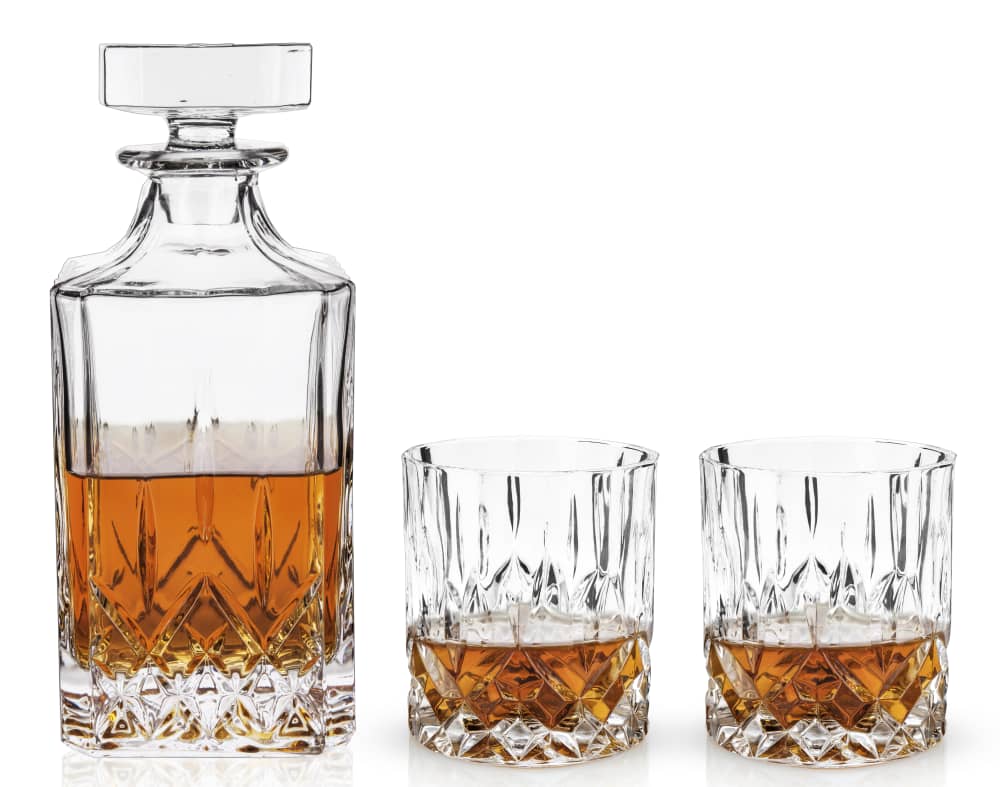
For serving, decant blends with a higher tannin content for 30 minutes to an hour. This allows the wine to breathe and enhances its complexity.
Use appropriate glassware; larger bowls help aerate the beverage, showcasing its characteristics. Ensure the glass is clean and free from residual odors.
Serve at the right temperature; slightly cooler than room temperature–around 60°F to 65°F (15°C to 18°C)–is generally ideal for these types of beverages.
Be mindful of oxidation; if you don’t finish the bottle, use a wine stopper or vacuum pump to preserve remaining liquid for a few days.
| Tip | Recommendation |
|---|---|
| Temperature | 55°F to 65°F (13°C to 18°C) |
| Storage Position | Horizontal |
| Storage Environment | Cool, dark place |
| Decanting | 30 minutes to 1 hour |
| Glassware | Larger bowl glasses |
| Serving Temperature | 60°F to 65°F (15°C to 18°C) |
FAQ:
What defines a red blend wine?
A red blend wine is characterized by the combination of different grape varieties in its composition. Unlike varietal wines, which are made predominantly from one type of grape, red blends can incorporate multiple varieties, each contributing unique flavors and aromas. The specific grapes used can vary widely, allowing for a diverse range of styles and profiles. Common grape varieties found in red blends include Cabernet Sauvignon, Merlot, Syrah, and Zinfandel, among others. The objective of blending is often to create a more balanced and complex wine that highlights the strengths of each grape.
How are red blend wines typically made?
The production of red blend wines involves several steps. Initially, the grapes are harvested and then crushed to release their juices. The fermentation process follows, where yeast converts the sugars in the grape juice into alcohol. During fermentation, winemakers can choose to blend different grape varieties either before fermentation or after, depending on the desired flavor and structure. Aging in barrels or tanks can also be part of the process, allowing the wine to develop its character further. Finally, the wine is filtered and bottled, ready for consumption.
What are some popular red blend wines to try?
There are numerous red blends that wine enthusiasts might find appealing. Some well-known examples include Bordeaux blends, which typically consist of Cabernet Sauvignon and Merlot, and California blends that may feature Zinfandel and Syrah. Other popular red blends include the Super Tuscan wines from Italy, which blend Sangiovese with international varieties like Cabernet Sauvignon. Each of these blends showcases different regions and winemaking traditions, providing a broad spectrum of flavors for consumers to explore.
Why do people enjoy red blend wines?
Many wine drinkers appreciate red blend wines for their versatility and complexity. The blending of different grape varieties often results in a wine that is rich in flavor, with layers of aromas and tastes that can appeal to a wide audience. Additionally, red blends can be paired with various foods, making them a popular choice for both casual and formal dining. The creative freedom that winemakers have in crafting red blends also means that there’s always something new to discover, keeping the experience fresh for wine lovers.
How should red blend wines be served and stored?
Red blend wines are best served at a temperature between 60°F to 65°F (15°C to 18°C), which allows the aromas to open up and enhances the tasting experience. It’s advisable to decant some red blends, especially those that are bold and tannic, as this can help soften the flavors and aromas. When it comes to storage, red blends should be kept in a cool, dark place, ideally in a wine cellar or a wine fridge. Bottles should be stored horizontally to keep the cork moist and prevent air from entering the bottle, which can spoil the wine.
What types of grapes are commonly used in red blend wines?
Red blend wines can be made from a variety of grape types, and the specific blend often depends on the region and the winemaker’s preference. Common grape varieties include Cabernet Sauvignon, Merlot, Syrah, Zinfandel, and Malbec. Each grape contributes different flavors and characteristics, allowing winemakers to create unique profiles. For example, Cabernet Sauvignon often provides structure and tannins, while Merlot adds softness and fruitiness. Syrah can introduce spice and depth, making the blend more complex.
How do red blend wines differ from single varietal wines?
Red blend wines differ from single varietal wines primarily in their composition. A single varietal wine is made from one specific type of grape, which means it showcases the unique characteristics of that grape. In contrast, red blends combine multiple grape varieties, allowing winemakers to craft a wine with a broader flavor profile and complexity. This blending process can smooth out the harsher tannins of certain grapes or enhance the fruitiness of others. The result is often a more balanced and approachable wine, appealing to a wide range of palates.