
 Chuck Furuya

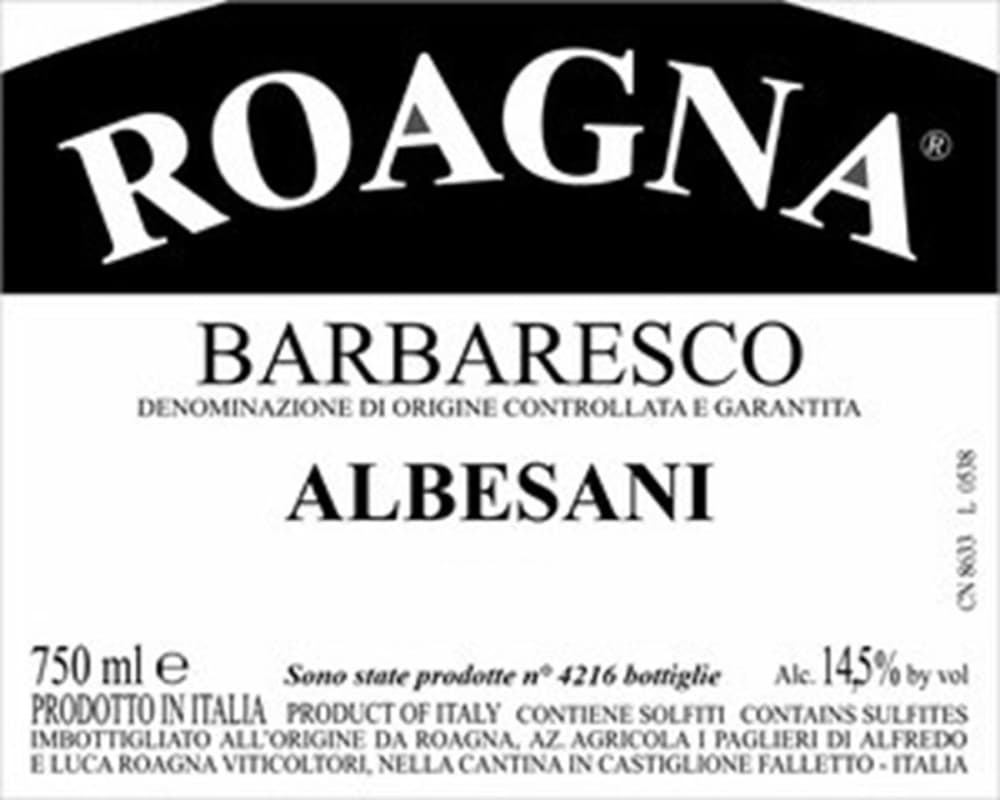
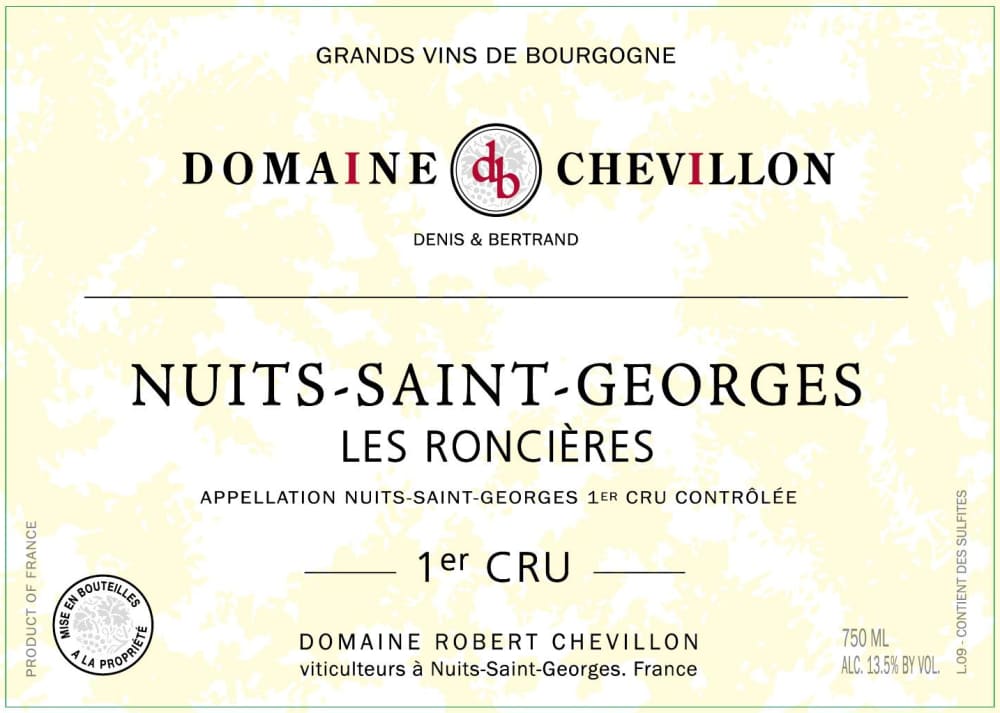
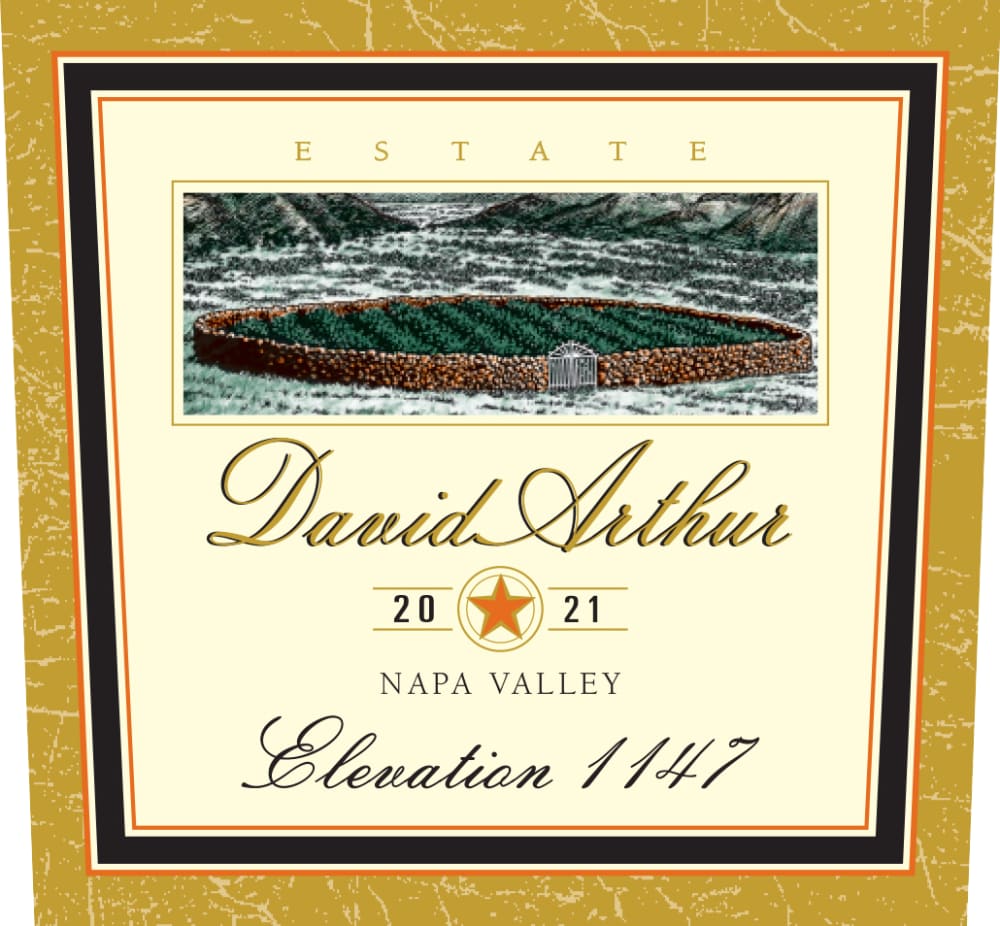
When I first encountered the rich fragrances of these varietals, I was immediately struck by the complexity they offered. The initial notes often present a delightful blend of dark fruits such as blackberries and plums, creating an inviting foundation. As I swirled the glass, I noticed layers of additional aromas emerging, including hints of cherries and raspberries, which added a refreshing brightness to the profile.
Beyond the fruit, the influence of oak aging became apparent, with subtle undertones of vanilla and spice wafting through the air. I could detect whispers of cinnamon and clove, which intertwined beautifully with the fruitiness. This combination created a warm, welcoming atmosphere that drew me in further.
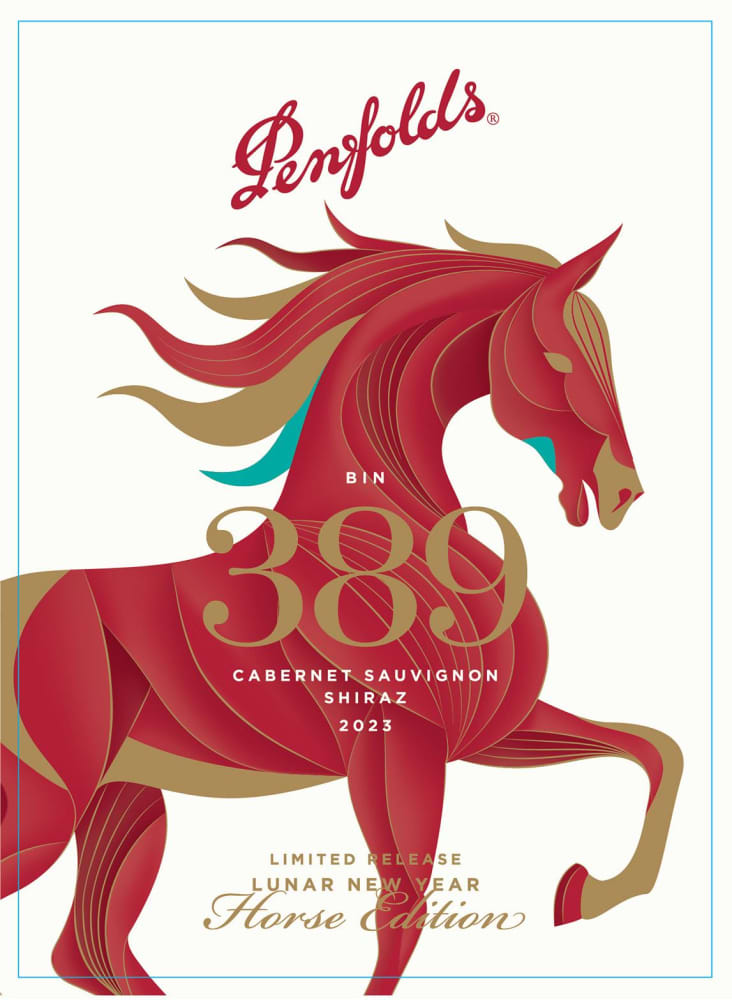
As I continued to explore, I found earthy elements that grounded the experience. Notes of leather, tobacco, and even a touch of earthy minerality added depth and intrigue. Each sniff revealed something new, making the exploration of these aromas both fascinating and enjoyable. In my opinion, understanding these scents enhances the overall tasting experience and allows for a more profound appreciation of each glass.
What to Expect from the Aroma Profile of a Crimson Beverage
This exquisite drink often presents a complex bouquet that can be captivating and intricate. I find that the fragrance can range from fruity to earthy, with layers that invite exploration. The predominant notes I encounter typically include dark fruits such as blackberries, plums, and cherries. These aromas can evoke a sense of richness and depth, often enhanced by subtle hints of vanilla and spice from oak aging.
Common Aromatic Components
| Aromatic Notes | Characteristics |
|---|---|
| Fruits | Blackberry, plum, cherry, raspberry |
| Spices | Black pepper, cinnamon, clove |
| Herbs | Thyme, rosemary, mint |
| Earthy | Mushroom, wet stone, forest floor |
| Floral | Violet, rose, lavender |
| Oak | Vanilla, toast, smoke |
Personal Experience with Aroma
In my tastings, I often find that the olfactory profile evolves as the liquid breathes. Initially, I am drawn to the bold fruit scents, but after a few minutes, I can detect underlying notes of earthiness and spice. This metamorphosis makes each sip unique. I suggest taking the time to savor the aroma before tasting; it enhances the overall experience and provides insight into the complexity of this delightful beverage.
Identifying Common Aromas in Red Wine
To recognize specific scents in a glass of deep-hued beverage, I focus on a few key categories. Fruity notes are often dominated by dark berries such as blackberries, cherries, and plums. These aromas can vary in intensity, indicating ripeness and the winemaking process.
Next, I explore the earthy undertones. Aromas like leather, tobacco, and wet stone can signal age or terroir influence. These scents add complexity, suggesting a connection to the vineyard’s environment.
Spicy elements frequently emerge as well. Notes of black pepper, clove, or cinnamon can reveal the influence of oak aging or specific grape varietals. I pay attention to how these spices interact with the fruitiness, creating a layered aromatic profile.
Additionally, I notice herbal and floral hints. Scents such as eucalyptus or lavender can add a refreshing quality, while green bell pepper or mint may surface in certain varietals. Recognizing these nuances enriches my tasting experience.
Finally, I consider the impact of oak. Aromas of vanilla, toast, or smoke can arise from barrel aging, offering a warm, creamy texture to the bouquet. Observing how these scents develop over time enhances my appreciation of the liquid in hand.
How Aging Affects the Aroma of Red Wine
Aging significantly transforms the fragrance profile of a liquid, enhancing its complexity. With time, the initial fruity notes evolve into deeper, more nuanced scents. For instance, young varieties often showcase vibrant berry characteristics, while aged counterparts may develop hints of dried fruits, leather, and spices.
Oxidation and Aroma Development
As exposure to oxygen occurs, aromatic compounds undergo chemical reactions. This process can lead to the emergence of earthy tones, such as truffles or forest floor, which are typically absent in younger versions. The introduction of oxygen can also soften harsh tannins, allowing subtler aromas to surface.
Integration of Oak Influences
If maturation involves oak barrels, additional layers are introduced. Vanilla, toast, and clove notes often accompany the aging process. Over time, these characteristics harmonize with the fruit, creating a more balanced and intricate olfactory experience. The duration of aging in wood can dictate the intensity of these flavors, making it essential to consider barrel type and age.
Exploring Fruit Notes in Different Red Wines
To appreciate the fruit characteristics in various varieties, I often focus on the specific aromas that each type presents. Here’s a breakdown of notable fruit notes found in several popular selections:
- Cabernet Sauvignon: This robust choice typically offers aromas of blackcurrants, cherries, and sometimes hints of bell pepper or green olives. The dark fruit profile is often complemented by undertones of vanilla from oak aging.
- Merlot: Known for its smooth texture, Merlot frequently reveals aromas of plums, blackberries, and cherries. The fruit notes are often more rounded and plush compared to Cabernet Sauvignon.
- Pinot Noir: This variety is celebrated for its delicate and complex fruit notes, often showcasing cherries, raspberries, and strawberries. Sometimes, hints of floral notes or earthy undertones accompany the fruity bouquet.
- Syrah/Shiraz: Depending on the region, this wine can express a range of fruit notes, including dark berries, plums, and sometimes even jammy characteristics. It might also have spicy notes that complement the fruitiness.
- Zinfandel: This wine is often marked by ripe fruit aromas such as blackberries, strawberries, and cherries. Zinfandel can also present a jammy quality, making it a favorite among fruit-forward enthusiasts.
When tasting, I suggest swirling the glass to release the aromas fully. Taking a moment to inhale before sipping enhances the overall experience, allowing me to identify and appreciate the fruit notes more clearly. Each varietal has its unique expression, shaped by the region, climate, and winemaking techniques.
For a more immersive experience, I recommend pairing these wines with complementary foods that enhance their fruit characteristics. For instance, a Cabernet Sauvignon pairs well with grilled meats, while a Pinot Noir complements dishes with earthy flavors.
The Influence of Terroir on Aromas in Red Varietals
Understanding how terroir shapes the aromatic profile of various vintages is essential for wine enthusiasts. Terroir encompasses the unique combination of geography, geology, and climate that influences grape growth. Each aspect contributes distinct notes to the bouquet of the finished product.
For example, regions with volcanic soil often impart mineral qualities, enhancing earthy fragrances. In contrast, limestone-rich areas may produce wines with pronounced floral and fruity aromas due to the soil’s capacity to retain moisture and nutrients. The microclimate, including temperature fluctuations and sunlight exposure, plays a pivotal role in developing specific characteristics. Cooler climates often yield wines with higher acidity and complex fruit profiles, while warmer regions may result in bolder, riper scents.
Furthermore, altitude significantly affects aromatic expression. Higher elevations can lead to a slower ripening process, allowing for more nuanced aromas to develop. In the mountains, I often find that varietals exhibit fresher, crisper notes, while lower elevations might produce richer, denser aromas.
So, when assessing a particular bottle, consider the terroir. The origin of the grapes will reveal much about the aromatic complexity within. By exploring different regions, I continuously discover how varied environments contribute to unique olfactory experiences. This knowledge enhances my appreciation and understanding of each vintage I encounter.



