
 Chuck Furuya

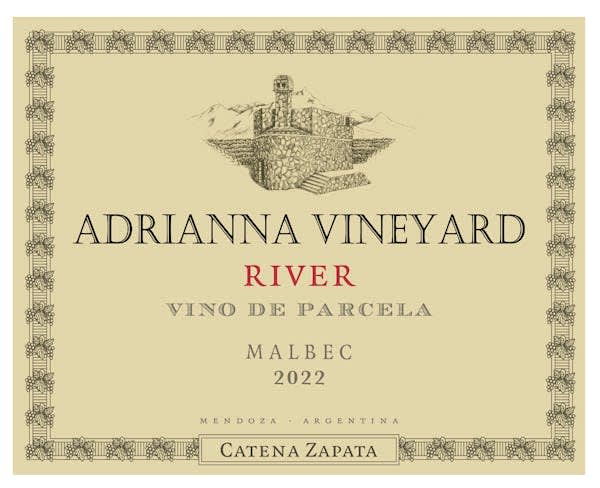
On average, a serving of this rich drink can range from $5 to $15, depending on several factors. For casual settings like restaurants or bars, expect to pay around $8 to $12 for a standard pour. If you’re looking to enjoy a premium selection, prices can climb to $20 or more.
When purchasing for home consumption, bottles typically retail between $10 and $30 for quality options. Keep in mind that regions like Napa Valley or Bordeaux may command higher prices due to their reputation and production methods.
For those seeking budget-friendly choices, explore local wineries or lesser-known brands, where you can find delightful selections at a fraction of the cost. Always consider the occasion; investing a bit more for a special event can enhance the experience significantly.
Factors Influencing the Price of Red Wine
The cost of a glass of crimson beverage can vary due to several key elements. Grapes’ source plays a significant role; regions known for superior varietals command higher prices. For instance, fruits from Napa Valley or Bordeaux tend to be more expensive than those from lesser-known areas.
Production methods also impact pricing. Traditional fermentation techniques and aging processes, especially in oak barrels, contribute to elevated costs. Wines aged longer typically reflect that investment in time and resources.
Market demand is another crucial factor. Limited edition releases or wines from acclaimed vintages often see inflated prices due to scarcity. As enthusiasts seek to add these unique selections to their collections, prices can climb significantly.
Brand reputation cannot be overlooked. Well-established producers with a history of quality and accolades often price their products at a premium. Consumers are willing to pay more for assurance of excellence.
Finally, packaging and marketing strategies influence perception and pricing. Elegant bottles, labels, and promotional campaigns can justify higher costs, as they enhance the overall experience.
| Factor | Impact on Price |
|---|---|
| Region | Higher prices for renowned areas |
| Production Method | Costs rise with traditional techniques |
| Market Demand | Scarcity leads to increased pricing |
| Brand Reputation | Premium prices for established names |
| Packaging & Marketing | Enhanced presentation can justify costs |
Average Prices for Different Types of Wine
For a quality pour, I typically see prices varying significantly based on origin and variety. Here’s a breakdown of the typical costs associated with various selections:
- Budget Options: You can find acceptable choices from $10 to $20 per bottle. These are often produced in bulk and marketed for everyday enjoyment.
- Mid-Range Selections: Ranging from $20 to $50, these wines usually offer a balance of quality and affordability. Look for labels that showcase specific regions or varietals for better flavor profiles.
- Premium Bottles: Expect to pay between $50 and $100. These selections often come from renowned vineyards and have age potential, providing a richer experience.
- Luxury Choices: Anything above $100 can be considered a luxury item. These wines are typically limited in production and often come from prestigious regions like Bordeaux or Napa Valley.
For enthusiasts, I recommend exploring local wine shops or specialty retailers to discover hidden gems in the mid-range category. Often, tasting events are available, allowing for exploration without a hefty commitment.
Where to Buy Affordable Red Wine by the Cup
For those seeking budget-friendly options, local bistros and casual dining spots often serve excellent selections by the glass. These venues typically offer rotating choices that highlight both local and international options, allowing for an enjoyable experience without breaking the bank.
Additionally, many grocery stores feature wine sections where they sell various blends in smaller quantities. Look for stores that provide tasting stations or offer discounts on specific brands during certain days of the week.
Wine bars are another great choice. They frequently have happy hour specials or “wine flights” that let you sample multiple varieties at a lower cost. This not only makes for a fun outing but also helps in discovering new favorites.
If you prefer convenience, online retailers often have deals on personal-sized bottles. Some even offer subscriptions that provide monthly deliveries at competitive prices, allowing you to explore different flavors from the comfort of home.
Finally, attending wine festivals or local markets can yield excellent bargains. These events often feature vendors eager to showcase their products, and purchasing directly can sometimes lead to discounts.
Comparing Costs: Red Wine vs. Other Alcoholic Beverages
Typically, the price of a glass of crimson libation falls between $8 and $15, depending on the establishment and the specific variety. In comparison, beer generally ranges from $5 to $10 per pint, while spirits like whiskey or vodka can often start at $7 and climb upwards, especially for premium brands.
Price Comparison
- Beer: $5 – $10 per pint
- Cocktails: $10 – $20 depending on ingredients
- Spirits: $7 – $15 for standard brands
- High-end wines: $15 and above
When I assess my choices, I often find that opting for a glass of deep-hued beverage can provide better value compared to cocktails, which tend to have higher markups due to mixers and garnishes. Additionally, many bars offer happy hour specials that can lower the cost of various drinks, including both spirits and red varietals.
Regional Variations
Prices can fluctuate significantly based on location. In urban centers, expect to pay more for a serving of any alcoholic drink. Conversely, rural areas may present more reasonable rates. I’ve noticed that local wineries often have competitive pricing, making their offerings an attractive alternative for those looking to explore different flavors without overspending.
In conclusion, while a glass of ruby drink may be slightly higher in price than some other options, it often represents a balanced choice in terms of quality and experience. Keeping an eye out for specials or local deals can enhance the tasting experience without breaking the bank.



