Chuck Furuya
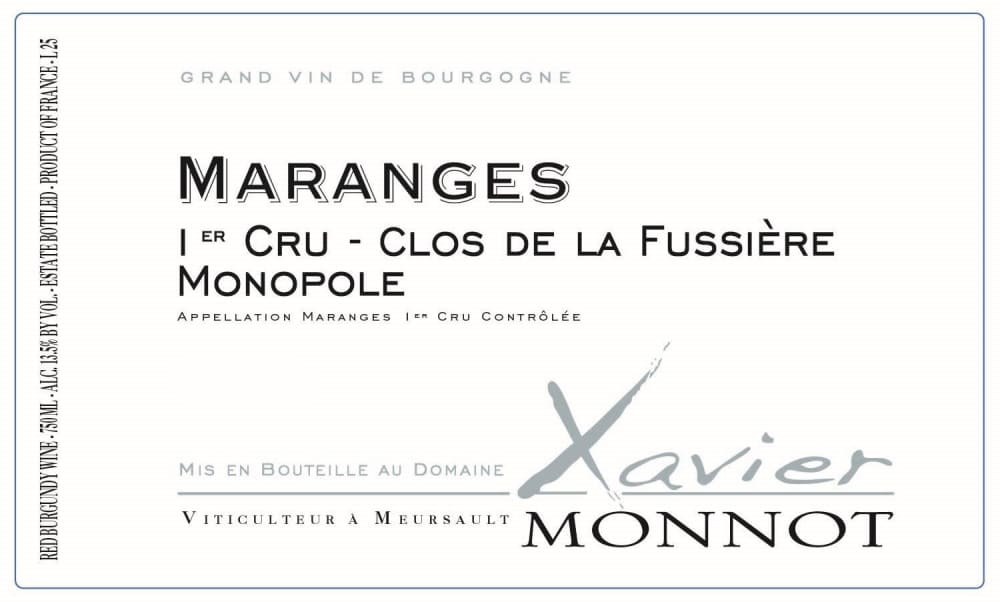

If you’re seeking a choice with minimal strength, consider opting for a Gamay. This varietal typically ranges from 10% to 12% ABV, making it a refreshing pick for those who prefer a lighter experience. The Beaujolais Nouveau, made from Gamay grapes, is especially popular during its release in November and is known for its fruit-forward profile.
Another excellent alternative is Pinot Noir, which can often be found with an ABV as low as 12%. The cooler climates of regions like Oregon or New Zealand yield lighter-bodied expressions, showcasing bright acidity and berry notes without overwhelming heat. Look for labels that specify low alcohol content to ensure you’re making a suitable choice.
Some producers are now crafting innovative blends, including lesser-known varietals like Zweigelt or St. Laurent, which can also offer lower alcohol levels. These wines often present unique flavor profiles that can surprise your palate while keeping the alcohol content in check.
Choosing Low-ABV Varietals
For a delightful experience with reduced content, I recommend exploring wines like Pinot Noir and Gamay. Both varietals often have alcohol levels ranging from 12% to 13%. These options provide a flavorful profile without the intensity of higher ABV selections.
Recommended Selections
- Pinot Noir: Look for those sourced from cooler climates such as Oregon or Burgundy, where the lower temperatures help maintain acidity and balance.
- Gamay: Primarily found in Beaujolais, this choice is known for its fresh and fruity characteristics. Opt for Beaujolais Nouveau or Village wines for a lighter touch.
- Barbera: Originating from Italy, Barbera often showcases bright acidity and low tannins, with many bottles clocking in under 14% ABV.
Other Considerations
When selecting, always check the label for the ABV percentage. Exploring natural or organic options can also lead to finding lower content choices, as these producers often prioritize balance over high fermentation levels.
Understanding Alcohol Content in Red Wines
For those seeking options with reduced potency, I recommend exploring varieties such as Gamay and Pinot Noir. These selections typically exhibit lower ethanol levels, often ranging between 11% to 13%. Regions known for producing lighter styles, like Beaujolais for Gamay and Burgundy for Pinot Noir, can be particularly appealing.
Factors Influencing Ethanol Levels
Several elements affect the strength of fermented beverages. Climate plays a significant role; cooler climates often yield grapes with lower sugar content, resulting in less fermentation and, consequently, lower ethanol concentrations. Additionally, vineyard practices, such as harvest timing, can influence the sugar levels in the fruit, further impacting the final alcohol content.
Tasting Notes and Pairings
Choosing lighter options doesn’t mean sacrificing flavor. Gamay offers bright red fruit notes and is excellent with poultry or charcuterie. Pinot Noir, with its delicate structure, pairs wonderfully with dishes like salmon or mushroom risotto. Both varieties deliver a satisfying experience without the heaviness associated with higher alcohol alternatives.
Top Low-Alcohol Red Wine Varieties
For those seeking options with reduced potency, several grape varieties stand out. Here are my top recommendations:
- Pinot Noir: Typically ranges from 12% to 13.5% ABV, making it a perfect choice for lighter palates. The fruit-forward notes and soft tannins provide a delightful experience.
- Gamay: Known for its refreshing qualities, this grape usually has an alcohol content between 10.5% and 12.5%. Its berry flavors and vibrant acidity make it an excellent companion for various dishes.
- Barbera: With a range of 12% to 14% ABV, this variety often leans towards the lower end. The bright acidity and cherry flavors make it enjoyable on its own or with food.
- Grenache: Generally found with an alcohol level of 13% to 14%, it can also be produced in lower ABV styles. Its juicy red fruit notes and spice make it versatile.
- Dolcetto: This Italian varietal typically has an ABV of 12% to 13%. Its dark fruit flavors and soft tannins deliver a smooth, approachable taste.
When selecting your next bottle, consider these varieties for a delightful experience without the high alcohol content. Each offers unique characteristics that enhance the tasting experience while keeping potency in check.
Comparing Alcohol Levels in Popular Red Wines
Among the various options available, a few stand out for their lower content of intoxicating substances. For instance, Pinot Noir typically ranges from 12% to 14% ABV, with some producers crafting labels that are even lighter, around 11.5%. This makes it an appealing choice for those seeking a gentler experience.
Merlot is another variety worth considering, often found between 12% and 14.5% ABV, but certain brands offer selections closer to 12%. Tempranillo, particularly those from cooler regions, can also be lower, commonly around 12% to 13% ABV.
Notable Options
Look for labels like Beaujolais Nouveau, which usually has an alcohol percentage around 10.5% to 12%. This option provides a fruity profile while maintaining a light touch. Additionally, many organic and biodynamic producers focus on lower fermentations, resulting in a final product with reduced potency.
Recommendations
For a refreshing experience, consider exploring wines that emphasize a fruit-forward profile at lower ABV. Seek out brands that clearly state their alcohol content on the label, ensuring you choose a bottle that aligns with your preference for a milder drink.
Factors Influencing Alcohol Content in Wine
The fermentation process is the primary factor affecting the potency of the beverage. Yeast converts sugars into ethanol, and the sugar content at the start significantly determines the final strength. Grapes with higher natural sugars will typically result in a more potent product.
Climate plays a crucial role as well. Regions with warmer temperatures allow grapes to ripen more fully, boosting their sugar levels. In cooler climates, the grapes often retain more acidity and lower sugar, leading to a gentler beverage.
Winemaking techniques also contribute to the final product’s strength. For instance, some producers may choose to stop fermentation early to preserve residual sugars, yielding a softer drink with lower content. Additionally, blending different grape varieties can create a balance, influencing the overall strength.
Harvest timing is another essential aspect. Grapes picked at peak ripeness can have higher sugar levels, while earlier harvests tend to produce lighter, less potent options. Practices such as late harvesting can enhance sweetness and, consequently, alcohol levels.
Lastly, the choice of variety impacts the outcome. Some types inherently produce grapes with lower sugar levels, leading to drinks with reduced potency. Exploring these characteristics can guide selections for those seeking a milder experience.
How to Identify Low-Alcohol Red Wines
To pinpoint wines with reduced content in ethanol, I focus on several key indicators:
- Label Information: Look for the alcohol by volume (ABV) percentage on the label. Generally, varieties with an ABV below 12% are considered to have lower levels.
- Region: Certain areas are known for producing lighter options. For instance, wines from regions like Loire Valley in France or some Italian varietals often have milder profiles.
- Grape Variety: Some grapes naturally yield wines with less intensity. For example, Pinot Noir and Gamay are typically lighter in body and alcohol content.
- Style and Winemaking Techniques: Wines labeled as “light” or “fruit-forward” often indicate a gentler fermentation process, which can result in lower ethanol levels.
- Harvest Timing: Grapes harvested earlier in the season tend to have lower sugar levels, leading to less fermentation and reduced alcohol content.
By combining these methods, I effectively narrow down my options to find those delightful selections that are easier on the palate and less potent in alcohol.