Chuck Furuya
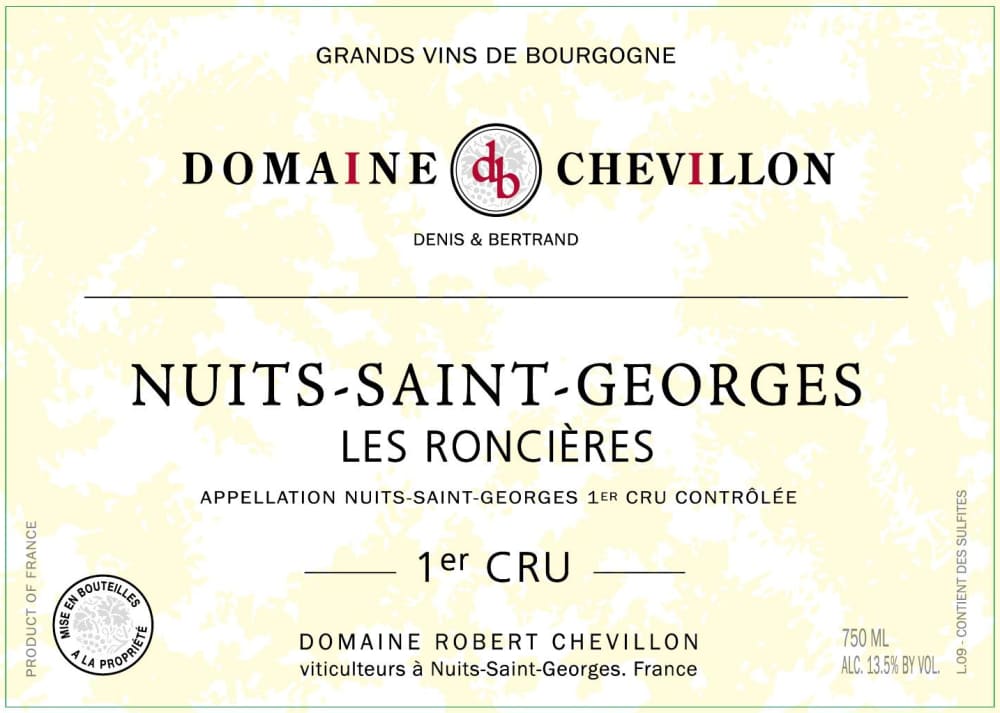
When comparing these popular varieties, I found that the white type typically exhibits higher residual sweetness. While both can vary considerably based on production methods and specific brands, the average sugar content in bottles of this golden liquid often exceeds that of the darker counterpart. This is particularly true for those crafted with a focus on fruit-forward flavors.
For example, a common range for the white variety’s residual sugar falls between 1-3 grams per liter, while the darker type usually hovers around 0.5-2 grams per liter. It’s essential to check the specific label for precise measurements, as some producers may intentionally adjust sweetness levels to enhance flavor profiles.
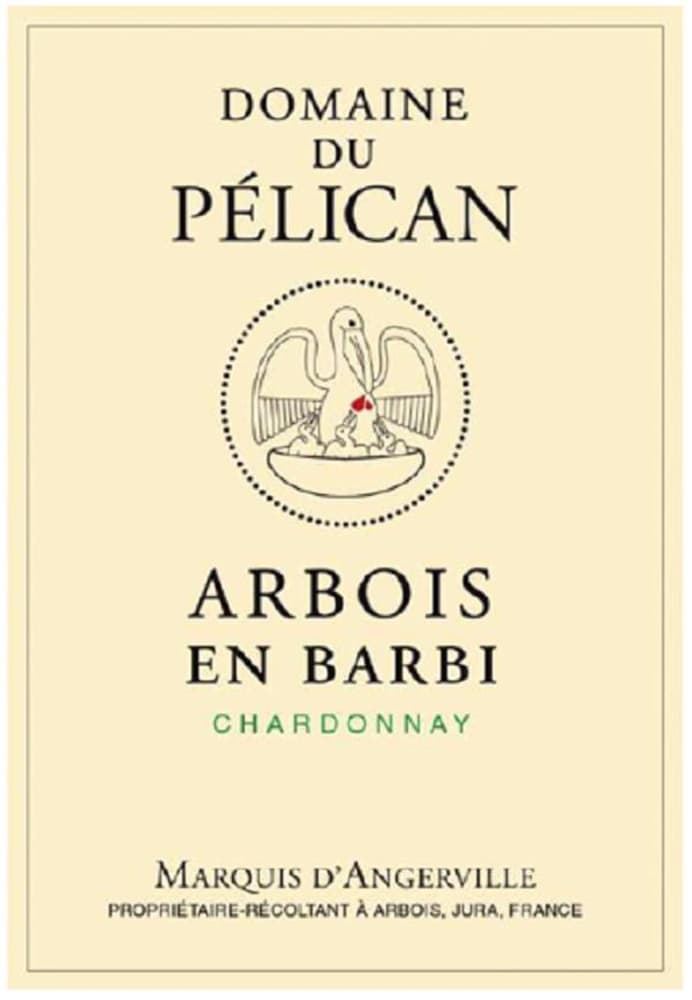
If you prefer a drier experience, choosing bottles from cooler climates or those labeled as “dry” can often yield less sweetness in both styles. Additionally, exploring options labeled as “unoaked” or “fermented dry” can further reduce sugar content, providing a cleaner taste that accentuates the natural acidity and complexity.
Chardonnay and Sugar Content in Comparison to Red Varieties
When assessing sweetness levels, the white varietal in question typically presents a range from 0 to 30 grams of residual sweetness per liter, depending on the style and production method. In contrast, the darker counterparts usually contain anywhere from 0 to 15 grams of residual sugars, making them generally less sweet. This difference is particularly pronounced in styles like late-harvest or dessert wines, which can push sweetness levels significantly higher for whites.
Factors Influencing Sweetness Levels
Various elements affect sweetness, including grape ripeness, fermentation processes, and winemaking techniques. For instance, if fermentation is halted early, it allows residual sugars to remain, resulting in a sweeter profile. Additionally, certain climates contribute to higher sugar accumulation in grapes, which directly influences the final taste profile of the beverage.
Tasting Notes and Pairing Suggestions
When selecting a glass, consider the flavor profiles. The white variant often presents notes of tropical fruits, citrus, and sometimes a creamy texture, making it an excellent pairing with seafood, poultry, or creamy pasta dishes. The darker varieties typically offer berry notes and tannins, complementing grilled meats, hearty stews, or rich cheeses effectively. Understanding these nuances can enhance your tasting experience.
Comparing Sugar Content in Chardonnay and Red Wines
In my experience, the sweetness level in these two types of beverages can vary significantly based on several factors. Generally, white varieties often possess higher residual sweetness than their red counterparts. However, this is not a hard and fast rule.
Typical Sugar Levels
- On average, white varieties contain around 1 to 3 grams of residual sweetness per liter.
- In contrast, red types usually fall within the range of 0.5 to 2 grams per liter.
The sweetness can also vary based on the specific region and winemaking techniques employed. For example, a late-harvest version of a white might exhibit much higher levels of sweetness compared to a standard red.
Factors Influencing Sweetness
- Winemaking Techniques: Methods like malolactic fermentation can impact the final taste profile.
- Grape Ripeness: Grapes harvested at peak ripeness typically result in sweeter beverages.
- Climate: Warmer regions tend to produce grapes with higher sugar content.
When selecting a bottle, it’s beneficial to check the label for residual sweetness levels, especially if you’re looking for a specific taste experience. This can guide you in making an informed decision tailored to personal preferences.