Chuck Furuya
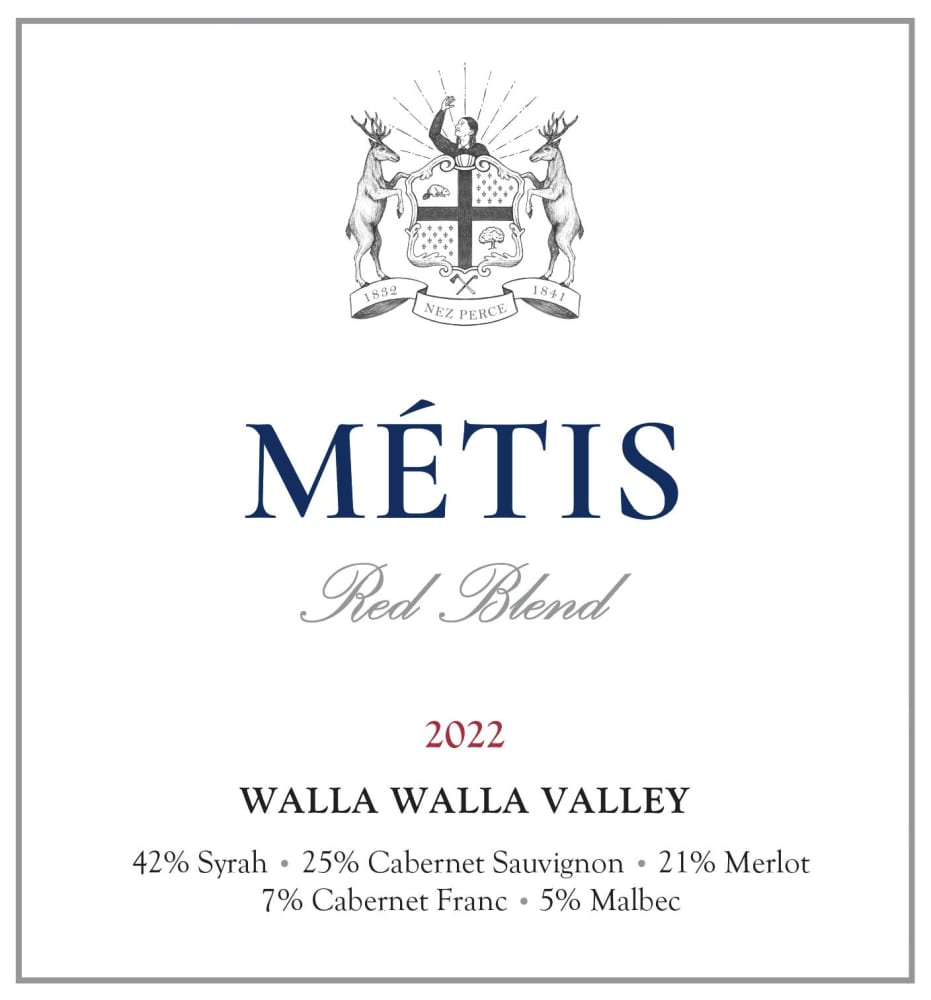
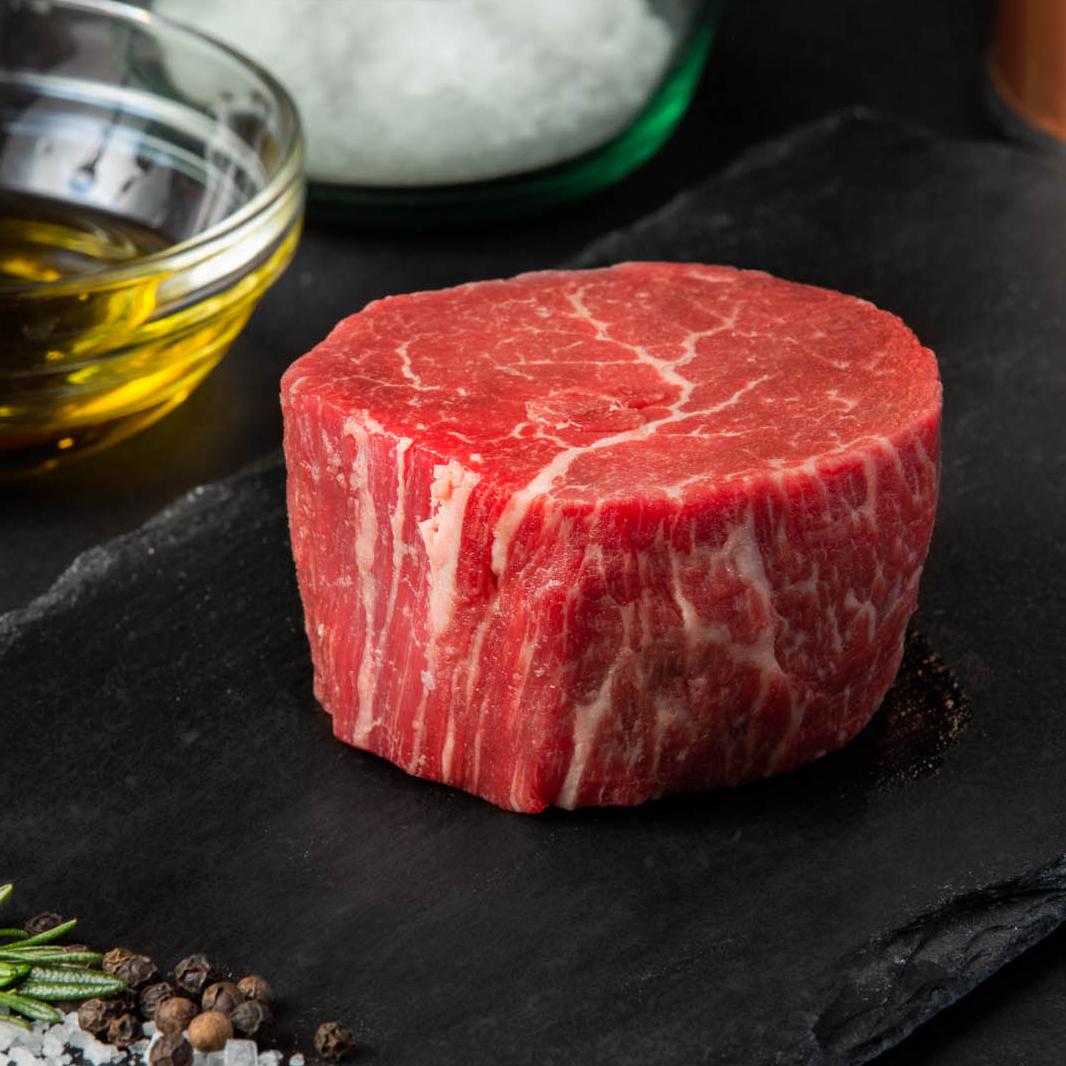

I recommend a full-bodied Cabernet Sauvignon for grilled beef. Its rich tannins and bold flavors complement the savory, umami characteristics of the meat, creating a delightful balance on the palate.
Focusing on specific regions, Napa Valley offers exceptional options. Look for bottles that exhibit notes of dark fruit, cocoa, and a hint of spice. These elements enhance the natural flavors of the beef, elevating the overall dining experience.
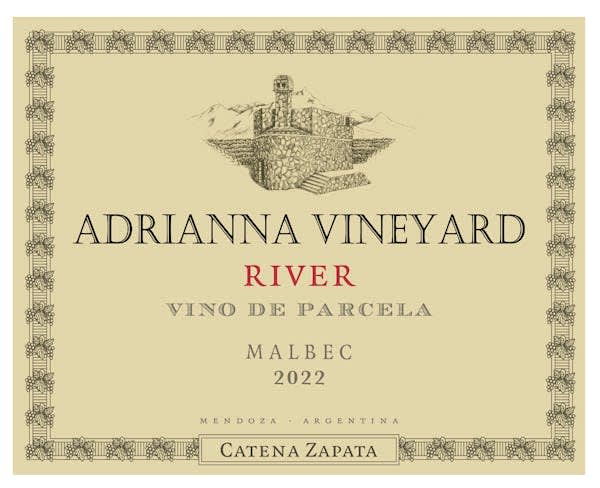
Another excellent alternative is Malbec, particularly those from Argentina. The velvety texture and deep berry flavors harmonize beautifully with the charred exterior of grilled cuts, making it a favorite among steak enthusiasts.

Finally, consider a Syrah, especially from regions like the Rhône Valley. Its peppery finish and dark fruit notes provide an intriguing contrast to the richness of the beef, delivering a memorable pairing that excites the taste buds.
Understanding the Flavor Profile of Steak
Choosing a cut significantly influences the overall taste experience. For instance, ribeye boasts a rich marbling that contributes to its buttery texture and robust flavor. Tenderloin offers a leaner profile, providing a delicate taste with subtle beefiness. Sirloin presents a balance between tenderness and flavor intensity, often favored for its versatility.
Cooking methods also play a crucial role. Grilling over high heat enhances the char and caramelization, imparting smoky notes. Sous-vide techniques preserve the meat’s natural juices, resulting in a consistent texture and flavor. Pan-searing, followed by oven finishing, creates a delightful crust while maintaining tenderness.
Accompaniments can enhance the overall tasting experience. Herbs such as rosemary and thyme elevate the savory notes, while garlic adds a punch of aromatic depth. Sauces–like chimichurri or a red wine reduction–can complement the inherent flavors, providing a delightful contrast.
Here’s a breakdown of various cuts and their flavor characteristics:
| Cut | Flavor Profile | Texture |
|---|---|---|
| Ribeye | Rich, beefy, and buttery | Juicy and tender |
| Tenderloin | Mild, delicate | Extremely tender |
| Sirloin | Beefy, balanced | Tender with a slight chew |
| Filet Mignon | Subtle, refined | Soft and buttery |
| Flank | Robust, slightly sweet | Firm, with a grainy texture |
Understanding these nuances allows for a more informed selection of accompaniments, resulting in a harmonious dining experience. The interplay of flavors from the meat, cooking method, and additional elements defines the overall profile, enhancing enjoyment at every bite.
Key Varieties for Steak Pairing
Cabernet Sauvignon stands out as a classic choice, offering bold tannins and dark fruit flavors that enhance the rich taste of grilled cuts. Look for bottles from Napa Valley or Bordeaux for optimal results.
Malbec, particularly from Argentina, boasts a fruity profile with hints of plum and blackberry, making it an excellent match for charred meats. Its smooth texture complements the juiciness of the dish.
Syrah/Shiraz
Syrah, or its Australian counterpart Shiraz, features spicy and peppery notes that can elevate the experience. Opt for a bottle from the Rhône Valley or Barossa for a robust pairing that stands up to heavily seasoned meals.
Zinfandel
Zinfandel offers a fruit-forward character with a peppery finish, making it versatile for various meat preparations. This variety shines alongside barbecued or smoked dishes, enhancing the overall flavor profile.
How Tannin Levels Affect Compatibility
Choosing a beverage for grilled beef hinges significantly on the tannin content. High levels of tannins provide astringency, which can cut through the richness of the meat, balancing flavors effectively. For instance, a Cabernet Sauvignon, known for its robust tannins, complements a juicy ribeye seamlessly, enhancing the overall taste experience.
The Role of Tannins
Tannins originate from grape skins, seeds, and stems, contributing to the texture and mouthfeel. As I taste different varieties, I notice that young wines tend to exhibit more pronounced tannins, while aged selections offer a smoother profile. This evolution can influence how well the drink contrasts or harmonizes with the savory notes of grilled meat. A well-aged Barolo, for example, softens its tannic bite, creating a rich, velvety experience that pairs beautifully with a filet mignon.
Balancing Act
The interplay between tannins and the protein in the beef is key. The astringency of a tannic beverage interacts with the fat content, enhancing flavors and creating a pleasing mouthfeel. Opting for a Malbec, which typically has moderate tannins and a fruit-forward profile, can work wonders with a marbled flank steak. The fruitiness rounds out the flavor, while the tannins ensure a satisfying finish.
Regional Wine Choices Based on Steak Cuts
For tender cuts like filet mignon, I recommend a Pinot Noir from Oregon. Its bright acidity and soft tannins complement the meat’s delicate texture without overpowering it. Alternatively, a Malbec from Argentina works wonderfully with ribeye, as its bold fruit flavors and velvety mouthfeel enhance the richness of the marbled meat.
Bold Options for Flavorful Cuts
When enjoying a T-bone or porterhouse, a full-bodied Cabernet Sauvignon from Napa Valley is an excellent match, offering robust flavors and firm tannins that stand up to the bolder character of these cuts. For those favoring flank steak, a Zinfandel from California brings out the savory spices often used in marinating, enhancing the overall experience.
Light Pairings for Leaner Selections
For leaner cuts such as sirloin, a Chianti from Italy provides bright acidity and earthy notes that harmonize beautifully with the meat’s flavor profile. I find that a Grenache from the Southern Rhône also works well here, as its fruity notes and medium body complement the steak’s natural taste without overwhelming it.
Temperature and Decanting: Preparing Your Beverage
Serving temperature significantly impacts the taste profile of your choice. For optimal enjoyment, aim for a serving temperature between 60°F and 65°F (15°C to 18°C). This range allows the flavors to open up, enhancing the overall experience.
Decanting is another crucial step. Pouring the drink into a decanter aerates it, allowing volatile compounds to evaporate while softening harsh tannins. Here’s how to do it effectively:
- Choose a clean, wide-bottomed decanter.
- Slowly pour the beverage down the side to minimize agitation.
- Allow it to breathe for at least 30 minutes before serving.
For younger selections, a longer decanting time of up to two hours can further enhance the flavor. On the other hand, older varieties may require less time, as they are more delicate.
Lastly, always taste before serving. This ensures that the selected temperature and aeration match your preferences, leading to an elevated dining experience.
Common Mistakes When Pairing Red Wine with Steak
Choosing a wine that clashes with the meat’s flavor can ruin the dining experience. A common blunder is opting for a wine that is too light-bodied, which fails to complement the robust nature of the dish. Instead, I focus on full-bodied options that enhance the savory notes of the beef.

Ignoring Tannin Levels
Another frequent error is neglecting the tannin content. High tannin wines may overwhelm delicate cuts, while low tannin selections might not stand up to heartier pieces. I always consider the cut of meat and select a wine with appropriate tannin levels to create a harmonious balance.
Serving Temperature Missteps
Serving temperature is crucial yet often overlooked. A wine served too warm can taste flabby, while one that is too cold will mask its flavors. I aim for a temperature range that allows the wine to express its characteristics fully, enhancing the overall dining experience.
Serving Techniques to Enhance Wine and Steak Experience
Decanting is a vital step to elevate the enjoyment of your beverage. Pouring it into a decanter allows for aeration, softening the tannins and enhancing aromas. For younger bottles, decanting for about 30 minutes suffices, while older varieties may benefit from less exposure to air, around 15 minutes.
Glassware Selection
Choosing the right glass is crucial. Opt for a larger bowl that permits the volatiles to rise, allowing fuller appreciation of the complex notes. A standard red wine glass encourages the swirling motion, which aids in releasing the bouquet.
Serving Temperature
Temperature significantly influences the tasting experience. Aim for a range of 60°F to 65°F; if the beverage is too cold, it may mask flavors, while excessive warmth can highlight unwanted alcohol notes. A simple tip is to chill for 15 minutes in the fridge prior to serving.
Pairing food and drink should also consider the plate presentation. Use earthy tones for the dish, which can complement the visual appeal and enhance the overall dining experience. A perfect match isn’t just about ingredients; it involves creating an inviting atmosphere that encourages enjoyment.
Lastly, the order of serving can make a difference. Start with lighter accompaniments before transitioning to richer options, allowing the palate to adjust and fully appreciate each flavor profile. This progression can elevate the entire meal, ensuring a memorable experience.