Chuck Furuya

A crisp, chilled Sauvignon Blanc enhances the delicate, sweet flavors of shellfish, making it an ideal companion. This varietal’s zesty acidity and citrus notes complement the brininess of the seafood, creating a harmonious balance.
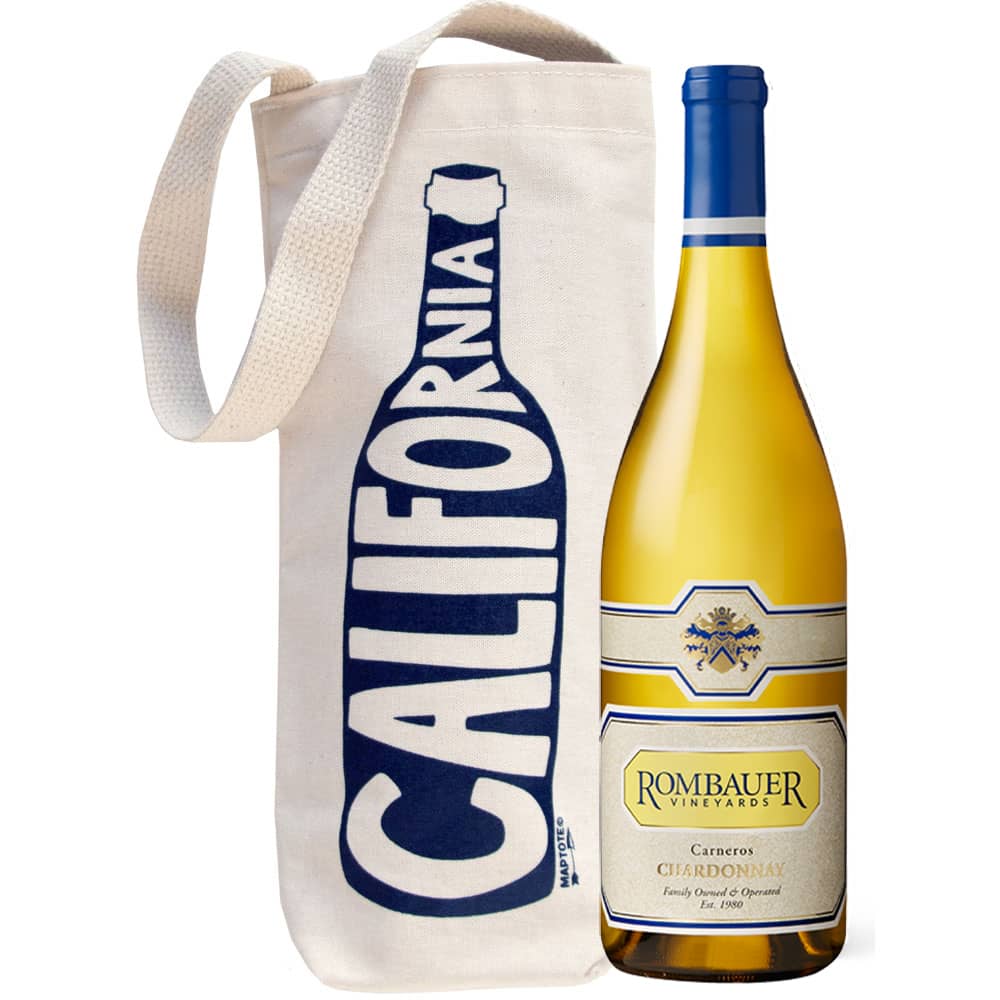
On the other hand, a light-bodied Chardonnay can also elevate the dining experience. Its buttery texture and subtle oak influence provide a rich backdrop, enhancing the overall taste profile. Opting for an unoaked version can further accentuate the freshness needed for such a dish.
Each choice brings its own unique characteristics to the table, allowing for an enjoyable culinary experience. Experimenting with these options may reveal personal preferences that surprise and delight the palate.
Choosing the Right Pairing for Lobster
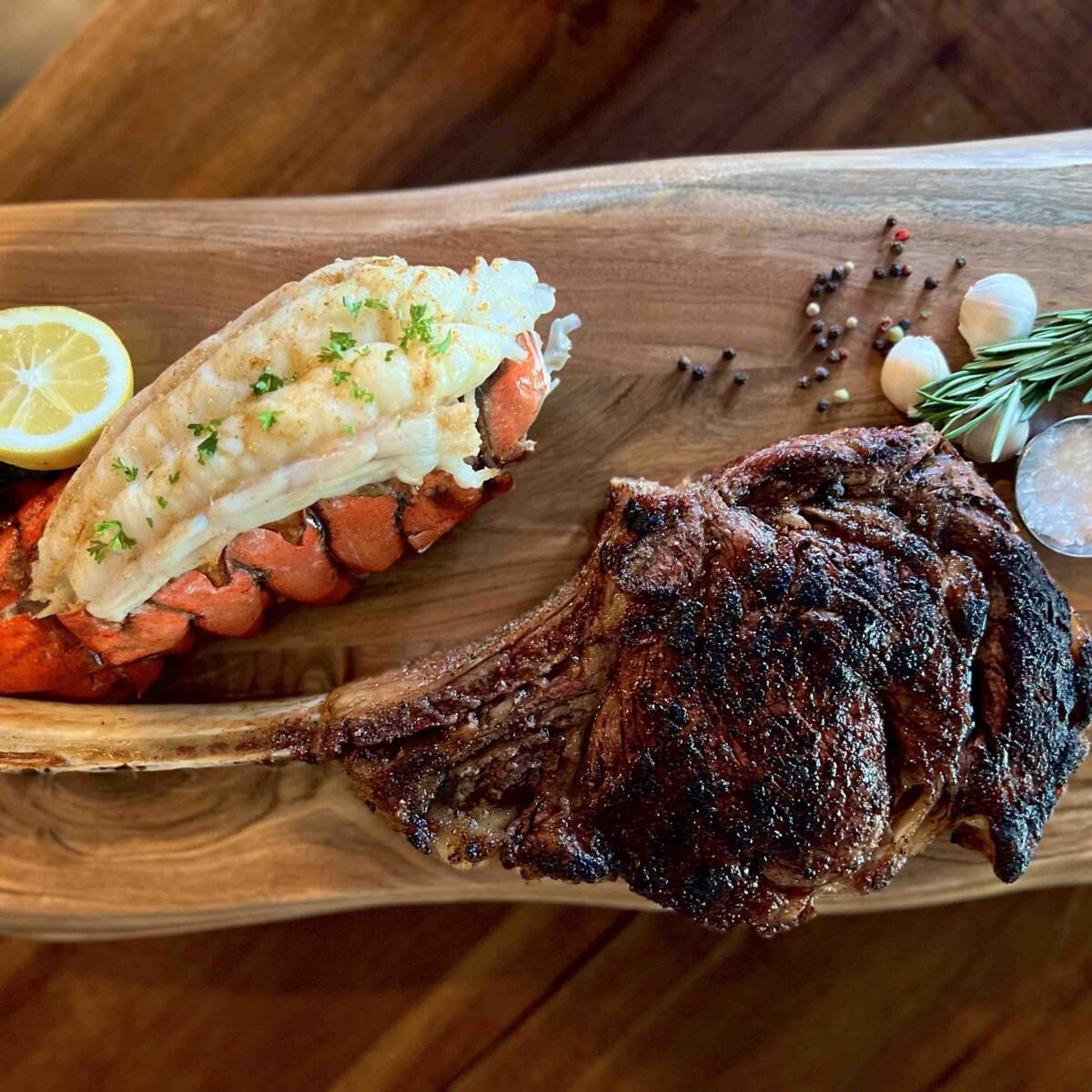
A crisp Chardonnay or a light Sauvignon Blanc enhances the delicate flavors of this shellfish. These options provide a refreshing contrast, balancing the richness of the dish.
- Chardonnay: A well-oaked version can complement the buttery notes, while unoaked varieties offer a zesty acidity.
- Sauvignon Blanc: Known for its citrus and herbal notes, this choice adds brightness to the meal.
Avoid heavier varietals, which can overpower the dish. Instead, consider sparkling options such as Prosecco or Champagne for a festive touch. These bubbly selections cleanse the palate effectively.
- Pair seafood-specific whites for a harmonious experience.
- Consider serving chilled, enhancing the refreshing qualities of the beverage.
- Explore regional pairings, as local wines often complement local cuisine beautifully.
Experimentation can lead to delightful discoveries. Test different styles to find a personal favorite that elevates the culinary experience.
Choosing the Right Wine for Lobster Dishes
Opt for a crisp, chilled choice to enhance the delicate flavors of shellfish. Varietals like Sauvignon Blanc or Chardonnay are ideal, offering a refreshing acidity that complements the sweetness of the meat.
Key Pairing Elements
Consider the preparation style. For grilled or roasted variations, a fuller-bodied option can add depth. In contrast, steamed or boiled dishes benefit from lighter selections.
| Preparation Style | Recommended Type |
|---|---|
| Grilled | Chardonnay |
| Steamed | Sauvignon Blanc |
| Boiled | Pinot Grigio |
| In Cream Sauce | Viognier |
Serving Temperature
Chill selections to around 45-50°F (7-10°C) for optimal enjoyment. This temperature enhances aromas and balances flavors, elevating the dining experience.
Flavor Profiles: Red vs. White
Opting for a crisp, chilled selection enhances the delicate sweetness and briny notes of shellfish. This choice complements the subtle textures, allowing the dish to shine. The refreshing acidity found in such beverages cuts through richness, balancing the overall experience effectively.
On the other hand, a fuller-bodied option brings forth deeper, bolder flavors that may overpower the nuances of the dish. Earthy undertones and tannins may clash, resulting in a less harmonious pairing. This choice tends to emphasize heavier, richer seafood varieties instead of lighter fare.
Focusing on fruity and floral characteristics helps to elevate the dish’s natural profile. Citrus, pear, and stone fruit notes provide a bright contrast, enriching the flavors present. For those seeking a more complex experience, exploring oak-aged varieties introduces layers of vanilla and spice, enhancing the overall palate.
When considering the choice of beverage, the method of preparation plays a significant role. Grilled or roasted options benefit from a robust selection, while poached or steamed preparations align more closely with lighter, refreshing alternatives. Each preparation method offers its own unique set of flavors, influencing the best pairing.
Ultimately, understanding the specific flavor components of the dish and the selected drink allows for a more satisfying dining experience. Balancing richness, acidity, and flavor profiles leads to an enjoyable complement, enhancing the meal’s overall enjoyment.
Regional Pairings: Best Wines for Lobster Types
For Maine lobster, a classic pairing involves a Chardonnay from California. The buttery notes complement the sweet, succulent meat beautifully. In contrast, a crisp Sauvignon Blanc from New Zealand enhances the bright flavors of the dish, making it a fantastic choice for those who prefer a zesty experience.
Soft Shell Varieties
Soft shell crabs call for a light-bodied Pinot Grigio from Italy. Its refreshing acidity balances the rich texture, creating an enjoyable contrast. Alternatively, a dry Riesling from Germany can elevate the meal, providing floral and fruity nuances that harmonize well.
Grilled Lobster
When grilling, a lightly oaked Viognier works wonders. The wine’s peach and apricot notes accentuate the smoky flavors while maintaining a refreshing profile. For a more adventurous option, consider a sparkling wine from Champagne; the effervescence cuts through the richness and adds a celebratory touch.
Serving Temperature: Optimal Conditions for Wine
For achieving the best experience, maintaining the right temperature for beverages is critical. A chilled range of 45-50°F (7-10°C) is ideal for lighter varieties, enhancing their crispness and refreshing qualities. For fuller-bodied selections, a slightly warmer temperature of 50-55°F (10-13°C) allows the complexities of the flavors to emerge. Serving at these specific temperatures can significantly elevate the tasting experience.
Temperature Guidelines
Utilizing a thermometer can ensure precision. For lighter beverages, place them in a refrigerator for about 2-3 hours prior to enjoyment. If a quicker chill is needed, an ice bath for approximately 15-20 minutes effectively brings down the temperature. Conversely, for bolder flavors, leaving them at room temperature for 30 minutes to an hour after refrigeration can enhance aroma and palate.
Impact on Flavor
Temperature greatly influences taste perception. Cooler temperatures can suppress certain flavors, while warmth encourages the release of aromatic compounds. This balance is vital for maximizing the nuances in profiles. Experimenting with temperature can reveal new dimensions of flavors, allowing for a tailored experience that complements the dish perfectly.