Chuck Furuya



Barbera stands out as a stellar choice to complement this Italian classic. Its bright acidity and low tannins harmonize beautifully with the savory tomato sauce and tender meat, enhancing the dish’s flavors without overpowering them.
Another excellent option is Chianti. This Tuscan delight, with its earthy undertones and notes of cherry, creates a delightful contrast to the aromatic herbs and spices typically found in the recipe. The wine’s robust character balances the richness of the sauce.
For those seeking a bolder alternative, consider a Montepulciano d’Abruzzo. This wine’s deep fruitiness and structured profile provide a wonderful depth, allowing it to stand up to the hearty nature of the preparation while still offering a smooth finish.
In any case, selecting a bottle with good acidity will enhance the overall dining experience, cutting through the dish’s richness and making each bite even more enjoyable.
Optimal Pairing for Chicken Cacciatore
My top choice is a Chianti. This Tuscan variety brings a bright acidity that complements tomato-based sauces beautifully. Its cherry and herbal notes enhance the dish’s flavors, creating a harmonious balance.
Another excellent option is a Barbera. With its low tannins and high acidity, it cuts through the richness of the dish while accentuating the savory elements.
Additionally, I often recommend a Montepulciano d’Abruzzo. This wine offers deeper fruit flavors and a touch of earthiness, which pairs well with the robust ingredients typically found in this preparation.
Here are some specific brands to consider:
- Ruffino Chianti Classico
- Vietti Barbera d’Asti
- Masciarelli Montepulciano d’Abruzzo
Serving these alongside the meal enhances the overall experience, allowing the flavors to meld beautifully on the palate.
Understanding the Flavor Profile of Chicken Cacciatore
Chicken cacciatore showcases a rich interplay of flavors that harmonize beautifully. Key components include tomatoes, bell peppers, onions, and herbs, each contributing distinct notes to the dish.
Key Flavor Elements
- Tomatoes: Provide acidity and sweetness, forming a base that balances other ingredients.
- Bell Peppers: Add a mild sweetness and slight bitterness, enhancing the overall complexity.
- Onions: Introduce a savory depth when sautéed, complementing the sauce’s richness.
- Herbs: Oregano, basil, and parsley elevate the aroma, bringing freshness to the dish.
Texture and Balance
The combination of tender chicken with a chunky sauce creates a satisfying mouthfeel. To achieve balance, consider incorporating a splash of vinegar or a pinch of sugar, which can elevate the dish’s flavor profile. Pairing with robust, flavorful accompaniments like crusty bread or creamy polenta enhances the overall dining experience.
Key Characteristics of Wines Compatible with Poultry Dishes
Choosing a suitable beverage for poultry relies heavily on specific traits that enhance the overall experience. A balanced acidity is crucial; it helps to cut through the richness of the dish, providing a refreshing contrast. Medium-bodied options typically offer enough structure without overpowering flavors.
Flavor and Aroma Profile
Fruity notes, particularly those of cherry, plum, or raspberry, complement the savory elements found in poultry preparations. Earthy undertones, such as herbs or spices, can also enhance the aromatic profile, aligning beautifully with the dish’s seasoning. Subtle tannins are beneficial, allowing for a smoother finish that does not overshadow the meal.
Regional Considerations
Regional varieties often reflect local cuisine. Italian selections, especially those with a hint of spice, can harmonize well with classic poultry recipes. Opting for wines from regions known for rich, flavorful varietals will enhance the depth of taste in the dish.
Top Varietals for Chicken Cacciatore
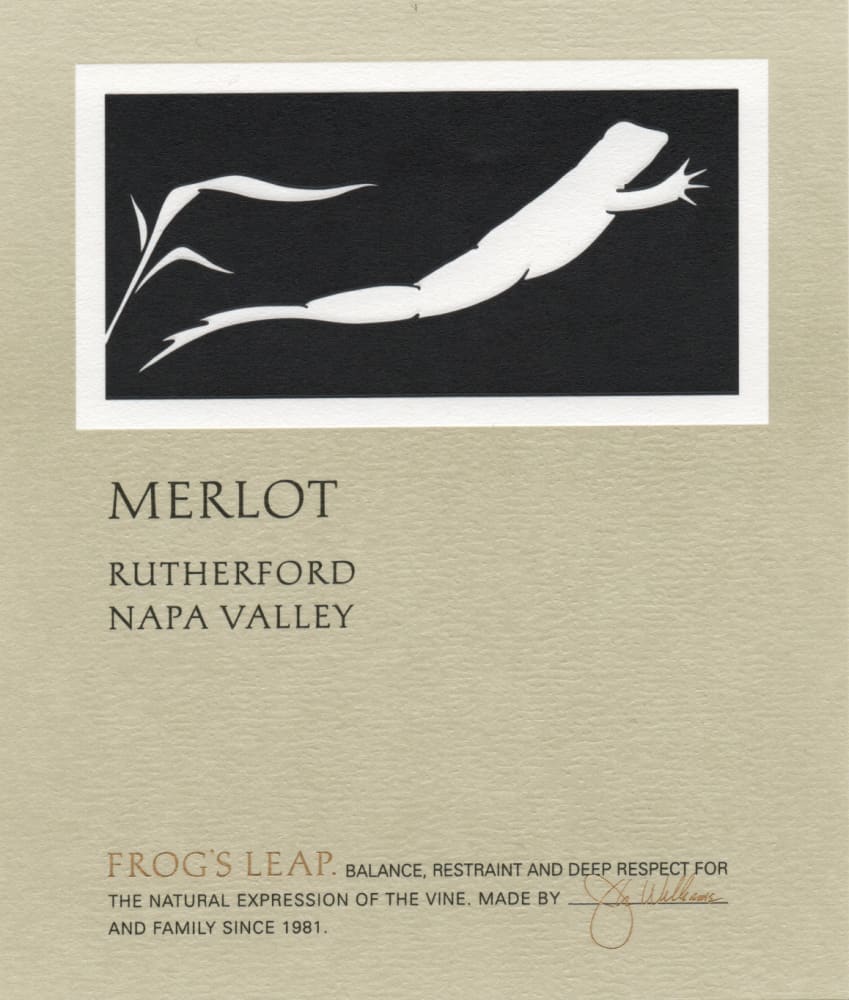
Merlot stands out as a smooth choice, offering plum and cherry notes that harmonize beautifully with tomato-based sauces. This varietal’s soft tannins enhance the dish’s flavors without overpowering them.
Chianti, with its bright acidity and herbal undertones, complements the rustic elements found in this Italian classic. The wine’s red fruit characteristics align well with the dish’s savory components.
Barbera provides a fruit-forward profile, featuring flavors of cherry and blackberry. Its lively acidity cuts through the richness of the sauce, making every bite refreshing.
Additional Options
Grenache is another excellent pick, offering a balance of red fruit and spice, which elevates the overall taste experience. Its medium body allows it to pair seamlessly without overshadowing the dish.
Sangiovese, known for its tart cherry notes and earthy undertones, enhances the dish’s depth, enriching the overall flavor profile. Its moderate tannins ensure a pleasant mouthfeel.
| Varietal | Tasting Notes | Characteristics |
|---|---|---|
| Merlot | Plum, Cherry | Smooth, Medium Tannins |
| Chianti | Red Fruit, Herbal | Bright Acidity |
| Barbera | Cherry, Blackberry | High Acidity, Fruity |
| Grenache | Red Fruit, Spice | Medium Body |
| Sangiovese | Tart Cherry, Earthy | Moderate Tannins |
Tannin Levels and Their Impact on Flavor
Choosing a bottle with moderate tannins enhances the dish by balancing richness with acidity. High tannin content can overpower delicate flavors, resulting in a less harmonious experience. Opting for a varietal like Chianti or Barbera, known for their smoother tannin profiles, allows the savory elements of the meal to shine.
Moderate Tannins: A Harmonious Blend
Wines with moderate tannins complement the tomatoes and herbs in the sauce, creating a well-rounded taste. The interplay between the dish’s acidity and the wine’s tannic structure helps to elevate the overall flavor. Varietals such as Sangiovese provide a nice middle ground, enhancing the experience without overshadowing the main components.
Balancing Act: Acidity and Tannins
Tannins interact with proteins and fats in the dish, contributing to texture and mouthfeel. Wines exhibiting a balanced level of acidity alongside tannins create a pleasing contrast that cuts through the dish’s richness. This balance is crucial for achieving a satisfying palate experience. Avoiding overly tannic options allows the complexity of flavors to emerge, ensuring a delightful pairing.
Regional Wines That Pair Well with Italian Cuisine
For a delightful accompaniment to Italian dishes, consider exploring wines from specific regions known for their compatibility with robust flavors. Tuscany offers Chianti, renowned for its acidity and cherry notes, making it an ideal match for tomato-based meals. A Sangiovese from this area enhances the dish’s essence with its herbal undertones.
From Piedmont, Barbera shines with its juicy fruit characteristics and lower tannin levels, complementing the savory elements of Italian cuisine without overwhelming them. Its bright acidity balances rich sauces beautifully.
Moving to the Veneto region, Valpolicella provides a lighter option with its cherry and spice profile. This wine pairs exquisitely with various meat dishes, enriching the overall experience.
In Southern Italy, Aglianico, particularly from Campania or Basilicata, presents dark fruit flavors and earthy notes. Its bold structure works well with hearty preparations, enhancing rustic flavors while adding depth.
For those seeking a unique experience, consider wines from Sicily. Nero d’Avola, with its ripe plum and chocolate hints, elevates dishes with its full body and velvety texture, offering a satisfying contrast to savory components.
Each of these regional selections brings distinct characteristics to the table, enhancing the overall dining experience through their harmonious interaction with Italian culinary traditions.
Price Range Considerations for Cooking Wines
In my experience, selecting a suitable bottle for culinary purposes doesn’t necessitate a hefty price tag. A solid option in the $10 to $20 range often yields satisfying results. These selections typically offer a balance of quality and affordability, ensuring that the flavors contribute positively without overwhelming the dish.
When exploring options, I recommend looking for varietals that showcase fruitiness and moderate acidity. Brands that fall within this price bracket often provide reliable flavor profiles that complement savory preparations effectively.
For those willing to invest slightly more, around $20 to $30, choices tend to exhibit enhanced complexity and depth. Such selections can elevate the overall taste experience, harmonizing beautifully with the other ingredients.
It’s wise to avoid overly expensive bottles, as their nuances may get lost during cooking. Instead, aim for selections that provide consistent quality at a reasonable price. This approach not only maintains budget but also encourages experimentation with different flavors and combinations, enhancing culinary creativity.
Ultimately, focusing on the right balance of flavor and cost will yield the best results in the kitchen, allowing for enjoyable dishes without financial strain.