Chuck Furuya

Choosing a robust Cabernet Sauvignon? Consider serving it alongside grilled lamb or a hearty beef stew. The tannins in the wine beautifully complement the richness of these meats, enhancing the overall experience.
If you’re leaning towards a fruity Pinot Noir, roasted duck or mushroom risotto can elevate the flavors. The lighter body and acidity of this varietal harmonize well with earthy tones, creating a delightful balance.
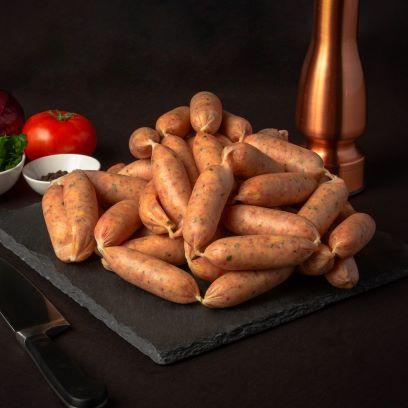
For a bold Syrah, pairing it with barbecued ribs or spicy sausage works wonders. The wine’s peppery notes enhance the smoky flavors, making each bite and sip more memorable.

When serving a Merlot, opt for dishes like creamy pasta or grilled vegetables. This smooth varietal can soften the dish’s richness and bring out the natural sweetness of roasted produce.
Lastly, consider a Zinfandel, which pairs excellently with pizza or a charcuterie board. Its jammy fruit flavors and spices play nicely with various toppings, offering a versatile and enjoyable combination.
Optimal Combinations for Red Varietals
For a delightful experience, I recommend serving a Cabernet Sauvignon alongside grilled lamb. The robust tannins in the Cabernet complement the rich flavors of the meat, enhancing the overall taste.
Merlot shines when paired with mushroom risotto. The wine’s smooth texture and fruity notes balance the earthiness of the mushrooms, creating a harmonious dish.
Syrah works exceptionally well with barbecued meats. Its spicy undertones elevate the smoky flavors, making each bite more enjoyable.
For a classic touch, I enjoy Pinot Noir alongside roasted duck. The wine’s acidity cuts through the fat, while its berry notes provide a lovely contrast to the savory profile of the dish.
Tempranillo is a fantastic match for tapas featuring chorizo. The wine’s bold character complements the spiciness of the sausage, enhancing the flavors of the entire meal.
Lastly, a Zinfandel pairs beautifully with pizza topped with pepperoni. The fruit-forward characteristics of Zinfandel harmonize with the spices in the pepperoni, creating a satisfying culinary experience.
Understanding Wine Varieties and Their Flavor Profiles
Choosing a specific type of grape is fundamental for achieving the ideal match. For example, Cabernet Sauvignon offers rich flavors of dark fruits, complemented by notes of oak and spice. This robust profile pairs well with hearty dishes such as grilled meats or rich pasta sauces.
Merlot, on the other hand, presents a softer character, featuring plum and cherry flavors, often with hints of chocolate. Its smooth nature makes it versatile, fitting nicely alongside roasted poultry or mushroom risotto.
Exploring Other Varieties
Pinot Noir stands out with its lighter body and earthier notes, including red berries and floral undertones. This makes it an excellent companion for dishes like salmon or duck, allowing the flavors to harmonize beautifully.
Sangiovese showcases bright acidity and cherry flavors, often accompanied by herbal and earthy nuances. It’s a fantastic choice for tomato-based dishes, enhancing the overall dining experience.
Understanding Tannins and Acidity
Recognizing the role of tannins is key. Varieties like Syrah or Malbec, high in tannins, harmonize well with fatty cuts of meat, balancing richness. Meanwhile, lighter options like Gamay or Beaujolais, with lower tannin levels, can complement lighter fare, from salads to grilled vegetables.
Acidity is another vital component. It brightens flavors and cuts through richness. Wines with higher acidity, such as Chianti, can elevate dishes like pizza or pasta, creating a delightful contrast.
Ultimately, understanding these nuances allows for thoughtful selections that enhance the overall culinary experience.
Matching Red Wine with Meat: Best Combinations
For beef dishes, a full-bodied Cabernet Sauvignon enhances the rich flavors, especially in grilled steaks or braised short ribs. The tannins in this varietal complement the meat’s protein, creating a harmonious balance.
Lamb pairs excellently with a Syrah or Shiraz. The bold spices and dark fruit notes in these wines match the gamey characteristics of lamb, particularly in roasted preparations or stews.
Pork Selections
When enjoying pork, consider a Pinot Noir. Its acidity and berry flavors balance the fat in pork, particularly in dishes like roasted tenderloin or glazed ham. Alternatively, a Merlot works well with barbecue pork, enhancing the smoky flavors.
Poultry Options
For duck, a Grenache or a fruity Malbec offers a delightful match. These selections complement the richness of the meat while the fruitiness adds a layer of complexity. A Zinfandel can also work wonderfully, especially with dishes that feature sweet glazes.
Pairing Red Varietals with Vegetarian Dishes
Opt for a medium-bodied Cabernet Sauvignon to complement grilled vegetables like zucchini, bell peppers, and eggplant. The wine’s tannins harmonize with the charred flavors, enhancing the overall experience.
Specific Matches
- Pinot Noir: Ideal for mushroom risotto, as its earthy notes mirror the umami of the dish.
- Merlot: Pairs wonderfully with tomato-based pasta sauces, balancing acidity and sweetness.
- Syrah: Excellent choice for spiced lentil dishes, offering a peppery kick that complements the spices.
Serving Tips
- Ensure the wine is slightly chilled to enhance its fruitiness.
- Consider using similar herbs in both the dish and the drink to create a cohesive flavor profile.
- Experiment with textures; creamy dishes can work well with smoother varietals.
Explore various combinations to find unique pairings that elevate both the meal and the drink. Adjust your selections based on personal tastes and seasonal ingredients for the best results.
Enhancing Flavors: The Role of Sauce in Pairing
Choosing the right sauce can elevate the dining experience significantly. A well-crafted sauce complements the characteristics of a chosen beverage, enhancing the overall taste. For instance, a rich tomato sauce can harmonize beautifully with a robust wine, while a delicate herb sauce might suit a lighter option.
Types of Sauces and Their Impact
Understanding how different sauces interact with beverages is key. Here’s a breakdown of common sauces and their ideal matches:
| Type of Sauce | Flavor Profile | Recommended Pairing |
|---|---|---|
| Tomato-Based | Acidic, Savory | Full-bodied options like Cabernet Sauvignon |
| Creamy | Rich, Smooth | Soft tannins found in Pinot Noir |
| Herb-Infused | Fresh, Aromatic | Medium-bodied varieties such as Merlot |
| Barbecue | Sweet, Smoky | Fruity selections like Zinfandel |
| Spicy | Bold, Zesty | Syrah or Shiraz to balance heat |
Balancing Flavors
The key is achieving harmony between the sauce and the selected beverage. For example, a spicy sauce can overpower a delicate drink, while a heavy sauce may overwhelm a lighter choice. Strive for balance; if the sauce is rich, consider a beverage with a stronger profile to stand up to it. Conversely, lighter sauces work best with more subtle varieties.