Chuck Furuya
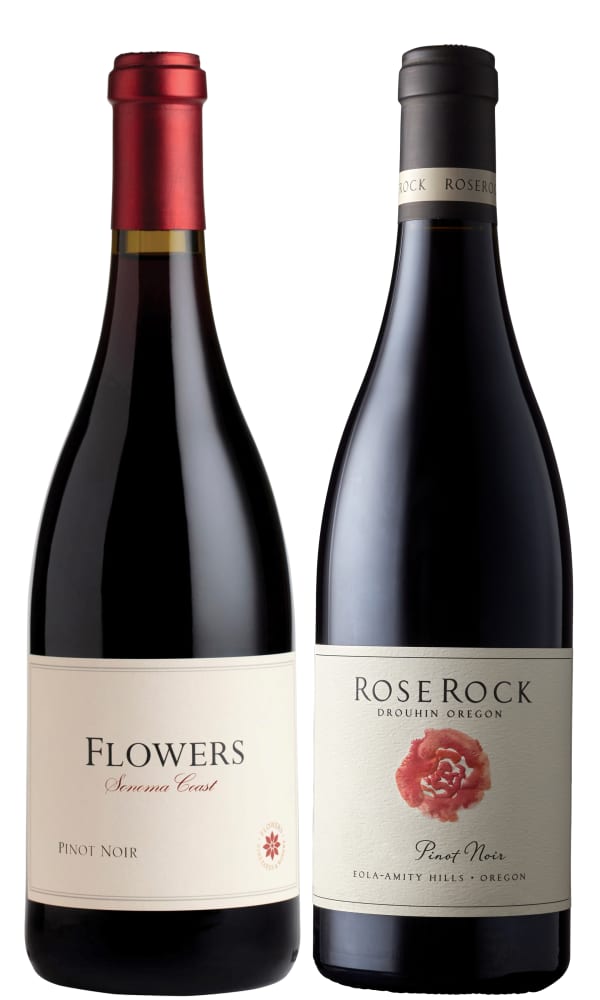

For an exceptional experience, I highly recommend a Pinot Noir. Its bright acidity and delicate tannins complement the rich flavors of the dish beautifully.
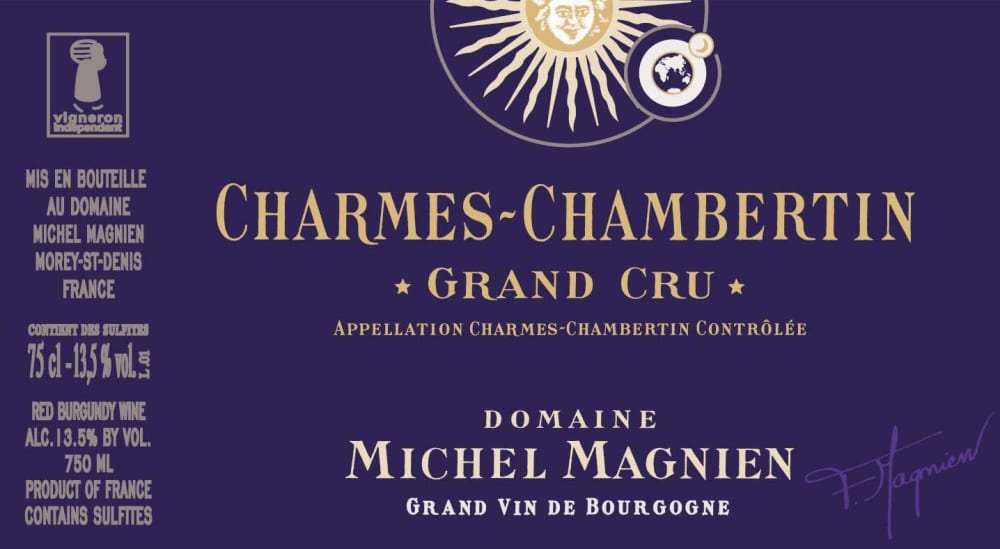
When selecting a bottle, consider options from Burgundy, as their earthy undertones and red fruit notes harmonize wonderfully with the savory elements present in the meal. Look for a vintage that offers a balance of freshness and complexity, ideally around five to eight years old.
Additionally, a Beaujolais can also be an excellent choice. The Gamay grape produces a light-bodied option with juicy berry flavors and a hint of spice, which can elevate the dining experience. Opt for a cru Beaujolais to enjoy a more structured profile that can stand up to the dish’s depth.
Ultimately, pairing any of these selections will enhance the entire culinary experience, allowing the flavors to shine through in a delightful manner.
Understanding the Flavor Profile of Chicken Chasseur
To complement the savory and herbaceous notes of this classic dish, I recommend a medium-bodied option with balanced acidity and fruitiness. Look for a bottle featuring flavors of cherry, plum, and hints of earthiness to match the richness of mushrooms and the depth of the sauce.
Flavor Elements
This preparation showcases tender poultry in a sauce made with tomatoes, garlic, and aromatic herbs. The earthy undertones from mushrooms and the slight sweetness from the sauce create a complex flavor profile. As I sip, I appreciate how the fruitiness of the chosen grape variety enhances the herbal notes, while moderate tannins provide a smooth finish.
Regional Pairings
<p. Opt for selections from regions known for their harmonious blends with rustic cuisine. French varietals, particularly those from Bordeaux or Burgundy, often bring out the best in this dish, echoing its origins and enhancing every bite. A hint of spice or oak can elevate the overall experience, making each sip a delightful complement to the meal.
Key Characteristics of Wines Suitable for Poultry
When selecting a suitable varietal to accompany poultry dishes, certain traits stand out. A balanced acidity is crucial, as it complements the dish’s richness and enhances flavors. Look for wines with medium tannins to avoid overpowering the meal while providing structure.
Flavor Profiles
- Fruity notes, particularly cherry, plum, or raspberry, can elevate the overall experience.
- Earthy undertones, such as mushroom or forest floor, pair well with savory elements in the dish.
- A hint of spice, like black pepper or clove, can add depth to the pairing.
Body and Alcohol Content
- Opt for a medium-bodied option that balances well without overshadowing the flavors.
- Alcohol content around 12-14% is typically ideal, providing warmth without being overwhelming.
Considering these characteristics ensures a harmonious pairing that enhances both the poultry dish and the chosen varietal.
Top Red Wine Varieties to Pair with Chicken Chasseur
Merlot stands out as an excellent companion, showcasing smooth textures and ripe fruit flavors that complement the dish’s rich sauce. This varietal often presents notes of plum and cherry, which harmonize well with the mushrooms and herbs.
Pinot Noir is another fantastic choice, offering a lighter body yet maintaining a complexity that enhances the overall experience. Its earthy undertones and bright acidity can elevate the flavors of the chicken and sauce beautifully, making each bite more enjoyable.
Syrah, with its bold character and spicy notes, can add a layer of depth to the meal. The peppery finish and dark fruit flavors align well with the rustic elements of the dish, creating a satisfying pairing.
Tempranillo, particularly from Rioja, provides a unique profile with its balance of fruit and oak. The tannins are soft, allowing the dish’s flavors to shine, while the wine’s acidity helps cleanse the palate.
| Variety | Tasting Notes | Pairing Benefits |
|---|---|---|
| Merlot | Plum, cherry, smooth | Enhances richness |
| Pinot Noir | Earthy, bright acidity | Elevates flavors |
| Syrah | Bold, spicy, dark fruit | Adds depth |
| Tempranillo | Fruit, oak, soft tannins | Balances dish |
Serving Temperature and Decanting Tips
I recommend serving your selected varietal at a temperature between 60°F and 65°F (15°C to 18°C). This range ensures that the aromas and flavors are fully expressed, enhancing the overall dining experience. To achieve this, refrigerate the bottle for about 30 minutes before serving if it’s too warm.
Decanting Recommendations
Decanting can significantly improve the taste of your chosen beverage, particularly if it’s bold and tannic. Pour it into a decanter about 30 minutes prior to serving. This process allows oxygen to interact with the liquid, softening tannins and releasing aromatic compounds. For younger selections, a shorter decanting time of around 20 minutes may suffice, while older varieties can benefit from more extended exposure to air.
Glassware Considerations
Utilize a glass with a wider bowl to allow for optimal aeration. A larger surface area facilitates the release of volatile compounds, enhancing the bouquet. When pouring, fill the glass to about one-third full to enable swirling, which further promotes aroma development.
By adhering to these temperature and decanting guidelines, you’ll maximize the enjoyment of your chosen beverage alongside poultry dishes. Cheers!
How to Choose the Right Red Wine Based on Personal Preference
Consider your palate. If you enjoy fruity flavors, opt for a wine with notes of cherry or raspberry. Varietals like Pinot Noir or Gamay could complement your taste. For those who prefer bolder profiles, a Cabernet Sauvignon or Merlot may be more suitable, featuring deeper flavors of blackberry and plum.
Think about acidity. A wine with higher acidity can enhance the dish’s flavors, making it a great match if you like a refreshing sip. Look for wines such as Barbera or Sangiovese, which have a bright, zesty character.
Examine tannin levels. If you lean towards smoother, softer wines, choose options with lower tannins, like Grenache or Dolcetto. For a more structured experience, wines with higher tannins, such as Syrah or Malbec, might appeal to you.
Evaluate the body. Lighter-bodied selections, like Pinot Noir, can be perfect for a casual meal, while full-bodied wines, such as Zinfandel, create a more robust pairing for those who appreciate a heavier mouthfeel.
Lastly, consider occasion and food pairings. A relaxed dinner might call for a lighter, fruit-forward choice, while a more formal gathering could warrant a richer, more complex pour. Assess how the flavors interplay with the dish to find harmony on your plate.