Chuck Furuya

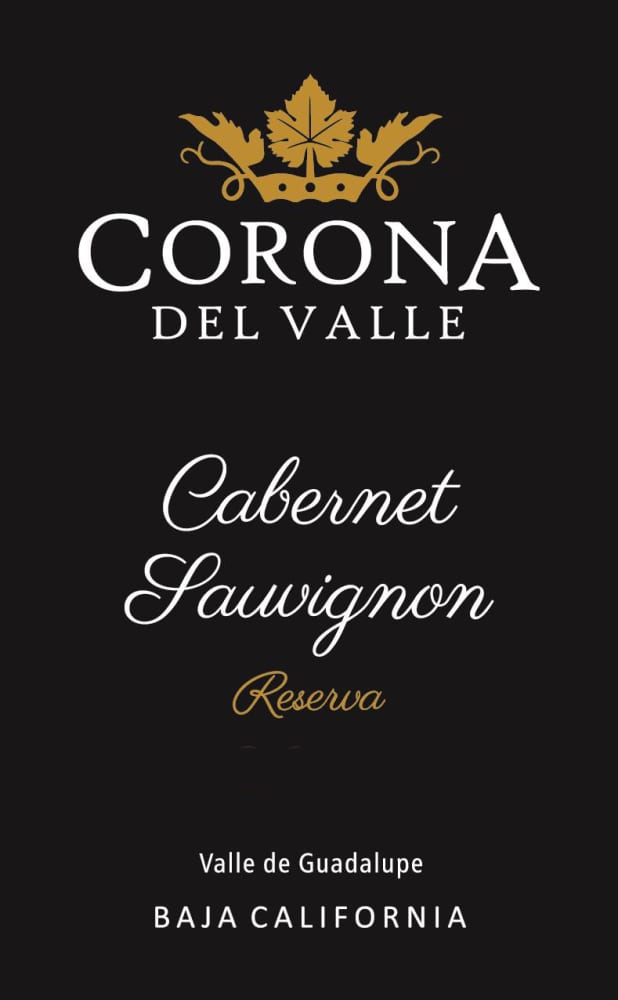
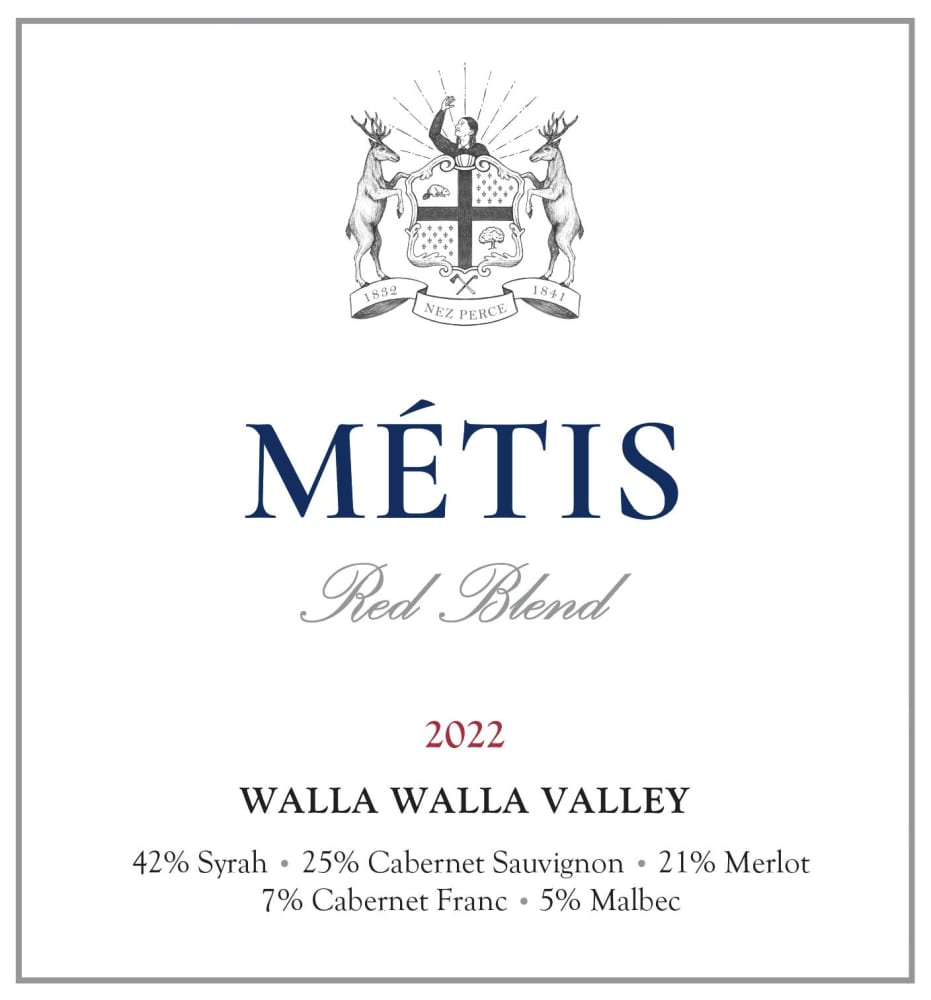
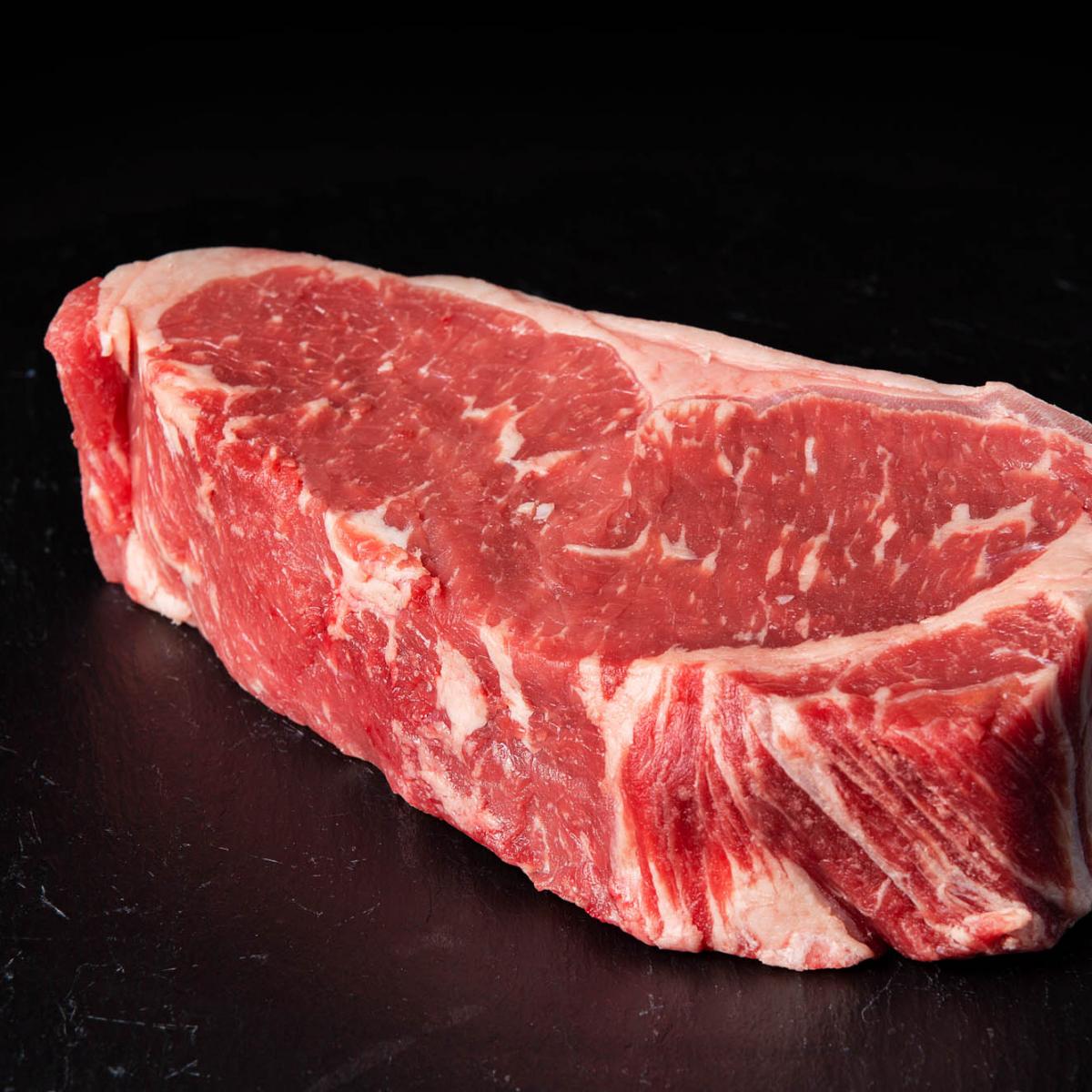
Choosing a bold beverage to accompany a grilled cut can elevate the dining experience significantly. A rich Cabernet Sauvignon or a smooth Malbec often complements the robust flavors of charred meat. These selections enhance the savory notes and provide a balanced contrast that enhances each bite.
For a lighter option, a refreshing Pinot Noir or a zesty Grenache can offer a delightful pairing as well. The fruit-forward profiles of these varieties can cut through the richness of the dish, providing a refreshing palate cleanser. The acidity in these choices can highlight the natural flavors of the meat without overpowering it.
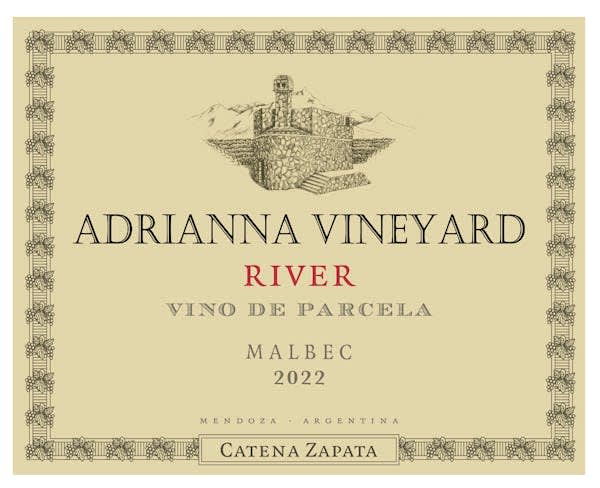
Ultimately, the decision boils down to personal preference and the specific preparation of the dish. Opting for a beverage that aligns with the seasoning and cooking method can make a significant difference. Experimentation with different varietals can lead to discovering unique and enjoyable combinations that enhance the overall dining experience.
Pairing Choices for Red or White Varietals
Opting for a full-bodied Cabernet Sauvignon or a robust Malbec often complements the intense flavors of grilled or roasted cuts. The tannins in these choices enhance the savory notes, creating a harmonious experience on the palate.
Alternative Pairings
A lighter Pinot Noir can bring out the nuances in leaner cuts, while a buttery Chardonnay might elevate a flavorful sauce accompanying a dish. Exploring these options can reveal unexpected delights in flavor combinations.
Serving Temperature Considerations
Serving temperatures also play a role; slightly cooler temperatures for the white variety can refresh the palate, while allowing the red to breathe enhances its complexity. Adjusting these factors can significantly impact the overall enjoyment of the meal.
Understanding the Flavor Profiles of Red and White Wines
Focusing on pairing, full-bodied varieties complement rich, savory cuts, while lighter options enhance delicate flavors. For robust meats, a Cabernet Sauvignon or Malbec delivers depth through dark fruit and tannins, creating a harmonious balance. On the other hand, a Pinot Noir can highlight subtle seasoning, offering a refreshing contrast.
For lighter fare, a crisp Sauvignon Blanc or a Chardonnay provides a zesty profile, featuring citrus and herbal notes that can elevate the dining experience. These selections introduce a refreshing acidity, cutting through richer flavors and cleansing the palate.
Ultimately, the interplay between the chosen beverage and the dish hinges on individual preferences and specific characteristics of each variety. Exploring different profiles will reveal unique pairings that enhance overall enjoyment.
Pairing Principles: Tannins and Acidity in Wine
Choosing the right beverage involves understanding the interplay of tannins and acidity. High tannin levels typically complement rich, fatty cuts, while lower tannin options suit leaner meats. A balanced approach enhances the overall dining experience.
Tannins
Tannins contribute structure and texture. They interact with proteins in meat, softening the palate and enhancing flavors. Recommended selections include:
- Cabernet Sauvignon for robust cuts, as its tannins cut through fat.
- Malbec, which offers a smooth mouthfeel, pairing well with grilled options.
- Syrah, known for its peppery notes, complements spiced preparations.
Acidity
Acidity brings freshness and brightness, balancing richness. A higher acid beverage can elevate flavor profiles and cleanse the palate. Consider these pairings:
- Pinot Noir, with its vibrant acidity, enhances the taste of herb-marinated meats.
- Chianti, featuring bright acidity, works wonders with tomato-based sauces.
- Grenache, known for its fruitiness, can uplift grilled preparations.
Understanding these principles allows for a more informed choice, enhancing the flavors of both the meal and the accompanying drink.
Choosing the Right Red Wine for Different Cuts of Steak
For a tender filet mignon, a classic choice is a Pinot Noir. Its light body and smooth tannins complement the delicate flavors without overwhelming them.
Ribeye, known for its richness, pairs excellently with a robust Cabernet Sauvignon. The high tannin content and bold fruit notes enhance the meat’s natural marbling.
For a New York strip, a Malbec works wonders. Its dark fruit and spice notes match the steak’s savory profile, creating a balanced experience.
When enjoying a T-bone, consider a Zinfandel. Its ripe fruit and peppery undertones harmonize with the juicy texture of this cut.
For flank steak, a Grenache is ideal. The wine’s acidity and berry flavors elevate the grilled characteristics of the meat.
Lastly, for sirloin, a Merlot offers a smooth, medium-bodied option that complements the steak’s hearty flavor without overpowering it.
Each selection enhances the dining experience, highlighting the unique qualities of each cut.
Exploring White Wine Options for Steak Pairings
Chardonnay stands out as a prime choice, especially those aged in oak. The buttery texture and hints of vanilla complement grilled meats effectively. For a leaner cut, such as filet mignon, a crisp Sauvignon Blanc can enhance the dish’s flavor profile, balancing the richness of the meat.
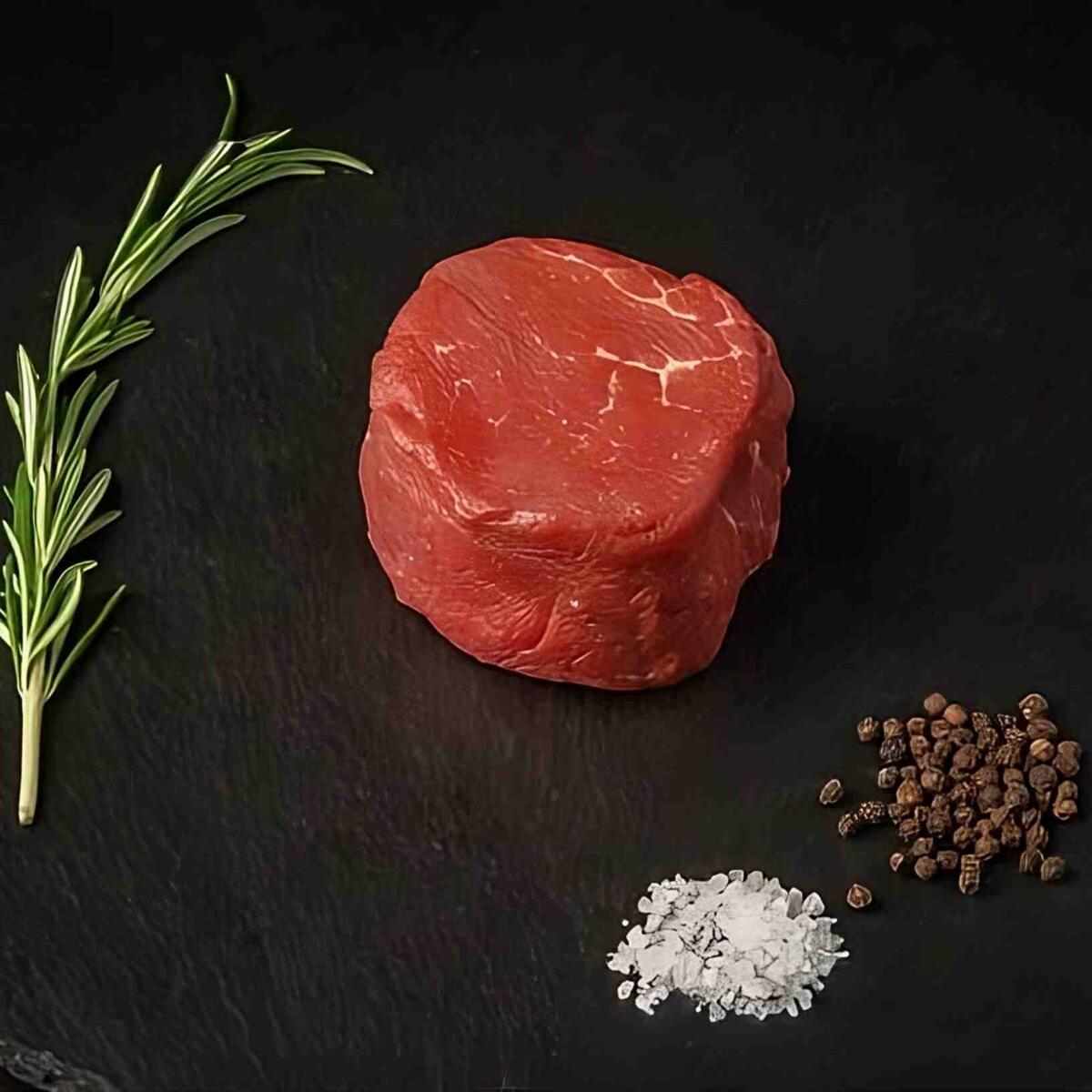
Another notable option is Viognier, which offers floral notes paired with stone fruit characteristics. Its aromatic complexity pairs well, particularly with marinated or herb-crusted preparations.
For those seeking a bolder experience, a full-bodied white like a Rhône blend brings a unique twist. The blend’s depth can hold its own against heartier preparations, making it a versatile companion.
Here’s a quick overview of pairing suggestions:
| Type | Best Pairing | Flavor Notes |
|---|---|---|
| Chardonnay | Grilled meats | Buttery, vanilla |
| Sauvignon Blanc | Filet mignon | Crisp, refreshing |
| Viognier | Herb-crusted dishes | Floral, stone fruit |
| Rhône Blend | Hearty preparations | Rich, complex |
By exploring these selections, the culinary experience can be elevated, showcasing the harmony between the meat’s flavors and the chosen beverages. Each variety contributes a distinct aspect, enhancing the overall enjoyment of the meal.
Regional Influences: Wine and Steak Pairings from Around the World
Italian cuisine often pairs a robust Chianti or Barolo alongside a hearty Bistecca alla Fiorentina, emphasizing the rich flavors of the meat while complementing the savory herbs typical in Italian grilling techniques.
In Argentina, Malbec reigns supreme, harmonizing beautifully with the country’s famous asado. The wine’s fruity notes and moderate tannins enhance the charred, smoky flavors of the beef, creating a delightful experience.
French traditions favor Bordeaux or a full-bodied Syrah with Côte de Boeuf. The earthy undertones and bold structure of these selections match well with the rich beef, while enhancing the flavors from herbs de Provence often used in preparation.
Australian Shiraz is celebrated for its intense fruitiness and spicy notes, making it a fantastic match for grilled steaks. Its peppery characteristics complement the smoky flavors achieved through open-flame cooking methods common in Aussie barbecues.
In the United States, Cabernet Sauvignon is frequently paired with prime cuts such as ribeye or filet mignon. The wine’s high tannin content stands up to the fat content in the beef, providing a balanced taste that highlights both elements.
Japanese cuisine presents a unique perspective, often pairing lighter, nuanced wines like Junmai sake with Wagyu. The delicate flavors of the sake accentuate the rich umami notes of the beef, creating a sophisticated pairing.
- Italy: Chianti or Barolo for Bistecca alla Fiorentina.
- Argentina: Malbec with asado.
- France: Bordeaux or Syrah for Côte de Boeuf.
- Australia: Shiraz with grilled steaks.
- USA: Cabernet Sauvignon for ribeye or filet mignon.
- Japan: Junmai sake with Wagyu.
Exploring these regional pairings opens up a world of possibilities, enhancing the dining experience through thoughtful combinations that reflect local culinary traditions and flavors.
Personal Preferences: How to Decide Between Red and White
Opting for a robust option often enhances the experience alongside grilled beef. The depth and complexity found in certain varietals complement the umami flavors present in the meat. Notably, a Cabernet Sauvignon or Malbec frequently pairs seamlessly, especially when the cut has a rich marbling.
Alternatively, exploring a crisp alternative can yield surprising results. A full-bodied Chardonnay, particularly one aged in oak, can harmonize well, especially if the preparation includes a herbaceous sauce or seasoning. The buttery notes can elevate the overall palate profile.
Personal preference often stems from taste preferences and previous experiences. For instance, those who lean towards fruity and spicy flavors may gravitate towards selections like Syrah or Zinfandel. Conversely, individuals who appreciate acidity and freshness might prefer a Sauvignon Blanc, especially if served chilled.
Experimentation plays a crucial role in discovering personal favorites. Tasting flights or small servings allow for exploration without commitment. Attending tastings or pairing events can also provide insights into how different flavors interact.
Considering the preparation method can significantly influence the choice. Grilling typically enhances charred flavors, making bolder options more appealing. Meanwhile, lighter preparations, such as sous-vide, might call for a more delicate selection to avoid overpowering the dish.
Ultimately, trust individual taste preferences and enjoy the process of finding the perfect match. Each meal presents an opportunity to explore and refine choices based on unique flavor experiences.