Chuck Furuya
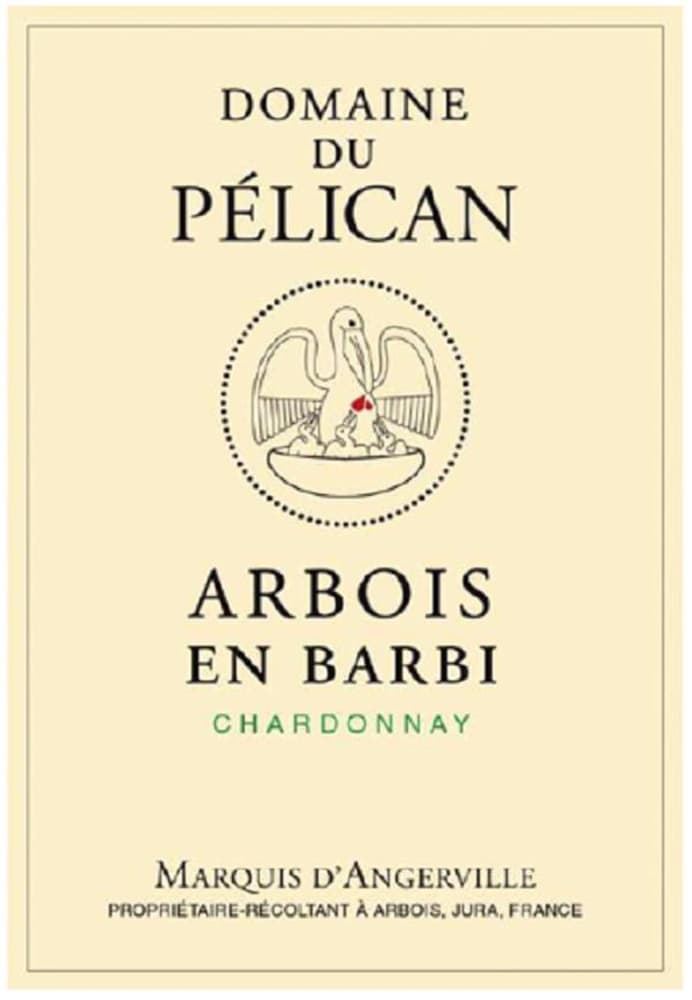
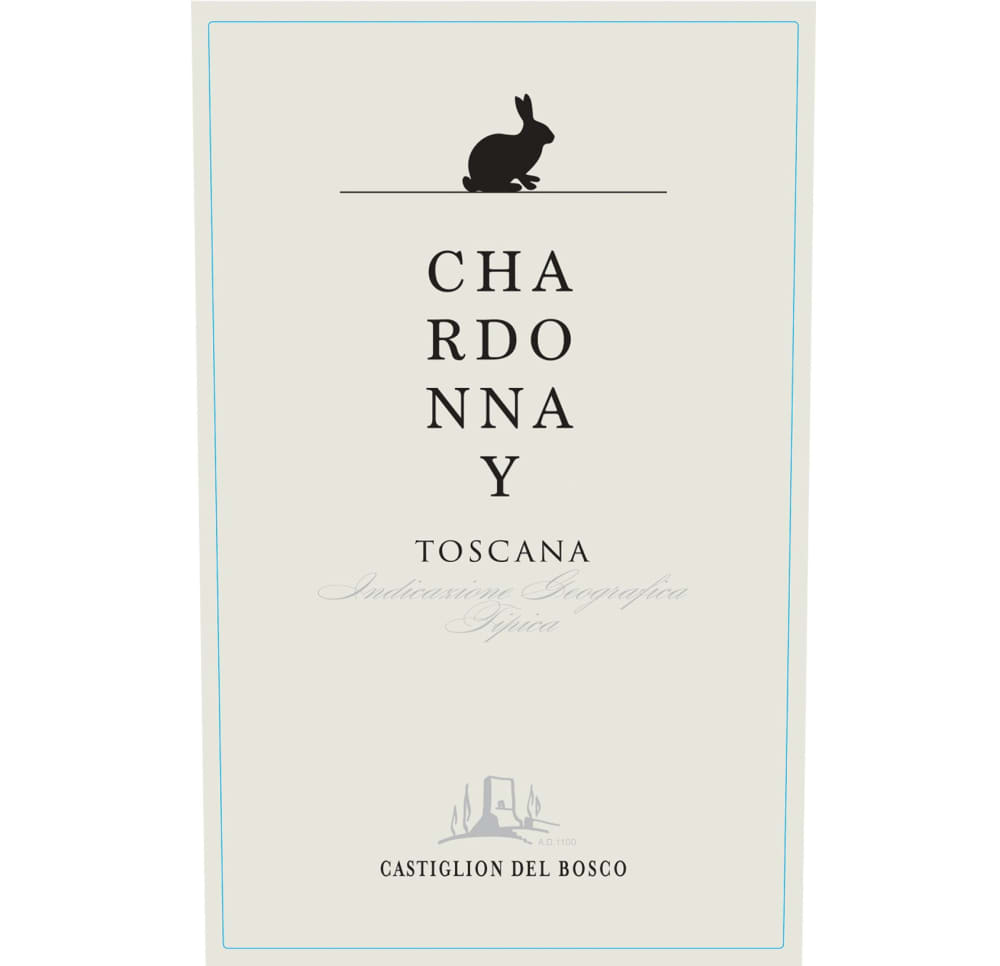
Choosing a beverage to accompany crustacean delicacies often leads to a delightful culinary exploration. A crisp, chilled option tends to elevate the fresh flavors of the seafood, enhancing the overall dining experience. This selection not only complements the natural sweetness of the dish but also balances its rich, buttery texture.
For those inclined towards a bolder profile, a full-bodied alternative can provide a fascinating contrast. The complexity of this choice can harmonize beautifully with the dish’s nuances, creating a memorable flavor journey. A hint of acidity in this alternative can cut through the richness, ensuring that every bite remains refreshing.

In pairing, consider the preparation method of the shellfish as well. Grilled or roasted variations may call for a more robust option, while steamed or lightly seasoned preparations align perfectly with the crisp, refreshing counterpart. These thoughtful combinations can truly enhance the enjoyment of a seafood feast.
Do You Drink Red or White Wine with Lobster?
Choosing a beverage to pair with shellfish can significantly enhance the dining experience. A crisp, chilled option complements the delicate flavors of this seafood delight. Here are some suggestions:
- Opt for a Sauvignon Blanc or a Chardonnay, which provide a refreshing acidity that balances the richness of the dish.
- A dry Riesling can also be a fantastic match, offering a hint of sweetness that elevates the natural sweetness of the meat.
- For those seeking a bolder choice, a light-bodied Pinot Noir might work, especially if the preparation involves richer sauces or spices.
Temperature matters; serving these selections well-chilled enhances their crispness, making each sip refreshing. Consider the preparation method as well. Grilled versions might allow for more adventurous choices, while classic boiled pairs best with lighter options.
Experimenting with different varieties can reveal unique combinations that suit personal preferences. Ultimately, the right pairing elevates the overall meal, creating a memorable dining occasion.
Understanding the Flavor Profile of Lobster
A delicate and sweet flavor characterizes this shellfish, often enhanced by its preparation method. The texture is tender yet slightly firm, providing a satisfying mouthfeel. When evaluating the taste, several elements come into play:
Sweetness and Brininess
The natural sweetness is complemented by a subtle briny note, reminiscent of the ocean. This balance creates a rich foundation for pairing. A few elements to consider:
- Cooking techniques, such as steaming or grilling, can intensify sweetness.
- Adding butter or sauces can enhance the overall flavor experience.
- Freshness significantly impacts the taste; sourcing from reputable suppliers ensures quality.
Complementary Flavors
Pairing options may vary based on the dish’s preparation and accompanying ingredients. Here are some suggestions:
- Citrus elements, such as lemon or lime, can brighten the dish and complement the inherent sweetness.
- Herbs like tarragon or parsley can add freshness and aromatic qualities.
- Spices like paprika or cayenne can introduce a hint of heat, contrasting beautifully with the rich texture.
Understanding these flavor dimensions aids in creating harmonious pairings, elevating the dining experience to new heights.
Characteristics of Red Wine Suitable for Seafood
A light-bodied option is often preferable for pairing. Look for varieties that exhibit a lower tannin content, allowing the delicate flavors of seafood to shine. The acidity should be balanced, providing a refreshing quality that complements the dish.
| Type of Red | Taste Profile | Pairing Notes |
|---|---|---|
| Pinot Noir | Bright red fruit, earthy undertones | Enhances sweetness of shellfish |
| Gamay | Juicy berry flavors, low tannins | Great match for grilled varieties |
| Barbera | High acidity, cherry and plum notes | Compliments creamy sauces |
Selecting a chilled version can elevate the dining experience. The cooler temperature not only refreshes but also accentuates the wine’s fruitiness, enhancing the overall flavor profile of the meal.
Avoid overly robust selections, as they can overpower the subtle flavors present in most seafood dishes. Instead, focus on options that maintain elegance and finesse, providing a harmonious balance between the two elements on the palate.
Why White Wine is Traditionally Preferred with Lobster
Choosing a chilled, crisp varietal enhances the experience of enjoying a succulent crustacean. The high acidity of these beverages complements the natural sweetness of the meat, creating a harmonious balance on the palate.
Light-bodied options, such as Sauvignon Blanc or Chardonnay, bring refreshing citrus notes that elevate the dish. The fruity undertones cut through the richness, allowing the flavors to shine without overwhelming the senses.
In addition, the mineral qualities found in many styles provide a delightful contrast to the buttery textures often present. This interplay of flavors facilitates a more enjoyable tasting experience, making each bite memorable.
Serving it chilled enhances the crispness, further accentuating the freshness of the seafood. The cool temperature helps to awaken the taste buds, inviting a more vibrant interaction between the beverage and the dish.
Finally, the tradition of pairing these options with crustaceans stems from a long-standing culinary practice that emphasizes regional availability and flavor compatibility, establishing a time-honored relationship that continues to delight aficionados of fine dining.
Pairing Techniques: Balancing Acidity and Sweetness
Choosing the right beverage involves understanding the balance between acidity and sweetness in flavors. A harmonious pairing enhances the overall dining experience, particularly when enjoying shellfish delicacies. The natural sweetness of the meat can benefit from a contrasting acidity, which helps to cut through richness and elevate the taste.
Acidic Elements
Opt for a crisp and bright option that showcases high acidity. This characteristic not only complements the sweetness of the dish but also refreshes the palate. Citrus notes in the beverage can further enhance the seafood’s natural flavors, creating a lively interaction. Look for varietals that exhibit zesty profiles, as they provide a perfect counterpoint to the dish’s inherent sweetness.
Sweetness Considerations
A touch of sweetness can also work wonders, particularly if the preparation includes buttery sauces or seasonings. A wine with a slight residual sugar can enhance the flavor without overpowering the seafood. It’s vital to ensure that the sweetness is balanced so that it doesn’t overshadow the primary taste of the dish. Experimenting with varying levels of sweetness and acidity will yield delightful combinations, leading to a refined culinary experience.
Regional Variations: Wine Choices in Different Cultures
In coastal regions of France, particularly in Brittany, a crisp Muscadet is preferred alongside shellfish dishes, enhancing the oceanic flavors. This pairing exemplifies the local tradition of choosing lighter options that complement rather than overpower the delicate taste of seafood.
Conversely, in parts of Italy, a robust red such as Chianti accompanies traditional dishes featuring crustaceans. This choice surprises many, reflecting the Italian culinary philosophy where bold flavors are embraced, even alongside lighter fare. The acidity of the Chianti balances the richness of tomato-based sauces often served with seafood.
Asian Influences
In Japan, sake is the beverage of choice, often served warm. This practice highlights the cultural significance of rice wine, which harmonizes beautifully with the umami flavors found in dishes featuring shellfish. The pairing is less about color and more focused on achieving a balanced taste experience.
Meanwhile, in Australia, a vibrant Chardonnay is frequently chosen, showcasing the region’s winemaking prowess. The tropical fruit notes in the beverage enhance the sweetness of seafood, ensuring a delightful culinary experience.
New World Trends
Regions like California have embraced innovation, leading to diverse pairings. Here, a spicy Zinfandel may emerge as a surprising accompaniment to grilled seafood, showcasing how local preferences can challenge traditional norms. The decision to pair such a bold option highlights a growing trend of experimentation in culinary pairings.
These regional preferences illustrate the rich tapestry of traditions surrounding seafood enjoyment, showcasing a variety of approaches to enhancing the dining experience based on local culture and available ingredients.
Serving Temperature: Impact on Wine and Lobster Experience
Optimal serving temperatures significantly enhance the enjoyment of both the seafood and the beverage. For the best experience, chilled options should be served at around 45-50°F (7-10°C). This range allows the nuanced flavors to emerge, complementing the delicate sweetness of the crustacean.
When it comes to the choice of beverage, a slightly lower temperature can elevate the vibrancy of the pairing. For instance, serving at 40-45°F (4-7°C) can accentuate the crispness, making for a refreshing match. Conversely, if opting for a fuller-bodied selection, slightly warmer temperatures around 50-55°F (10-13°C) can help reveal richer aromas and textures.
Temperature control also plays a key role in balancing the sensory experience. A cooler serving temperature can enhance acidity, providing a delightful contrast to the natural sweetness of the seafood. This interplay is crucial in achieving a harmonious tasting experience.
For enjoyable moments, consider using a thermometer to ensure accuracy. This attention to detail in temperature can transform a meal into an unforgettable dining occasion. Adjustments can be made depending on the specific characteristics of the chosen beverage, allowing for a tailored experience that highlights the best of both elements.